Damyang Juknokwon: A 2.2 km Walk Through Seonginsan’s Bamboo Grove
Juknokwon is a bamboo garden that Damyang County developed by restoring the existing bamboo grove around Seonginsan in Damyang-eup, opening it in May 2003. Its eight themed trails can be connected with Damyangcheon and Gwanbangjerim along one route, making it easy to plan anything from an approximately one-hour walk to a half-day walking course through Damyang-eup.

I’ve been here?
Your check-in helps the next traveler.
20 people viewed this week Be the first
One tap — no writing needed
How a hillside bamboo grove on Seonginsan became Juknokwon in May 2003
Juknokwon is a garden opened in May 2003 after Damyang County renovated the bamboo grove around Seonginsan behind the Hyanggyo in Damyang-eup. Records indicate that Damyang County purchased the naturally occurring bamboo grove, which had been privately owned in the early 2000s, and developed it into a park. It can therefore be seen as an example of connecting the existing bamboo grove and Damyang’s bamboo-based lifestyle culture with a tourism space.
Official tourism information lists Juknokwon’s address as 119 Juknokwon-ro, Damyang-eup, Damyang-gun, Jeollanam-do. This differs from the Yeonsan-gil address in Bongsan-myeon provided in the request, so it is safest to set the navigation destination to “119 Juknokwon-ro” or “Juknokwon.” Juknokwon is close to Damyangcheon and Gwanbangjerim, so rather than turning back after seeing only the entrance, it is natural to continue walking along the riverside after leaving the forest path.
- Opened: May 2003
- Location: Around Seonginsan, Damyang-eup
- Official address: 119 Juknokwon-ro, Damyang-eup, Damyang-gun, Jeollanam-do
- Inquiries: 061-380-2680, or confirm before departure with 061-380-2932 listed in tourism information
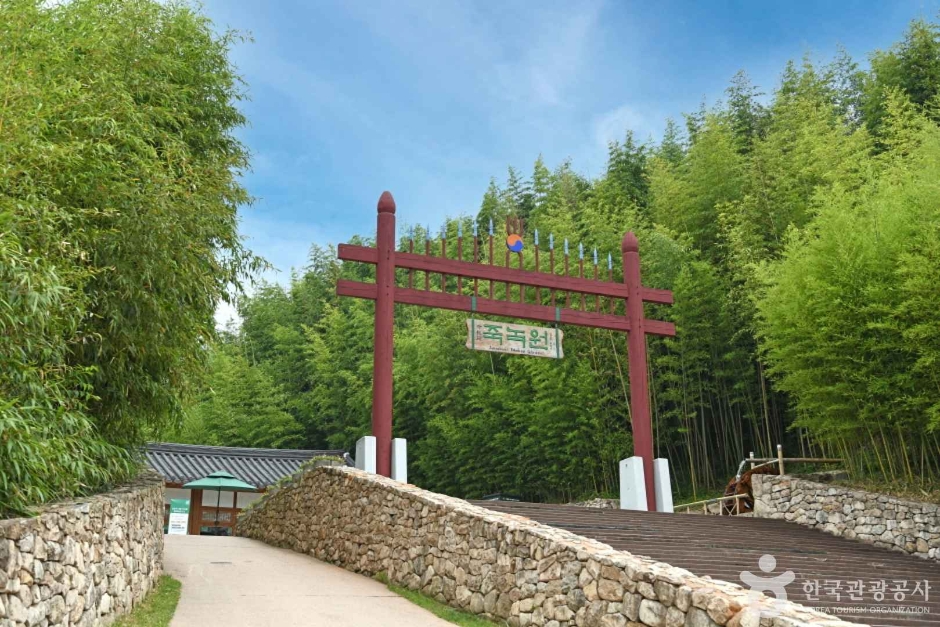
From the Fortune-Bringing Path to the Philosopher’s Path: choosing among 8 paths over approximately 2.2 km
The walking trails inside Juknokwon total approximately 2.2 km and are introduced as eight themed paths, including the Fortune-Bringing Path, Bamboo Horse Friends Path, Philosopher’s Path, and Memory Side Path. Since this is not a flat park with a straight, one-way route but a forest path that climbs and descends the slopes of Seonginsan, it is better to allow at least 60 minutes if taking photographs, or about 90 minutes if also visiting the observatory and the Poetry and Culture Village.
Sections with densely packed bamboo stems provide relatively abundant shade even at midday by blocking sunlight, but the trails combine dirt paths, stone paths, and gentle inclines. Sneakers with good traction are more suitable than sandals or high-heeled shoes. For strollers and wheelchairs, it is more realistic to use the area around the entrance and accessible sections according to on-site guidance rather than attempting to cover the entire 2.2 km continuously.
- Trail length: Approximately 2.2 km
- Themed walking paths: 8
- Recommended stay: 60–90 minutes
- What to bring: Slip-resistant sneakers, water in summer, and an umbrella or raincoat in rainy weather
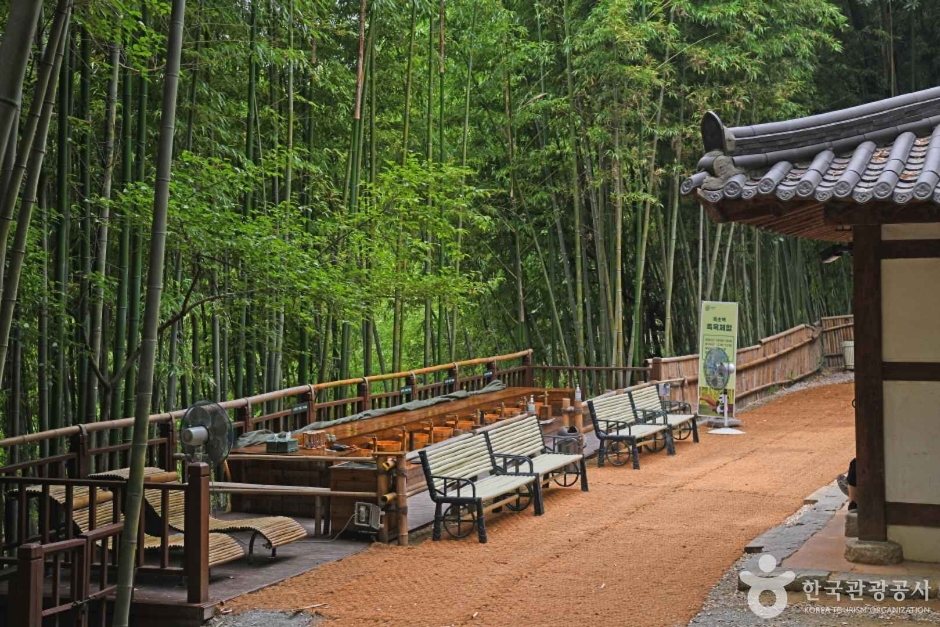
19:00 from April to October and 18:00 from November to March: calculate the ticketing cutoff first
According to Jeollanam-do tourism information, Juknokwon operates from 09:00 to 19:00 during the summer season, April through October, and from 09:00 to 18:00 during the winter season, November through March. Separate information from Korea Tour also lists hours of 09:00–18:00, with admission closing at 17:30, so differences may occur depending on the season, events, and on-site operations. If arriving in the late afternoon, it is especially advisable to call ahead to confirm ticketing hours.
The regular closing day is listed as none throughout the year, but routes or opening hours may change during strong winds, heavy rain, festivals, or facility maintenance. The periods from 09:00 to 11:00, when the light in the bamboo grove is relatively soft, or the two hours before closing are good times to secure enough walking time. Arriving just before the admission cutoff is too late to walk the full 2.2 km comfortably.
- Summer-season hours: 09:00–19:00, April–October
- Winter-season hours: 09:00–18:00, November–March
- Separate tourism information admission cutoff: Listed as 17:30
- Closing days: Listed as open year-round; advance confirmation is recommended for weather or event days
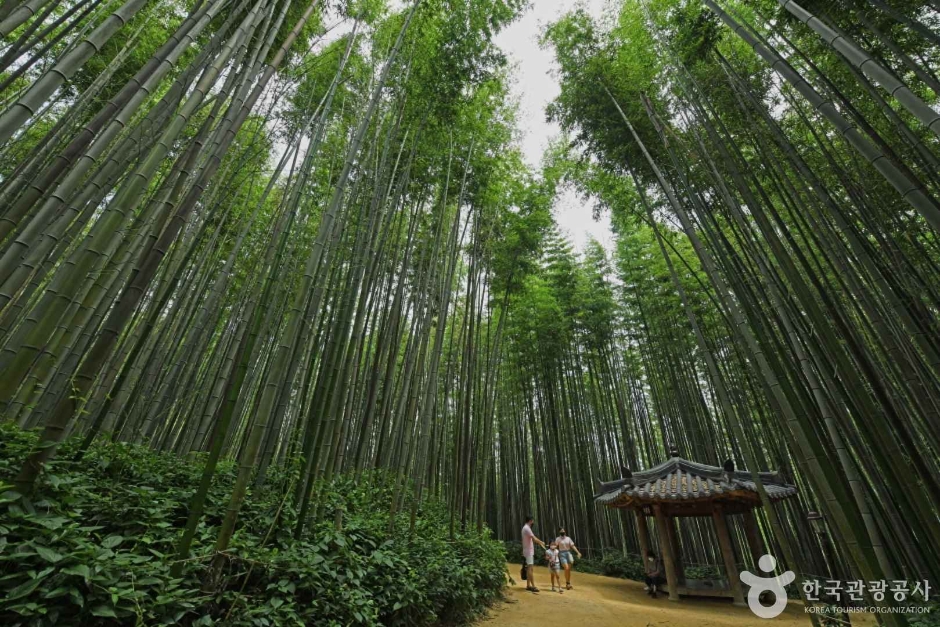
Admission starting at ₩3,000 for adults, with discounts requiring on-site confirmation
The standard admission fees listed in Jeollanam-do tourism information are ₩3,000 for adults, ₩1,500 for teenagers, and ₩1,000 for children. Residents of Damyang County are listed as receiving free admission. Since identification or other documents may be required to verify eligibility, it is advisable to bring them if applicable. As older materials may list different prices, prioritize the official tourism information and ticket-office notices on the day of departure over outdated blogs.
Juknokwon is a paid space where visitors use the forest paths after purchasing a ticket, but Gwanbangjerim along the Damyangcheon riverside is easy to visit on foot without a separate admission ticket. Accordingly, a quick visit focused only on the bamboo grove takes about one hour, while an itinerary combining Juknokwon with the Noodle Street and Gwanbangjerim can be planned for two to three hours, excluding meal time, without making the route too demanding.
- Adults: ₩3,000
- Teenagers: ₩1,500
- Children: ₩1,000
- Damyang County residents: Listed as free
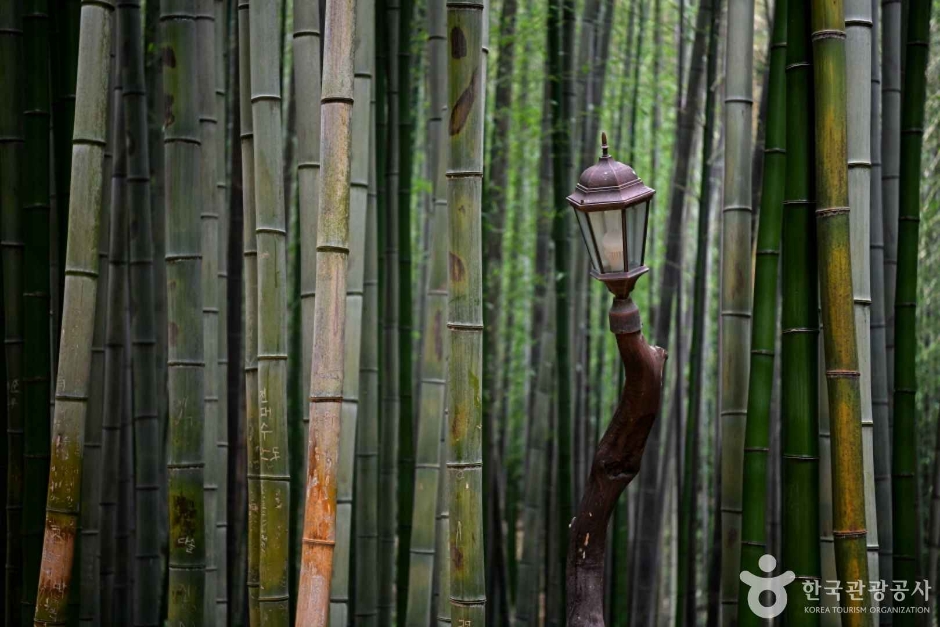
Ten minutes from Damyang Bus Terminal and three minutes behind Juknokwon to Gwanbangjerim: an itinerary without moving the car
Korea Tour information introduces the journey from Damyang Bus Terminal to Juknokwon as approximately five minutes by car or approximately ten minutes by public transportation. The downtown route of the Damyang City Tour Bus circulates seven times a day and stops at both the rear and main gates of Juknokwon. The Damyangho route also passes by Juknokwon’s rear and main gates three times a day, so check the latest operating days, stops, and timetable before boarding.
Tourism information states that it takes approximately four minutes on foot from Juknokwon to the restaurants on Juknokwon Noodle Street and approximately three minutes to Gwanbangjerim. Gwanbangjerim is a forest extending along the northern embankment of Damyangcheon. It originated as an artificial forest created in 1648 by Seong I-seong, the magistrate of Damyang, to control flooding and protect the embankment. This is why the bamboo grove at Juknokwon and the broadleaf forest at Gwanbangjerim can be compared in one visit.
- Damyang Bus Terminal → Juknokwon: Approximately 5 minutes by car, approximately 10 minutes by public transportation
- Juknokwon → Noodle Street: Approximately 4 minutes on foot
- Juknokwon → Gwanbangjerim: Approximately 3 minutes on foot
- Damyang City Tour: Downtown route circulates 7 times daily; Damyangho route circulates 3 times daily
Free parking and full lots on weekends: a realistic schedule when arriving by car
Jeollanam-do tourism information lists the Juknokwon parking lot as free and explains that it can accommodate approximately 200 vehicles. It also warns that the lot may fill up early on weekends and holidays. If visiting by car, it is better to aim to arrive before 10:00 or plan to walk as far as Gwanbangjerim and the restaurants in Damyang-eup.
After parking, rather than looking around only the entrance area, plan a route that completes the 2.2 km walking trail and then descends to Gwanbangjerim, so there is no need to move the car again. Dirt paths may become slippery after rain, and in summer it is advisable to bring insect repellent and water. Conversely, visitors who find stairs and slopes difficult or who need to complete a long forest trail with mobility aids may have a lower level of satisfaction.
- Parking: Juknokwon parking lot listed as free
- Capacity: Listed as approximately 200 vehicles
- Possible congestion: The lot may fill early on weekends and holidays
- Recommended arrival by car: Before 10:00
Do not stop at the bamboo: continue to Damyangcheon and Gwanbangjerim, dating to 1648
The area near the Juknokwon observatory is said to offer views down toward Damyangcheon and Gwanbangjerim. Gwanbangjerim is known as a forest created in 1648 when Seong I-seong, the magistrate of Damyang, reinforced the embankments along Damyangcheon. Today, together with Juknokwon’s bamboo landscape, it forms one of the representative walking landscapes in central Damyang-eup. The two sites clearly differ in both their planted tree species and their purposes.
Bamboo in Damyang has long been connected with household goods, construction materials, and food culture. Around Juknokwon, visitors can find bamboo-related dishes such as rice cooked in bamboo tubes, bamboo-shoot dishes, and bamboo-leaf ice cream. However, the availability of experiences and shops inside Juknokwon, as well as the scope of foreign-language information, has not been confirmed as fixed information. Visitors who require English, Chinese, or Japanese assistance should contact Damyang County tourism information or the ticket office in advance.
- Background to Gwanbangjerim’s creation: Protection of the Damyangcheon embankment in 1648
- Connection between Juknokwon and Gwanbangjerim: Listed as approximately 3 minutes on foot
- Local foods to consider together: Rice cooked in bamboo tubes, bamboo-shoot dishes, and tteokgalbi
- Foreign-language information and barrier-free routes: Advance inquiry on site is recommended
Juknokwon through 8 photographs, while video searches exceeded the quota
The photographs below were selected from candidate images extracted from pages with different sources, including the Korea Tourism Organization, Jeollanam-do tourism, media outlets, and individual travel reports. However, since some original image alt text was empty, the descriptions shown on screen have been limited to a general level such as “view of Juknokwon.”
A search for related YouTube videos did not return results because the search service’s daily quota had been exceeded as of August 5, 2026. Accordingly, no unverified video addresses have been included. Before visiting, it is better to search the platform directly for “Damyang Juknokwon” and “Damyang Juknokwon vlog” and compare the filming dates and operating information in recent posts.
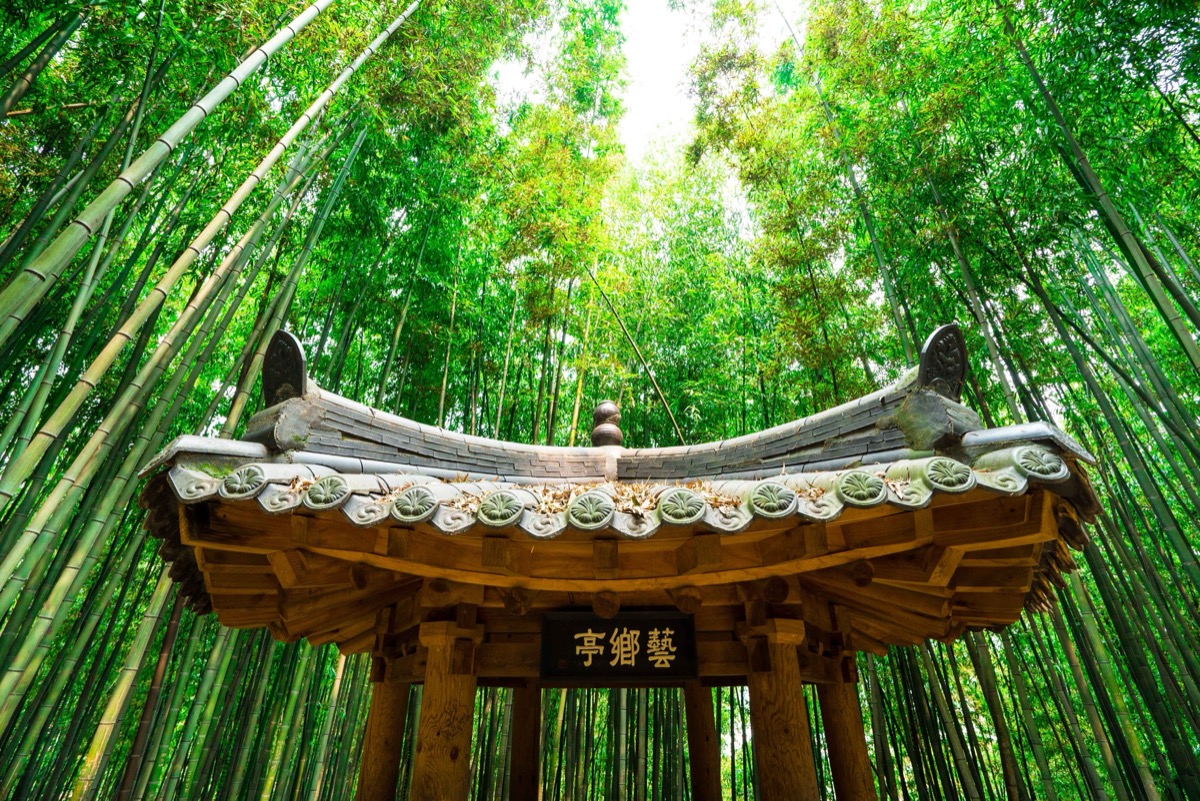
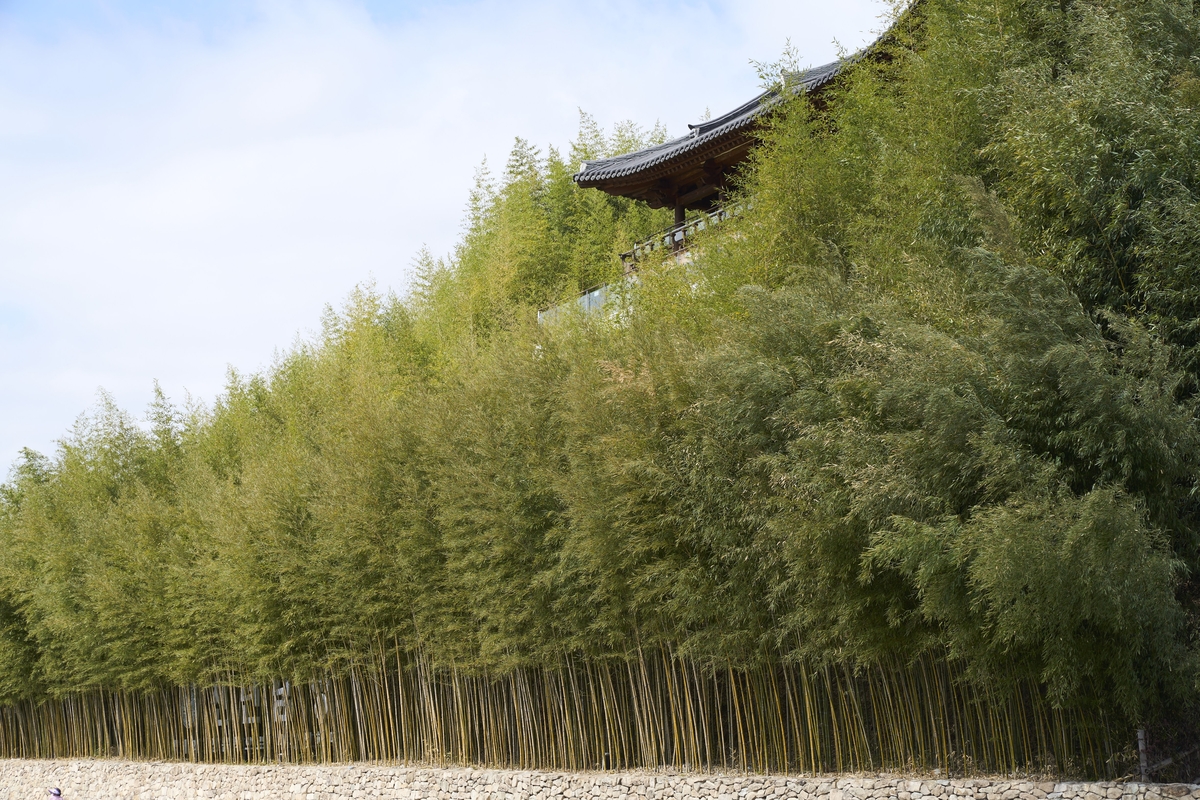
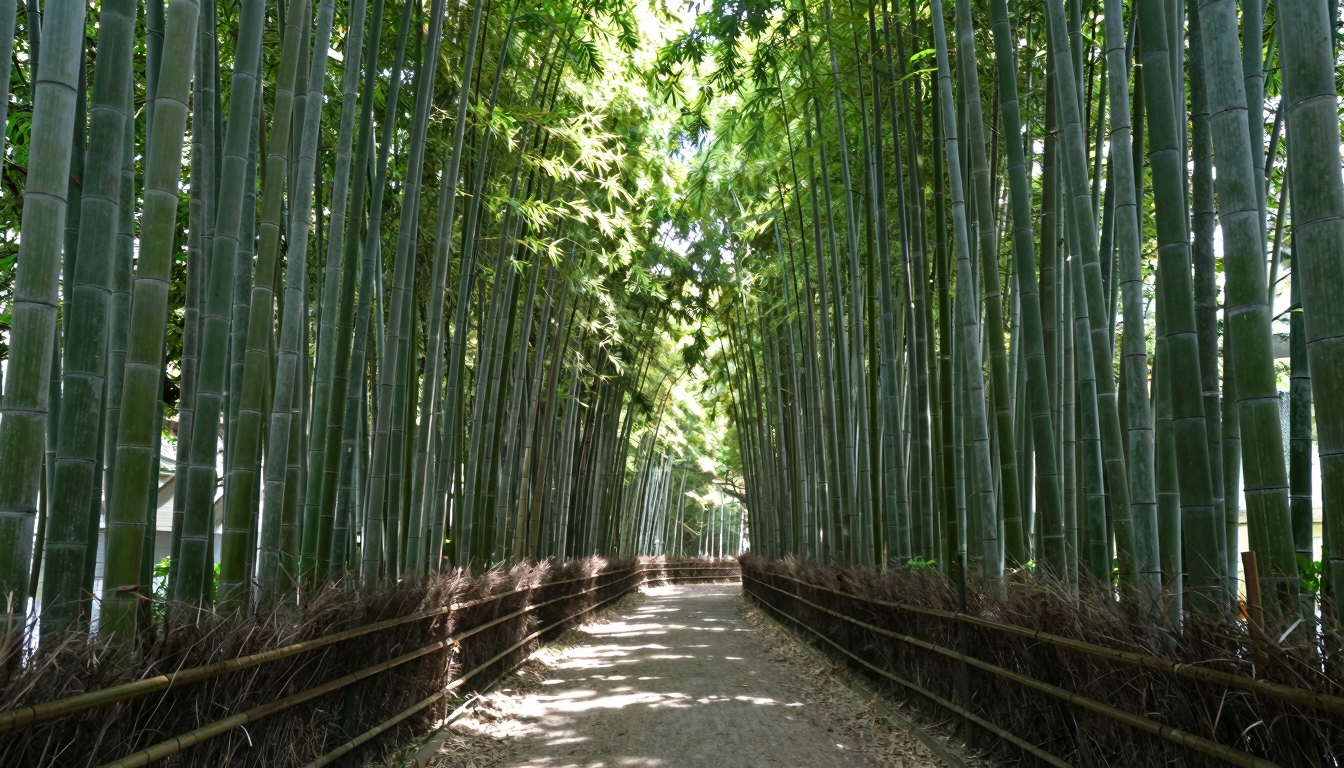
Before You Go
- Address
- 119 Juknokwon-ro, Damyang-eup, Damyang-gun, Jeollanam-do
- Hours
- 09:00–19:00, April–October / 09:00–18:00, November–March (separate tourism information lists 09:00–18:00 and an admission cutoff of 17:30, so confirmation before visiting is recommended)
- Closed
- Listed as open year-round
- Admission
- Adults ₩3,000 / Teenagers ₩1,500 / Children ₩1,000 / Damyang County residents listed as free
- Phone
- 061-380-2680
- Official site
- https://www.damyang.go.kr/index.damyang?menuCd=DOM_000000104000000000
- Transport
- From Damyang Bus Terminal: approximately 5 minutes by car and approximately 10 minutes by public transportation. The downtown route of the Damyang City Tour is listed as passing Juknokwon’s rear and main gates 7 times daily, while the Damyangho route passes them 3 times daily.
- Parking
- Juknokwon parking lot listed as free, with capacity for approximately 200 vehicles. It may fill early on weekends and holidays.
- Time needed
- 60–90 minutes
- Accessibility
- Because there are dirt paths, stone paths, and sloped sections, wheelchair and stroller users are advised to use accessible sections according to on-site guidance rather than attempting the entire 2.2 km. Advance inquiry is recommended regarding the availability of foreign-language information.
The information above is current as of the time of writing. Check the official information again before visiting.

Places
Nearby Attractions 5
-
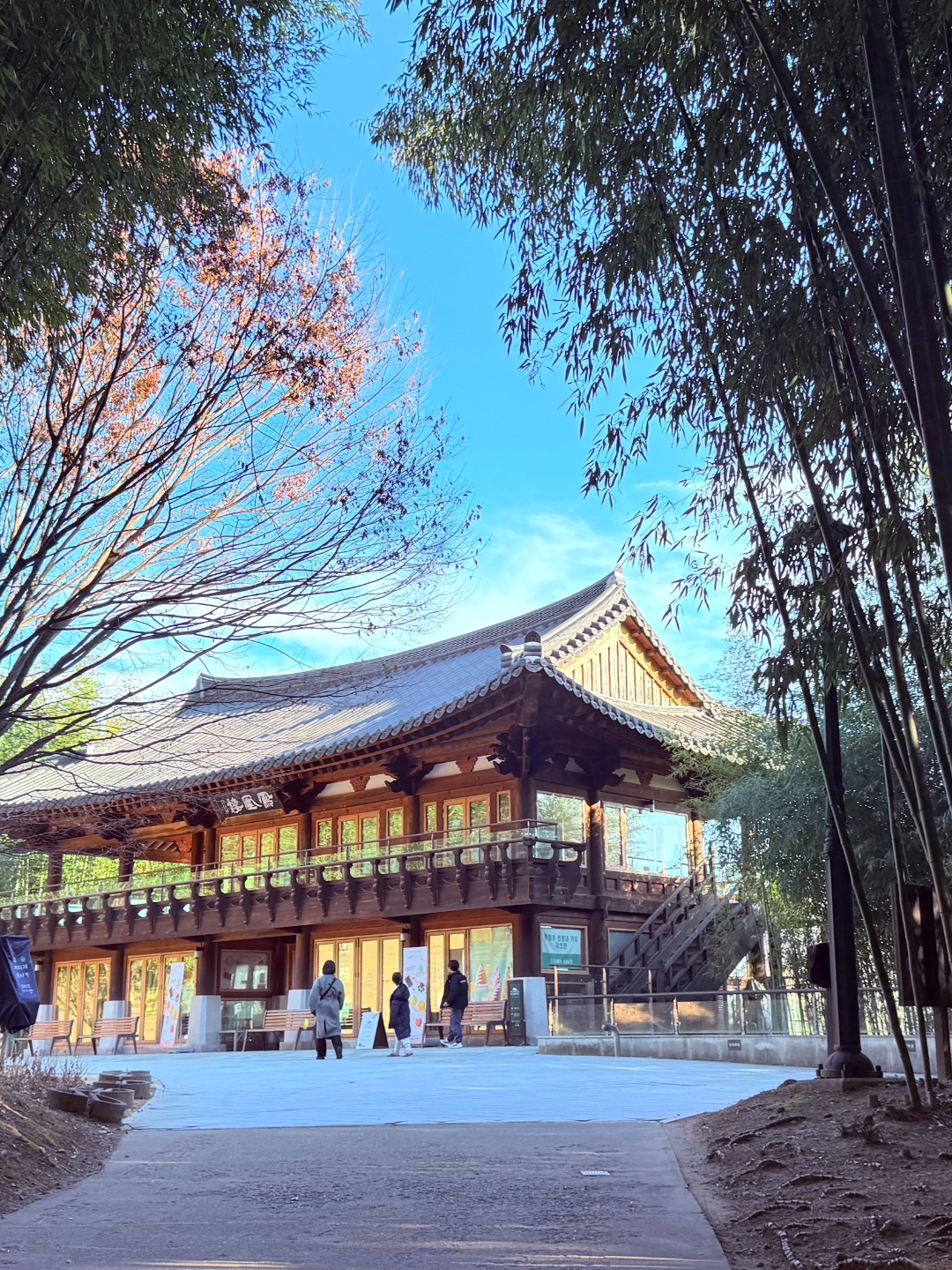 1
Juknokwon Rear Entrance Ticket Office
1
Juknokwon Rear Entrance Ticket Office -
 2
2
-
 3
3
-
 4
4
-
5
Food & Dining 5
-
 6
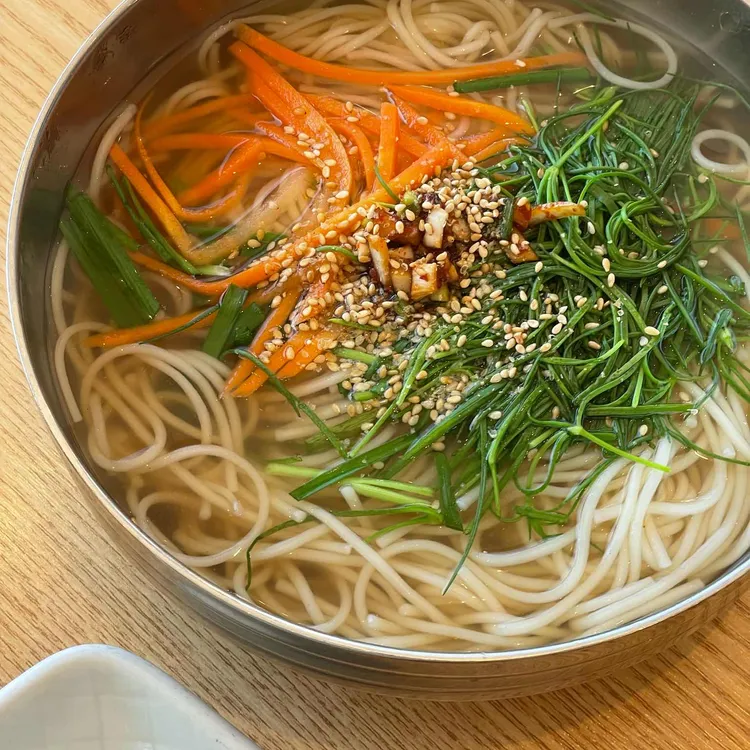
Okbin-gwan Damyang Bamboo Forest Noodle Street Main Store
6
Okbin-gwan Damyang Bamboo Forest Noodle Street Main Store -
 7
7
-
 8
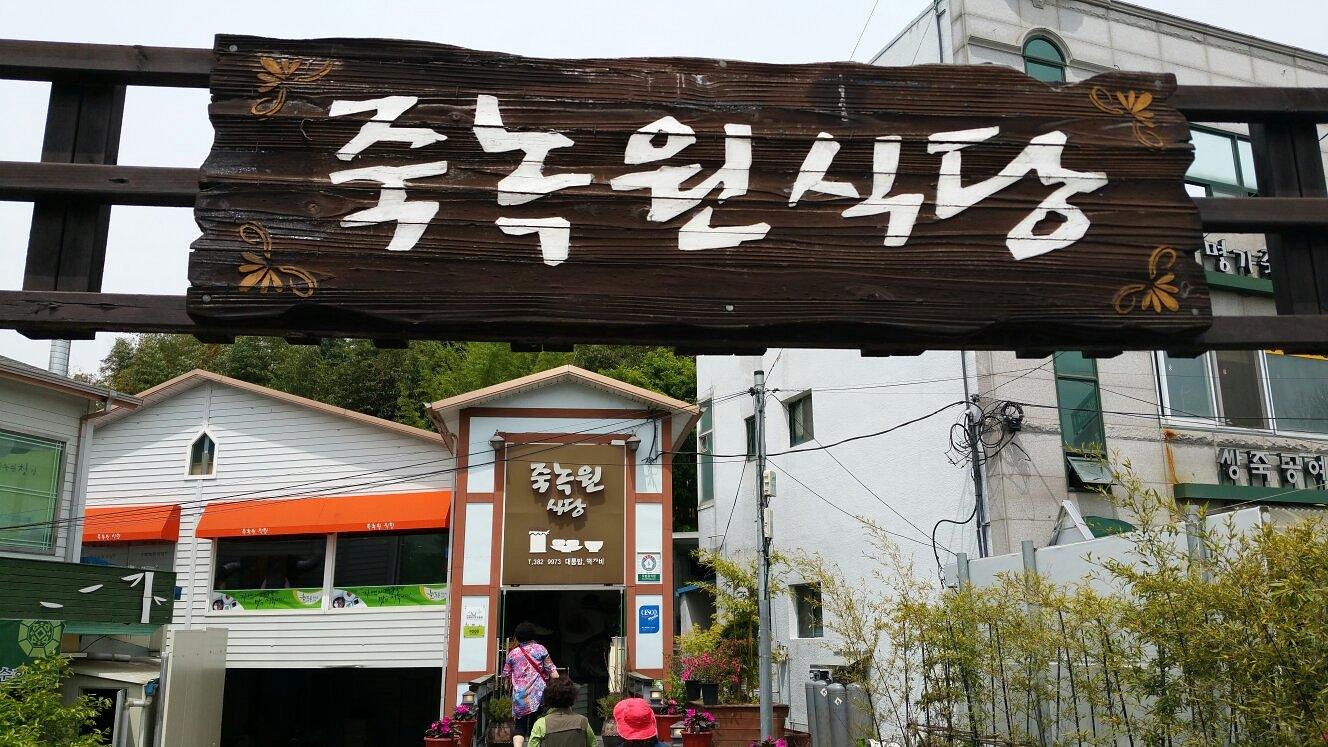
Juknokwon Sikdang
8
Juknokwon Sikdang -
 9
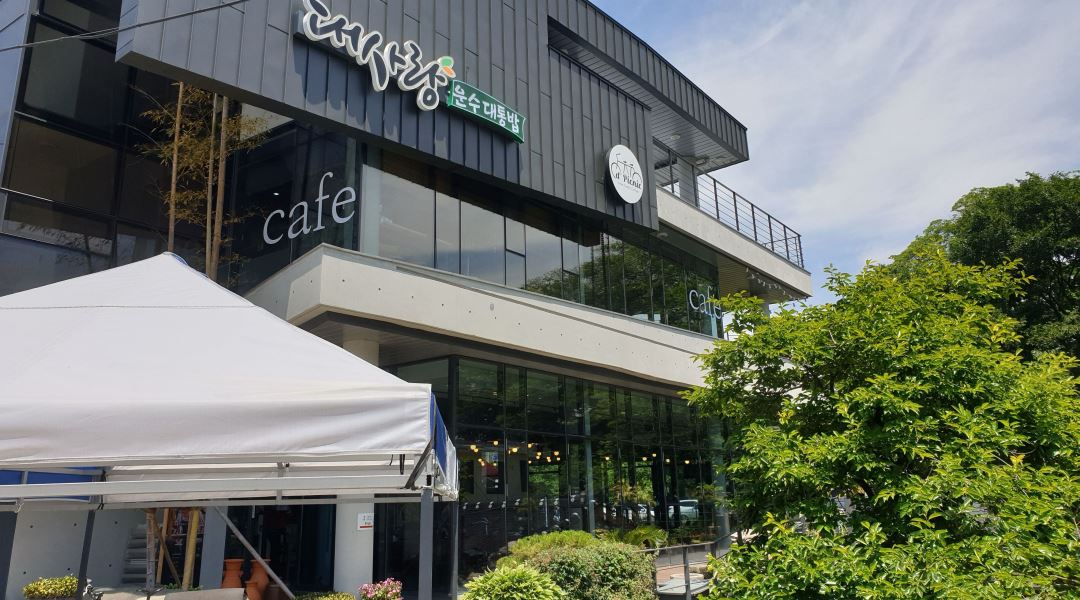
Da Sarang
9
Da Sarang -
 10
10
Events in This Area
Festivals in This Area
More Travel Guides in This Area
 Travel Guide
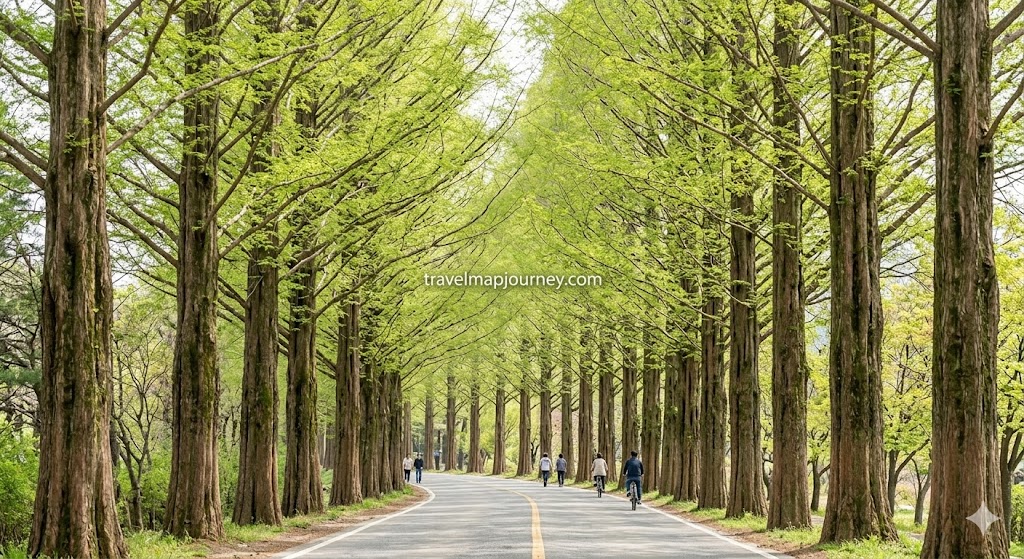
Essential Admission and Route Information Often Missed at Damyang Metasequoia-lined Road
 Travel Guide
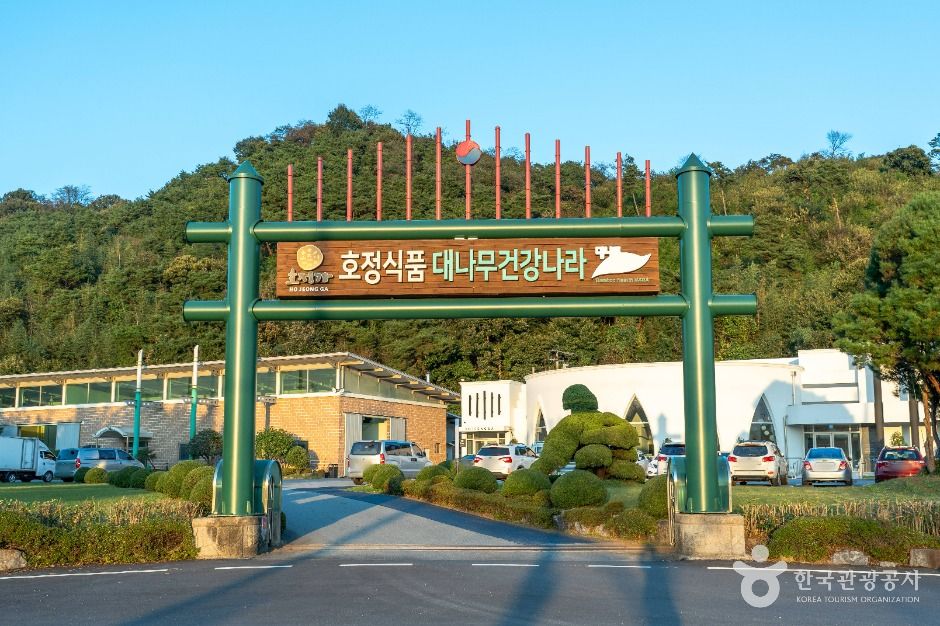
Damyang Bamboo Leaf Tea and Jukh 향관 at Bamboo Health Nation
 Travel Guide
Shinan Cultural Center at 14 Sugang-ro 3beon-gil, Mokpo
 Travel Guide
Discovering Jangseong’s Village Records and Local Culture at the Jangseong Cultural Center
Korea News
 News
News
‘NewJeans Expulsion’ Danielle Releases Her First YouTube Video… “We Don’t Know What Will Happen Next”
![aespa’s North American Tour Has Remaining Seats Despite ‘$49’ Bargain Prices… A Stark Popularity Gap with KATSEYE [TEN Starfield]](https://kotourlive-images.s3.ap-northeast-1.amazonaws.com/news/1788485037424_a59b1932_naver_rank_thumb_0000774618_1788485037424.jpg) News
News
aespa’s North American Tour Has Remaining Seats Despite ‘$49’ Bargain Prices… A Stark Popularity Gap with KATSEYE [TEN Starfield]
![[Photo] TWICE’s Dahyun attends a film festival red carpet as an actress](https://kotourlive-images.s3.ap-northeast-1.amazonaws.com/news/1788485316508_edd43ecd_news_870a60a6-6f11-4d73-aa7c-48d91318a0f7.jpg) News
News
[Photo] TWICE’s Dahyun attends a film festival red carpet as an actress
![[On-Site Video] “We’re Departing Separately Together”… BIGBANG Begins ‘COSMOS’ World Tour](https://kotourlive-images.s3.ap-northeast-1.amazonaws.com/news/1788485226518_c5719641_news_fdd4764a-0f4e-4968-8e4e-e98a02872f88.jpg) News
News