How to See Birojeon Hall and the Treasure Stone Buddha Steles at Yeonhwasa Temple in Sejong
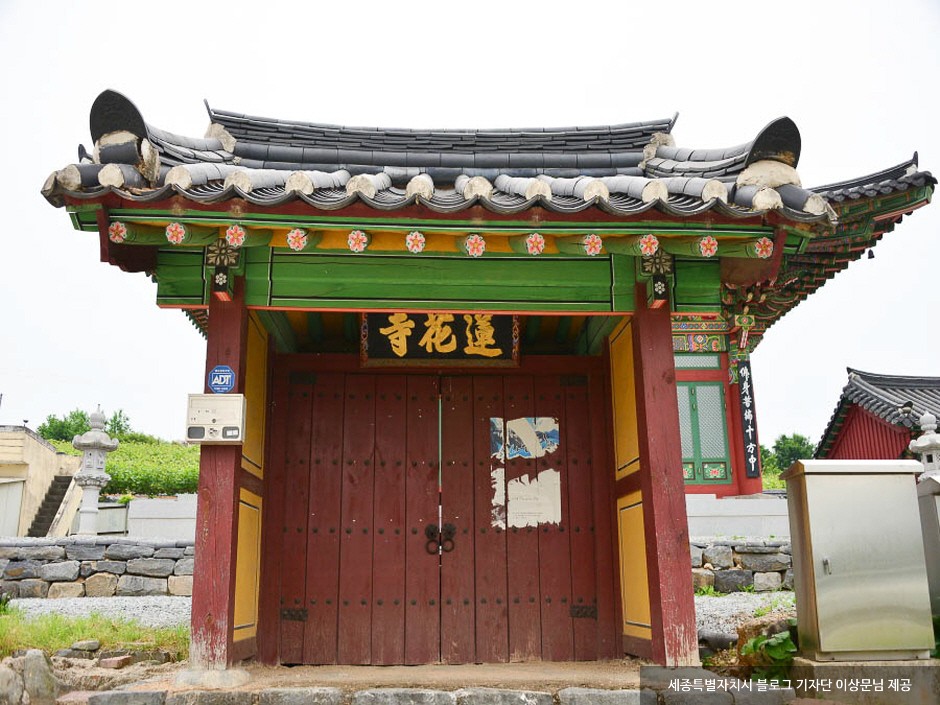
Yeonhwasa Temple in Wolha-ri, Yeonseo-myeon, Sejong, is centered on Birojeon Hall, which enshrines Vairocana Buddha, with Muryangsujeon Hall, Samseonggak Shrine, and monks’ quarters also on the grounds. Its main highlights are the Stone Buddha Steles designated Treasures No. 649 and No. 650, but operating hours, admission fees, and public transportation information could not be confirmed in publicly available sources.
I’ve been here?
Your check-in helps the next traveler.
11 people viewed this week Be the first
One tap — no writing needed
What kind of Buddhist temple is Yeonhwasa in Wolha-ri, Yeonseo-myeon?
Yeonhwasa is a Buddhist temple in Wolha-ri, Yeonseo-myeon, Sejong Special Self-Governing City, and its road-name address is 28-1, Yeonhwasa-gil, Yeonseo-myeon, Sejong Special Self-Governing City. The English address is listed as 28-1, Yeonhwasa-gil, Sejong-si.
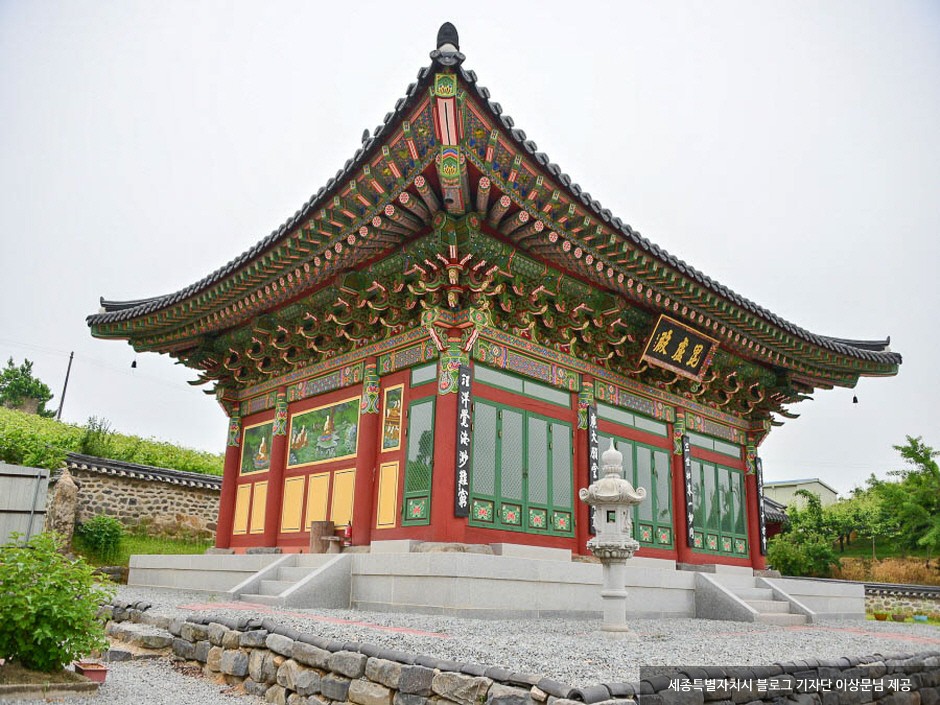
It was designated a traditional temple in 1988. Its main spaces are introduced as Muryangsujeon, Samseonggak, and the monks’ quarters, while Sejong City records describe Birojeon as Yeonhwasa’s central hall.
Hong Mun-seop’s dream and why two Buddha images remain
According to tradition, Hong Mun-seop began excavating the present temple site after having a dream and discovered and enshrined two Buddha images during the process. Local records also state that the two Buddha monuments were originally brought from Gwonteotgol in Ssangnyu-ri, Yeonseo-myeon, Sejong City.
Because of this origin story, Yeonhwasa’s significance lies less in the scale of its buildings than in the stone Buddha images enshrined inside the worship hall. The Buddha monuments at Yeonhwasa are introduced, together with the stone statue at Biam-sa, as cultural heritage showcasing ancient Buddhist art from the Yeongi region.
Treasure No. 650, displaying Baekje style from 678
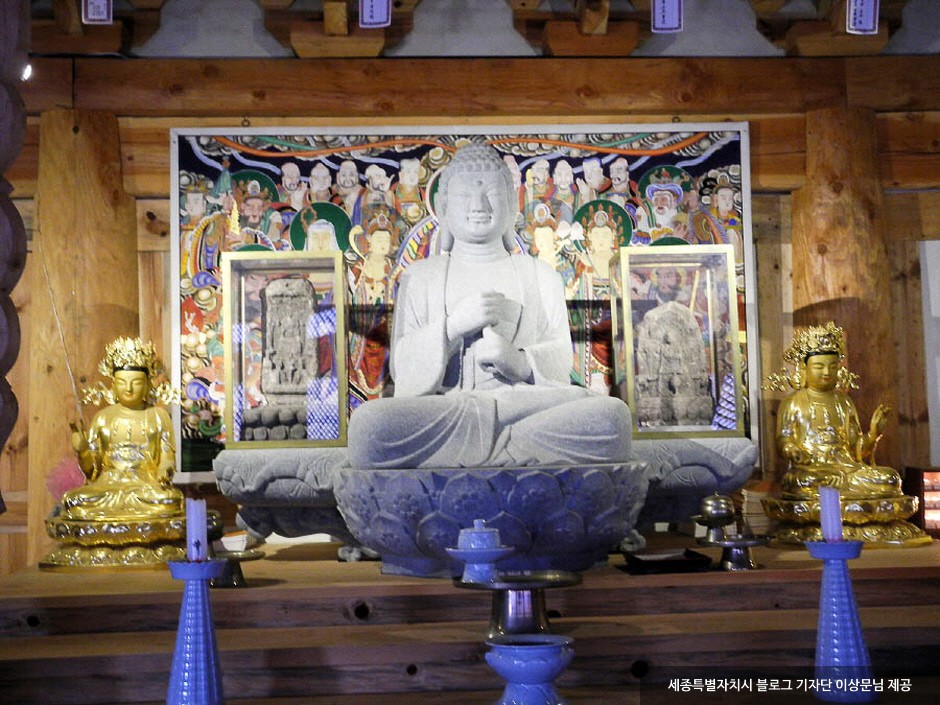
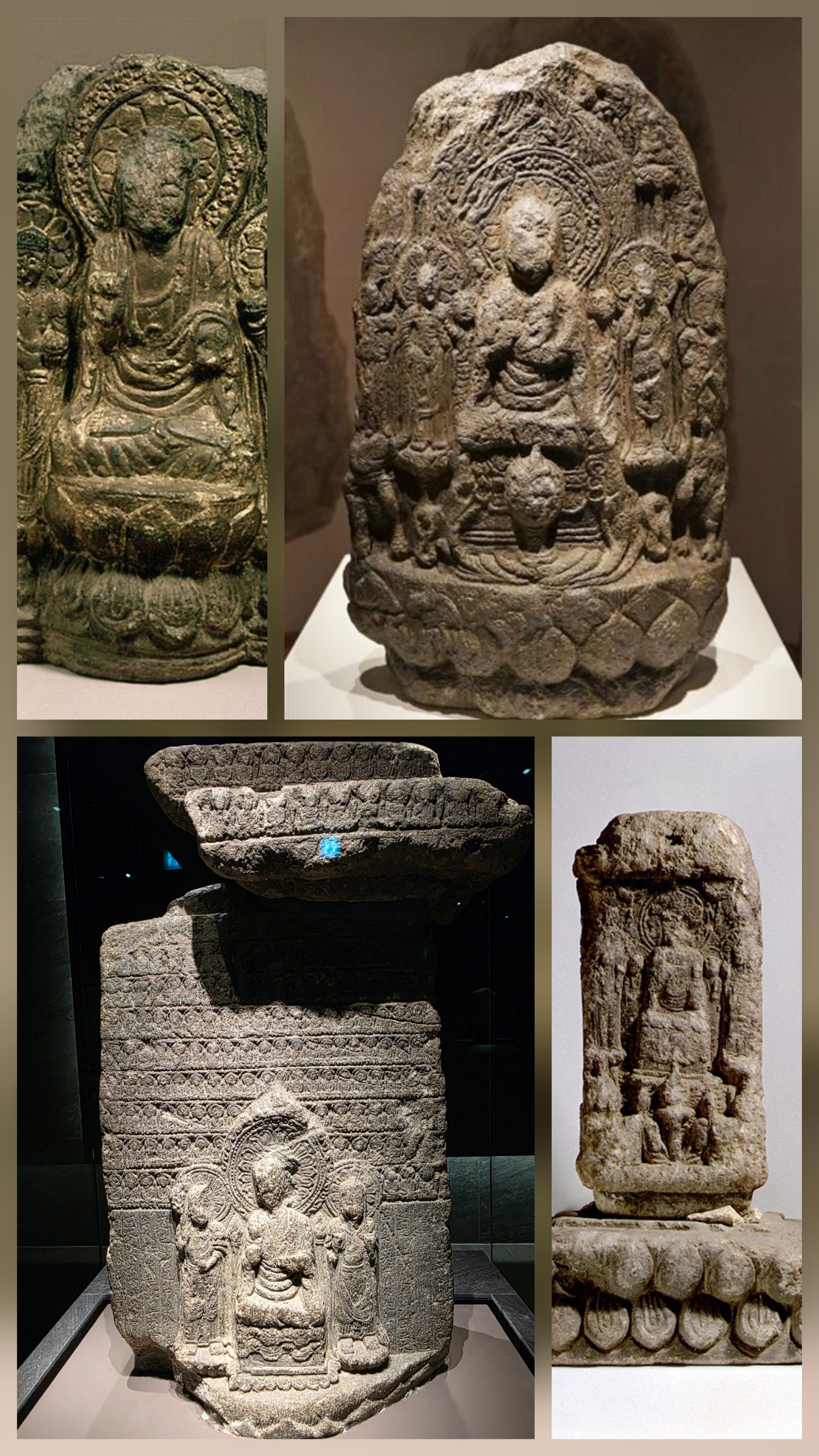
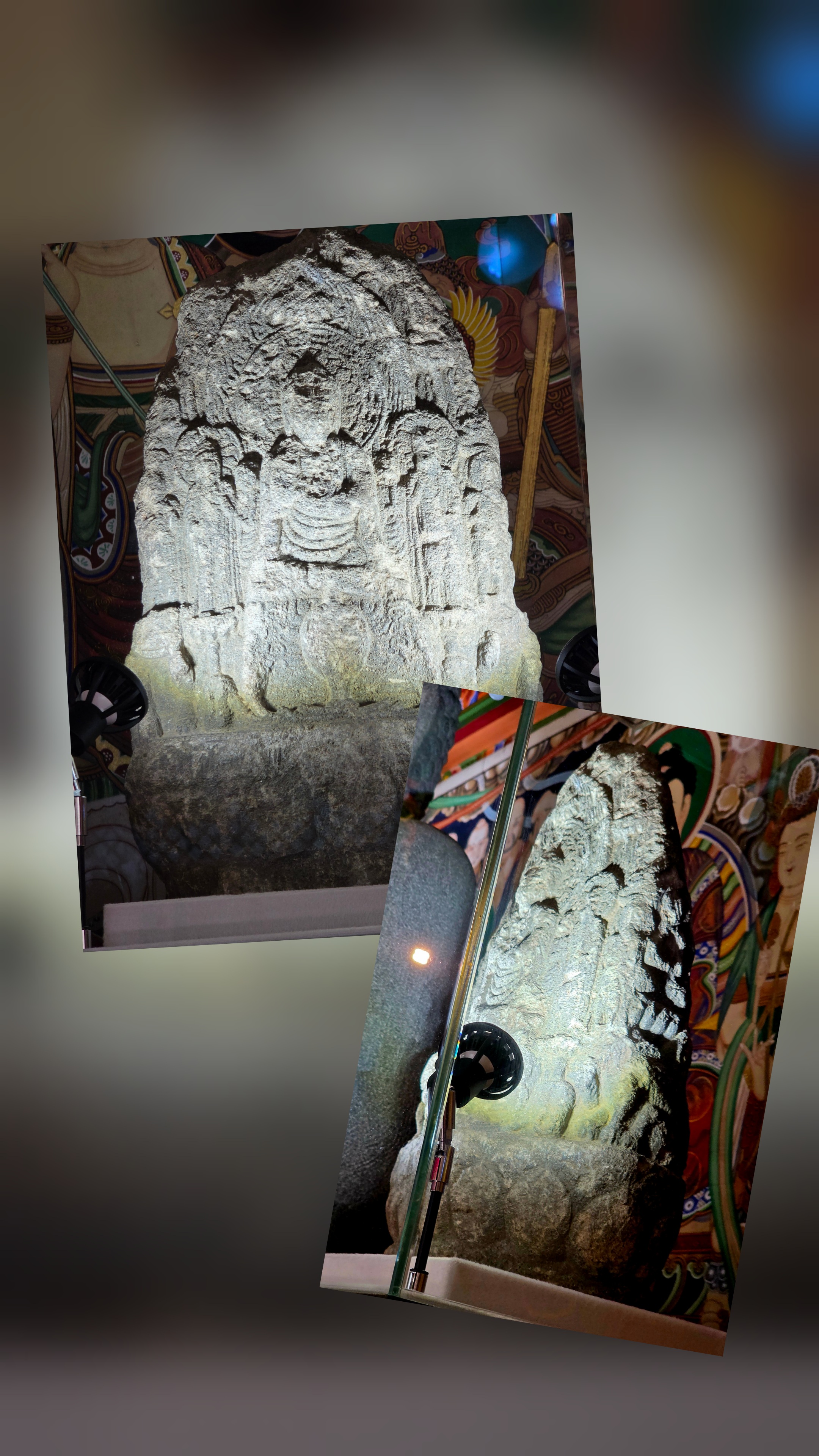
The Seven-Buddha Stone Monument at Yeonhwasa is introduced as Treasure No. 650. Made of semi-elliptical soapstone, it features seven Buddhas carved around the principal Tathagata image on a diamond-shaped stone surface engraved with lotus patterns.
It is estimated to date to 678, the 18th year of King Munmu of Silla. The lotus patterns on the halo and the slender, elongated bodies of the attendant bodhisattvas reveal Baekje stylistic elements, so the work is described as having been created by people from Baekje.
Treasure No. 649 and the left-right arrangement inside the worship hall
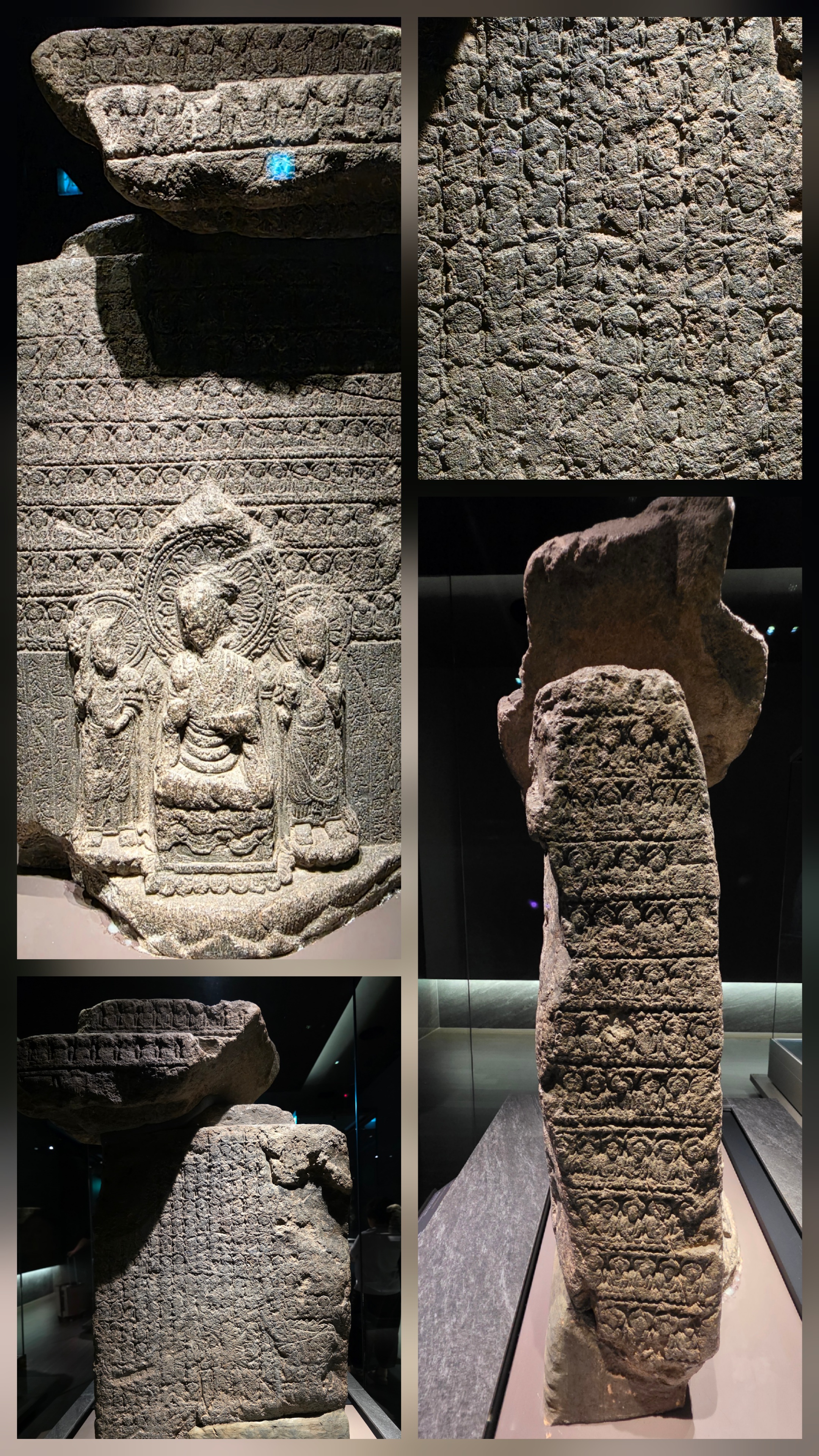
Yeonhwasa houses the Stone Buddha Image with an Inscription and Pedestal of Yeonhwasa, Treasure No. 649. This artifact is made of rectangular stone, with sides forming a trapezoid that is narrower at the top and wider at the bottom.
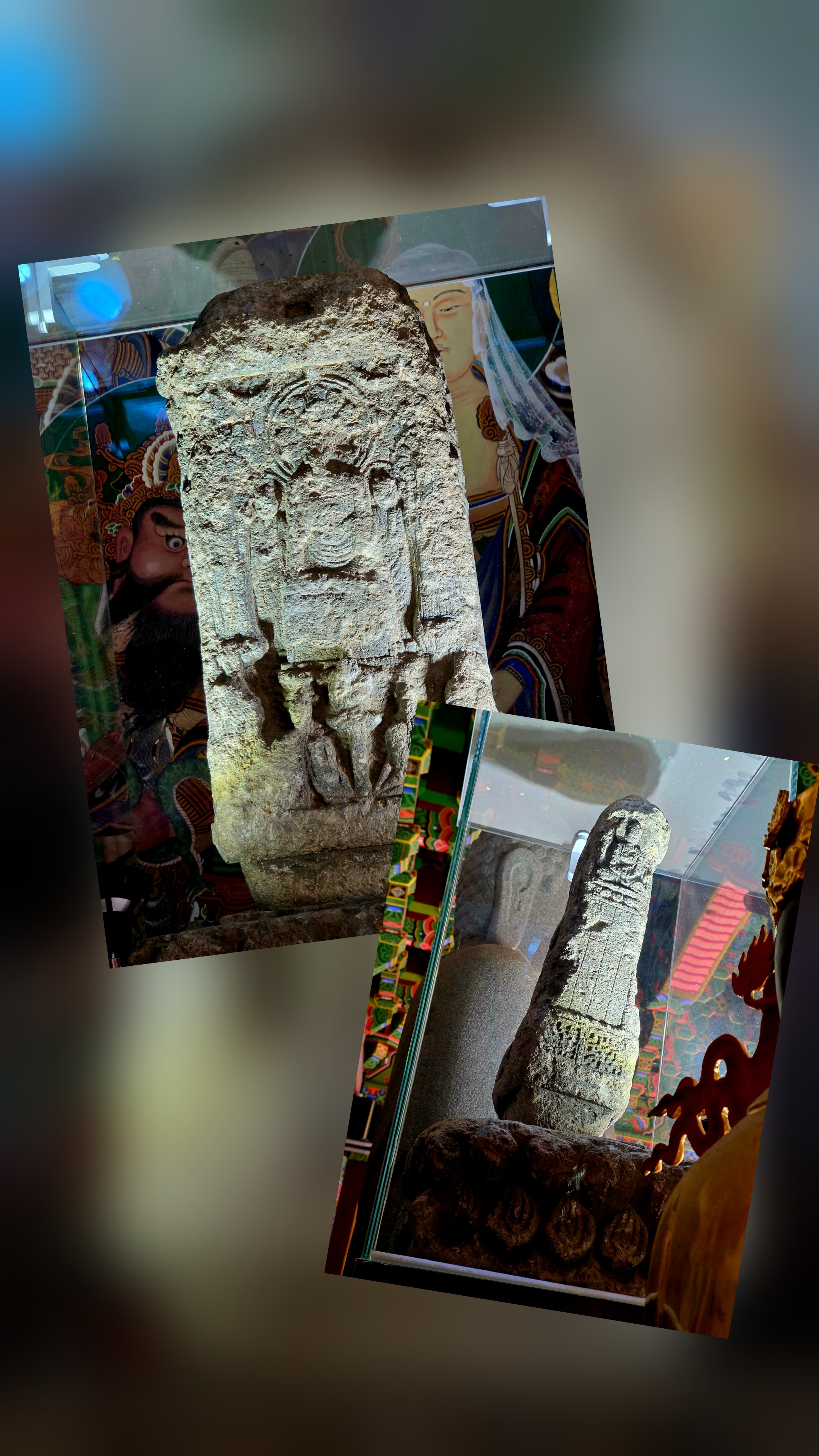
The worship hall is described as a building with a gabled roof, three bays across the front, and two bays along the side. A Shakyamuni Buddha is enshrined inside; the Stone Buddha Image with an Inscription and Pedestal is placed on the right, while the Seven-Buddha Stone Image is on the left, making it possible to distinguish the locations of the two treasures within the hall.
Birojeon and changes in 1997, 1999, and 2012
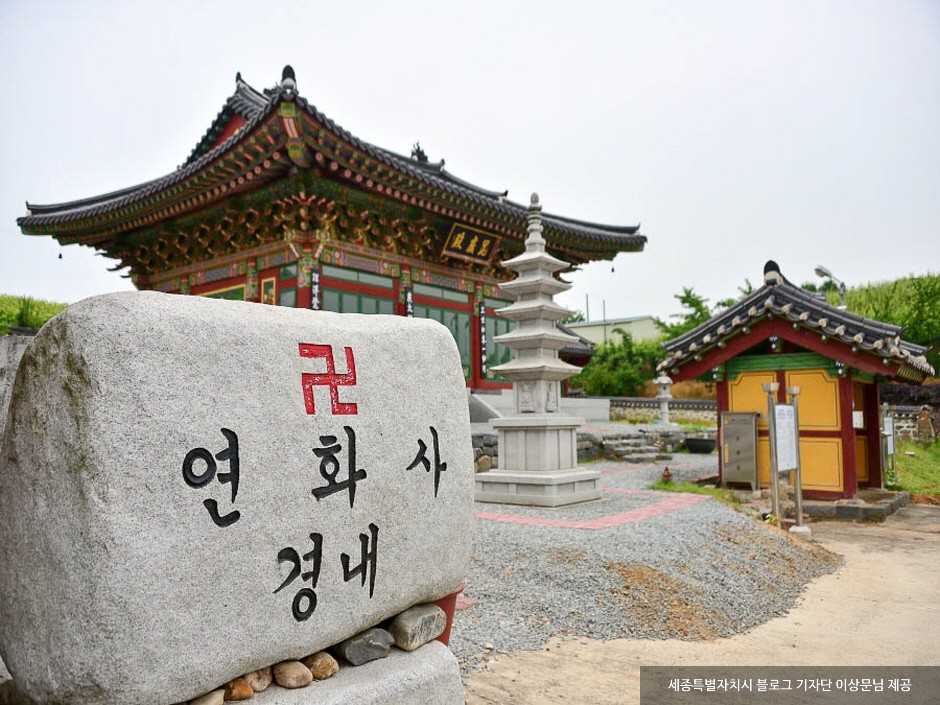
Unlike most temples, which center on Daeungjeon, the hall enshrining Shakyamuni Buddha, Yeonhwasa’s central hall is Birojeon, which enshrines Vairocana Buddha. This is the first point to consider when understanding the temple’s spatial layout.
In 1997, a protective pavilion was installed for the Buddha monument enshrined in Birojeon, and in 1999, a five-story stone pagoda and stone lantern were built. Records state that the dancheong decoration of Birojeon was completed with government funding in 2012, showing that the present temple grounds were formed through the protection of the Buddha monuments and the restoration of the temple halls.
Open year-round, but operating hours and admission fees are not published
VisitKorea lists Yeonhwasa as open year-round. However, its opening and closing times could not be confirmed through official or public information, and no published admission fee could be found, so specific hours are not provided here.
The telephone number for inquiries before visiting is 044-862-8620. The Korea Travel Hotline 1330 is also listed, with assistance available in Korean, English, Japanese, and Chinese. Visitors should ask the on-site operator whether admission is free and whether entering or photographing the worship hall and protective pavilion is permitted.
Preparing for a first visit to 28-1, Yeonhwasa-gil
Yeonhwasa’s official website is https://www.yeonhwasa.co.kr/, and the site includes a section titled “Yeonhwasa Location.” Before departure, the clearest method is to enter the address, 28-1, Yeonhwasa-gil, Yeonseo-myeon, Sejong Special Self-Governing City, into the vehicle navigation system.
Public information states that parking facilities are available, but the number of spaces and parking fees have not been confirmed. The names of stations, exit numbers, bus route numbers, service intervals, and walking time after getting off public transportation from train stations, terminals, and airports are also unavailable in published materials. Foreign visitors relying solely on public transportation should therefore contact 044-862-8620 or 1330 with their departure location.
Restrictions and seasonal records to know before viewing the worship hall
Yeonhwasa is reported to have restrooms. However, accessibility for wheelchairs and strollers, slopes and stairs, the recommended viewing time, and the availability of English signs and audio guides have not been confirmed. Visitors using mobility aids should plan to be accompanied by a guardian and make inquiries by phone in advance.
The official website includes posts with photographs of the worship hall, temple grounds, and landscaping changes, as well as a 2016 post about the first snow. The website provides posts through page 24 and retains information about the 2015 Buddha’s Birthday lantern event, the Jangjang Dharma Assembly on April 6, 2015, and the Jangjang Dharma Assembly on March 8, 2015. Visitor routes and the atmosphere around access may differ on such event days, but current schedules should be checked under “Yeonhwasa Schedule” on the website.
Before You Go
- Address
- 28-1, Yeonhwasa-gil, Yeonseo-myeon, Sejong Special Self-Governing City
- Closed
- Open year-round
- Phone
- 044-862-8620
- Official site
- https://www.yeonhwasa.co.kr/
- Parking
- Parking facilities available
The information above is current as of the time of writing. Check the official information again before visiting.

Places
Nearby Attractions 3
-
 1
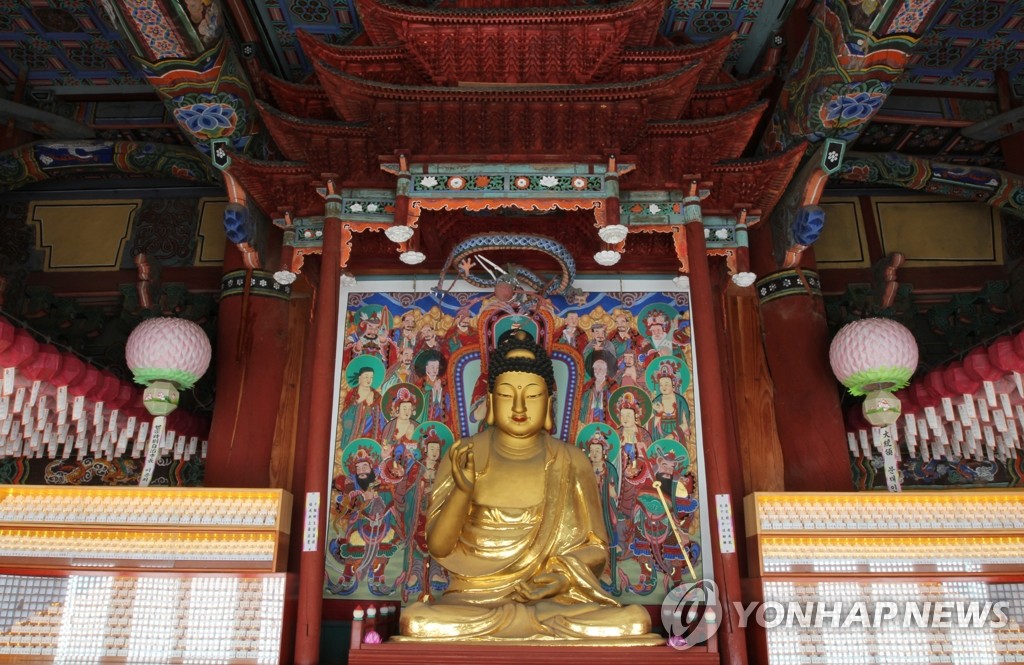
Biam-sa TempleA traditional temple where you can view an ancient Buddhist triad stele and stone pagodas.
1
Biam-sa TempleA traditional temple where you can view an ancient Buddhist triad stele and stone pagodas. -
 2
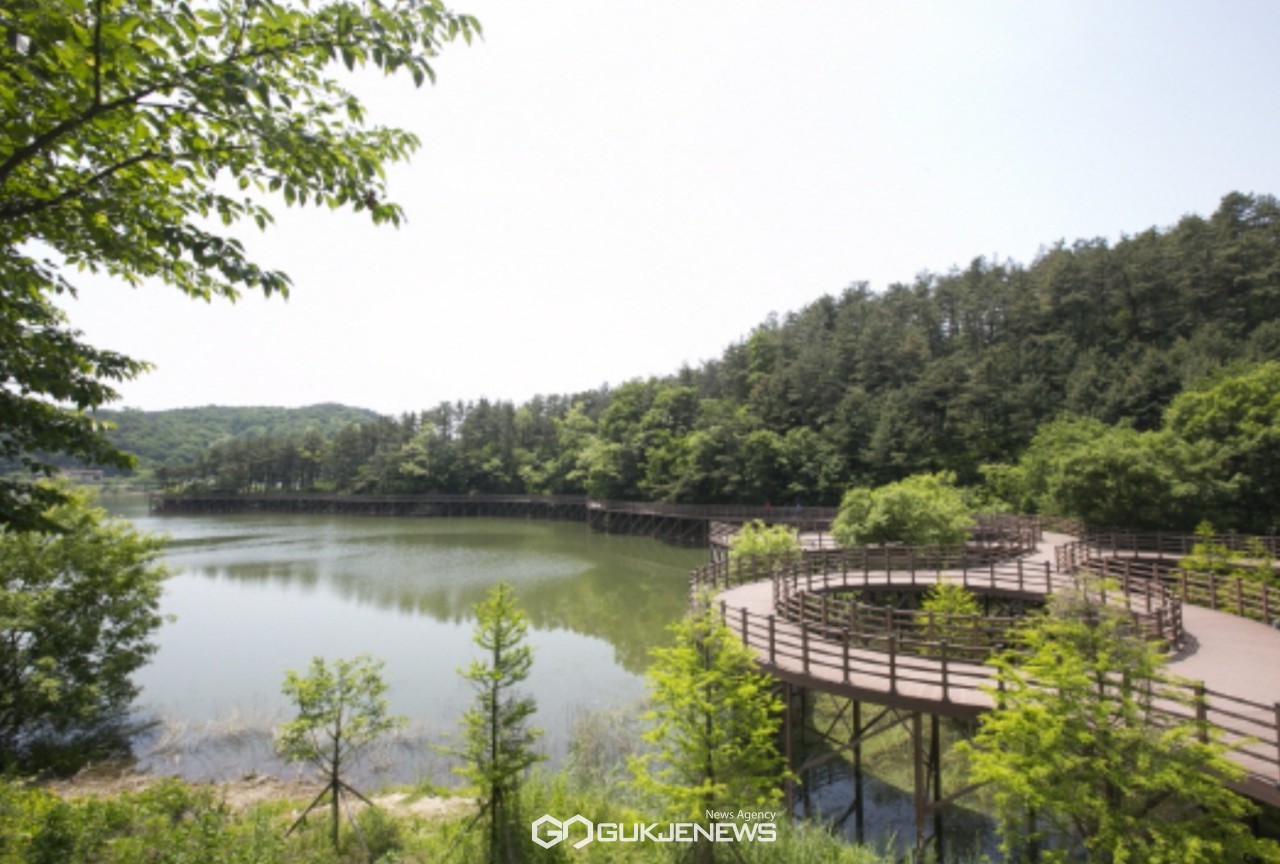
Gobok Natural ParkA park where you can stroll around Gobok Reservoir and enjoy the natural scenery.
2
Gobok Natural ParkA park where you can stroll around Gobok Reservoir and enjoy the natural scenery. -
 3
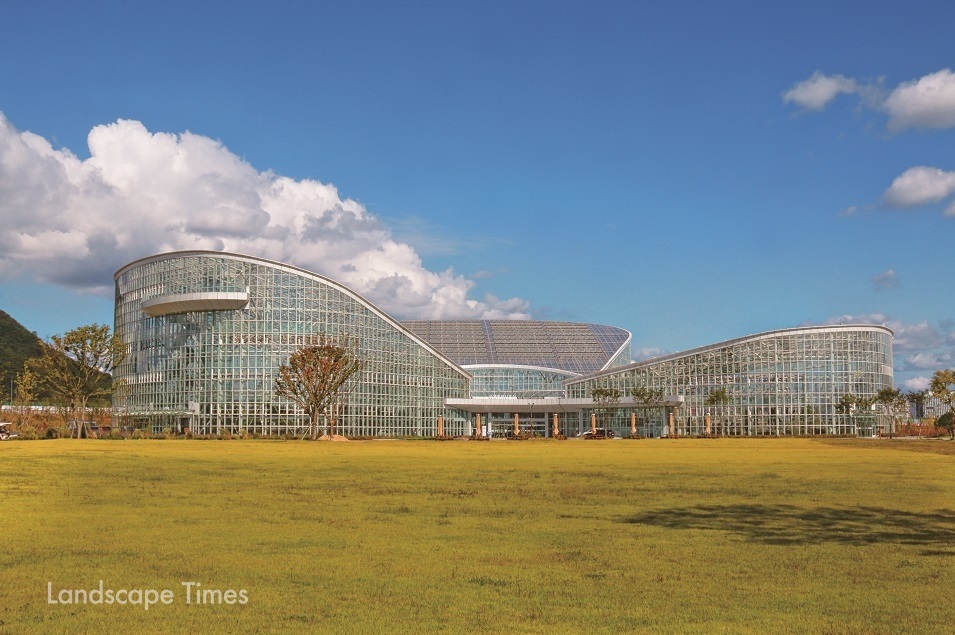
National Sejong ArboretumAn arboretum where visitors can enjoy a variety of plants in the Four Seasons Greenhouse and themed gardens.
3
National Sejong ArboretumAn arboretum where visitors can enjoy a variety of plants in the Four Seasons Greenhouse and themed gardens.
Food & Dining 3
-
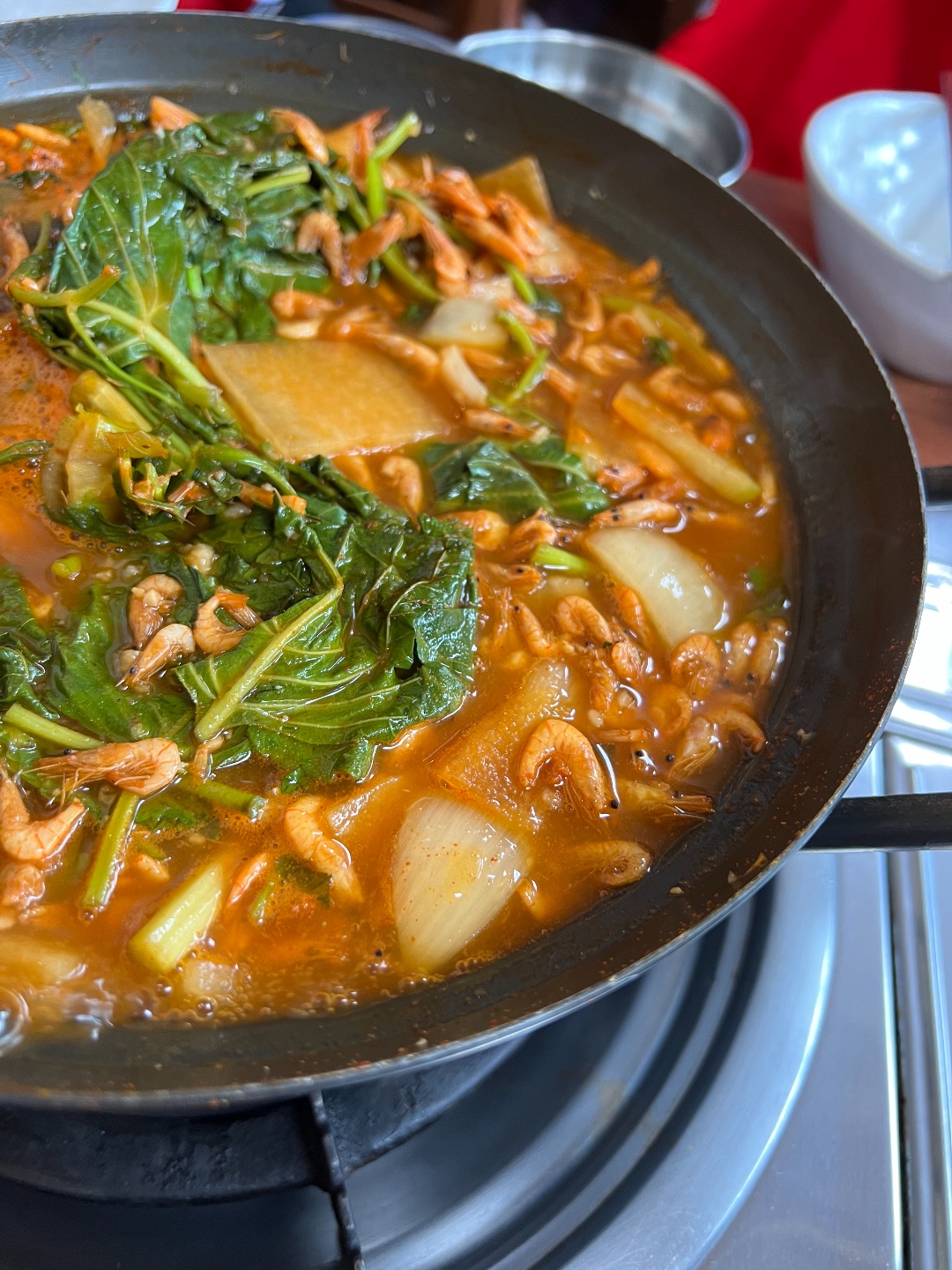 4
Dogane Spicy Fish StewA specialty restaurant serving spicy stews made with catfish, Chinese mitten crab, and freshwater shrimp.
4
Dogane Spicy Fish StewA specialty restaurant serving spicy stews made with catfish, Chinese mitten crab, and freshwater shrimp. -
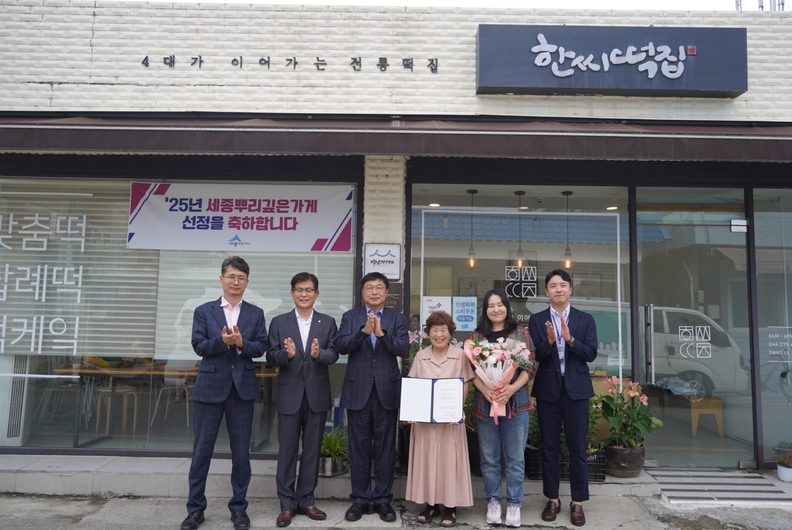 5
YongamgolA restaurant near Gobok Reservoir serving charcoal-grilled ribs and stone-grilled ribs.
5
YongamgolA restaurant near Gobok Reservoir serving charcoal-grilled ribs and stone-grilled ribs. -
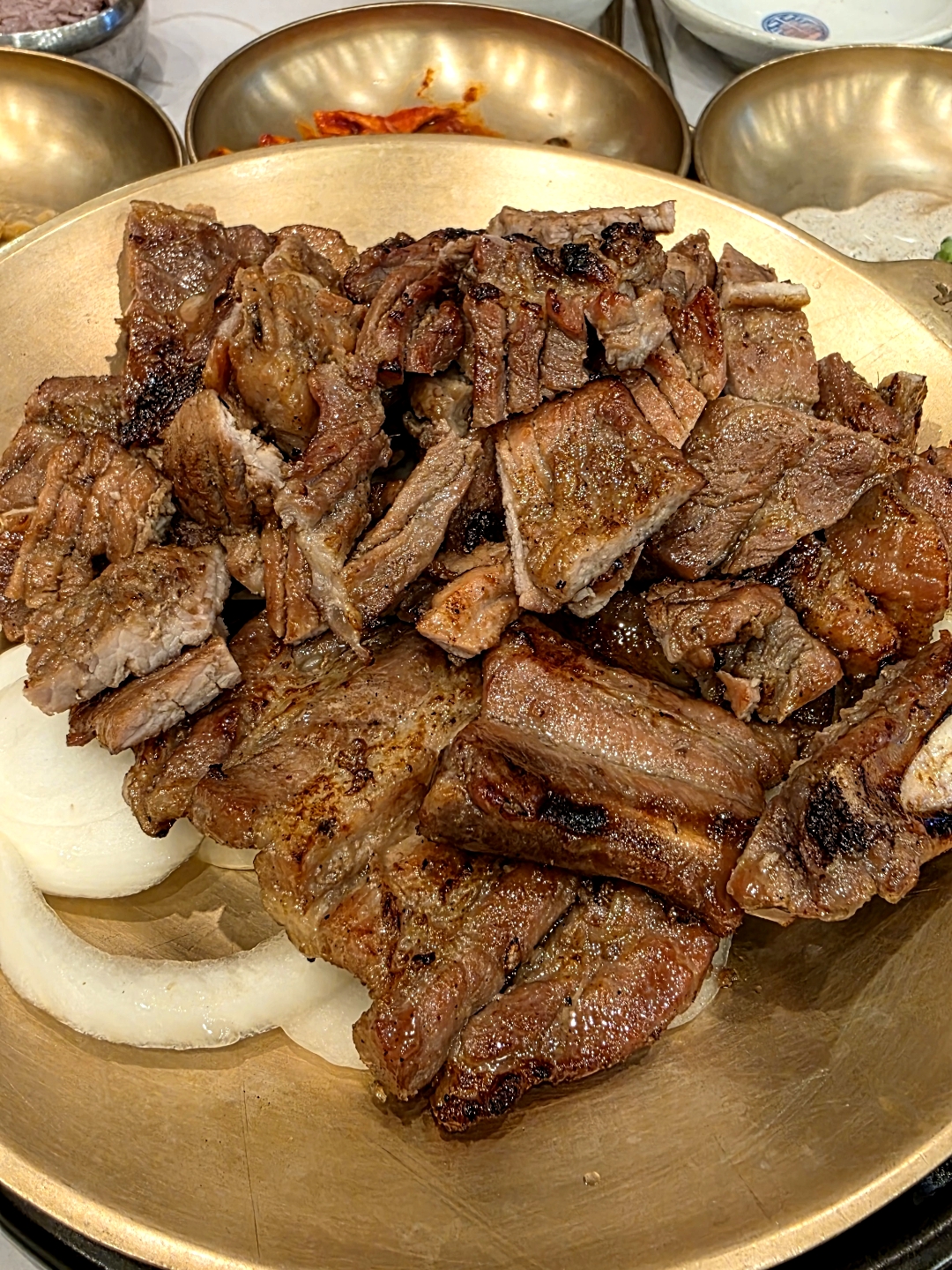 6
Sanjang GardenA Korean restaurant where you can enjoy charcoal-grilled pork ribs and naengmyeon together.
6
Sanjang GardenA Korean restaurant where you can enjoy charcoal-grilled pork ribs and naengmyeon together.
More Travel Guides in This Area
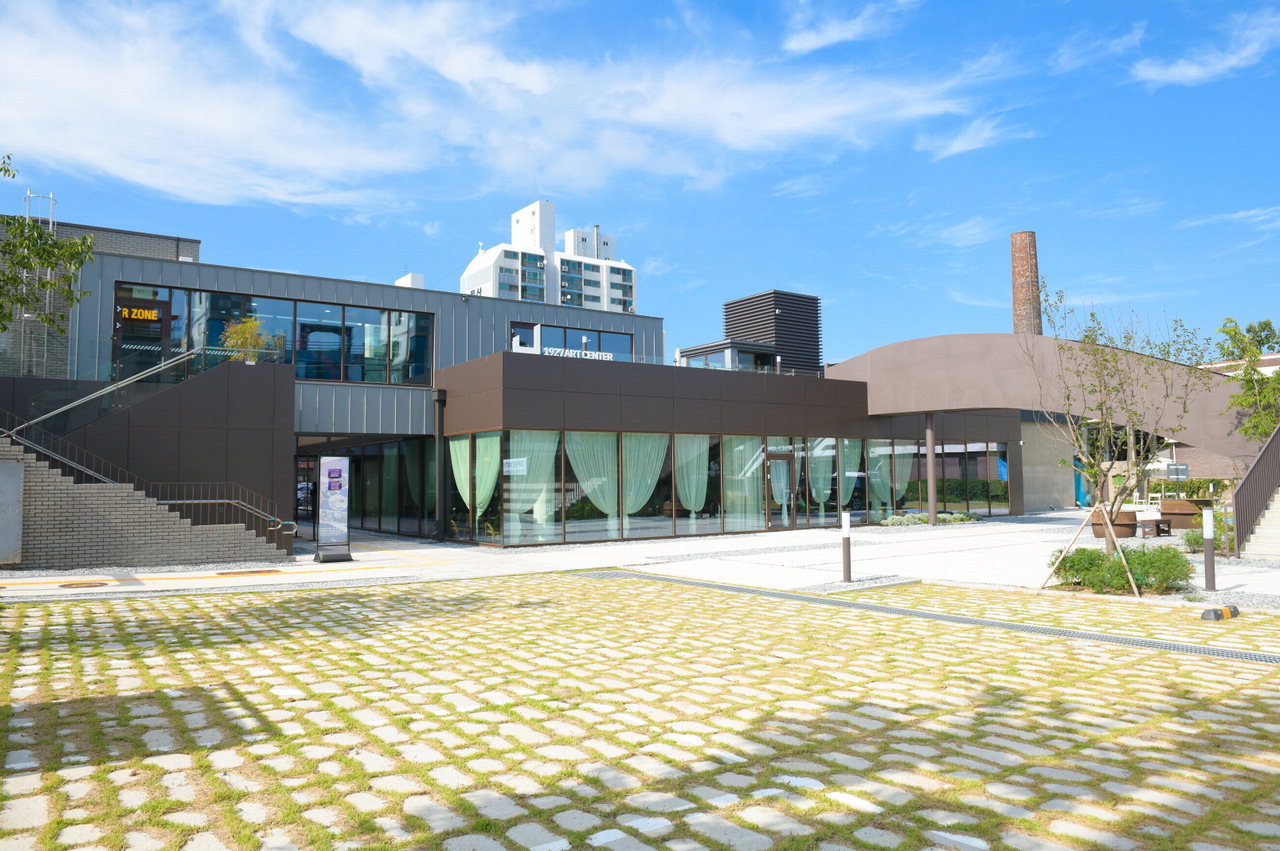 Travel Guide
Jochiwon 1927 Art Center: How a 100-Year-Old Silk Factory Became a Cultural Space
 Travel Guide
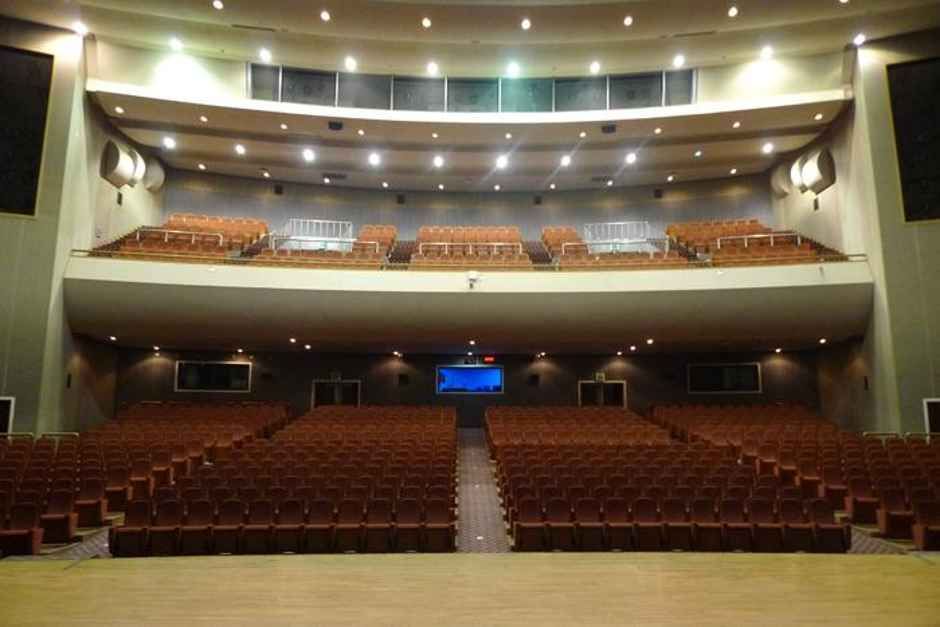
How to See a Performance at Sejong Culture and Arts Center, 22 Munyehoegwan-gil, Jochiwon
 Travel Guide
Sejong Bear Tree Park, Where More Than 100 Asiatic Black Bears Meet a 100,000-Pyeong Garden
 Travel Guide
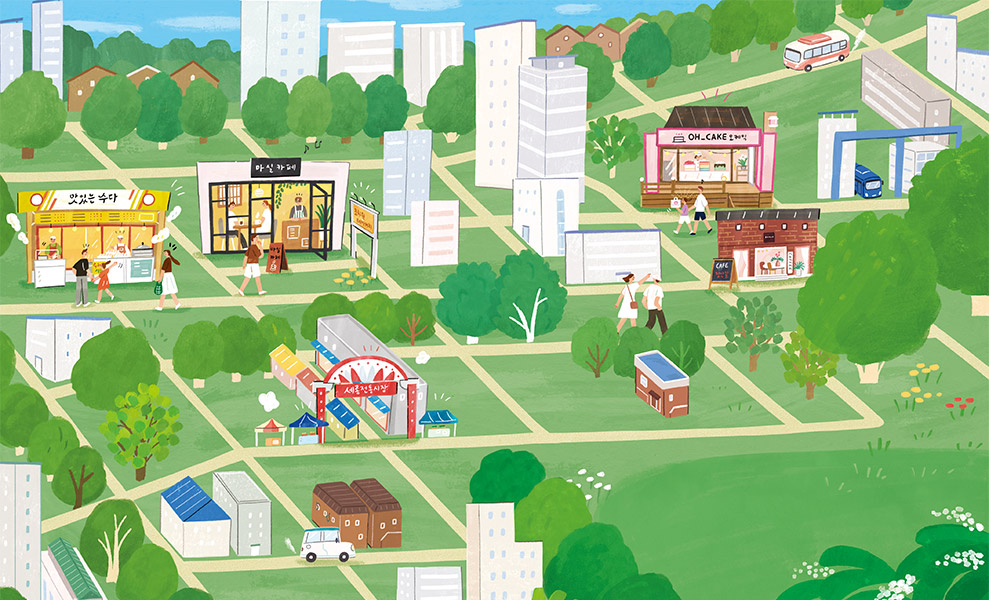
1970s Market Scene Revived in a 52-Meter Alley in Jochiwon
Korea News
 News
News
‘NewJeans Expulsion’ Danielle Releases Her First YouTube Video… “We Don’t Know What Will Happen Next”
![aespa’s North American Tour Has Remaining Seats Despite ‘$49’ Bargain Prices… A Stark Popularity Gap with KATSEYE [TEN Starfield]](https://kotourlive-images.s3.ap-northeast-1.amazonaws.com/news/1788485037424_a59b1932_naver_rank_thumb_0000774618_1788485037424.jpg) News
News
aespa’s North American Tour Has Remaining Seats Despite ‘$49’ Bargain Prices… A Stark Popularity Gap with KATSEYE [TEN Starfield]
![[Photo] TWICE’s Dahyun attends a film festival red carpet as an actress](https://kotourlive-images.s3.ap-northeast-1.amazonaws.com/news/1788485316508_edd43ecd_news_870a60a6-6f11-4d73-aa7c-48d91318a0f7.jpg) News
News
[Photo] TWICE’s Dahyun attends a film festival red carpet as an actress
![[On-Site Video] “We’re Departing Separately Together”… BIGBANG Begins ‘COSMOS’ World Tour](https://kotourlive-images.s3.ap-northeast-1.amazonaws.com/news/1788485226518_c5719641_news_fdd4764a-0f4e-4968-8e4e-e98a02872f88.jpg) News
News