Reading 600 Years of Sejong’s Education and Ritual Spaces at Yeongi Hyanggyo
Yeongi Hyanggyo is a local educational institution from the Joseon period, founded in 1417 and relocated to its current site in 1647. This guide outlines the visitor route and on-site restrictions, focusing on Myeongnyundang, Daeseongjeon, 23 stone monuments, the Hama Monument, and ginkgo trees.
I’ve been here?
Your check-in helps the next traveler.
23 people viewed this week Be the first
One tap — no writing needed
Founded in 1417 and Relocated to Its Present Site in 1647: Yeongi Hyanggyo
Yeongi Hyanggyo is introduced as the government-run educational institution of Yeongihyeon during the Joseon period, with a history of approximately 600 years. It was founded in 1417 west of present-day Yeongiri, relocated to its current location in 1647, and rebuilt several times since its foundation.
Along with Seonggyungwan in Seoul, hyanggyo were local government schools responsible for Confucian education and shrines honoring Confucius and Confucian sages. Yeongi Hyanggyo was designated Historic Monument No. 6 of Sejong Special Self-Governing City on December 31, 2012, and is classified as a Joseon-period historic building, educational and cultural heritage, educational institution, and hyanggyo.
Approach from Yeongi 2-ri Community Center Along the Stone-Walled Lane
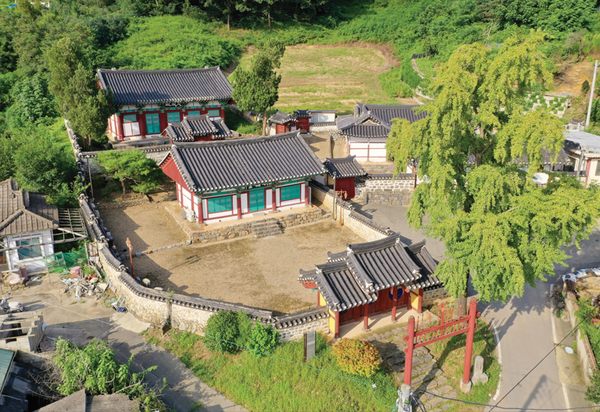
The address is 13 Gyochon 3-gil, Yeongi-myeon, Sejong Special Self-Governing City. It is near Living Area 6 of Sejong’s new city, and visitors from outside the area are advised to set Yeongi 2-ri Community Center as their destination and then approach the hyanggyo along the stone-walled lane.
Published materials do not provide the stop name, bus route number, transfer information, or walking distance. For those arriving by car, the described method is to use an open lot among the houses before entering, rather than driving directly in front of the hyanggyo; parking for approximately five cars is indicated.
No parking fee was found in the published materials, and there is no information on whether the stone-walled lane from the community center to the hyanggyo is suitable for wheelchairs or strollers, or what its slope, stairs, and surface are like. Visitors using mobility aids should take this into consideration.
Open at All Times and Free Admission, but the Interior Viewing Range Is a Separate Matter
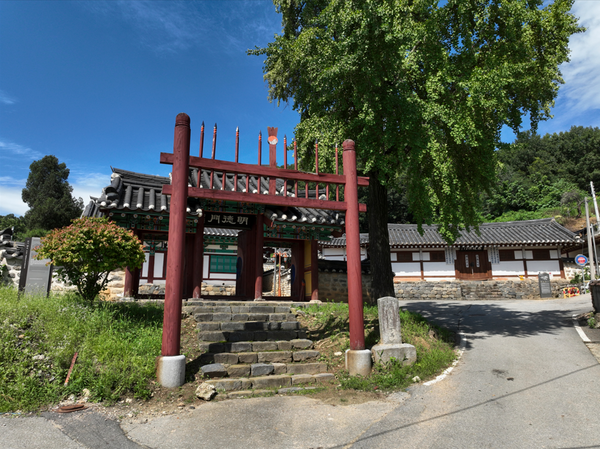
As of 2026, Yeongi Hyanggyo is listed as open at all times, with free admission. Some materials also describe it as open year-round, so visitors do not need to plan around a fixed closing day as they would for a tourist attraction that shuts on certain weekdays.
However, published materials do not specify opening and closing times, the admission cut-off time, the extent to which indoor and outdoor spaces are open, or whether access is controlled. The notice that it is open at all times should not be taken to mean that visitors may freely enter the interior of Daeseongjeon.
There is also no information about photography restrictions, cash-only payment, English information, or audio guides. When taking photographs, it is safest to first check the ritual areas and building interiors and follow any posted instructions.
A Jeonhak-humyo Layout Extending from the Main Gate to Daeseongjeon
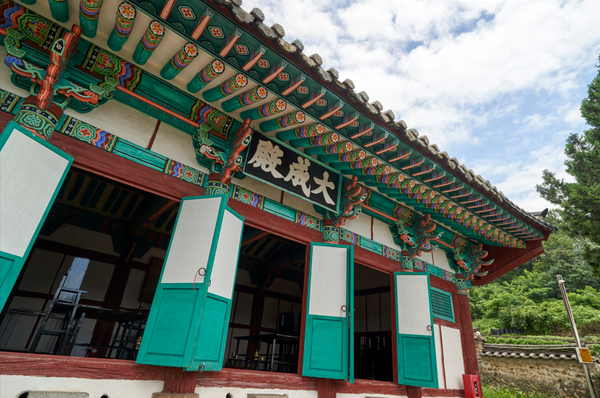
The layout of Yeongi Hyanggyo proceeds in the order of the main gate, Myeongnyundang, the lecture hall, the inner gate, and Daeseongjeon, the shrine. It follows the jeonhak-humyo format, placing student educational spaces in front and the shrine housing the spirit tablets of Confucian sages behind; the sequence of movement itself illustrates the relationship between education and ritual.
A horse-mounting stone stands at the entrance, and a ginkgo tree symbolizing Confucius’s Apricot Altar stands behind the outer gate. The red gate has three red doors painted with taegeuk patterns, while the eaves in various places are decorated with five-directional multicolored dancheong.
The total area is 3,035 square meters, comprising a designated area of 2,579 square meters and a protected area of 456 square meters. Considering the scale and layout together shows that this is not merely a place to view a single building, but a Confucian facility whose educational, ritual, and administrative functions were separated.
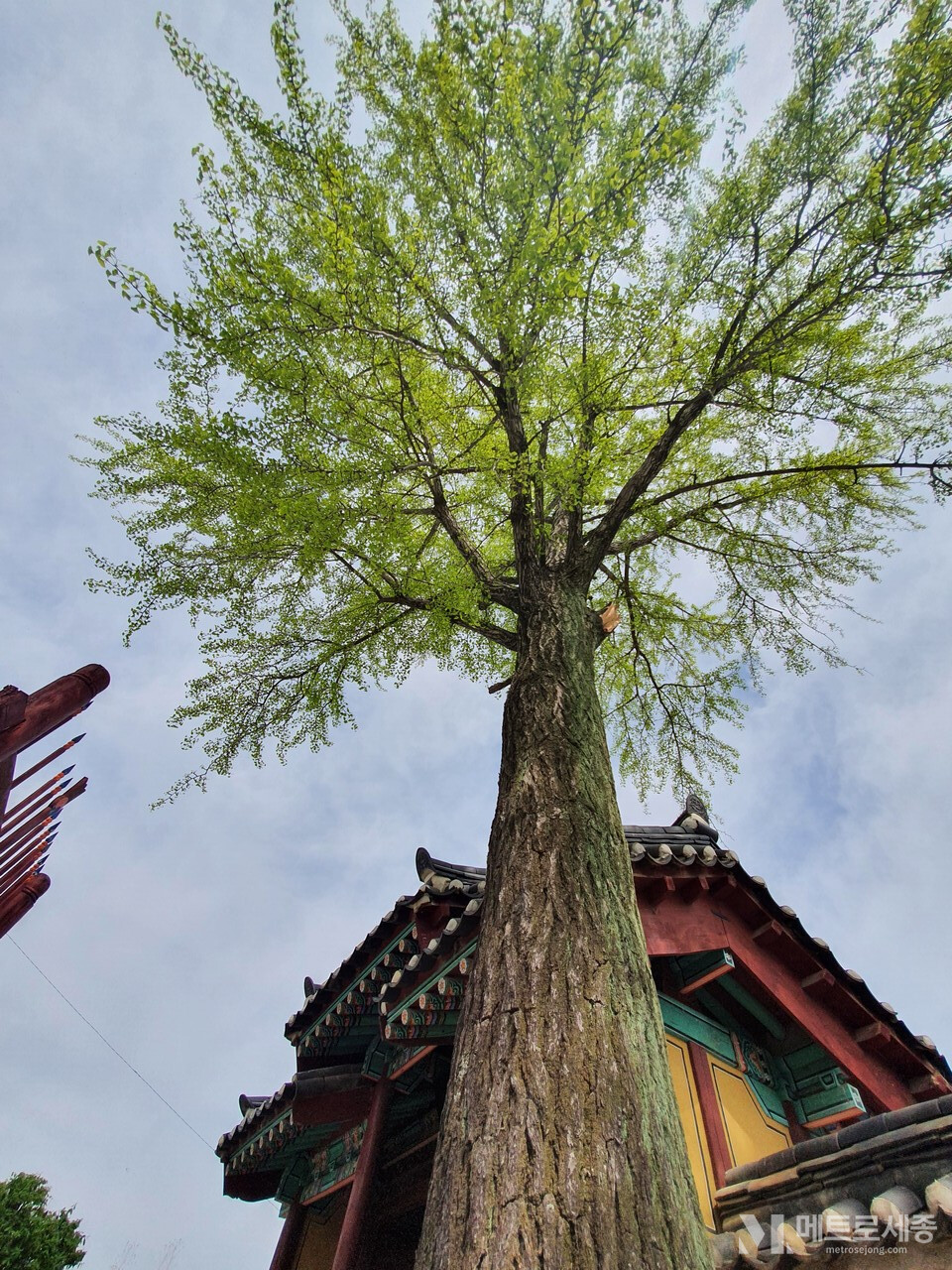
Traces of Local Administration Read in the 23 Stele before Myeongnyundang
Myeongnyundang measures three bays across the front and three bays along the side and was a lecture space where students studied and discussed academic subjects. It is a suitable building for understanding the explanation that hyanggyo education during the Joseon period occupied an intermediate stage between village schools and Seonggyungwan.
A total of 23 steles stand in the courtyard in front of Myeongnyundang. They consist of one Cheokhwabi stele warning against the invasion of Western powers in the late nineteenth century and 22 Seonjeongbi steles commemorating the achievements of local officials.
Visitors should therefore take time to examine the group of steles in front of Myeongnyundang rather than simply viewing the exteriors of the buildings and leaving. The total of 23, consisting of one Cheokhwabi and 22 Seonjeongbi, shows that the educational space in the Yeongi area also preserves memories of local administration and the transition into the modern period.
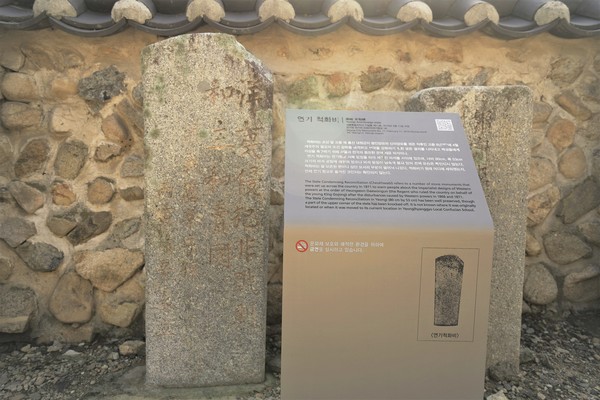
The Five Sages, Four Song-Dynasty Worthies, and Eighteen Eastern Sages of Daeseongjeon
Daeseongjeon is a ritual space measuring five bays across the front and three bays along the side. Spirit tablets of Confucius, four other Chinese sages and four worthies, and 18 Korean sages were enshrined here; other guidance describes it as housing the tablets of the Five Sages, Four Song-Dynasty Worthies, and Eighteen Eastern Sages.
The area behind or inside Daeseongjeon is not a classroom like Myeongnyundang but an area for rituals. The division between Myeongnyundang and Daeseongjeon, separated by the inner gate, spatially reveals that the hyanggyo served both school and Confucian shrine functions.
Published materials do not state whether entry into the interior of Daeseongjeon is permitted or whether viewing is restricted during rituals. The information about all-time opening and free admission concerns access to the grounds; it should not be confused with unrestricted entry into the space where spirit tablets are enshrined.
Ritual Preparations Revealed by Jegigo and Jeonsacheong
Jegigo and Jeonsacheong stand to the right of Daeseongjeon. Jegigo is a storehouse for vessels and implements used in rituals, while Jeonsacheong is the space where the official in charge of ritual goods stayed and oversaw the rites.
These two buildings show that storing supplies and preparing rituals before ceremonies were held at Daeseongjeon were separate functions. With Jegigo and Jeonsacheong added to the central route of the main gate, Myeongnyundang, inner gate, and Daeseongjeon, the operating structure of the educational institution and Confucian shrine becomes more concrete.
Materials held by the hyanggyo are introduced as including student rosters and hyanggyo regulations, as well as lists of local aristocratic families living in the Yeongi area in the seventeenth century and village compact materials. In addition to the buildings, records documenting educational participants and the rules of the local community form part of Yeongi Hyanggyo’s historical value.
Seokjeondaeje in the Second and Eighth Lunar Months and Current Educational Programs
Every year, Yeongi Hyanggyo holds Seokjeondaeje on the designated day in the second and eighth lunar months. A tradition of performing incense-offering or first-and-fifteenth-day rites for the ancient sages on the first and fifteenth days of each lunar month is also described, making this a place whose significance is not limited to specific event dates but where rituals continue.
Examples of current programs include instruction in the Analects, the Myeongsimbogam, and the Thousand Character Classic. One example of the traditional culture program is organized into four areas: the Four Seasons of the Hyanggyo, Hyanggyo Culture College, Studying Confucianism in Sejong, and Traditional Rites. Seasonal programs included spring hwajeon play, a summer hyanggyo music journey, an autumn hyanggyo village visit, and a winter traditional-culture humanities concert.
Event examples included traditional games, tteok pounding, archery, and heritage treasure hunts, along with indoor games such as Ssangyuk, Seunggyeongdo, Gonu, and Seubryedo. There have also been wood-carving classes for people aged 65 and over and janggu classes for young people during school vacations, so ordinary sightseeing and program participation should be considered separately.
Telephone Inquiries and Practical Preparation before Visiting
The main telephone number for Yeongi Hyanggyo is 044-866-3677, and the fax number is 044-863-4219. The official information website is https://xn--vb0b83rv0cqthdm4a.kr/hyanggyo, and the address is 13 Gyochon 3-gil, Yeongi-myeon, Sejong Special Self-Governing City.
Published materials do not specify a recommended viewing time. The stop name, bus route number, transfer information, and exact walking distance for public transportation have also not been confirmed. Foreign visitors coming to Sejong for the first time should enter the address or Yeongi 2-ri Community Center into a map app and plan the final walking section separately.
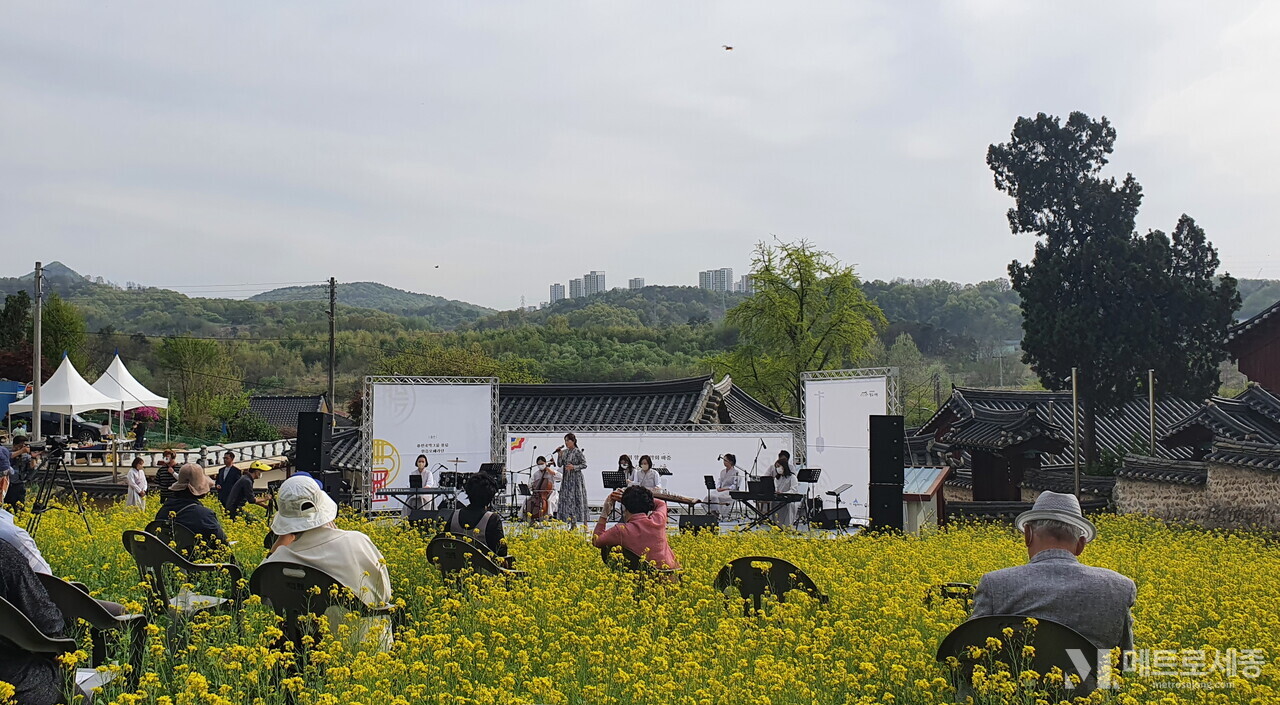
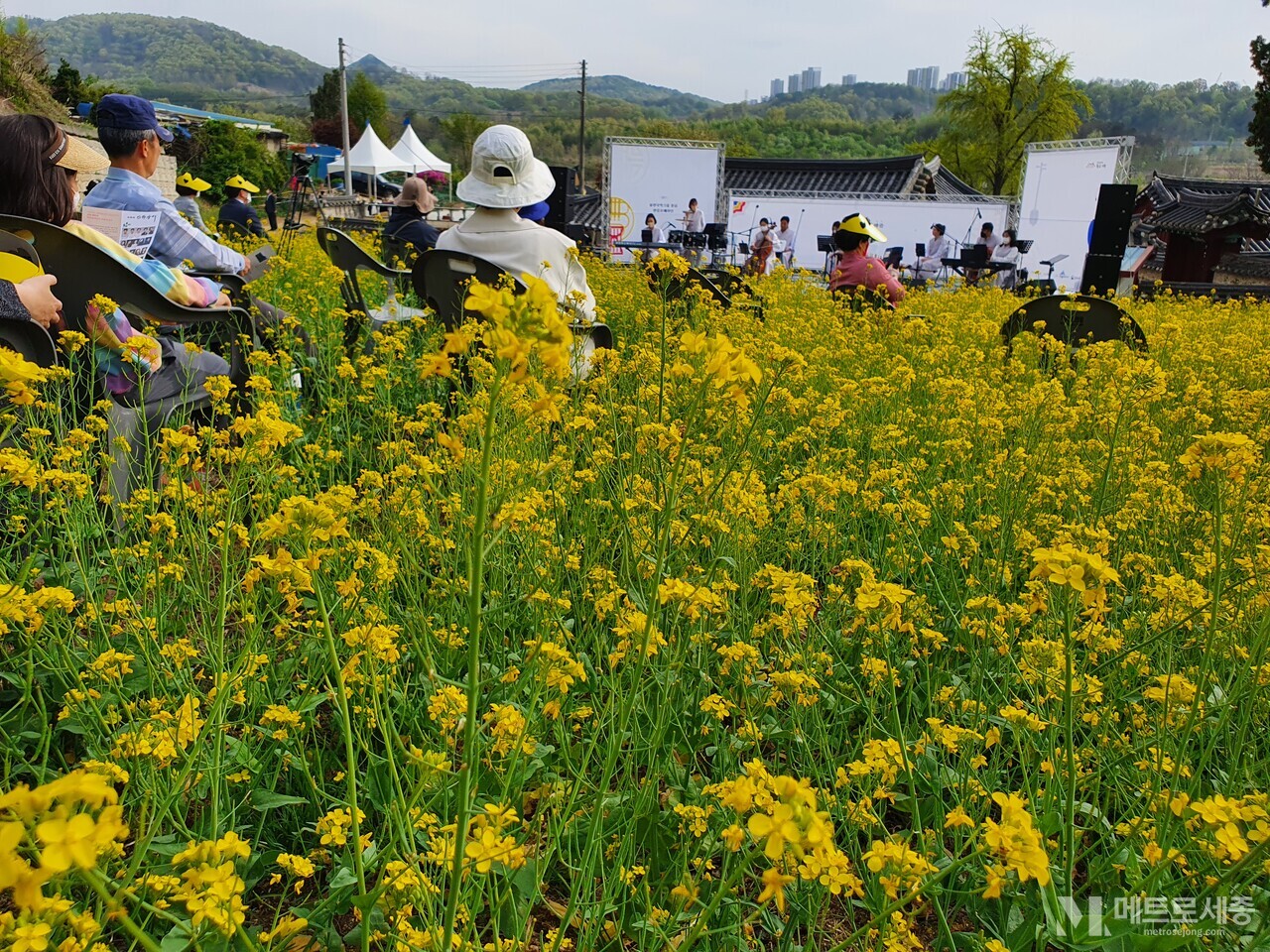
Information indicates that approximately 200 members of the Confucian community are carrying on the tradition. On April 23, 2022, an event titled “Welcoming the Four Seasons of the Hyanggyo” and the 8th Hyanggyo Concert were held from 10 a.m. If visiting to attend an event, the schedule, admission method, and use of the spaces may differ from those for general sightseeing.
Before You Go
- Address
- 13 Gyochon 3-gil, Yeongi-myeon, Sejong Special Self-Governing City
- Hours
- Open at all times
- Closed
- Open year-round
- Admission
- Free
- Phone
- 044-866-3677
- Official site
- https://xn--vb0b83rv0cqthdm4a.kr/hyanggyo
- Transport
- An approach route walking along the stone-walled lane from Yeongi 2-ri Community Center is described, but the stop name, bus route number, and walking distance could not be confirmed.
- Parking
- Parking available. Space for approximately five cars is indicated, but the parking fee could not be confirmed in published materials. Visitors are directed to an open lot among the houses before entering, rather than directly in front of the hyanggyo.
- Accessibility
- An approach route along the stone-walled lane from Yeongi 2-ri Community Center is described. The slope, stairs, and wheelchair accessibility could not be confirmed.
The information above is current as of the time of writing. Check the official information again before visiting.

Places
Nearby Attractions 3
-
 1
1
-
 2
2
-
 3
3
Food & Dining 2
-
 4
4
-
 5
5
More Travel Guides in This Area
 Travel Guide
Sejong National Children’s Museum: From Time-Slot Reservations to the Baby Forest
 Travel Guide
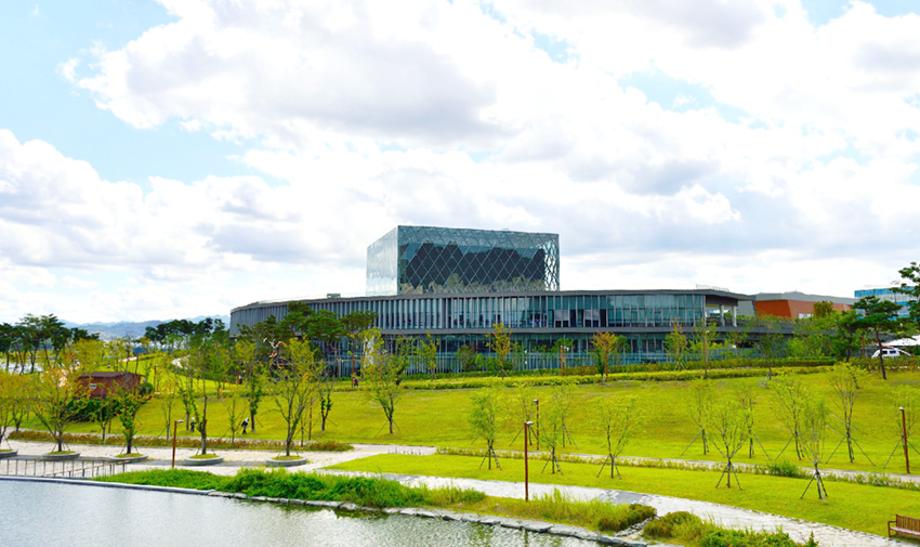
250 Dasom-ro, Records of Korean Presidents in a Glass Cube — Presidential Archives
 Travel Guide
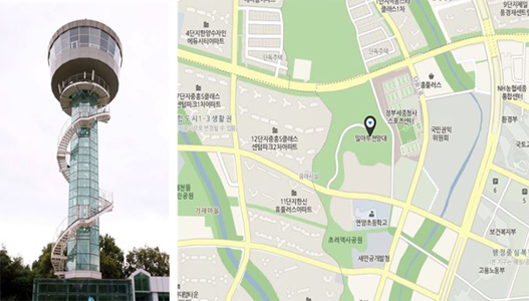
Sejong’s Administrative City Seen from a 42m Glass Elevator at Millmaru Observatory
 Travel Guide
Sejong Bear Tree Park, Where More Than 100 Asiatic Black Bears Meet a 100,000-Pyeong Garden
Korea News
 News
News
‘NewJeans Expulsion’ Danielle Releases Her First YouTube Video… “We Don’t Know What Will Happen Next”
![aespa’s North American Tour Has Remaining Seats Despite ‘$49’ Bargain Prices… A Stark Popularity Gap with KATSEYE [TEN Starfield]](https://kotourlive-images.s3.ap-northeast-1.amazonaws.com/news/1788485037424_a59b1932_naver_rank_thumb_0000774618_1788485037424.jpg) News
News
aespa’s North American Tour Has Remaining Seats Despite ‘$49’ Bargain Prices… A Stark Popularity Gap with KATSEYE [TEN Starfield]
![[Photo] TWICE’s Dahyun attends a film festival red carpet as an actress](https://kotourlive-images.s3.ap-northeast-1.amazonaws.com/news/1788485316508_edd43ecd_news_870a60a6-6f11-4d73-aa7c-48d91318a0f7.jpg) News
News
[Photo] TWICE’s Dahyun attends a film festival red carpet as an actress
![[On-Site Video] “We’re Departing Separately Together”… BIGBANG Begins ‘COSMOS’ World Tour](https://kotourlive-images.s3.ap-northeast-1.amazonaws.com/news/1788485226518_c5719641_news_fdd4764a-0f4e-4968-8e4e-e98a02872f88.jpg) News
News