250 Dasom-ro, Records of Korean Presidents in a Glass Cube — Presidential Archives
The Presidential Archives, a glass cube-shaped building beside Sejong Lake Park, is an institution under the Ministry of the Interior and Safety that collects and preserves documents, photographs, videos, and gifts from Korea’s former presidents. It moved from Seongnam to Sejong in 2015 and opened in 2016. The permanent exhibition is free to visit Tuesday through Sunday, from 10:00 to 18:00.
I’ve been here?
Your check-in helps the next traveler.
11 people viewed this week Be the first
One tap — no writing needed
The 2007 Presidential Records Management Act and the Decisions Left by the Roh Moo-hyun Administration
One law lies behind the creation of the Presidential Archives. Before the Participatory Government, sensitive records were sometimes destroyed or privately removed when presidents left office. To prevent this, the Presidential Committee on Government Innovation prepared the National Records Management Innovation Roadmap in 2005, revised the Public Records Management Act in 2006, and enacted the Presidential Records Management Act in 2007.
Under this law, the state owns presidential records and is responsible for managing them. On January 22, 2008, shortly before leaving office, President Roh Moo-hyun personally visited the Presidential Archives located at the National Archives in Seongnam at the time. This reflected the fact that the Participatory Government left an exceptionally vast quantity of records compared with previous administrations. Subsequent administrations have also transferred records produced during their terms to this institution upon leaving office in accordance with the law.
From the Seongnam Seoul Archives to 250 Dasom-ro in Sejong — The 2013–2016 Relocation
The Presidential Archives was first established inside the National Archives in Seongnam in December 2007. As Sejong Special Self-Governing City developed into an administrative hub city, construction of the new Sejong City government complex began in April 2013 and was completed in April 2015. The facility occupies a site of 27,998 square meters, has a total floor area of 25,000 square meters, consists of four floors above ground and two basement levels, and cost a total of 109.4 billion won to build.
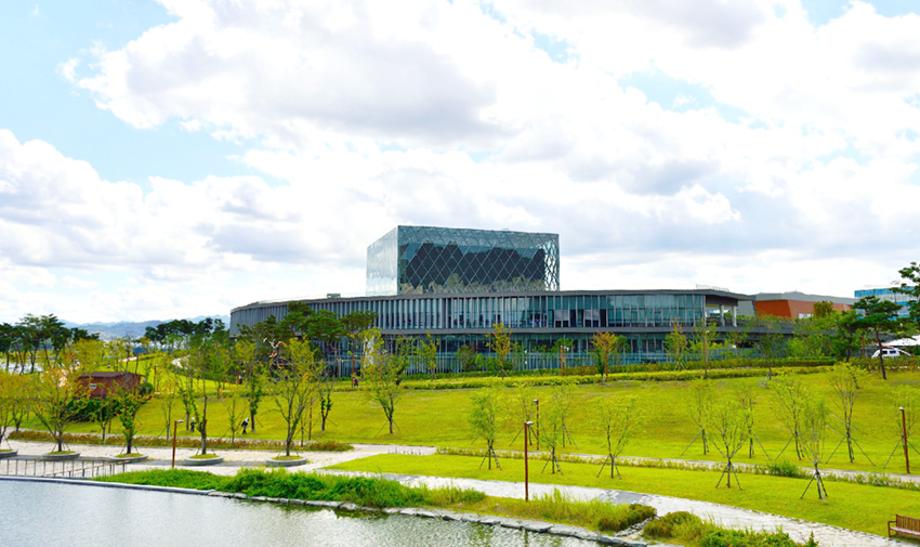

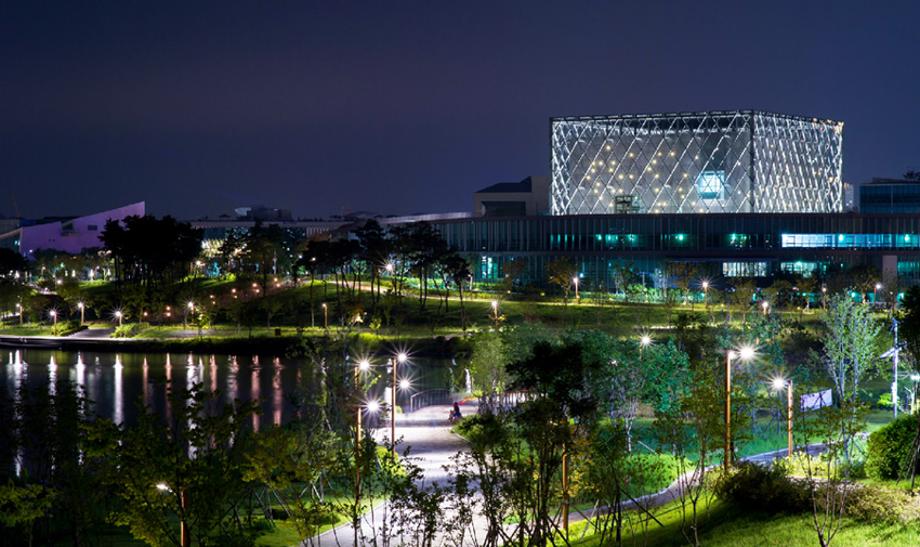
Over the course of November 2015, the records held at the Seongnam Seoul Archives were transferred to Sejong City, and the official opening ceremony was held on January 14, 2016. The building is described as Korea's first glass cube building, designed around the theme “A Walk Through Records,” with its form inspired by a chest used to store royal seals. Originally affiliated with the National Archives, the institution was transferred to the Ministry of the Interior and Safety in March 2021 and remains under its jurisdiction today.
Tuesday–Sunday, 10:00–18:00; Closed Mondays — Visiting and Reservation Information
The permanent exhibition hall operates from 10:00 to 18:00 Tuesday through Sunday. Last admission is at 17:30, and viewing ends at 17:50. It is closed every Monday, on public holidays including substitute holidays, and on days designated separately by the director. Children’s Day is an exception, and the museum opens on that day. Admission is free. All areas inside the exhibition hall are nonsmoking, and bringing food or drinks inside is prohibited. Pets other than service dogs are not permitted, and lost items are kept at the information desk for two weeks before being discarded.
Visitors who want an exhibition tour can apply for one of three sessions at 10:00, 14:00, or 15:00. The 14:00 session is not offered on weekends. Tour reservations are limited to 15 people per session, same-day reservations are not accepted, and reservations are automatically canceled if visitors have not arrived within 10 minutes of the scheduled time. Families with children should also consider the Children’s Experience Center. It operates three sessions a day from Tuesday through Sunday (10:00–11:30, 13:30–15:00, and 16:00–17:30), with up to 40 participants per session. Admission is generally limited to visitors with advance online reservations, while on-site registration is available only when the session is not full. Note also that strollers cannot be brought inside the experience center.
The specialized library, which houses books related to presidents, is located in the office building across the skybridge on the first floor of the exhibition hall. It is open from 09:00 to 18:00 and closed on Saturdays, Sundays, and public holidays. For inquiries, call 044-211-2000 (ARS) or 044-211-2181 (exhibition tours). Matters related to the reading room can be addressed at 044-211-2256.
From Banseok Station Exit 6 by 990 BRT — Public Transportation Access
Take a train bound for Banseok on Daejeon Metro Line 1 and get off at Banseok Station. Exit through Exit 6 to transfer to the 990 BRT. Get off at the Government Complex Sejong South Gate stop, walk approximately 1 km toward the National Library of Korea, Sejong, then continue about 300 m along the left side of Sejong Lake to arrive. From the South Transfer Terminal stop near Sejong Express and Intercity Bus Terminal, you can also take the 990 BRT or bus 751 and get off at the same stop.
If departing from the bus terminal, routes 550, 551, 601, and 602 also connect to the Government Complex Sejong stop, after which the walking route is the same. Sejong City's Transportation Information Center website provides information on city buses, BRT routes, and real-time locations.
From the Cadillac Official Car on the First Floor to the Library on the Fourth Floor — Exhibition Layout by Floor
According to Sejong City promotional materials from 2016, a Cadillac used as a presidential official car from 1992 to 2009 stands at the exhibition hall entrance. The building is arranged by floor into the Presidential History Gallery, Presidential Experience Gallery, Presidential Records Gallery, Presidential Symbols Gallery, library, and reading room.
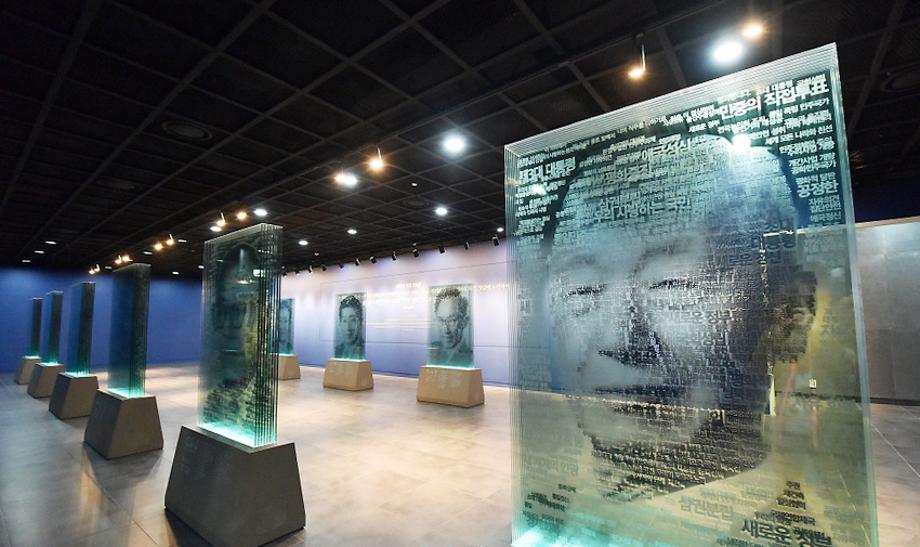
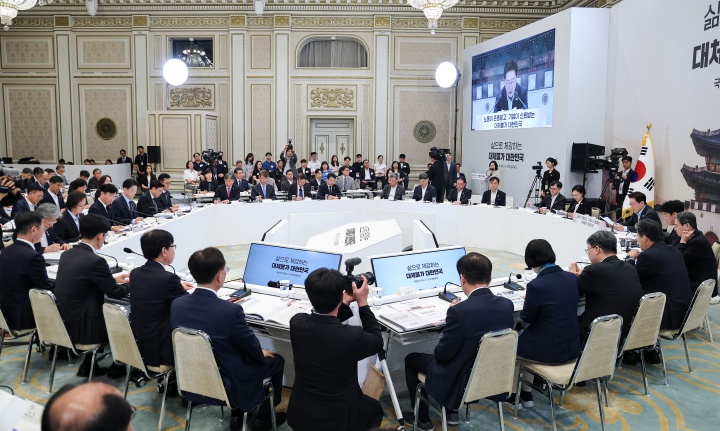
In the Presidential Symbols Gallery on the first floor, visitors can see glass figures of former presidents from Syngman Rhee, the first president, through President Lee Myung-bak, the 17th president. The Presidential Records Gallery on the second floor includes a records process corner showing how records are collected and managed. A 2016 visitor account also mentions a space on the third floor recreating the presidential office and reception room, an exhibition of souvenirs from overseas trips, and an interactive area.
More Than 19 Million Records — What Has Been Preserved?
According to statistics compiled in the Digital Sejong City Cultural Encyclopedia, the Presidential Archives preserves 1,896,378 electronic documents, 1,749,493 nonelectronic documents, 3,949,104 audiovisual documents, 16,865 administrative artifacts, 9,223,949 administrative information datasets, 14,448,213 web records, and 38,505 publications and books.

The figures vary considerably by administration. As of December 31, 2022, records from President Roh Moo-hyun amounted to approximately 7.875 million items, more than the approximately 1.493 million items from all previous administrations combined. This can be seen as the result of the systematization of procedures for producing and transferring records after the 2007 law was enacted.
An Itinerary Combined with Sejong Lake Park
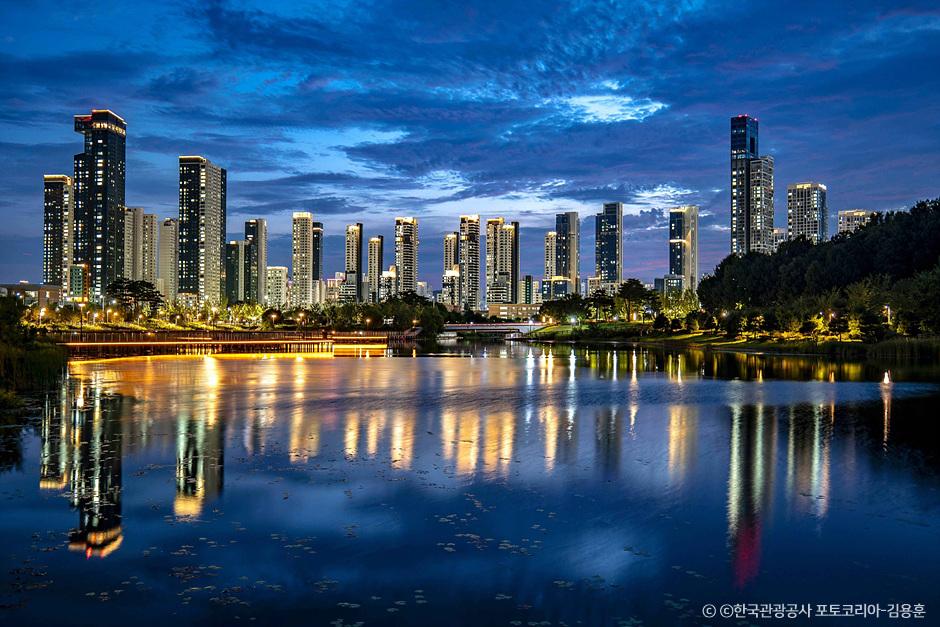
The Presidential Archives is located right beside Sejong Lake Park, and viewing the glass cube building from the park’s walking trail is often presented as an attraction in its own right. A Sejong City resident introduction has also recommended walking around the lake park together with the Presidential Archives, noting that the view of the building from the park is impressive.
Official Sejong City promotional materials from 2016 also identified the building as a night-view photography spot and mentioned that fireworks had been held there during festival periods. However, these descriptions refer to specific points in the past, so visitors should check announcements from Sejong City or the Presidential Archives before visiting to confirm whether the same events are currently held.
It May Not Be Suitable for Everyone
The Presidential Archives exhibition was designed on the principle that it should not make historical judgments. According to the basic exhibition direction published in the National Archives White Paper, the target level was intended to be understandable to fifth- and sixth-grade elementary school students and middle school students, with an emphasis on presenting facts as they are through objective records. Visitors expecting in-depth political analysis or controversial interpretations of a particular president or administration may find it difficult to find as much detail as they want in the permanent exhibition.
Visitors planning an outing with pets should remember that animals cannot enter the exhibition hall at all unless they are service dogs. Families with young children who plan to use the experience center should also note that strollers cannot be taken inside. Conversely, the Children’s Experience Center and educational programs are useful for families who want activities such as role-playing as presidents, experiencing election procedures, or creating their own calligraphy.
Before You Go
- Address
- 250 Dasom-ro, Sejong Special Self-Governing City (Eojin-dong)
- Hours
- 10:00–18:00, open Tuesday–Sunday (last admission 17:30, viewing ends 17:50)
- Closed
- Every Monday, public holidays including substitute holidays, and days designated by the director of the Presidential Archives ※ Open on Children’s Day
- Admission
- Free
- Phone
- 044-211-2000 (main line, ARS) / 044-211-2181 (exhibition tour inquiries)
- Official site
- https://www.pa.go.kr
- Transport
- Transfer to the 990 (BRT) at Exit 6 of Banseok Station on Daejeon Metro → Get off at the Government Complex Sejong South Gate stop → Walk approximately 1 km toward the National Library of Korea, Sejong, then about 300 m along the left side of Sejong Lake / From Sejong Express and Intercity Bus Terminal, take buses 550, 551, 601, or 602, or the 990 (BRT) or 751, and get off at Government Complex Sejong
- Time needed
- Approximately 1 hour for the permanent exhibition; 60 minutes per Children’s Experience Center session
The information above is current as of the time of writing. Check the official information again before visiting.

Places
Nearby Attractions 5
-
 1
1
-
 2
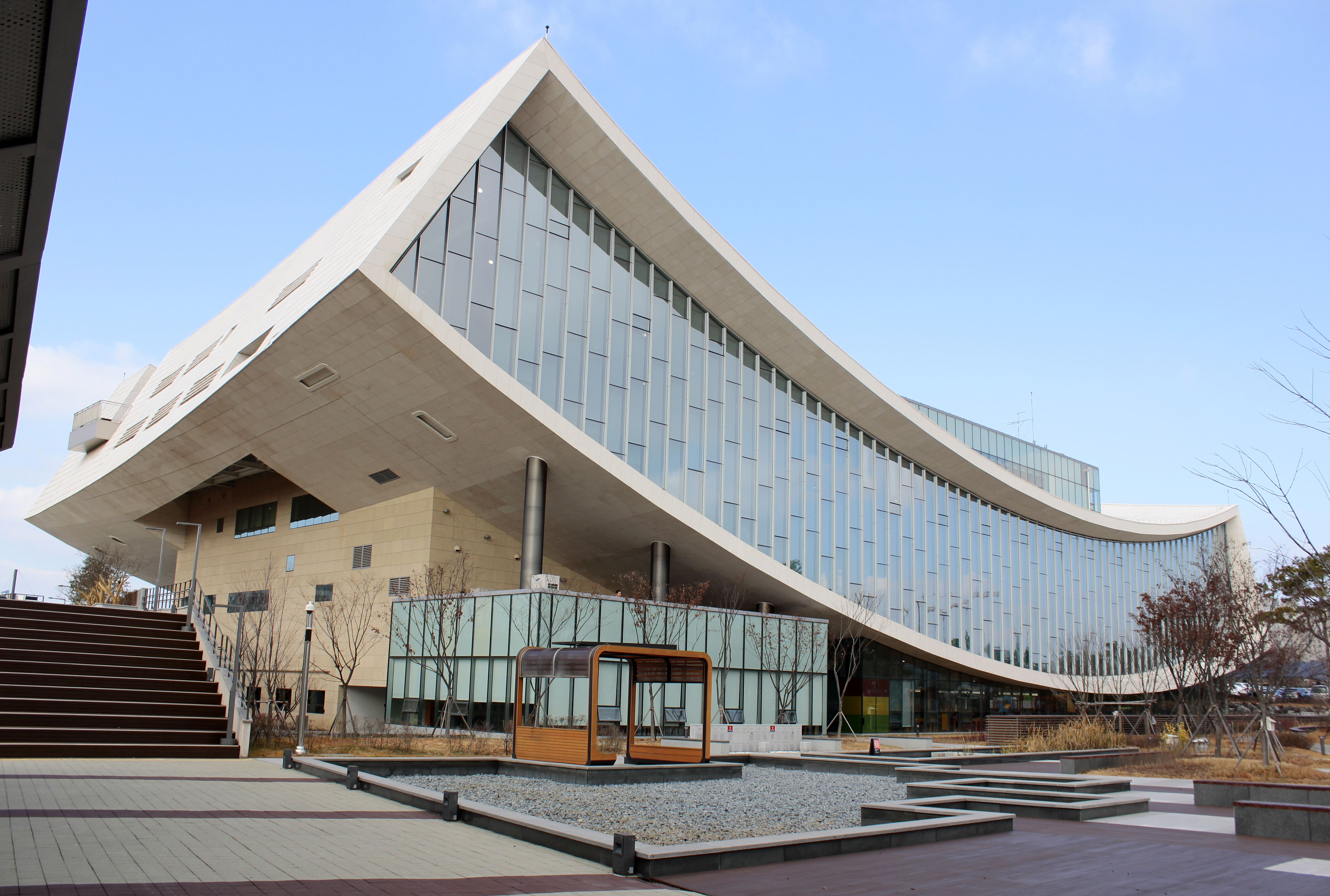
National Library of Korea, SejongA library where you can explore unique architecture and a diverse collection of materials
2
National Library of Korea, SejongA library where you can explore unique architecture and a diverse collection of materials -
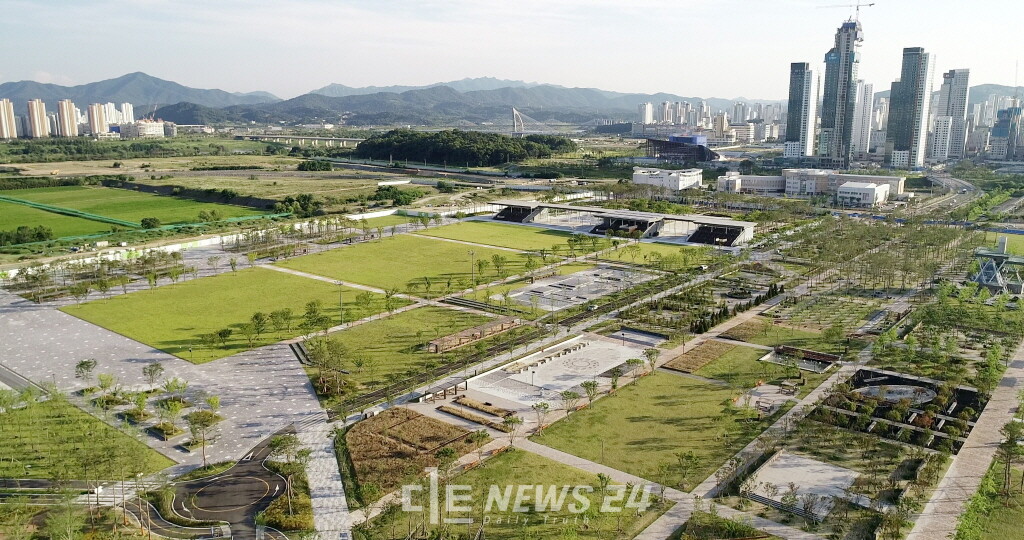 3
Sejong Central ParkA park where you can enjoy gardens, sports facilities, and family leisure spaces
3
Sejong Central ParkA park where you can enjoy gardens, sports facilities, and family leisure spaces -
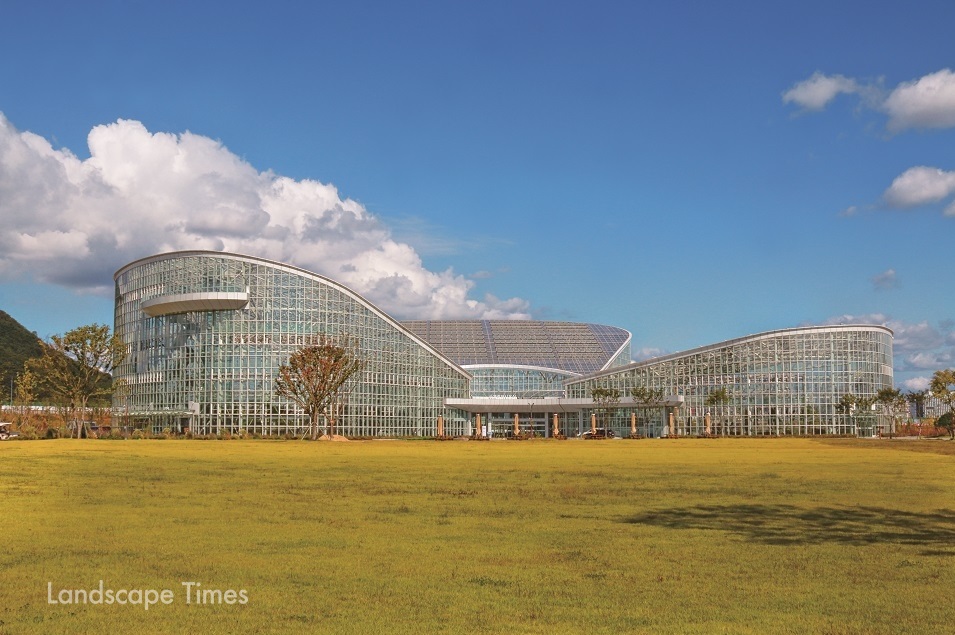 4
National Sejong ArboretumA large arboretum where visitors can enjoy themed gardens and plants
4
National Sejong ArboretumA large arboretum where visitors can enjoy themed gardens and plants -
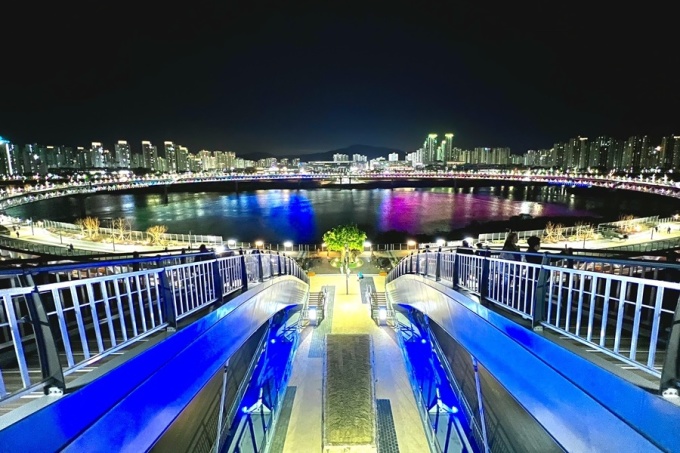 5
Geumgang Pedestrian BridgeA place to enjoy the night view while walking along the circular pedestrian bridge over the Geumgang River.
5
Geumgang Pedestrian BridgeA place to enjoy the night view while walking along the circular pedestrian bridge over the Geumgang River.
Food & Dining 2
-
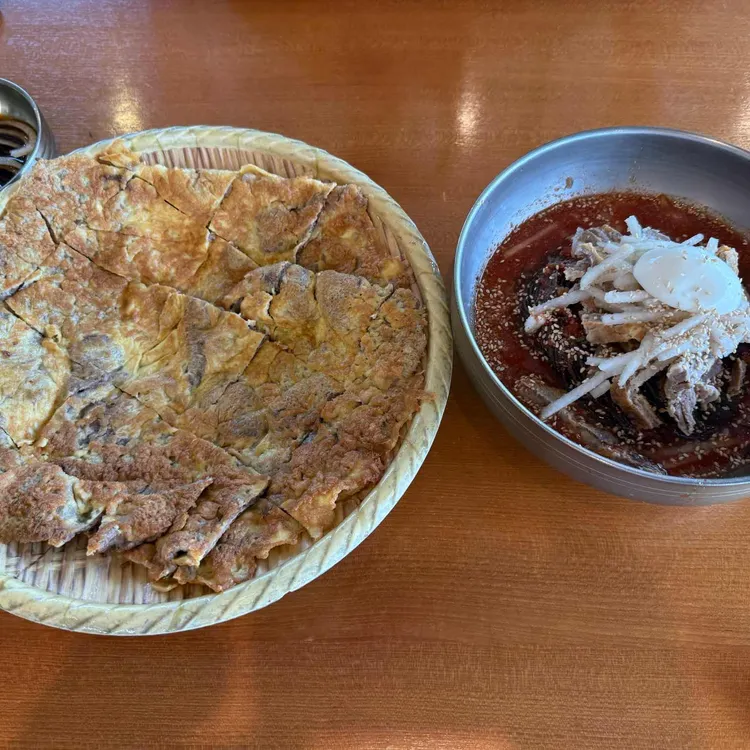 6
Jinju Naengmyeon NamgaokA restaurant specializing in Jinju-style cold noodles topped with yukjeon garnish.
6
Jinju Naengmyeon NamgaokA restaurant specializing in Jinju-style cold noodles topped with yukjeon garnish. -
 7
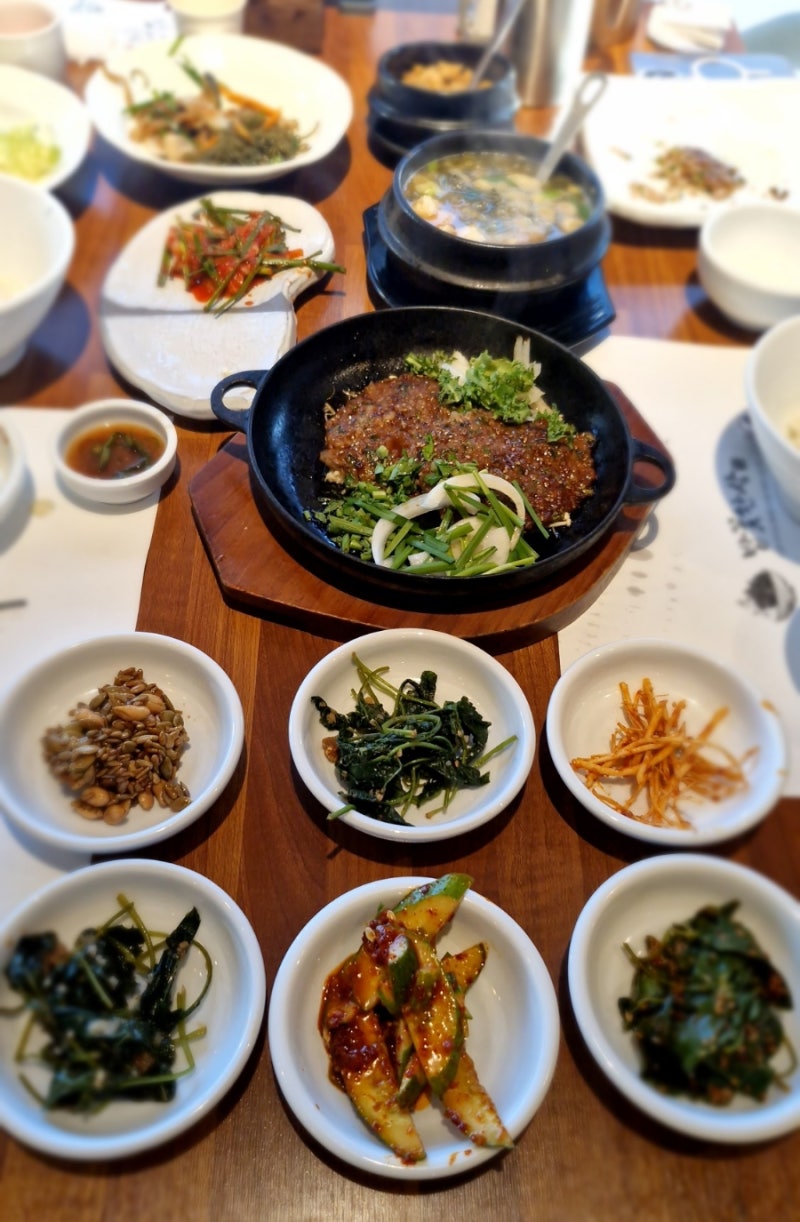
Bapkkot HansangA restaurant specializing in refined Korean set meals served with a variety of side dishes.
7
Bapkkot HansangA restaurant specializing in refined Korean set meals served with a variety of side dishes.
More Travel Guides in This Area
 Travel Guide
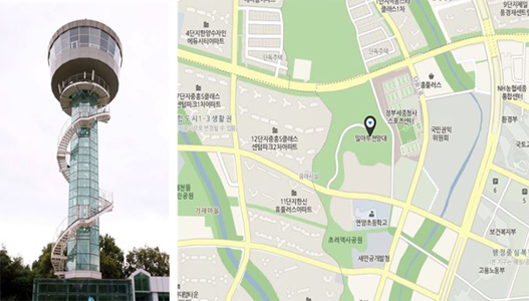
Sejong’s Administrative City Seen from a 42m Glass Elevator at Millmaru Observatory
 Travel Guide
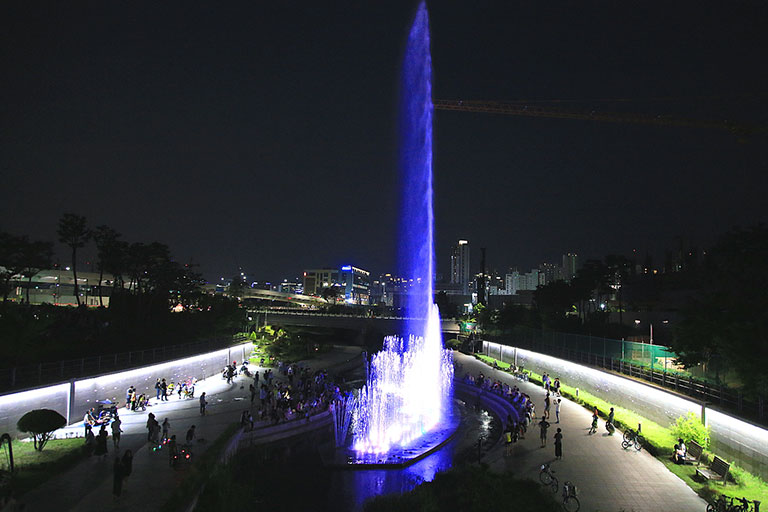
Meet Sejong’s Summer Nights for 20 Minutes at Bangchukcheon Musical Fountain
 Travel Guide
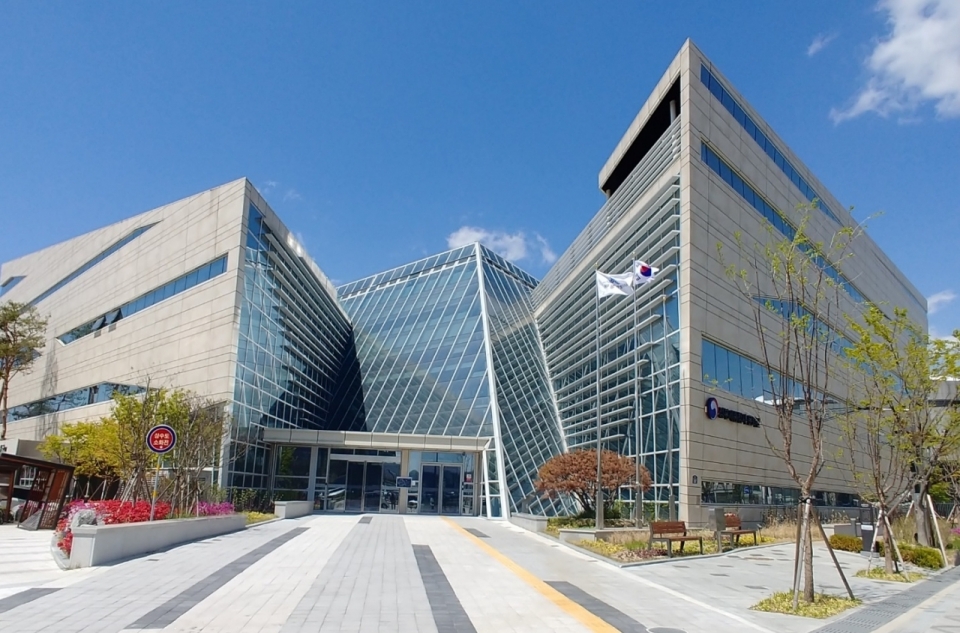
Park Yeon Cultural Center
 Travel Guide
Sejong National Children’s Museum: From Time-Slot Reservations to the Baby Forest
Korea News
![Did Jang Won-young ‘break up’? From the airport to social media, she was decked out in Brand D [MD Issue]](https://kotourlive-images.s3.ap-northeast-1.amazonaws.com/news/1790644492843_025fcab4_news_06d49363-285b-4cd5-93e3-ace2c4344710.jpg) News
News
Did Jang Won-young ‘break up’? From the airport to social media, she was decked out in Brand D [MD Issue]
 News
News
Oh, What a Surprise… BLACKPINK’s Rosé—Did She Get a Bob Cut?
![[On-Site Photos] “Equipped with a Third Eye”… RM’s Intense Eye Contact](https://kotourlive-images.s3.ap-northeast-1.amazonaws.com/news/1790644823332_c0c6ec29_news_001c0a59-4eb7-40e6-af6a-4f26183f5e8c.jpg) News
News
[On-Site Photos] “Equipped with a Third Eye”… RM’s Intense Eye Contact
 News
News