Beyond the Hand of Harmony, Pohang’s Homigot Watched Over by a Lighthouse Since 1908
At the eastern tip of Pohang, Homigot’s coastal route connects the Hand of Harmony at Sunrise Square, Homigot Lighthouse—first lit in 1908—and the National Lighthouse Museum. With Express Bus 9000 and ample parking, you can reach it from Pohang Station or Guryongpo without a car.

I’ve been here?
Your check-in helps the next traveler.
No one has checked in yet Be the first
One tap — no writing needed
Why the ‘Hands of Coexistence,’ completed in December 1999, are divided between the sea and the land
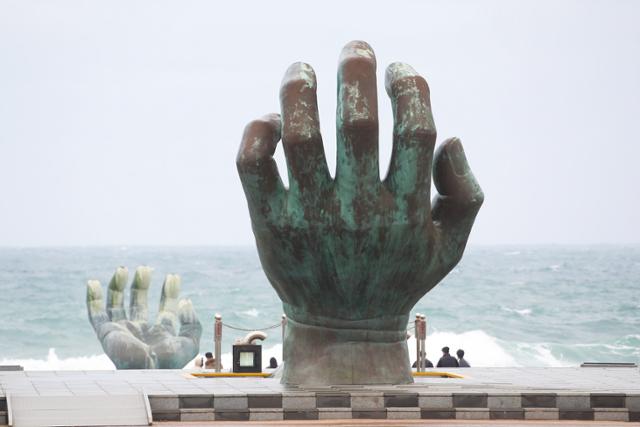
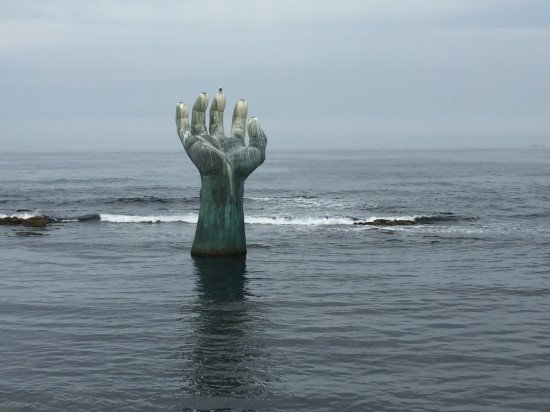
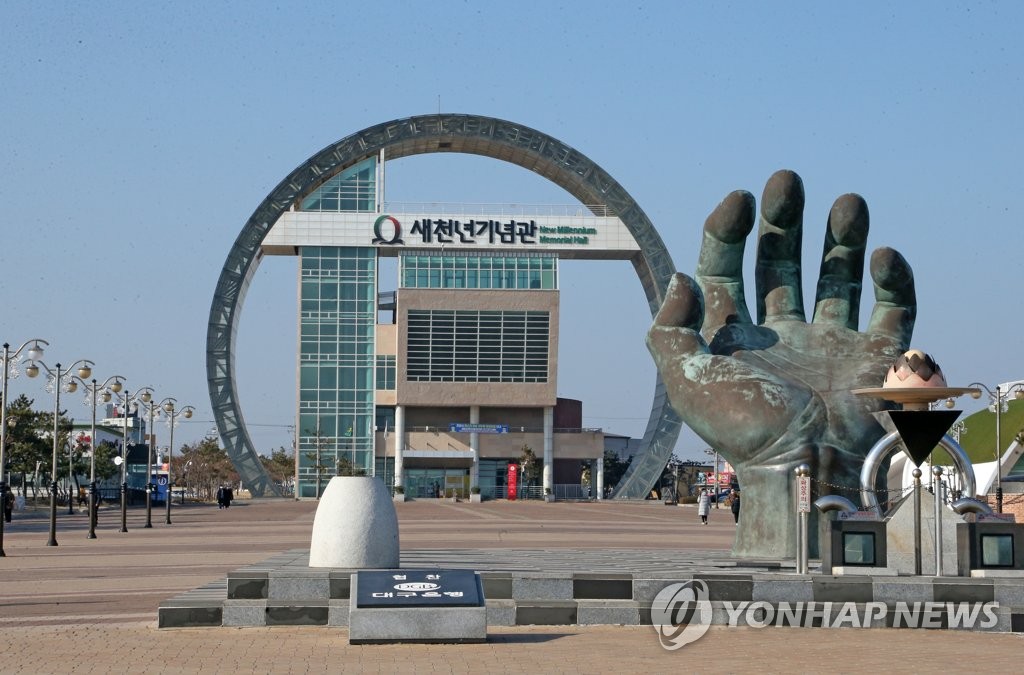
The central sculpture at Homigot Sunrise Square is the ‘Hands of Coexistence,’ consisting of a right hand in the sea and a left hand on land. Completed in December 1999 with the message that all citizens should help one another and live together ahead of the new millennium, it is best to broaden your view along the coastal railing if you want to see both the hand on the East Sea side and the hand on the square side.
The name Homigot comes from ‘Homi (虎尾),’ meaning the tail when the Korean Peninsula is viewed as the shape of a tiger. The Korea Tourism Organization introduces this place as the easternmost point of the Korean Peninsula and reports that Kim Jeong-ho made seven field trips and conducted surveys during the production of 《Daedong Yeojido》. The square is open year-round, every day, and admission is free. Inquiries can be made through Pohang City’s tourism number, 054-270-5855, or the Homigot Traveler Center at 054-282-1222.
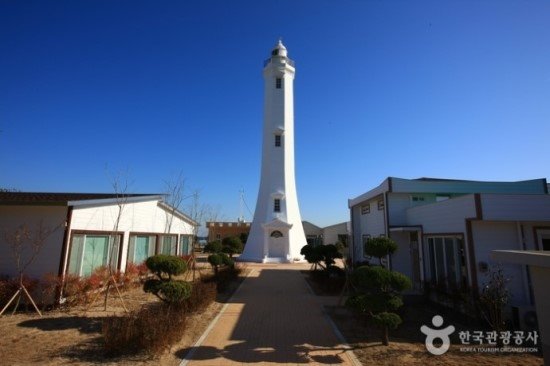
The brick structure of Homigot Lighthouse, first lit on December 20, 1908
Located near Sunrise Square, Homigot Lighthouse was first lit on December 20, 1908. Construction was promoted after a Japanese training vessel ran aground on a reef off Daebori in 1901, killing four people, and the facility, completed in 1908, became a navigational landmark along the East Sea coast.
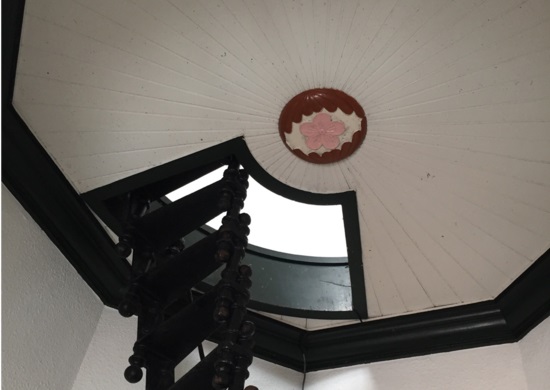
The lighthouse tower is an octagonal brick building 26.4 m high, built solely with bricks without reinforced steel. The interior has six floors, and plum blossom patterns symbolizing the imperial household of the Korean Empire remain on the ceilings of each floor. It was designated Gyeongsangbuk-do Monument No. 39 on August 4, 1982. The lighthouse address is 99 Homigot-gil, Homigot-myeon, Nam-gu, Pohang-si, Gyeongsangbuk-do. Exterior viewing is available at all times, but due to cultural-property preservation and operational considerations, it is safest not to expect general access to the inside of the tower.
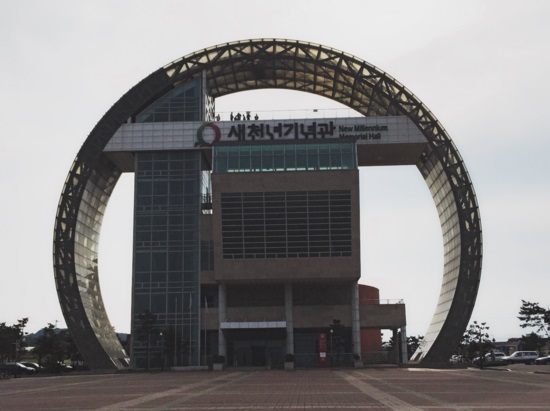
New Millennium Memorial Hall at 136 Haemaji-ro and National Lighthouse Museum at 20 Haemaji-ro 150beon-gil
The New Millennium Memorial Hall inside the square is located at 136 Haemaji-ro, Homigot-myeon, Nam-gu, Pohang-si, Gyeongsangbuk-do. Official tourism information lists admission at 3,000 won for adults, 1,000 won for youths, and 500 won for children, with operating hours from 09:00 to 18:00 and closure every Monday. The telephone number is listed as 054-284-5026, but it is advisable to check the Pohang City tourism website again before departure for information about special exhibitions and closures.
The National Lighthouse Museum, located at 20 Haemaji-ro 150beon-gil, opened in 1985 and is the only specialized lighthouse museum in Korea. According to existing information, it operates from 09:00 to 18:00, with last admission at 17:30, is closed every Monday, and offers free admission. The telephone number is 054-284-4857. Allow 30–40 minutes for a brief visit to the square alone, or 1 hour 30 minutes to 2 hours if including the museum and memorial hall.
How to reach Sunrise Square from Pohang Station on Express Bus 9000
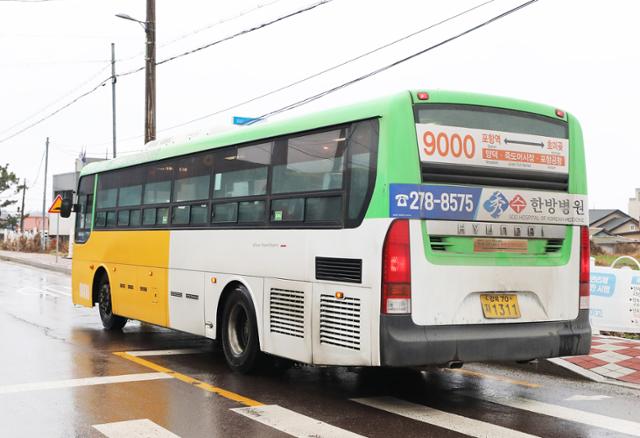
If traveling without a car, first consider Express Bus 9000, which passes through Pohang Station, Pohang Express Bus Terminal, Pohang Gyeongju Airport, and Guryongpo before reaching the Sunrise Square stop. According to reports from 2024, departures from Yangdeok Garage were from 05:10 to 21:35, with 25 services per day and intervals of approximately 41–46 minutes; the fare based on a transportation card was 1,200 won.
However, operating hours, fares, and stops may change, so check the bus’s real-time location and expected arrival time on the day of your trip. Information indicates that the trip from Pohang Express Bus Terminal to Sunrise Square takes about 1 hour 6 minutes, while travel records state that Guryongpo Port and Homigot are about 11 km apart and take approximately 17 minutes by Bus 9000. After getting off at the Sunrise Square stop, it is a short walk to the square.
What to prepare for the January 1 Sunrise Festival and weekday sunrise visits
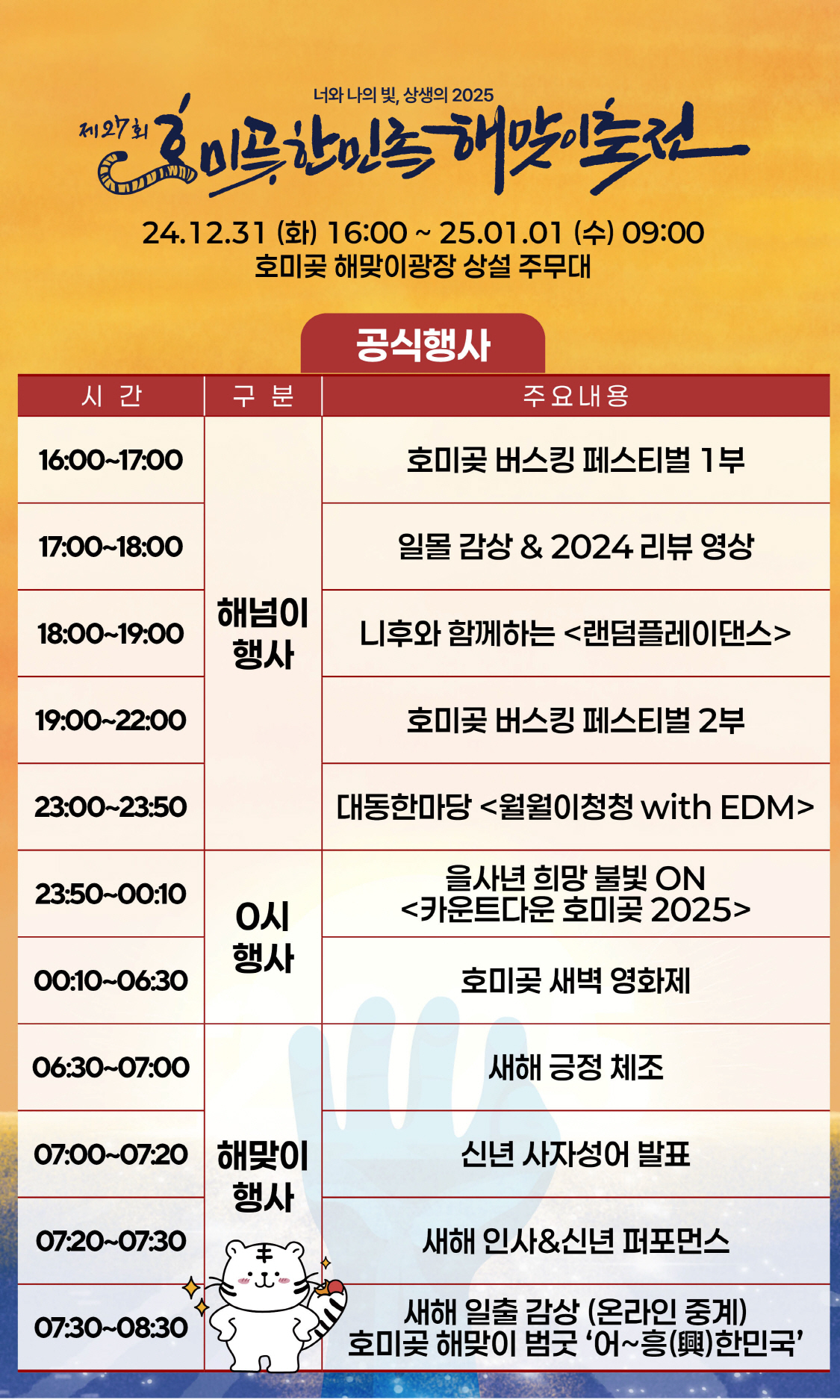
The Homigot Korean Peninsula Sunrise Festival is held every year around the end of the year and New Year at and around Sunrise Square, drawing concentrated crowds of visitors for the first sunrise of the year. The 27th festival schedule included a sunrise-viewing program from 07:30 to 08:30 on New Year’s Day, and the event inquiry number was 054-289-7999. Since the dates, programs, and traffic controls for the next edition vary each year, decisions should be based on the relevant Pohang City announcements.
If you only want to see the sunrise, the outdoor square is open 24 hours, so it can be accessed before the museum opens. However, a windproof coat, gloves, and a warm drink are necessary on winter mornings. Around sunrise on New Year’s Day and weekends, entering and leaving the parking lot may take a long time, so visitors arriving by car should allow plenty of time for arrival and departure. Homigot Sunrise Square has parking facilities, but it is safest to check on-site announcements for fees and operating procedures on event days.
11 km to Guryongpo Japanese House Street: combining it into a one-day Homiban-do itinerary
It is approximately 11 km from Homigot southwest to Guryongpo Port. Since the journey has been described as taking about 17 minutes by Bus 9000, an itinerary is possible in which you visit Guryongpo Japanese House Street and Guryongpo Port in the morning and travel to Homigot in the afternoon. The Guryongpo area also has the Gwamegi Culture Museum and harbor restaurants, making it easy to combine the visit with local winter food culture.
Travelers focusing on walking should separately calculate the distance and sunset time for sections of the Homiban-do Coastal Loop Trail. Travel records mention the Guryongpo–Homigot coastal section as 14.1 km of Haeparang Trail Course 14, taking approximately 4 hours 30 minutes on foot. The square and National Lighthouse Museum grounds are relatively flat, but official detailed information has not been confirmed on whether the entire coastal promenade can be traversed continuously by stroller or wheelchair, so it is better to inquire in advance at the Traveler Center at 054-282-1222.
Before You Go
- Address
- 136 Haemaji-ro, Homigot-myeon, Nam-gu, Pohang-si, Gyeongsangbuk-do
- Hours
- Open at all times
- Closed
- Open year-round
- Admission
- Free
- Phone
- 054-270-5855 / Homigot Traveler Center 054-282-1222
- Official site
- https://www.pohang.go.kr/phtour/
- Transport
- Take Express Bus 9000 from Pohang Station, Pohang Express Bus Terminal, Pohang Gyeongju Airport, or Guryongpo, and get off at the Sunrise Square stop. Checking the real-time schedule on the day of travel is recommended.
- Parking
- Parking lot available. On busy days such as the New Year Sunrise Festival, check on-site announcements for operating procedures and fees.
- Time needed
- 30–40 minutes for the square alone; 1 hour 30 minutes to 2 hours including the National Lighthouse Museum and New Millennium Memorial Hall
- Accessibility
- The square grounds are relatively flat, but advance inquiries are recommended with the Homigot Traveler Center (054-282-1222) regarding wheelchair and stroller accessibility along the entire coastal promenade.
The information above is current as of the time of writing. Check the official information again before visiting.

Places
Nearby Attractions 5
-
 1
1
-
 2
2
-
 3
3
-
 4
4
-
 5
5
Food & Dining 5
-
 6
Homi Cape
6
Homi Cape -
 7
7
-
 8
8
-
 9
9
-
 10
10
Events in This Area


Festivals in This Area


More Travel Guides in This Area
 Travel Guide
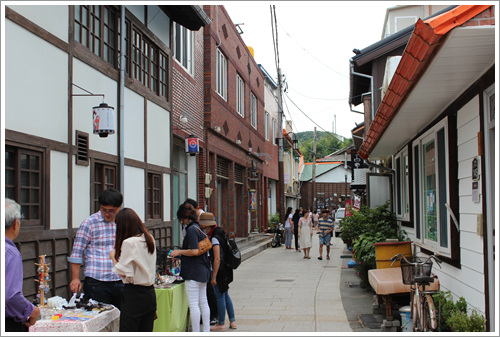
Japanese Houses and Pohang’s Memories Along a 470 m Alley in Guryongpo
 Travel Guide
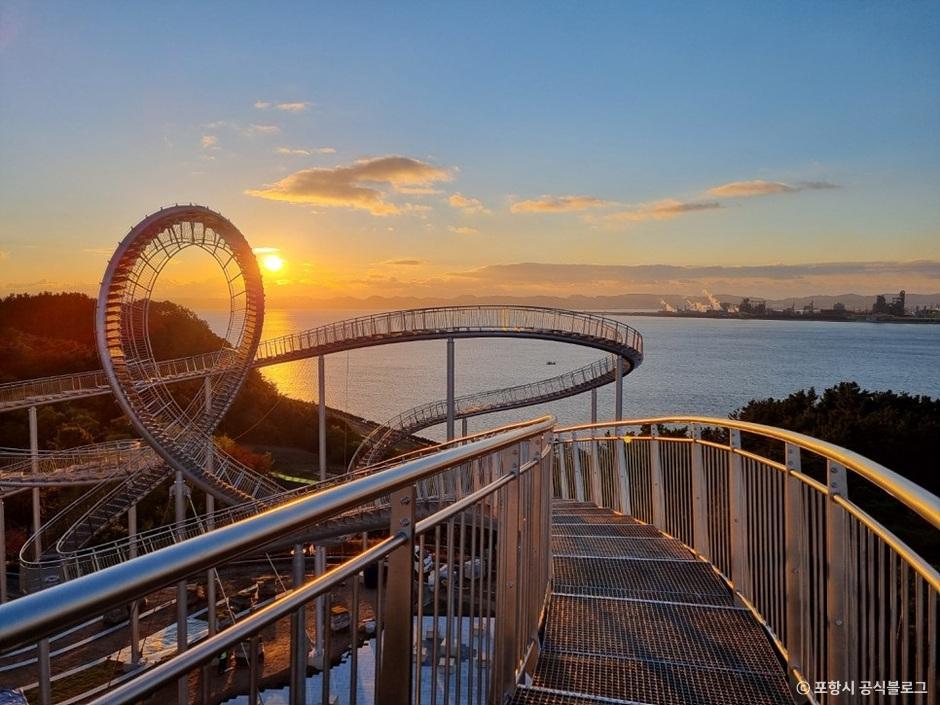
Pohang Hwanho Park Space Walk: Yeongildaegyo and the East Sea from 717 Steps
 Travel Guide
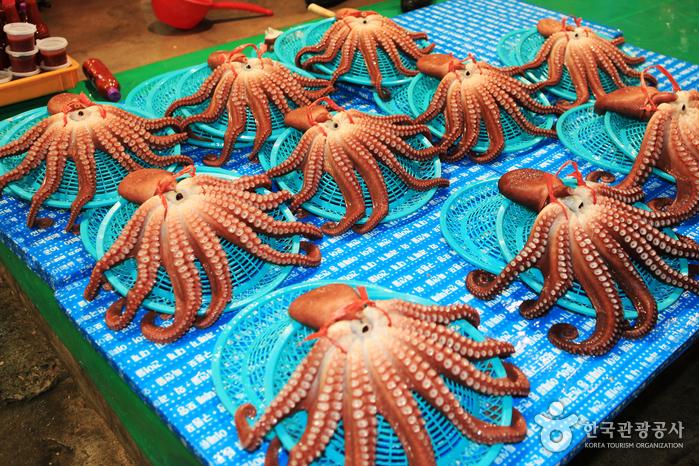
Pohang Jukdo Market’s Early-Morning Seafood Alley, Continuing from the 1954 Nambu Permanent Market
 Travel Guide
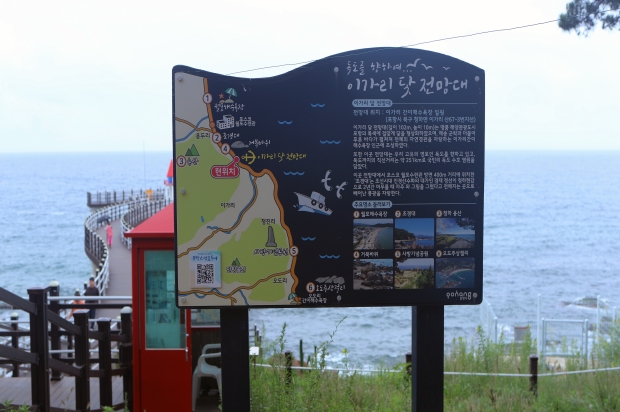
The 102-Meter Anchor Observatory Pointing Toward Dokdo
Korea News
![Did Jang Won-young ‘break up’? From the airport to social media, she was decked out in Brand D [MD Issue]](https://kotourlive-images.s3.ap-northeast-1.amazonaws.com/news/1790644492843_025fcab4_news_06d49363-285b-4cd5-93e3-ace2c4344710.jpg) News
News
Did Jang Won-young ‘break up’? From the airport to social media, she was decked out in Brand D [MD Issue]
 News
News
Oh, What a Surprise… BLACKPINK’s Rosé—Did She Get a Bob Cut?
![[On-Site Photos] “Equipped with a Third Eye”… RM’s Intense Eye Contact](https://kotourlive-images.s3.ap-northeast-1.amazonaws.com/news/1790644823332_c0c6ec29_news_001c0a59-4eb7-40e6-af6a-4f26183f5e8c.jpg) News
News
[On-Site Photos] “Equipped with a Third Eye”… RM’s Intense Eye Contact
 News
News