Byeolsaekgotdol Science Museum: An Observatory and Fossil Gallery in the Forest
Byeolsaekgotdol Science Museum, nestled at the foot of Guhaksan Mountain in Jecheon, is a nature-focused science museum offering astronomical observation, a digital planetarium, and fossil and rock exhibitions all in one place. Public transportation is available via Bus 852 from Jecheon Express Bus Terminal or Jecheon Station, but reservations and operating hours vary by program, so decide on the purpose of your visit first.

I’ve been here?
Your check-in helps the next traveler.
14 people viewed this week Be the first
One tap — no writing needed
What does the science museum nestled in the forests of Guhaksan show?
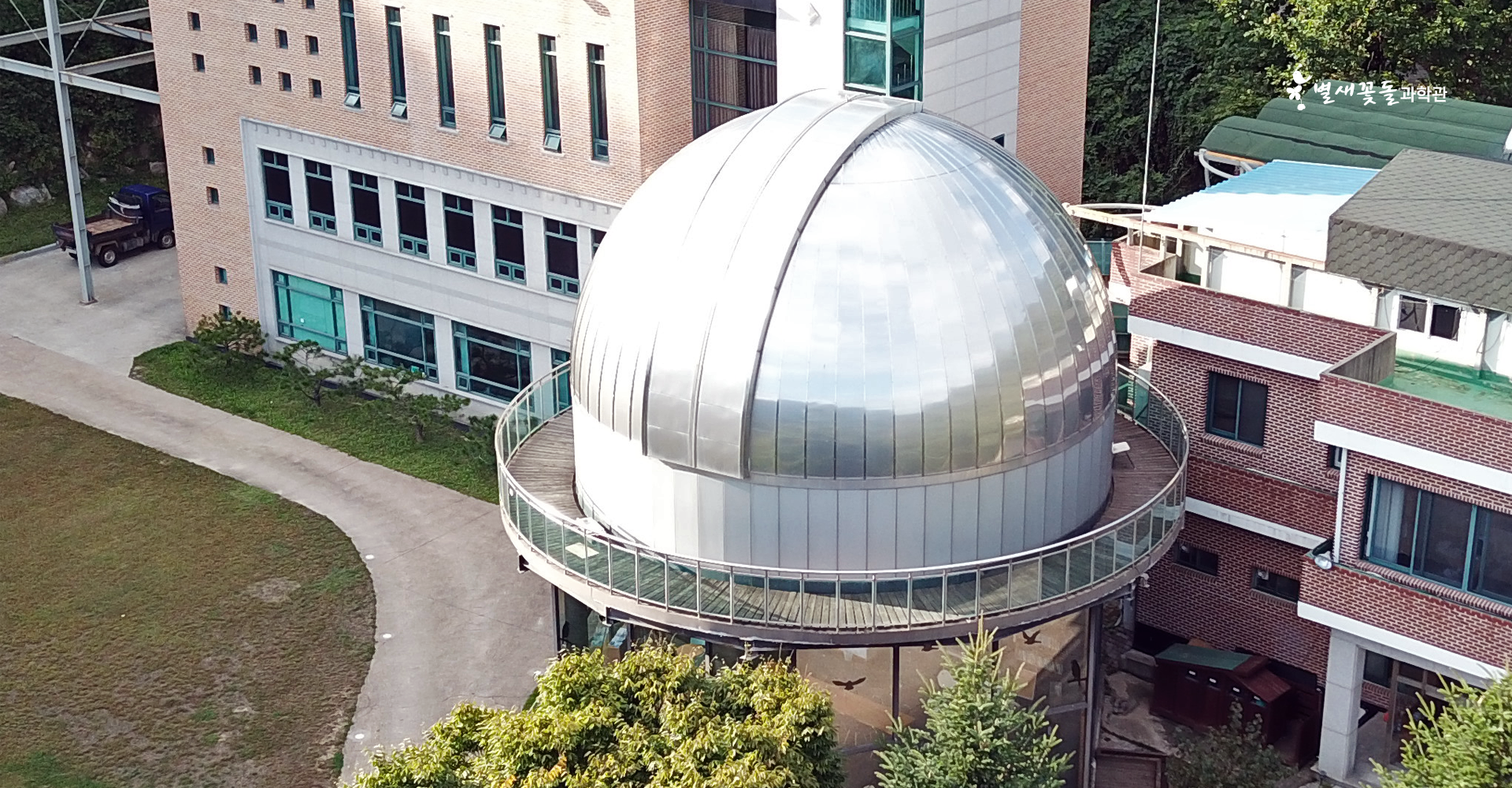
Byeolsaekgotdol Science Museum is located at 45 Okjeon 4-gil, Bongyang-eup, Jecheon-si, Chungcheongbuk-do, in the forest at the foot of Guhaksan Mountain. In one building, visitors can explore not only astronomical observation but also fossils, rocks and minerals, forests, and wildflower education in an integrated way.
The facility includes the Byeolsaekgotdol Observatory, a digital planetarium, a fossil exhibition room, a rock and mineral science room, a forest education area, and a wildflower education area. Programs are also offered in which professional instructors share nature-related stories suited to the season of the visit.
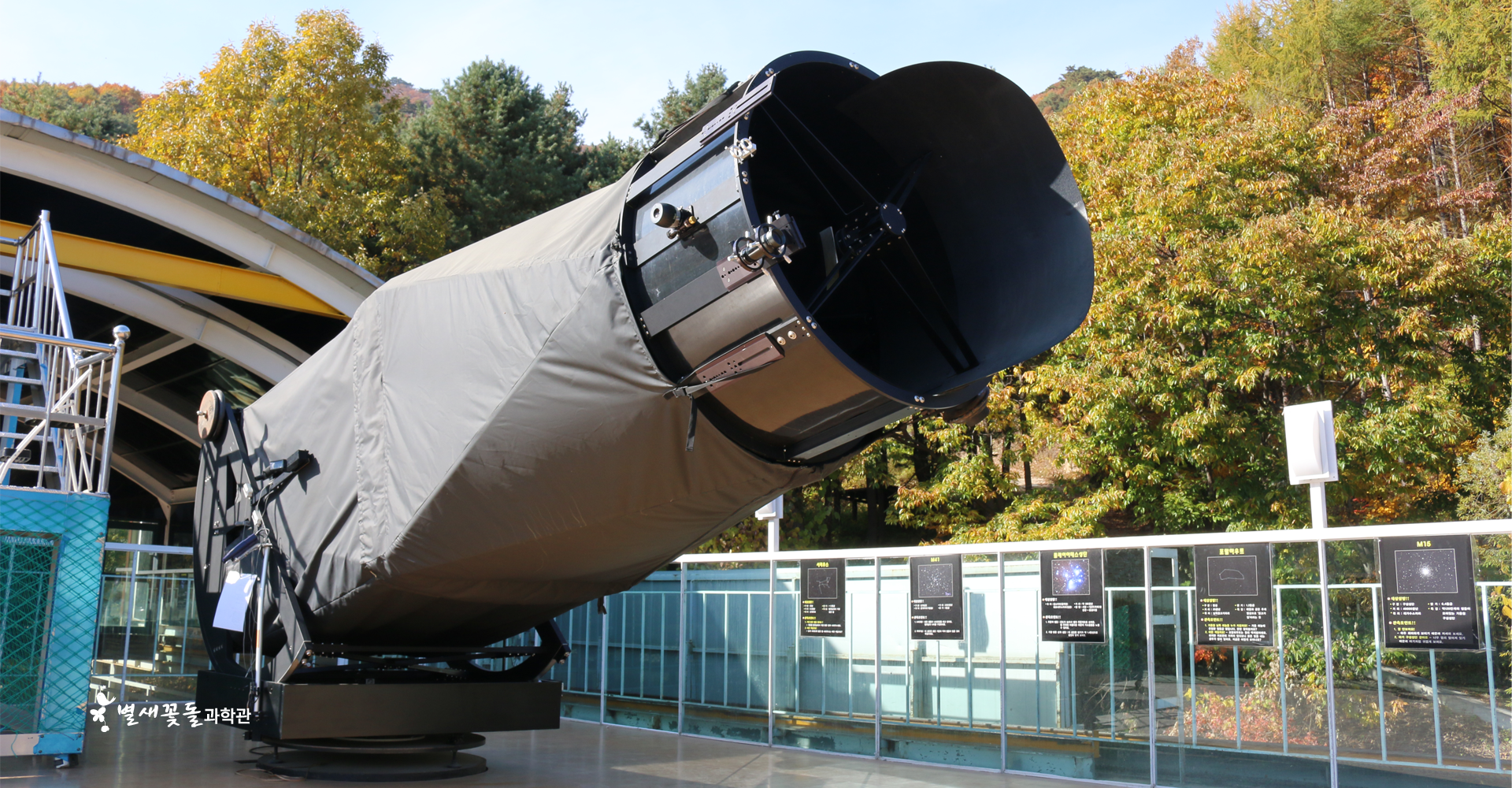
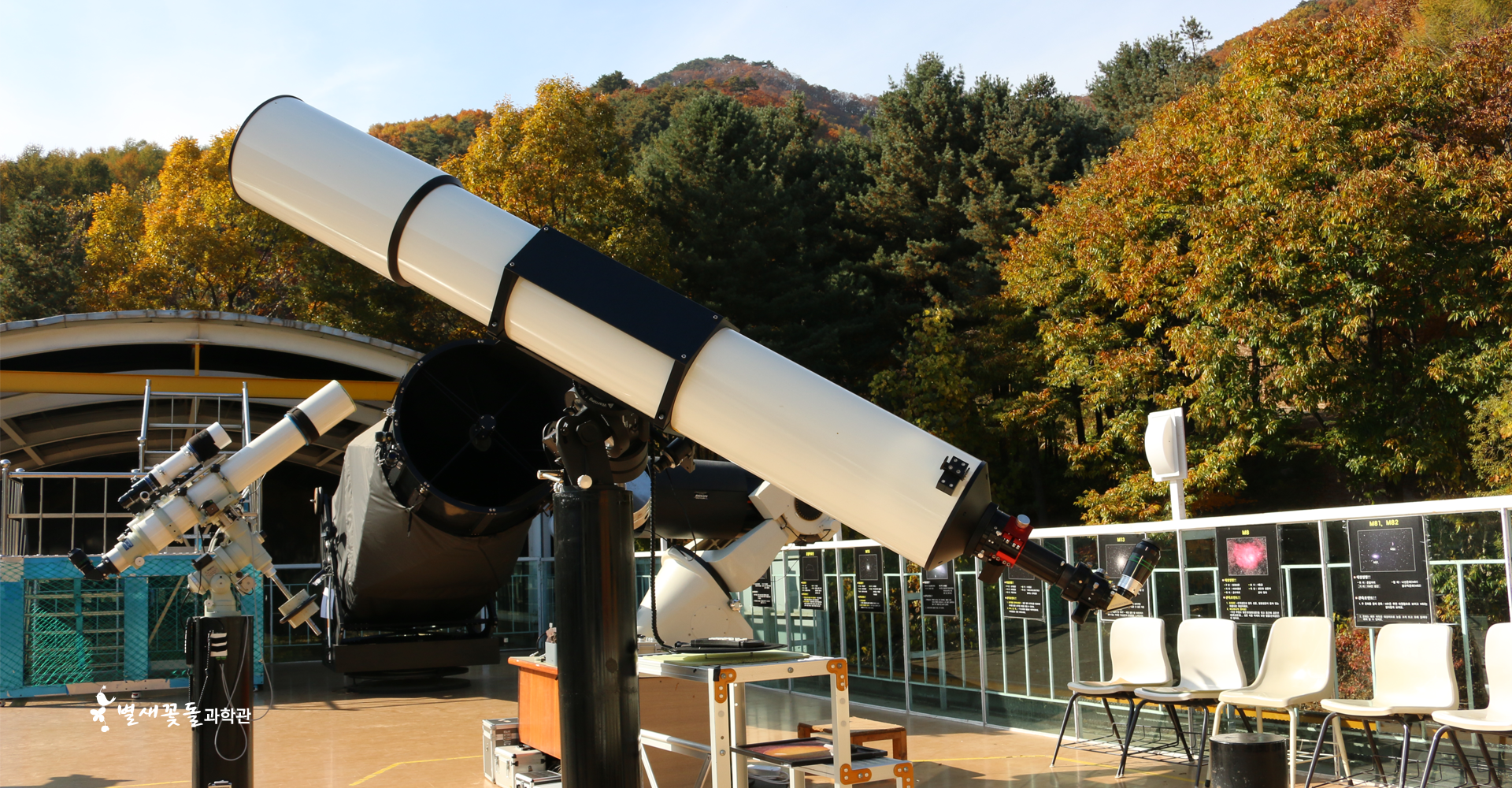
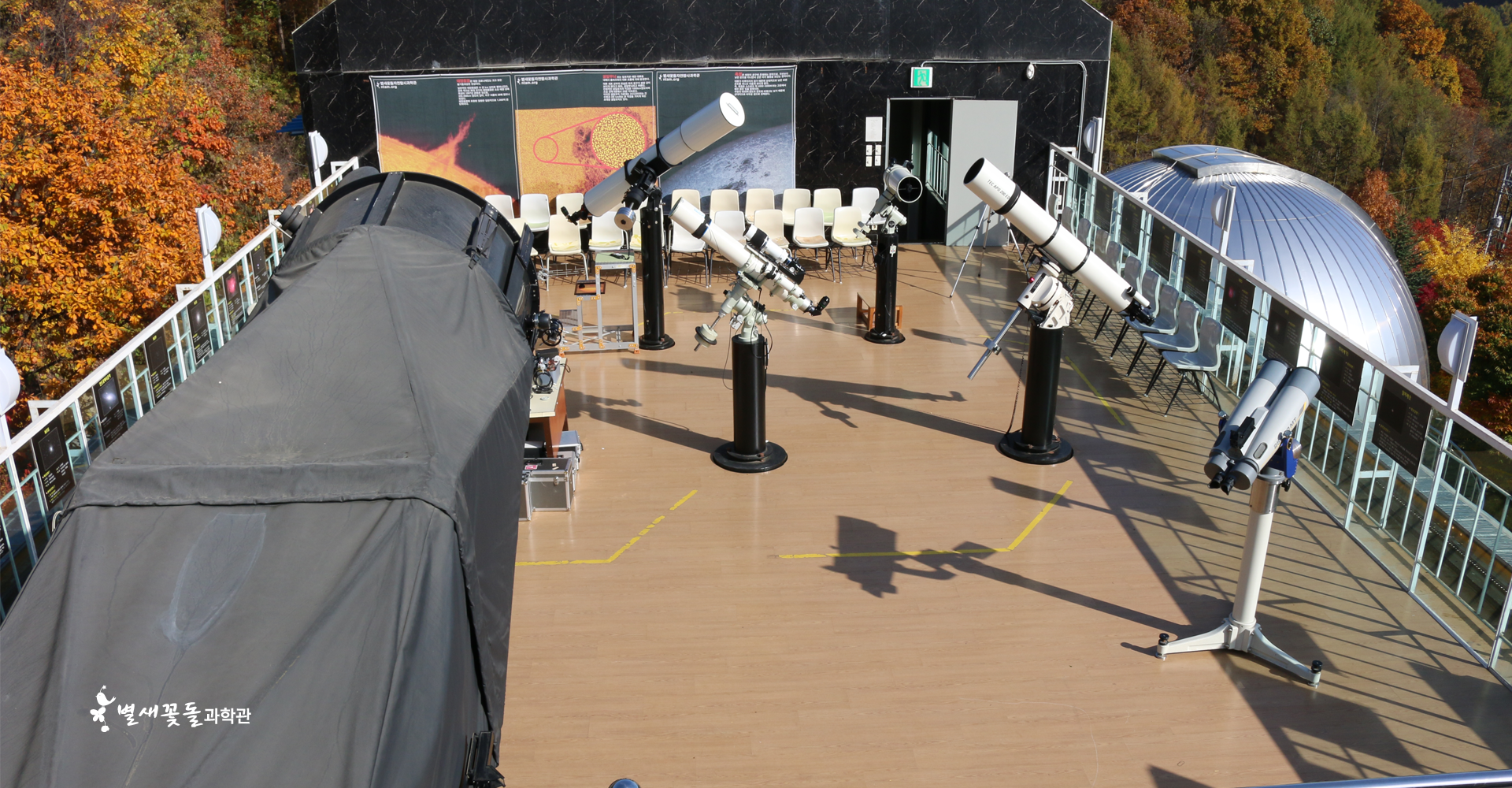
Observing the Sun by day and galaxies by night at the Byeolsaekgotdol Observatory
Daytime astronomy programs focus on solar observation, while nighttime observations include the Moon, planets, stars, galaxies, and star clusters. The observatory’s main equipment consists of a 48-inch reflecting telescope and a 9-inch solar refracting telescope.
The 48-inch reflecting telescope has an aperture of 1,220 mm, a height of 504 cm, and a weight of 2,300 kg. The 9-inch refracting telescope for solar observation uses an H-alpha filter and has an aperture of 228 mm, a height of 160 cm, and a weight of 12 kg. Since astronomical observation is affected by the weather and whether programs are operating, it is safest to plan nighttime visits around reserved programs.
Learn about the actual sky and seasonal constellations first in the planetarium
The digital planetarium is a star theater that recreates the actual sky. It explains seasonal constellations and astronomical phenomena and screens space-related videos, allowing foreign visitors unfamiliar with constellations to learn the directions and objects in the sky before outdoor observation.
The celestial package operates from 19:00 to 21:00 and includes a nighttime planetarium show and astronomical observation. The regular fee is 20,000 won, and the regular fee for an astronomy lecture is 10,000 won. The 2023 Chuseok program accepted 100 people per session on a first-come, first-served advance-registration basis and included a full-moon observation, a lecture about the Moon, and a digital planetarium experience, so special events may be recruited separately from regular admission.
What you can see in the fossil exhibition room, from mammoths to trilobites
The fossil exhibition room displays fossils of organisms that lived on Earth long ago and explains the types of fossils and how organisms become preserved as fossils. The exhibits include a mammoth face fossil, a full-body cave bear fossil, trilobites, and dinosaur-related fossils.
This space is less about simply viewing fossil names and more about learning how traces of organisms are preserved through geological processes. A visitor review from May 18–19, 2024, mentions visiting the valley beside the Natural Exploration Science Museum after viewing the fossil exhibition room, confirming that indoor exhibits and observation around the forest can be combined into one itinerary.
Observing rocks firsthand with a polarizing microscope and in the fluorescent minerals room
In the rock and mineral science room, visitors observe rocks under microscopes and learn about rock types, their formation processes, and the characteristics of gems. A visitor review from May 18–19, 2024, records observing 33 different minerals using 33 polarizing microscopes in the rock room.
The same review says that visitors experienced fluorescent materials that react to ultraviolet light in the fluorescent minerals room, and that banknotes and clothing made with fluorescent materials reflected light in the dark. Therefore, it is better understood as an educational exhibition that includes explanations and observation activities rather than a place for quietly viewing rock specimens alone.
Who are the 8,000-won field-study and residential programs suitable for?
Field-study programs cost 8,000 won per program and include forest experiences, rock experiences, fossils, solar observation, insect experiences, bird observation, and the planetarium. School-group field studies require consultation with the school group, so individual travelers should not assume they can immediately join the same program configuration on site.
The residential program costs 108,000 won per person for one night and two days, or 216,000 won per person for two nights and three days, including educational fees, accommodation, and meals. These prices are based on groups of 40 or fewer; groups of more than 40 must inquire separately. Accommodations are listed as the group-style Creative Halls 201–206 and 301–306, and the studio-style Narae Halls 101–104 and 201–204.
Taking Bus 852 from Jecheon Station or Jecheon Express Bus Terminal
When traveling by bus from Seoul, take a bus from Seoul Express Bus Terminal to Jecheon Express Bus Terminal, then board Bus 852 and get off at Nomok End Stop. When traveling by train from Seoul, take a train from Seoul Station to Jecheon Station, then take Bus 852 and get off at Nomok End Stop.
From Daejeon, travel to Jecheon from Daejeon Complex Terminal or Daejeon Station, then take Bus 852. From Busan, travel from Busan Central Bus Terminal via Dongdaegu Central Express Bus Terminal and Jecheon Bus Terminal, or travel from Bujeon Station to Jecheon Station, then take Bus 852. From Cheongju, go from Cheongju Intercity Bus Terminal to Bongyang Bus Stop, then take Bus 852; official directions specify getting off at Nomok End Stop. Exit numbers, walking distance after getting off, and service intervals have not been confirmed in the publicly available information.
By car from Seoul, the route passes via Olympic-daero, the Second Jungbu Expressway, the Yeongdong Expressway, the Jungang Expressway, Sinlim IC, and Chiak-ro. From Incheon, the route passes via the Second Gyeongin Expressway, Yeongdong Expressway, Jungang Expressway, Sinlim Hwangdun-ro, Sinlim Intersection, Okjeon-gil, and Okjeon 4-gil. From Daejeon, the route passes via Gyeongbu Expressway, Tongyeong-Daejeon Expressway, Pyeongtaek-Jecheon Expressway, Bukbu-ro, and Jewon-ro. The science museum has a parking lot, but parking fees have not been confirmed in publicly available materials.
Why you should check the Monday and holiday closures and reservation phone number first
The museum is closed on Mondays and public holidays. General daily operating hours have not been confirmed in publicly available materials, while reservation consultations are available Tuesday through Friday from 10:00 to 17:00. The phone number for group reservation consultations is 043-653-6534, and KakaoTalk chat inquiries are also available on weekdays from 10:00 to 17:00.
The currently listed fees are 8,000 won per regular field-study program, 20,000 won for the regular celestial package, 10,000 won for the regular astronomy lecture, 108,000 won for the regular one-night, two-day residential program, and 216,000 won for the regular two-night, three-day program. Since this destination is located far into the mountains and requires public transportation, it is realistic to first coordinate availability by calling 043-653-6534 if your goal is the celestial package or a group experience.
The main entrance has a level difference, and the facility is listed as having no accessible restroom, elevator for people with disabilities, designated accessible parking spaces, wheelchair rental, or stroller rental, so access for wheelchairs and strollers is limited. English information, an audio guide, photography restrictions, whether payment is cash-only, astronomical observation criteria in bad weather, and the recommended viewing time have not been confirmed in publicly available materials.
Before You Go
- Address
- 45 Okjeon 4-gil, Bongyang-eup, Jecheon-si, Chungcheongbuk-do
- Hours
- Operating hours vary by program. Celestial package: 19:00–21:00. Reservation consultation hours: Tuesday–Friday, 10:00–17:00.
- Closed
- Closed on Mondays and public holidays.
- Admission
- Regular field-study program: 8,000 won per program; regular celestial package: 20,000 won; regular astronomy lecture: 10,000 won; residential program: 108,000 won for one night and two days, 216,000 won for two nights and three days
- Phone
- 043-653-6534
- Official site
- https://xn--vb0bi94oyuh7pni0fdn4b.kr/
- Transport
- By car: from Seoul via Olympic-daero → Second Jungbu Expressway → Yeongdong Expressway → Jungang Expressway → Sinlim IC → Chiak-ro; from Incheon via Second Gyeongin Expressway → Yeongdong Expressway → Jungang Expressway → Sinlim Hwangdun-ro → Sinlim Intersection → Okjeon-gil → Okjeon 4-gil; from Daejeon via Gyeongbu Expressway → Tongyeong-Daejeon Expressway → Pyeongtaek-Jecheon Expressway → Bukbu-ro → Jewon-ro; from Busan via Daegu-Busan Expressway → Gyeongbu Expressway → Jungang Expressway → Bukbu-ro → Jewon-ro; from Cheongju via Tongyeong-Daejeon Expressway → Pyeongtaek-Jecheon Expressway → Bukbu-ro → Jewon-ro → Okjeon-gil. By public transportation: take Bus 852 from Jecheon Express Bus Terminal or Jecheon Station and get off at Nomok End Stop; from Cheongju, take Bus 852 from Bongyang Bus Stop. From Gwangju, travel via Cheongju Intercity Bus Terminal or Chungju Station, then take a taxi.
- Parking
- The science museum has a parking lot. Parking fees have not been confirmed in publicly available materials.
- Accessibility
- There is no accessible restroom, elevator for people with disabilities, designated accessible parking space, wheelchair rental, or stroller rental, and the main entrance has a level difference, so wheelchair and stroller access is limited.
The information above is current as of the time of writing. Check the official information again before visiting.

Places
Nearby Attractions 3
-
 1
1
-
 2
2
-
 3
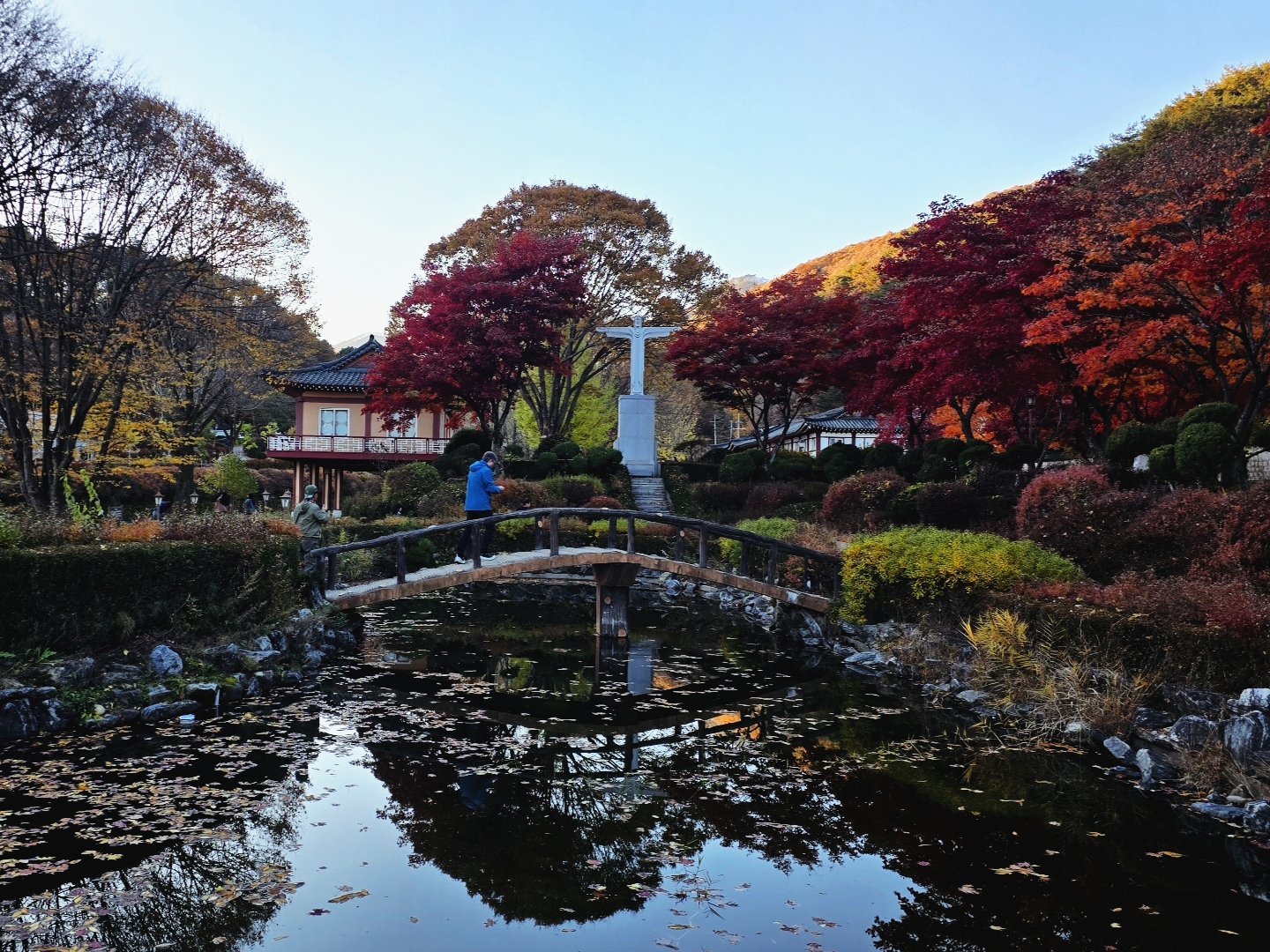
Baeron Holy GroundA sacred site where you can explore Korean Catholic heritage and enjoy a stroll
3
Baeron Holy GroundA sacred site where you can explore Korean Catholic heritage and enjoy a stroll
Food & Dining 3
-
 4
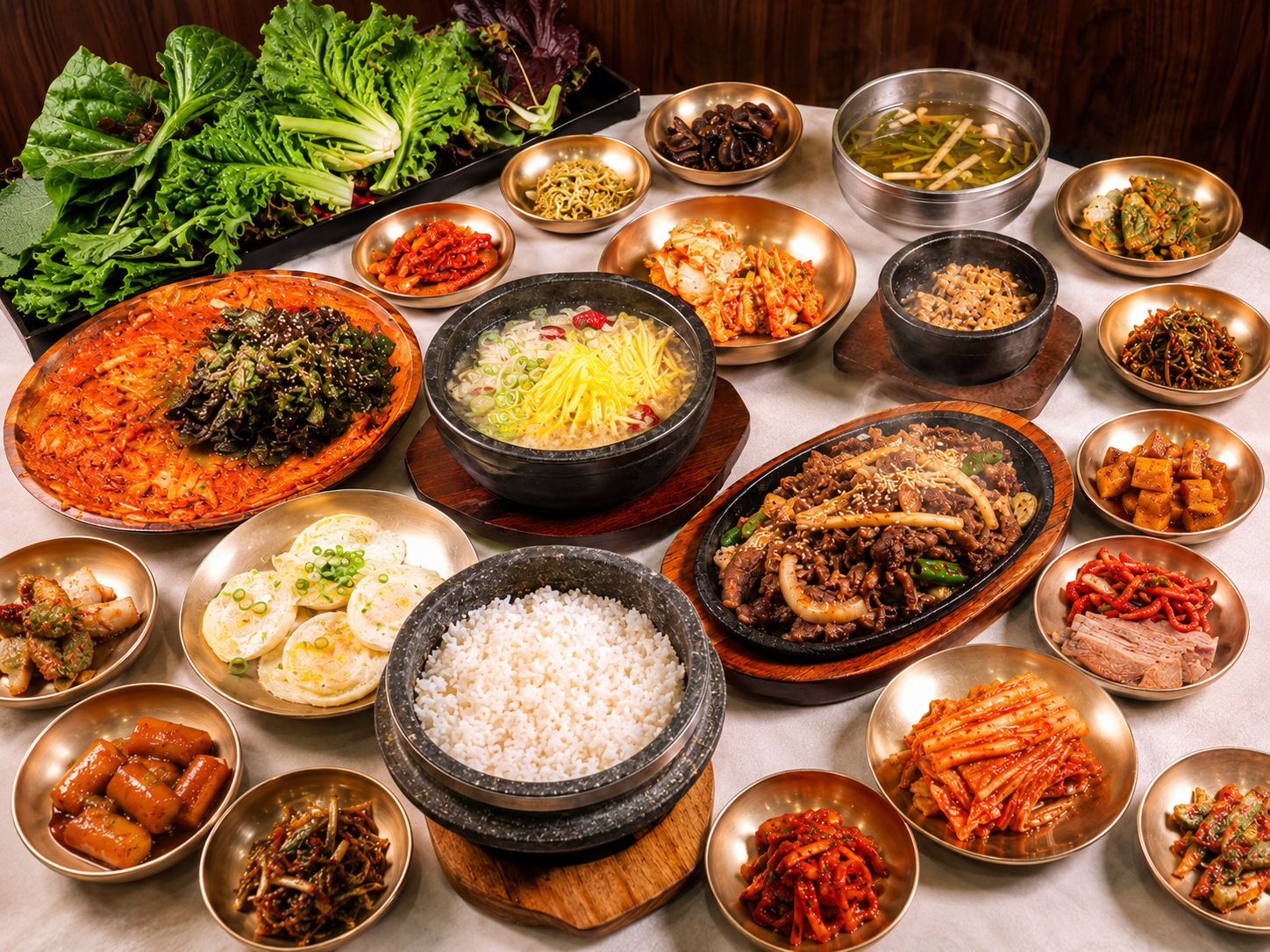
Sanarae Main BranchA Korean restaurant featuring local ingredients, including gondre rice and deodeok set meals.
4
Sanarae Main BranchA Korean restaurant featuring local ingredients, including gondre rice and deodeok set meals. -
 5
5
-
 6
Deulkkot IyagiA café where you can enjoy coffee and handmade desserts in a wildflower garden
6
Deulkkot IyagiA café where you can enjoy coffee and handmade desserts in a wildflower garden
Events in This Area
Festivals in This Area
More Travel Guides in This Area
 Travel Guide
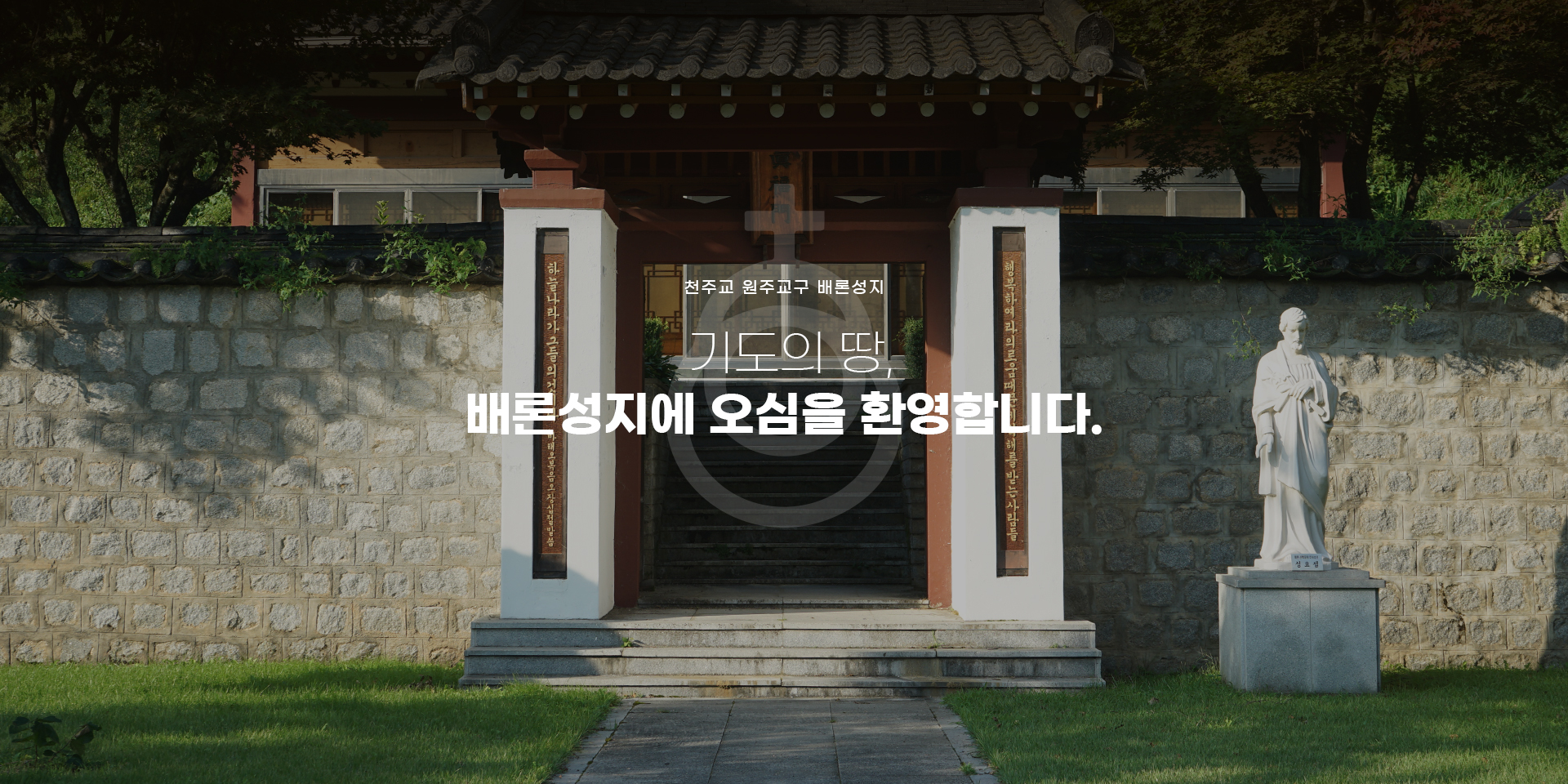
Discovering the Hwang Sa-yeong Silk Letter Cave and Korea’s First Seminary at Baeron Holy Ground
 Travel Guide
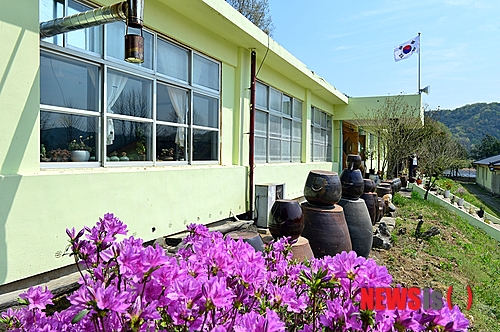
Learning to Make Omija Ferment in a Closed-School Classroom at Gongjeon Nature School in Jecheon
 Travel Guide
How to combine Jecheon Oriental Medicine Expo Park, the Oriental Medicine Life Science Museum, and a medicinal herb experience
 Travel Guide
A 1,000-Year Irrigation Landscape at Jecheon Uirimji and Jerim
Korea News
![BLACKPINK’s Lisa Dominates the VMA Red Carpet in a Sheer Corset Dress and Red Fur [Star Issue]](https://kotourlive-images.s3.ap-northeast-1.amazonaws.com/news/1790557894714_010e956a_news_94409db1-fab6-40bf-bc7b-4b985b1fbac7.jpg) News
News
BLACKPINK’s Lisa Dominates the VMA Red Carpet in a Sheer Corset Dress and Red Fur [Star Issue]
![BLACKPINK’s Jisoo Spotted by Surprise with BIGBANG in London… Their Special Loyalty as Labelmates [IS High Cut]](https://kotourlive-images.s3.ap-northeast-1.amazonaws.com/news/1790557854683_6ea979f5_news_caab62e5-8462-43c8-8622-da794f3df9de.png) News
News
BLACKPINK’s Jisoo Spotted by Surprise with BIGBANG in London… Their Special Loyalty as Labelmates [IS High Cut]
 News
News
Tattoos All Over Her Body… AOA’s Jimin Draws Shocked Attention After Kwon Mina’s ‘Bullying’ Allegations
![You’ll Have to Look Twice… Choi Min-a-soo Perfectly Pulls Off Everything from a Daring Illusion Dress at the Awards Ceremony to Long Braided Hair [RE:STAR]](https://kotourlive-images.s3.ap-northeast-1.amazonaws.com/news/1790492384850_1f293dad_news_d834c50e-0685-43ef-9aa5-6995cd6d8848.jpg) News
News