Reading about Shin Saimdang and Yulgok Yi I beside the black bamboo at their Gangneung home
Ojukheon is a detached residence from the early Joseon period, where Shin Saimdang was born in 1504 and Yulgok Yi I in 1536. It is more than a place to see a single Treasure-designated building: it is a historic site where Mongnyongsil, Munseongsa Shrine, Eoje-gak, the Yulgok Memorial Hall, and the Gangneung Currency Exhibition Hall are connected along one route.
I’ve been here?
Your check-in helps the next traveler.
No one has checked in yet Be the first
One tap — no writing needed
Ojukheon, the maternal family home where Shin Saimdang was born in 1504 and Yulgok Yi I in 1536
Ojukheon is where Shin Saimdang was born in 1504 and her son, Yulgok Yi I, was born in 1536. The main surviving building is an annex of a yangban family home from the early Joseon period, and the room where Yulgok was born is called Mongnyongsil. Ojukheon was designated Treasure No. 165 on January 21, 1963.
The ownership history of this house reflects inheritance practices in the early Joseon period. Choe Eung-hyeon's house passed to his second son-in-law, Yi Sa-on, and then to his daughter, the Yongin Yi clan; Shin Saimdang was born into this family. Yulgok lived with his maternal relatives and was born here because of the customs of living with one's wife's family and allowing daughters to inherit property at the time.
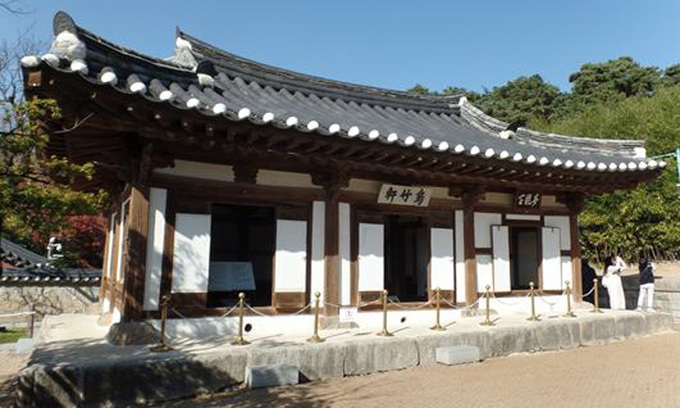
Ojukheon, named after Gwon Cheo-gyun's pen name, and its black bamboo
The name “Ojukheon” originated from the abundance of black bamboo around the house. According to an explanation by the Gangneung Municipal Museum, Gwon Cheo-gyun, who inherited the house from his maternal grandmother, saw the black bamboo and adopted Ojukheon as his pen name; that pen name remained as the name of the house.
The building has a single-story hipped-and-gabled roof with three bays at the front and two bays at the side. Its floor plan combines a main hall, heated rooms, and wooden floors, and it is regarded as a valuable example for examining the transition in wooden architecture from the jusimpo to the ikgong style. If you want to appreciate the architectural structure, it is better not just to photograph the exterior but also to examine the bracket sets beneath the eaves and the bay arrangement of the main hall and rooms.
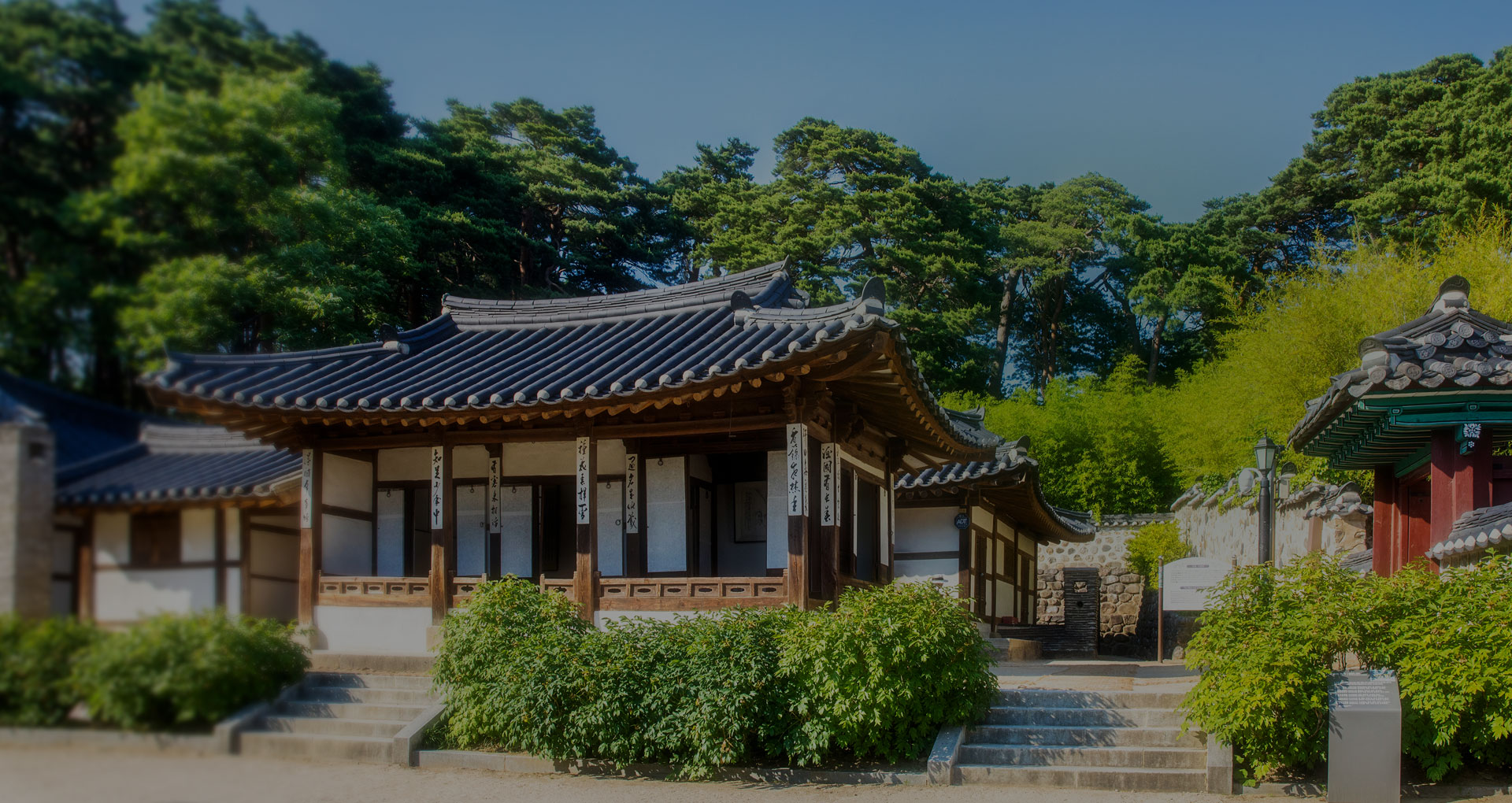
Admission begins at 09:00, with no entry after 17:00
Admission to Ojukheon and the Municipal Museum is from 09:00 to 17:00, and visiting hours are from 09:00 to 18:00. Since entry is not permitted after 17:00, visitors planning to see the indoor exhibitions should safely aim to reach the ticket office around 16:00 at the latest. The site is open year-round.
However, on January 1, the day of Lunar New Year, and the day of Chuseok, only the grounds of Ojukheon are open and the indoor exhibition rooms are closed. Individual admission is ₩3,000 for adults, ₩2,000 for youths and military personnel, and ₩1,000 for children; groups of 30 or more pay ₩2,000, ₩1,500, and ₩500, respectively. Visitors aged 65 or older and preschool children aged 6 or younger enter free with proof of eligibility.
- The last Wednesday of every month is Culture Day, with a 50% discount.
- Gangneung residents enter free upon presenting identification.
- Visitors with disabilities, and up to one accompanying person, enter free according to the applicable disability category.
A 19-point route through the grounds, from the ticket office to Ojukheon
The official guide map marks 19 points, including the ticket office, the statue of Yulgok Yi I, the Chochungdo flower garden, Jagyeongmun Gate, Munseongsa Shrine, Ojukheon, the outer quarters, the inner quarters, Eojegak, the Yulgok Memorial Hall, the Gangneung Currency Exhibition Hall, and the Gangneung Municipal Museum. Even seeing only the highlights involves a mix of outdoor heritage sites and indoor exhibitions, so it is better to allow around 90 minutes rather than 60.
For a first visit, you can reduce backtracking by proceeding from the ticket office past the statue of Yulgok Yi I and the Chochungdo flower garden, then to Munseongsa Shrine, Ojukheon and Mongnyongsil, the outer and inner quarters, Eojegak, the Yulgok Memorial Hall, the Currency Exhibition Hall, and the Municipal Museum. According to the official guide map, restrooms are located near the Gangneung Municipal Museum.

The significance of the Gyeokmongyogyeol and inkstone kept at Eojegak in 1788
Eojegak was built in 1788, the 12th year of King Jeongjo's reign, to preserve Yulgok's handwritten Gyeokmongyogyeol and the inkstone he used in childhood. If you view Ojukheon merely as Shin Saimdang's parental home, it is easy to overlook this building; this site shows how the state preserved Yulgok's scholarly legacy.
Munseongsa Shrine is the shrine that houses Yulgok's portrait. Ojukheon's “home,” Munseongsa's “shrine,” and Eojegak's “artifact collection” together show a single person's birthplace, commemoration, and writings within one space. The first Yulgok Commemorative Ceremony was held on November 6, 1962, and the grounds took their present form following a restoration project in October 1975.

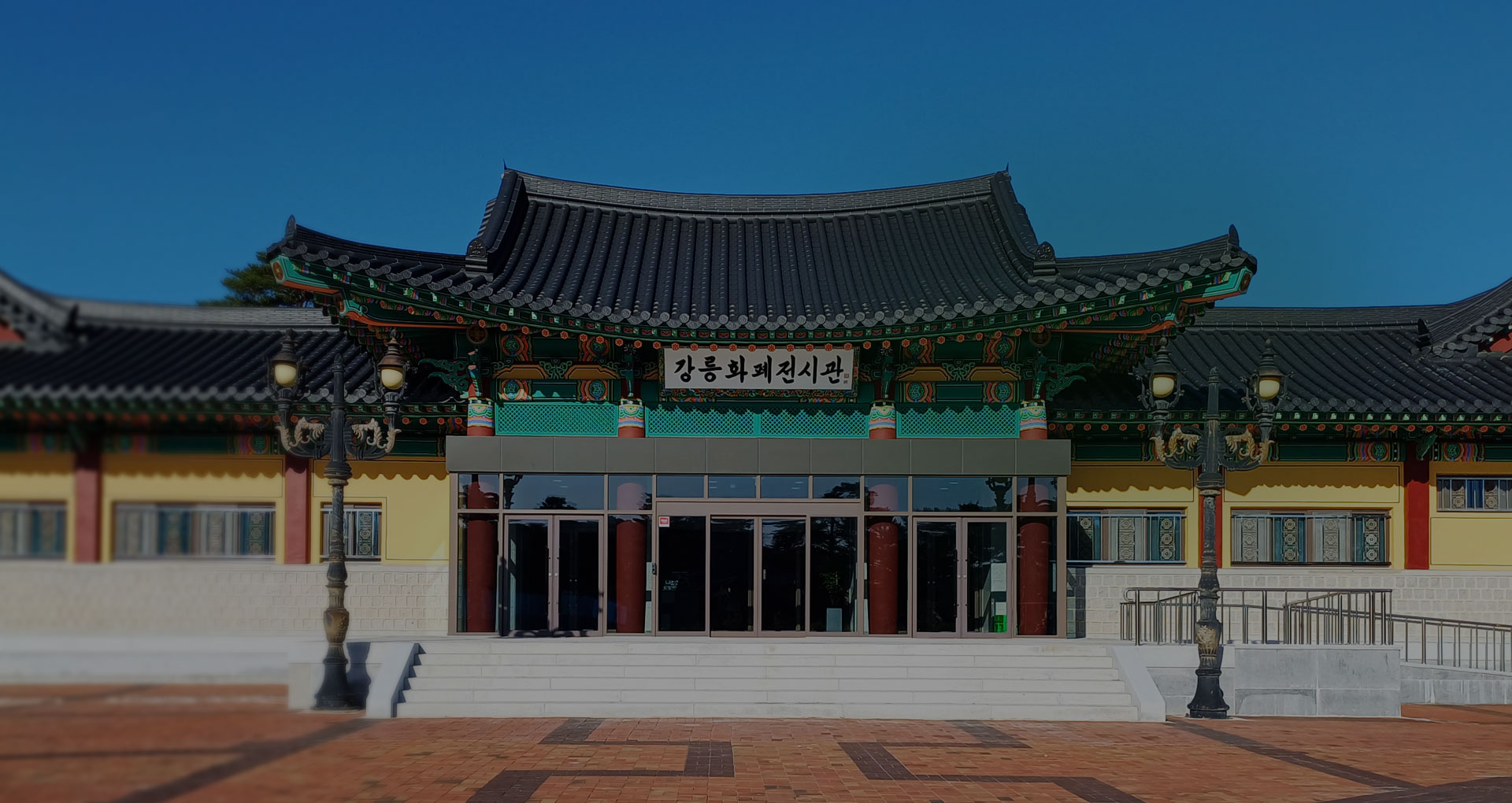
The Gangneung Currency Exhibition Hall, where the ₩5,000 and ₩50,000 notes can be viewed together
The Gangneung Currency Exhibition Hall is an indoor exhibition space on the grounds of Ojukheon. It displays currency and commemorative coins from the Goryeo period through the establishment of the Bank of Korea, as well as works by painter Lee Jong-sang, who painted the original portraits of Shin Saimdang on the ₩50,000 note and Yulgok Yi I on the ₩5,000 note.
The exhibition hall includes a “World's First Mother-and-Son Currency” section and panels that allow visitors to view the front of the ₩50,000 note and the back of the ₩5,000 note. For international visitors who first became familiar with the names Shin Saimdang and Yulgok through banknotes, connecting this exhibition hall with a tour of Ojukheon afterward is the easiest way to understand the relationship between the figures, the place, and the currency imagery.
Free parking and routes 202 and 202-1 connecting Gangneung Station and Gyeongpo
The address is 24 Yulgok-ro 3139beon-gil, Jukheon-dong, Gangneung-si, Gangwon State, and the management telephone number is 033-660-3301~3308. Drivers can use the free parking lot; when it is full, visitors should use the parking lot in front of the nearby Gangneung Nongak Training Center, as advised officially.
For public transportation, searching by the stop name “Ojukheon” is practical. Route 202 runs from across from Gangneung Station and via the Gangneung Intercity and Express Bus Terminal to Ojukheon, Seongyojang, and Gyeongpodae, while routes 202-1 and 202-2 can be used when traveling from Gyeongpo Beach to Ojukheon. Bus schedules may change, so check the Gangneung Bus Information System just before departure.
- From Gyeongpo Beach: Take route 202-1 or 202-2 and get off at the Ojukheon stop; some guidance indicates a journey of about 20 minutes.
- Nearby connections: Ojukheon can easily be combined with the Seongyojang and Gyeongpodae areas on the same day.
- Inquiries: Gangneung Bus Information System, 033-660-2018.
Combine Ojukheon, Seongyojang, and Gyeongpodae on the same day, but separate indoor closure days
Ojukheon is easy to plan together with Seongyojang and Gyeongpodae in the Gyeongpo area. Route 202 continues from Ojukheon toward the Seongyojang entrance, Gyeongpodae, the Chamsori Gramophone Museum, and Gyeongpo Beach, allowing travelers without a car to create an efficient route. Visiting Ojukheon's indoor exhibitions first in the morning and then traveling to Seongyojang and Gyeongpodae minimizes time constraints.
Visitors using strollers or wheelchairs may find it best to divide the route into shorter sections because the outdoor grounds and indoor exhibition halls are spread out. The official visitor information does not provide detailed information on foreign-language guidance or barrier-free facilities, so visitors requiring assistance should contact the management office at 033-660-3301~3308 before visiting. On Saturdays, a puppet show is announced for 1 p.m. as of 2026; when held twice daily, performances take place at 11 a.m. and 1 p.m.

Remembering Ojukheon in eight photos: distinguishing the buildings, shrine, and exhibition halls
Photographing only one traditional house would reduce the sense of place at Ojukheon. By separately documenting the black bamboo, Ojukheon, Munseongsa Shrine, Eojegak, exhibitions related to Shin Saimdang and Yulgok, and the Gangneung Currency Exhibition Hall, visitors can preserve the site's structure as it progresses from “birthplace” to “shrine,” “memorial hall,” and “currency.”
Review photographs may vary greatly depending on the season and the time they were taken. The photographs below are selected from candidates provided on different pages about Ojukheon and are confirmed from their page context to be images of the Ojukheon grounds.
Before You Go
- Address
- 24 Yulgok-ro 3139beon-gil, Jukheon-dong, Gangneung-si, Gangwon State
- Hours
- Visiting 09:00~18:00, admission 09:00~17:00
- Closed
- Open year-round (on January 1, the day of Lunar New Year, and the day of Chuseok, only the Ojukheon grounds are open and the indoor exhibition rooms are closed)
- Admission
- Adults ₩3,000, youths and military personnel ₩2,000, children ₩1,000; free for visitors aged 65 or older and preschool children aged 6 or younger (proof required)
- Phone
- 033-660-3301~3308
- Official site
- https://www.gn.go.kr/museum/index.do
- Transport
- Use the Ojukheon stop. Route 202 connects the area across from Gangneung Station, the Gangneung Intercity and Express Bus Terminal, Ojukheon, Seongyojang, and Gyeongpodae; from Gyeongpo Beach, routes 202-1 and 202-2 take about 20 minutes according to some guidance.
- Parking
- Free. When full, use the parking lot in front of the nearby Gangneung Nongak Training Center.
- Time needed
- About 90 minutes, including the key heritage sites, Currency Exhibition Hall, and Municipal Museum
- Accessibility
- Discounts on admission are available for visitors with disabilities. Detailed facility information on wheelchairs, strollers, and foreign-language guidance could not be confirmed on the official page, so inquiries before visiting are recommended.
The information above is current as of the time of writing. Check the official information again before visiting.

Places
Nearby Attractions 4
-
 1
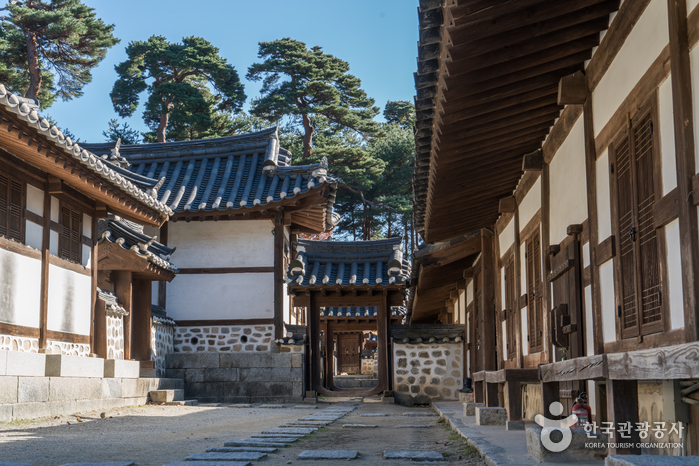
Gangneung SeongyojangExplore traditional hanok houses and Hwalraejeong Pavilion while discovering the culture of historic homes.
1
Gangneung SeongyojangExplore traditional hanok houses and Hwalraejeong Pavilion while discovering the culture of historic homes. -
 2
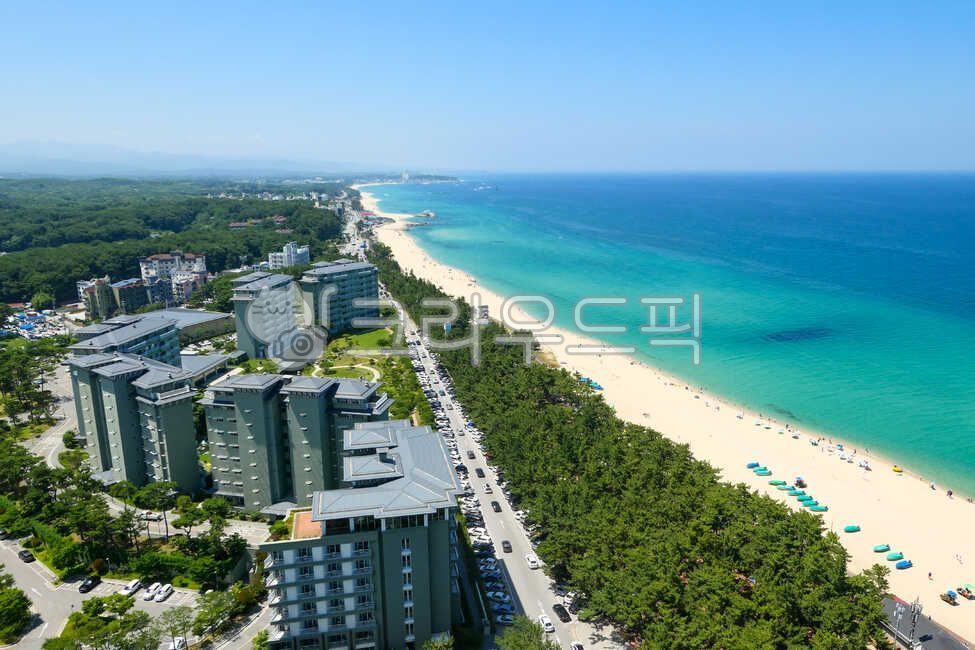
Gyeongpodae PavilionClimb up to the pavilion and admire Gyeongpo Lake and the surrounding scenery.
2
Gyeongpodae PavilionClimb up to the pavilion and admire Gyeongpo Lake and the surrounding scenery. -
 3
3
-
 4
4
Food & Dining 5
-
 5
5
-
 6
6
-
 7
7
-
 8
8
-
 9
9
Events in This Area
Festivals in This Area
More Travel Guides in This Area
 Travel Guide
From 1877 Tin Foil to Gyeongpo Lake: Chamsori Museum Connecting Three Halls of Sound, Light, and Film
 Travel Guide
Meet “VALLEY” in Chodang-dong—The Light, Sound, and Scent Trail at ARTE MUSEUM Gangneung
 Travel Guide
Gangneung of Siblings Heo Gyun and Heo Nanseolheon, Read in Chodang-dong’s Pine Forest
 Travel Guide
21 Geumseong-ro, where goods from beyond Daegwallyeong converged: the three-level circulation of Gangneung Jungang Market
Korea News
 News
News
"Overcoming the Getty curse" Jang Wonyoung, with unreal proportions and beauty straight out of a Barbie doll
 News
News
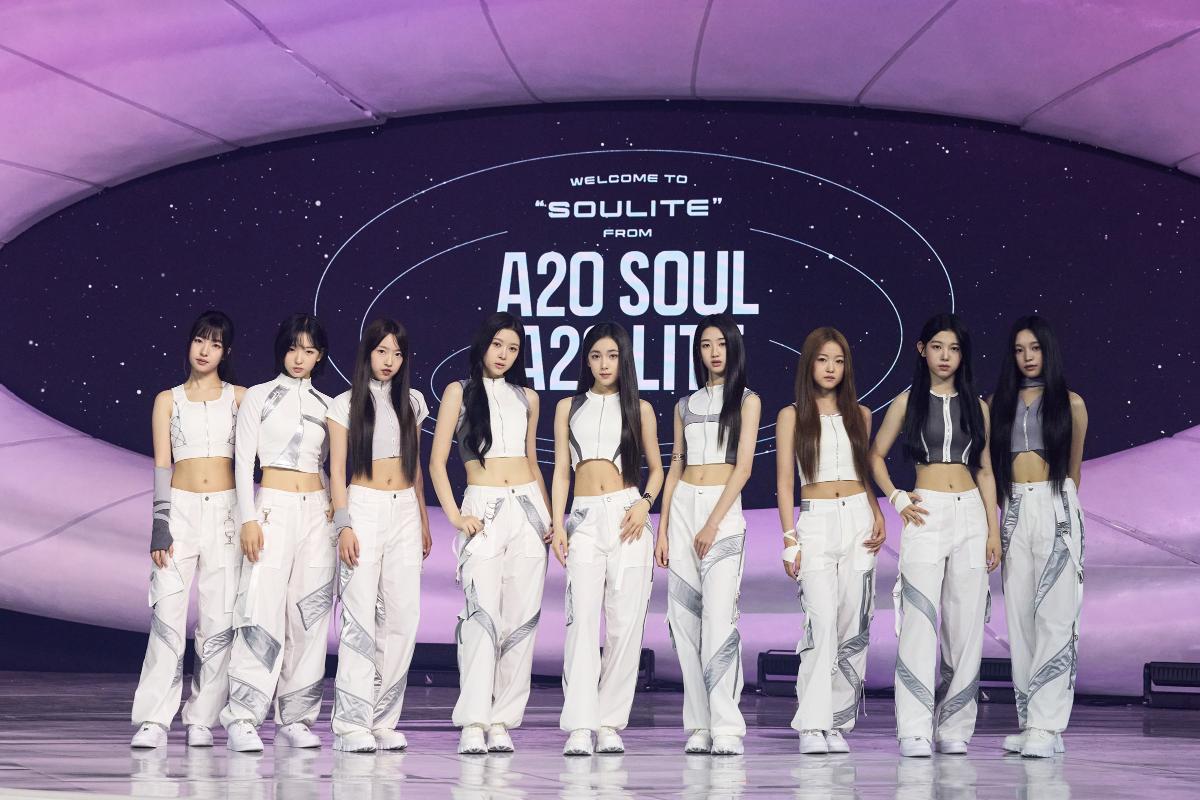
A2O LITE Tops Melon TOP100 Just 29 Hours After Debut, Setting the Fastest Record for a Debut Song
![Billlie's Tsuki 'Makes an Entrance Showing Off Her Beautiful Figure' [MK Photo]](https://kotourlive-images.s3.ap-northeast-1.amazonaws.com/news/1792027947835_957f0cb8_news_5c0023c5-e9a0-4640-9154-cb0b69d810c4.jpg) News
News
Billlie's Tsuki 'Makes an Entrance Showing Off Her Beautiful Figure' [MK Photo]
![ENHYPEN ‘Fighting for the Macau performance too!’ [★Video]](https://kotourlive-images.s3.ap-northeast-1.amazonaws.com/news/1792027887815_5057637d_news_8041e5cd-8b22-4193-bb46-880c65d944f7.jpg) News
News