Daejeon Geological Museum, Opened in 2001: Walking Among Dinosaur Fossils and Rocks
Located inside the Korea Institute of Geoscience and Mineral Resources in Yuseong-gu, Daejeon, the Geological Museum is a free museum that opened in 2001. Visitors can explore Tyrannosaurus, Maiasaura, and Stegosaurus skeletons, rock and mineral exhibits, a hands-on space on the second floor, and outdoor displays in a 2–3-hour visit.
I’ve been here?
Your check-in helps the next traveler.
31 people viewed this week Be the first
One tap — no writing needed
A Geological Museum Established in 2001 after the Daejeon Expo
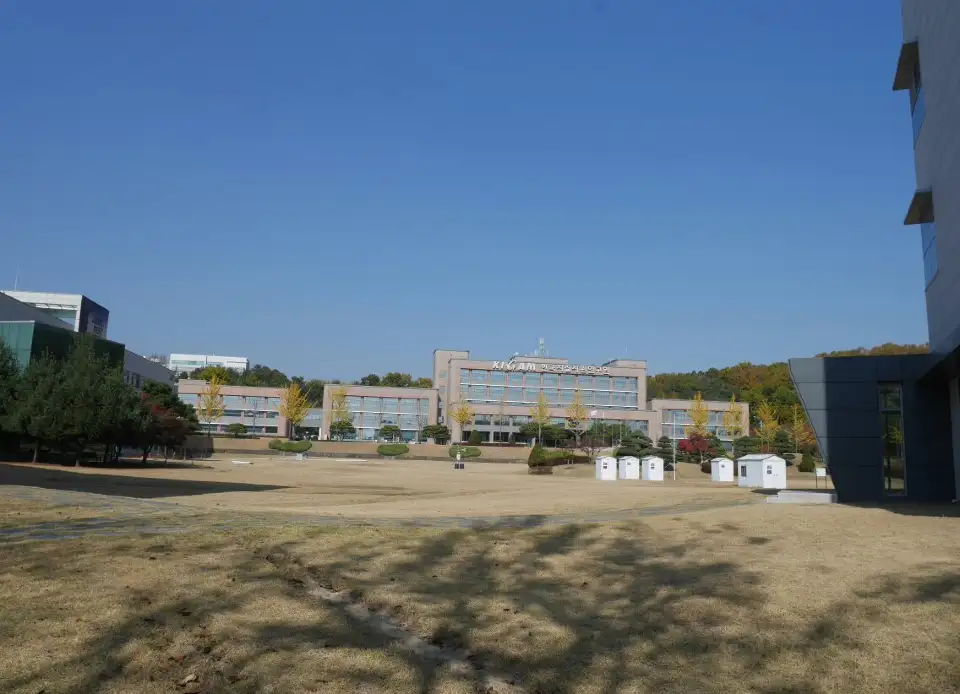
The Geological Museum is a facility located at 124 Gwahak-ro, Yuseong-gu, Daejeon Metropolitan City, inside the Korea Institute of Geoscience and Mineral Resources. As an affiliated facility of the Korea Institute of Geoscience and Mineral Resources, the museum’s location in the Daedeok Science Research Complex gives it a different starting point from ordinary tourist attractions.
Daejeon City explains that a geological specimen hall was established following the 1993 Daejeon Expo, and that the Geological Museum opened in 2001 as the need grew for a museum with comprehensive geology-related content. In 2012, an advanced interactive exhibition hall was added, expanding the museum from a place for viewing specimens into an exhibition space that also offers hands-on experiences.
Free Admission from 10:00 to 17:00, with Entry Closing at 16:30
Opening hours are 10:00–17:00, with admission closing at 16:30. Admission is free. The 2026 visitor information also lists free admission from 10:00 to 17:00, so there is no need to prepare cash for a paid ticket.
The museum is closed every Monday, the day after public holidays, and during holiday periods. Some recent notices also list January 1, Lunar New Year, Chuseok, and the anniversary of the Korea Institute of Geoscience and Mineral Resources as closure days, so it is advisable to check whether your visit coincides with a holiday period even when it is not a Monday.
Some visitor notices mention that irregular closures or facility inspections may occur. Public information lists 042-868-3797 as the telephone number for checking operations on the day of your visit, while some recent notices list 042-868-3798. It is useful to remember the difference between the two numbers.
Getting to 124 Gwahak-ro for First-Time Foreign Visitors
The address is 124 Gwahak-ro, Yuseong-gu, Daejeon Metropolitan City, Korea Institute of Geoscience and Mineral Resources. The public transportation directions provided recommend taking Bus 604 and getting off at the “Geological Museum Front” stop. However, the current status of Bus 604 and the stop information has not been confirmed on the official transportation page, so you should check the route again in a map app before departing.
The number of transfers and walking time from popular starting points used by visitors from outside the city, such as Daejeon Station or Daejeon Complex Terminal, have not been confirmed. Therefore, a practical plan is to enter “Geological Museum Front” as the destination, then find the museum building within the Korea Institute of Geoscience and Mineral Resources grounds after getting off the bus.
Information for visitors arriving by car states that a large dedicated parking lot can be used free of charge. Public information from 2016 also records free parking, but the latest parking fees and access routes should be checked separately.
Tyrannosaurus and Maiasaura in the Central Hall
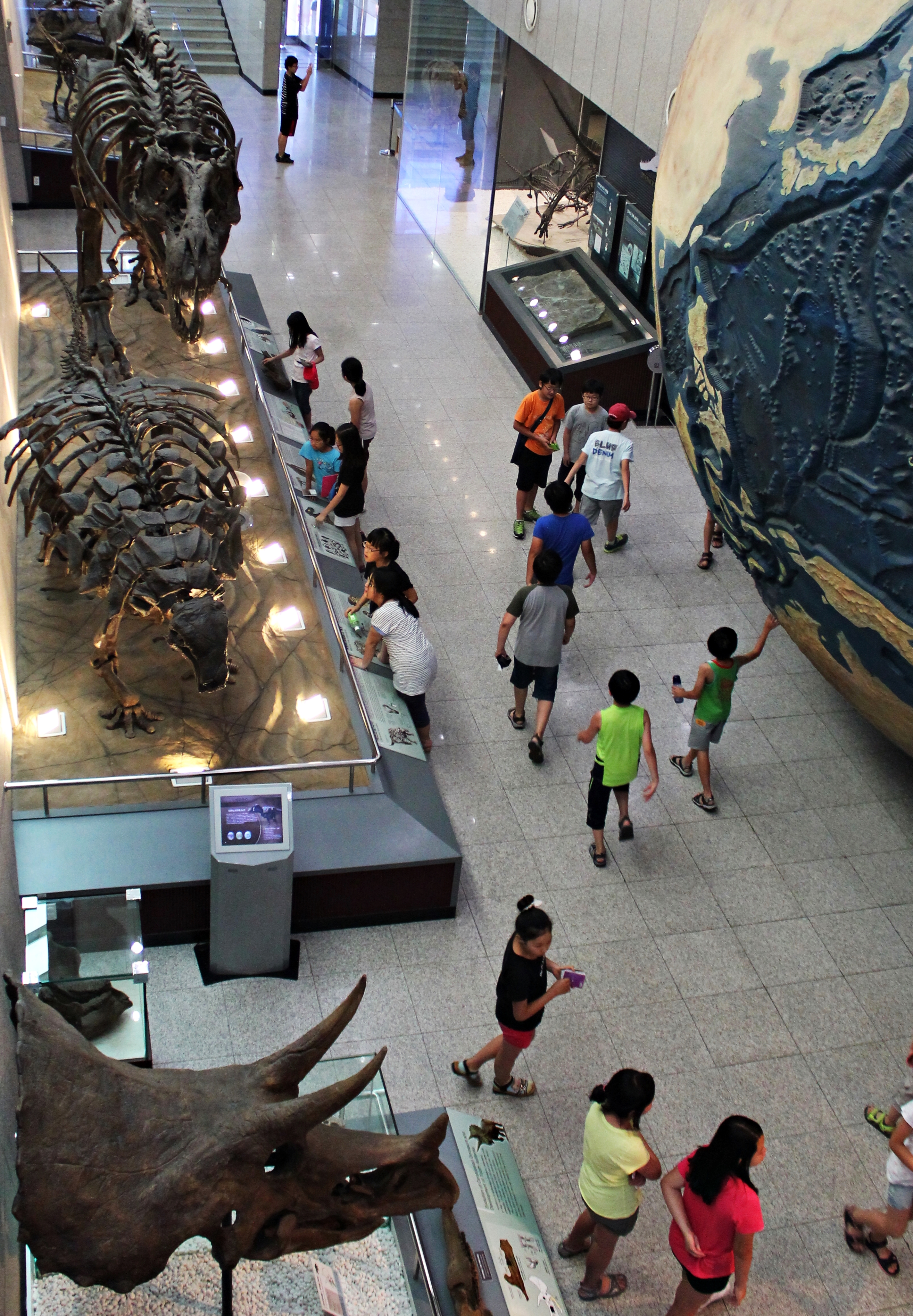
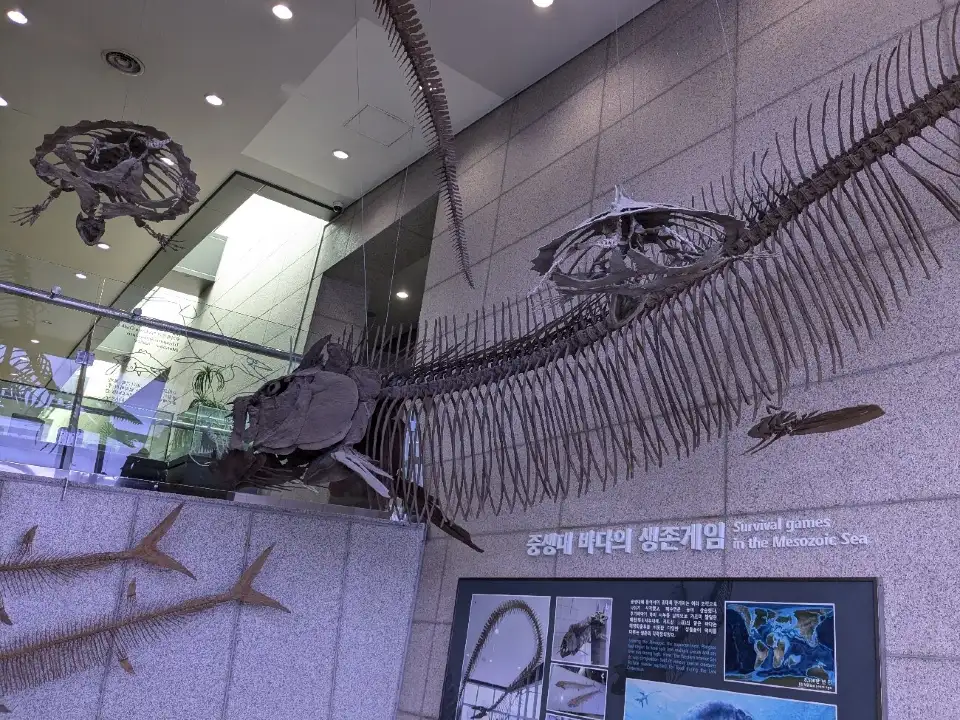
Dinosaur fossils are displayed in the lobby, including Korea’s first Tyrannosaurus fossil, a Maiasaura fossil, and a feathered dinosaur model. If you expected only rock specimens based on the museum’s name, the dinosaur exhibition at the entrance is the key first scene of the visit.
Visitor information explains that the first exhibits seen in the central hall are life-size skeletal restorations of Tyrannosaurus, Maiasaura, and Stegosaurus. The name appears differently in different materials, as “Maiyosaurs” and “Maiasaura,” so it is best to check the wording on the exhibition panels as well.
Rock Observation and Digital Fossil Excavation on the Second Floor
According to visitor information, the second floor offers rock observation and microscope experiences. Visitors can examine various rocks and fossils directly, and reviews note that the exhibitions are easy to understand. This is a good area for children in elementary school and older, as well as visitors encountering geology for the first time, to explore while reading the explanations.
A digital experience introduced in 2016 allowed visitors to choose a fossil type and region, dig into the ground, break rocks, and brush soil off fossils on a screen. A simulation device also offered an experience of swimming underwater during the age of dinosaurs.
Some reviews note that the interactive devices may be difficult to use when viewing time is limited because of long queues. Past records state that dinosaur films were shown in the second-floor theater for 1 hour and 40 minutes, with five or six screenings from opening until closing, but this cannot be taken as the current screening schedule.
An Outdoor Large-Rock Exhibition Area Beyond the Indoor Specimens
The Geological Museum’s exhibitions cover rocks and minerals as well as dinosaurs. Visitor reviews introduce it as a place where dinosaur fossils, rocks, and minerals can all be seen together, and describe it as a space that addresses geological activity and geographical knowledge.
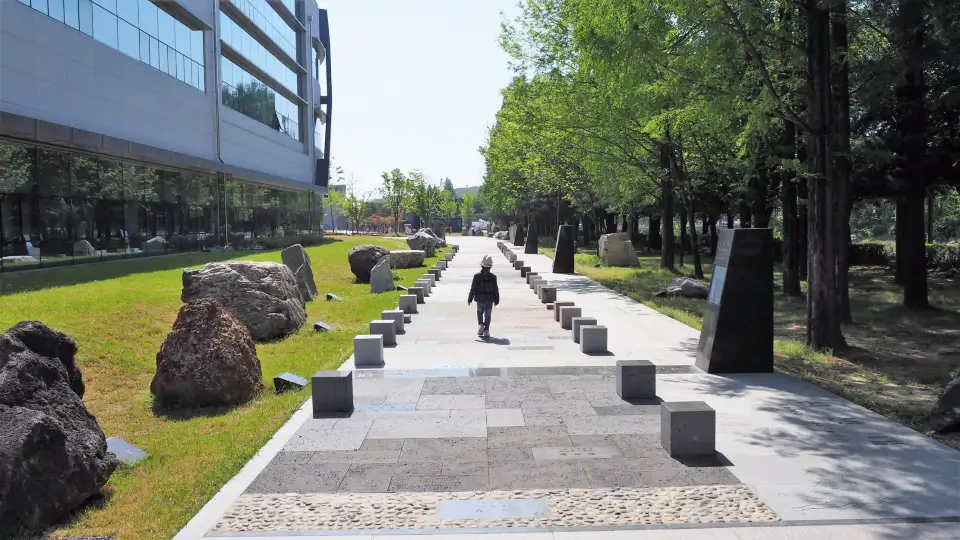
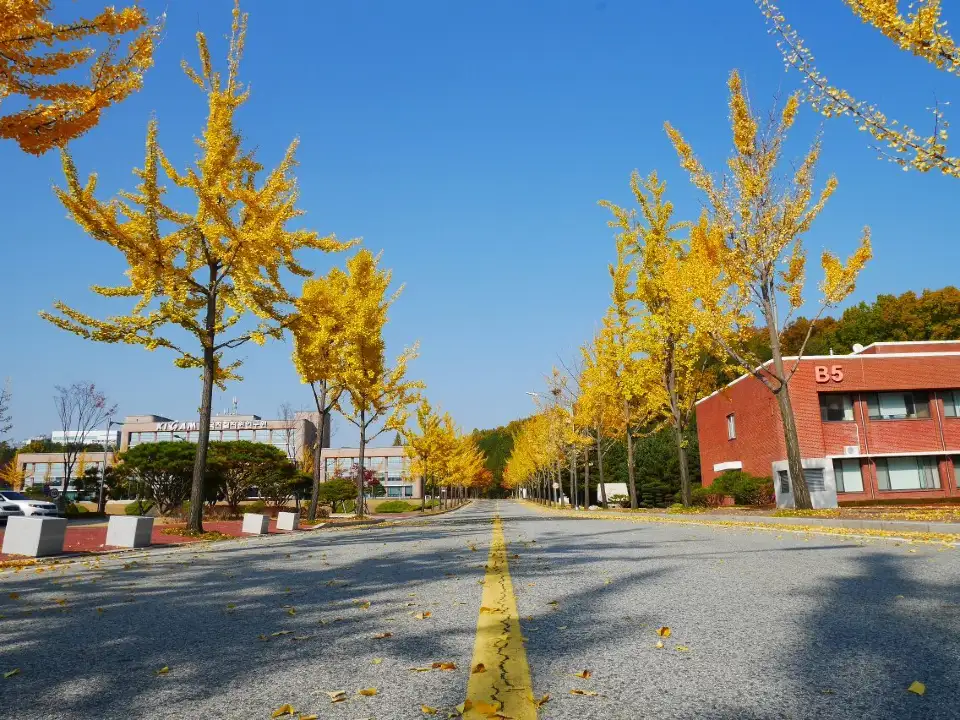
After viewing the interior, you can also include the outdoor exhibition area in your route. Visitor information states that large rocks and fossils are displayed outdoors. Unlike the specimen displays indoors, this area lets visitors compare their size and texture.
Recent visitor information also mentions that writing boards are provided for sketching geological specimens. In one case, the special exhibition room hosted an exhibition on the Hapcheon Meteorite Impact Crater, which covers traces of the second meteorite impact in Asia, in January 2025 or 2026. However, special exhibitions vary by date.
Who Should Allow Two to Three Hours and Who Can Finish Quickly
The recommended sightseeing time is two to three hours. This is an appropriate amount of time to see everything, including the dinosaur skeletons in the central hall, the rock and mineral exhibitions, the second-floor microscope experience, and the outdoor large-rock exhibition area. If you include a film screening on the second floor or waiting for interactive programs, one program alone may take 1 hour and 40 minutes, as in past records.
Some visitor assessments say that the exhibition content is somewhat detailed and more suitable for children in elementary school and older than for preschoolers. Daejeon City has also explained that weekend visitors increased as school field trips and family visits became more common. However, recent reviews also mention relatively small crowds even on weekends, so the experience may vary depending on the date and whether programs are operating.
Wheelchair Access and Points for Foreign Visitors to Check in Advance
Information from the Korea Tourism Organization states that wheelchair access is possible because there are no level differences along the main access route or at the main entrance, and that an elevator is available. Accessible restrooms are located on the first and second floors, and a nursing room is on the first floor. No separate information regarding stroller use was found.
Facilities information includes separate men’s and women’s restrooms, a video screening room, and the possibility of group visits. However, no confirmed information was found about photography restrictions or English guidance or audio guides, so visitors planning to view the exhibitions using only English should prepare a translation app.
The official website is http://museum.kigam.re.kr. According to the information in this article, opening hours are 10:00–17:00, admission closes at 16:30, and entry is free. To ask about facility inspections on the day of your visit or confirm the telephone number, call 042-868-3797 or 042-868-3798.
Before You Go
- Address
- 124 Gwahak-ro, Yuseong-gu, Daejeon Metropolitan City, Korea Institute of Geoscience and Mineral Resources
- Hours
- 10:00–17:00 (admission closes at 16:30)
- Closed
- Every Monday, the day after public holidays, and holiday periods. Some recent notices also list January 1, Lunar New Year, Chuseok, and the anniversary of the Korea Institute of Geoscience and Mineral Resources.
- Admission
- Free
- Phone
- 042-868-3797; some recent notices list 042-868-3798.
- Official site
- http://museum.kigam.re.kr
- Transport
- Take Bus 604 and get off at the Geological Museum Front stop, according to available information; reconfirm the current route.
- Parking
- Some records state that parking is free.
- Time needed
- Recommended sightseeing time: two to three hours.
- Accessibility
- Wheelchair access is possible because there are no level differences along the main access route or at the main entrance. Elevator available. Accessible restrooms available on the first and second floors. Nursing room available on the first floor. No separate information regarding stroller use was found.
The information above is current as of the time of writing. Check the official notices again before visiting.

Places
Nearby Attractions 3
-
 1
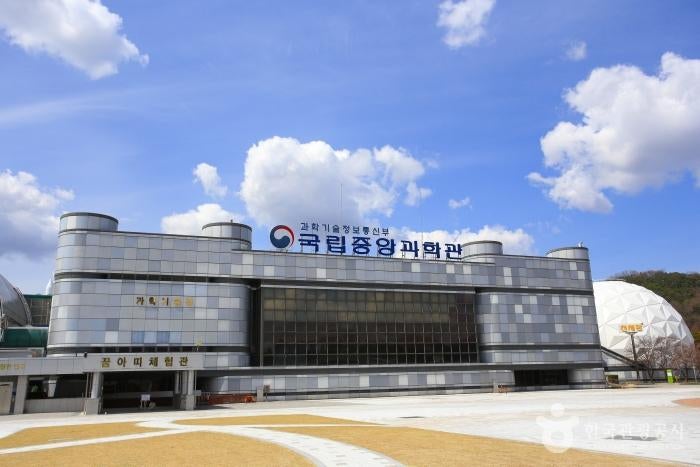
National Science MuseumA science museum where you can enjoy science and technology exhibitions, hands-on experiences, and educational programs.
1
National Science MuseumA science museum where you can enjoy science and technology exhibitions, hands-on experiences, and educational programs. -
 2
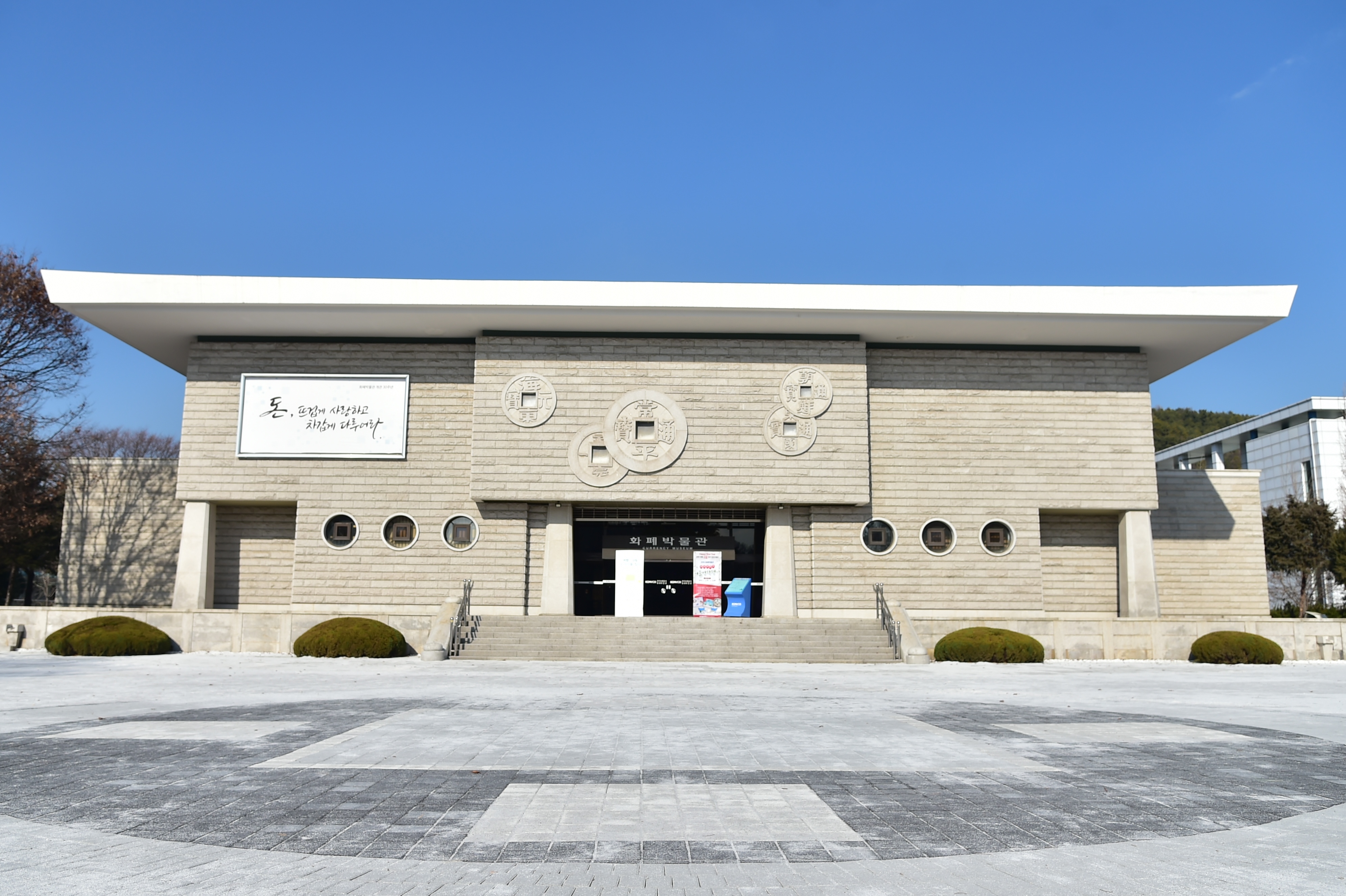
Korea Minting, Security Printing & ID Card Operating Corp. Currency MuseumA museum exploring the history and culture of currency in Korea and around the world.
2
Korea Minting, Security Printing & ID Card Operating Corp. Currency MuseumA museum exploring the history and culture of currency in Korea and around the world. -
 3
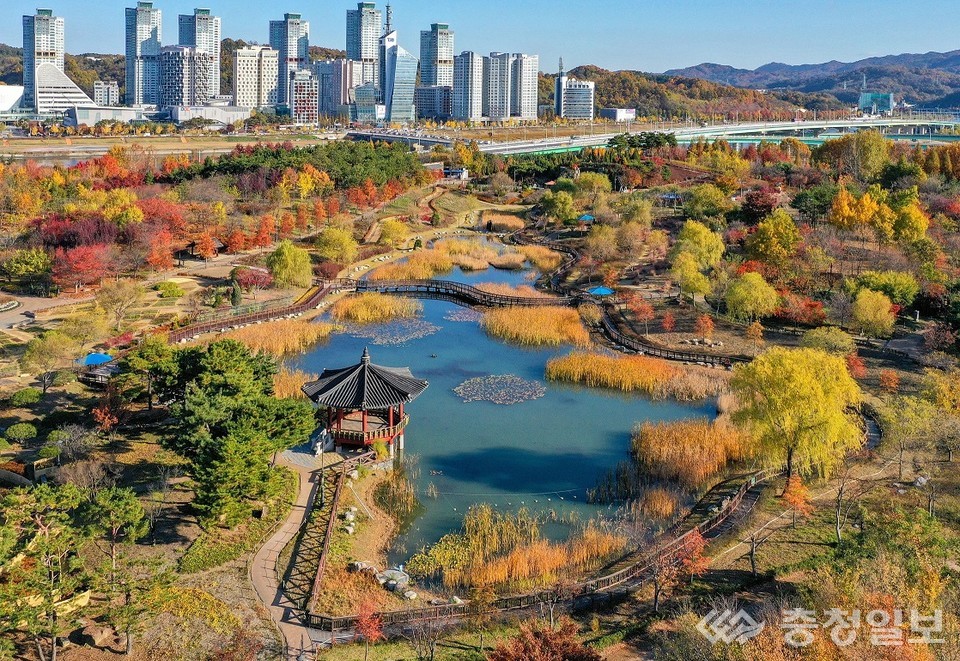
Hanbat ArboretumAn urban arboretum where you can stroll through 19 themed gardens and a tropical plant garden.
3
Hanbat ArboretumAn urban arboretum where you can stroll through 19 themed gardens and a tropical plant garden.
Food & Dining 2
-
 4
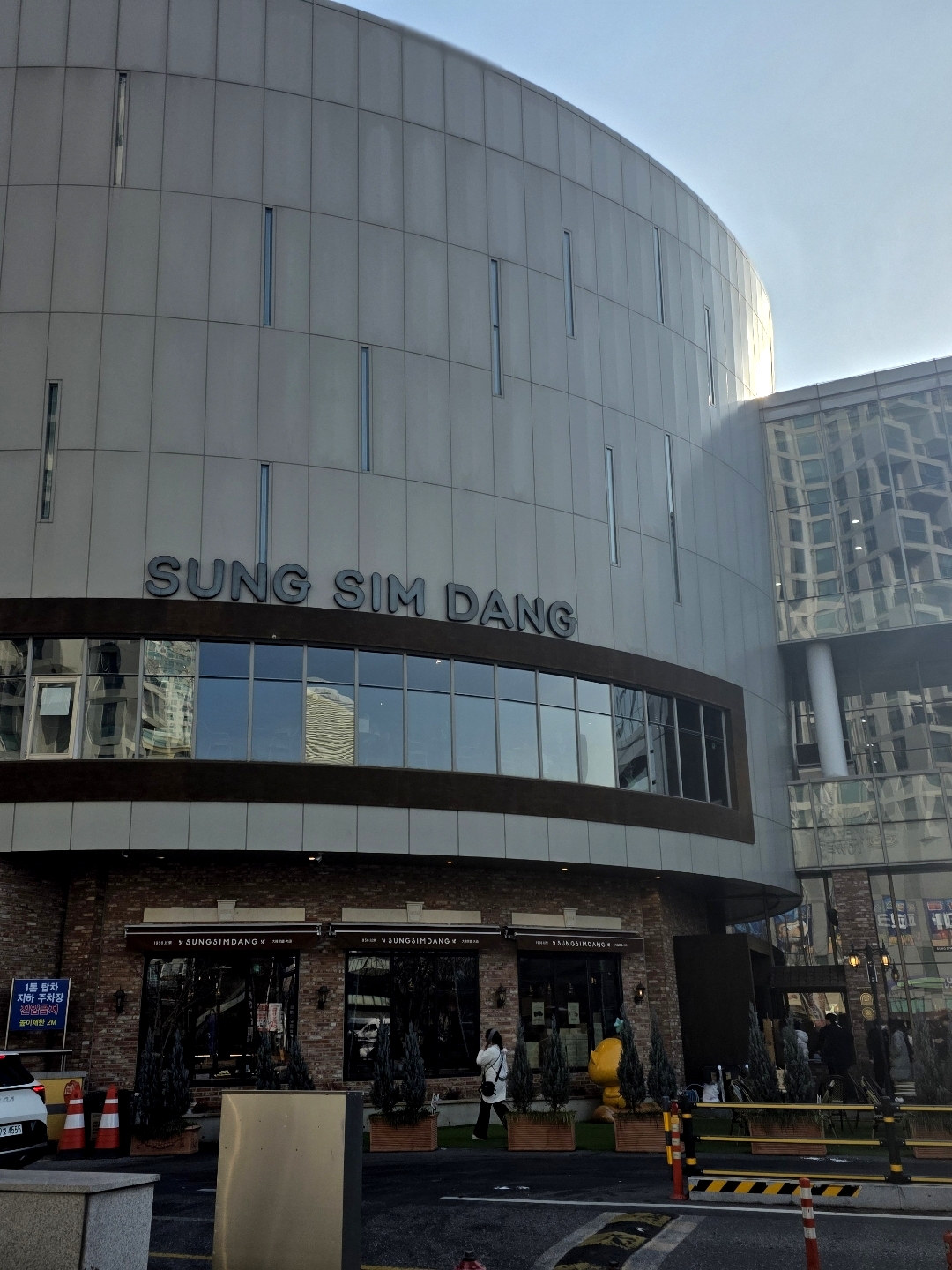
Sungsimdang DCC BranchA bakery where you can enjoy Daejeon’s signature breads, including fried soboro bread and chive bread.
4
Sungsimdang DCC BranchA bakery where you can enjoy Daejeon’s signature breads, including fried soboro bread and chive bread. -
 5
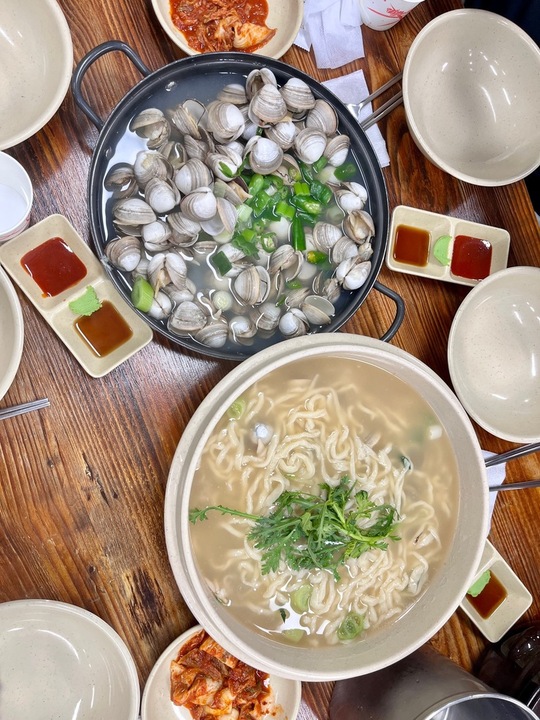
Ossi Kalguksu Doryong BranchA specialty kalguksu restaurant serving mulchong kalguksu and seafood pajeon.
5
Ossi Kalguksu Doryong BranchA specialty kalguksu restaurant serving mulchong kalguksu and seafood pajeon.
Events in This Area
Festivals in This Area
More Travel Guides in This Area
 Travel Guide
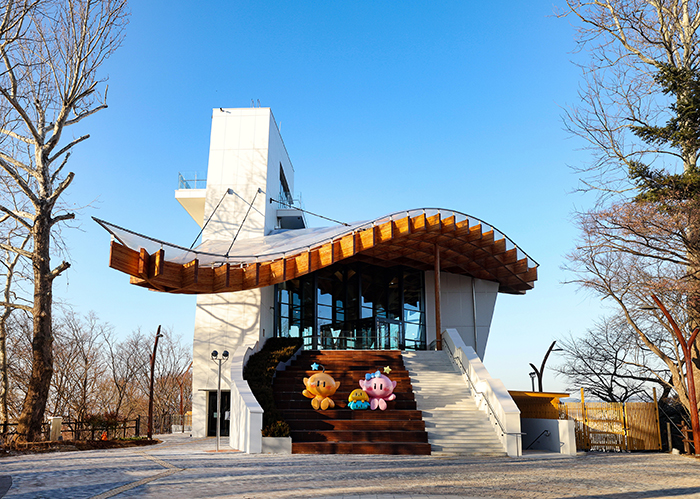
From the 93 m Hanbit Tower to Expo Bridge: Exploring Daejeon’s Science Cityscape
 Travel Guide
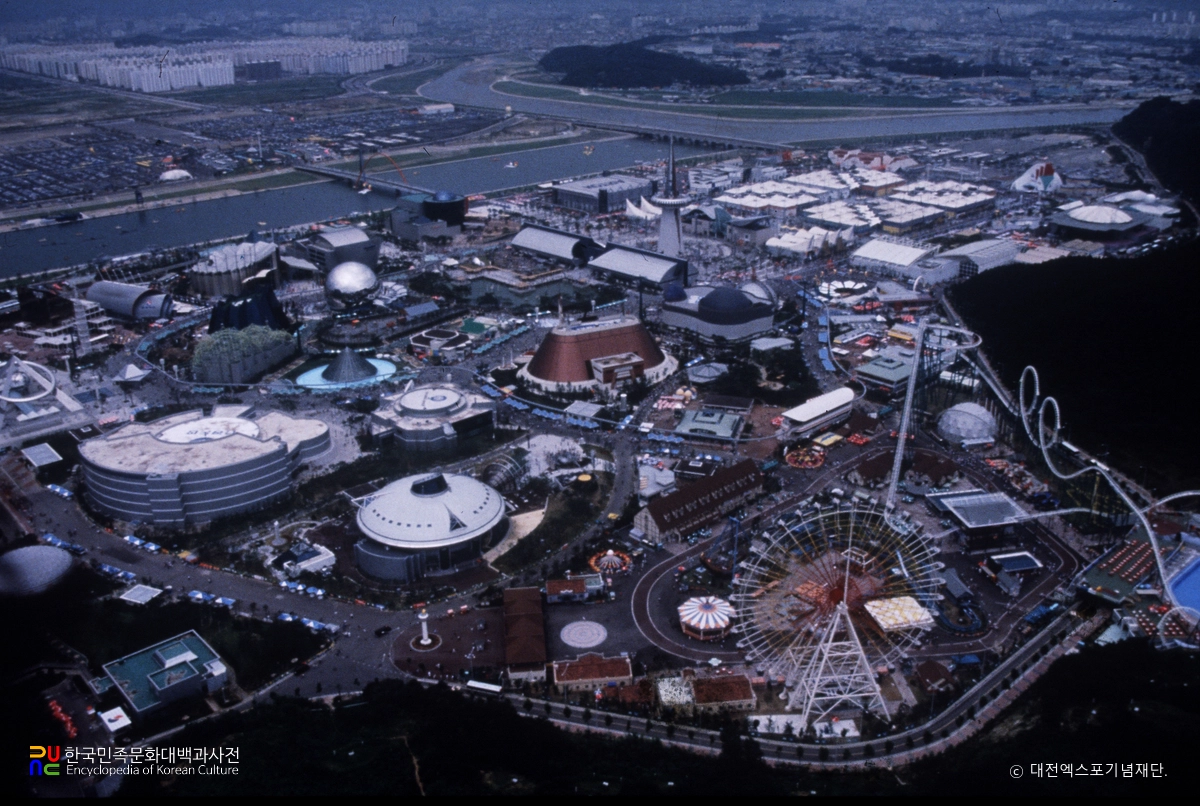
Traces of the 1993 Daejeon Expo Read from the 93m Hanbit Tower
 Travel Guide
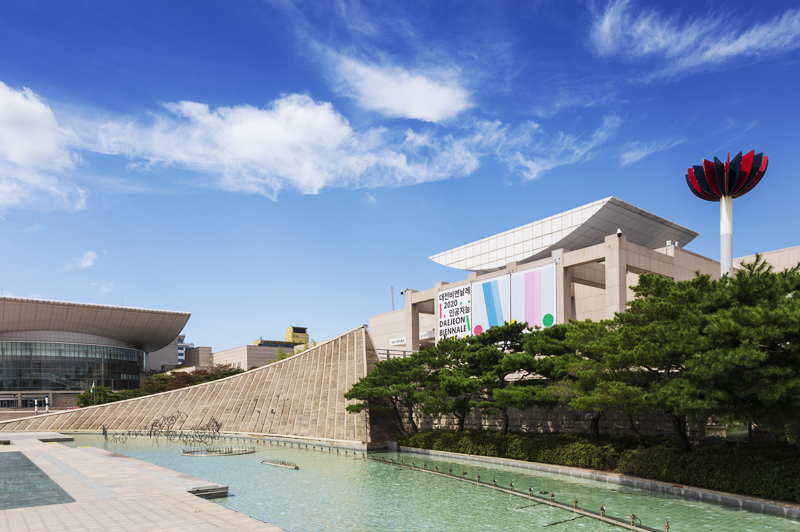
Daejeon Museum of Art in the 28,827㎡ Dunsan Grand Park: How to See the Exhibitions and Storage Facilities Together
 Travel Guide
Between the Government Complex and Expo: How to Walk Through the 420,000 m² Hanbat Arboretum
Korea News
 News
News
‘NewJeans Expulsion’ Danielle Releases Her First YouTube Video… “We Don’t Know What Will Happen Next”
![aespa’s North American Tour Has Remaining Seats Despite ‘$49’ Bargain Prices… A Stark Popularity Gap with KATSEYE [TEN Starfield]](https://kotourlive-images.s3.ap-northeast-1.amazonaws.com/news/1788485037424_a59b1932_naver_rank_thumb_0000774618_1788485037424.jpg) News
News
aespa’s North American Tour Has Remaining Seats Despite ‘$49’ Bargain Prices… A Stark Popularity Gap with KATSEYE [TEN Starfield]
![[Photo] TWICE’s Dahyun attends a film festival red carpet as an actress](https://kotourlive-images.s3.ap-northeast-1.amazonaws.com/news/1788485316508_edd43ecd_news_870a60a6-6f11-4d73-aa7c-48d91318a0f7.jpg) News
News
[Photo] TWICE’s Dahyun attends a film festival red carpet as an actress
![[On-Site Video] “We’re Departing Separately Together”… BIGBANG Begins ‘COSMOS’ World Tour](https://kotourlive-images.s3.ap-northeast-1.amazonaws.com/news/1788485226518_c5719641_news_fdd4764a-0f4e-4968-8e4e-e98a02872f88.jpg) News
News