The 1592 Record Left by Treasure No. 1334, Daegu Wolgok Historical Museum
Wolgok Historical Museum is a small museum where you can encounter tangible relics of local righteous army history, focusing on materials about Wolgok Woo Bae-seon (1569–1621), who led the righteous army in the Daegu and Hwawon area during the Imjin War. Walking through Wolgok Historical Park, Nakseong Seowon, and Yeollakdang together links the records in the exhibition hall to the memories of a family lineage and the local community.

I’ve been here?
Your check-in helps the next traveler.
23 people viewed this week Be the first
One tap — no writing needed
Why the Memories of Woo Bae-seon and Wolchon in Sangin-dong from 1569 Became a Museum
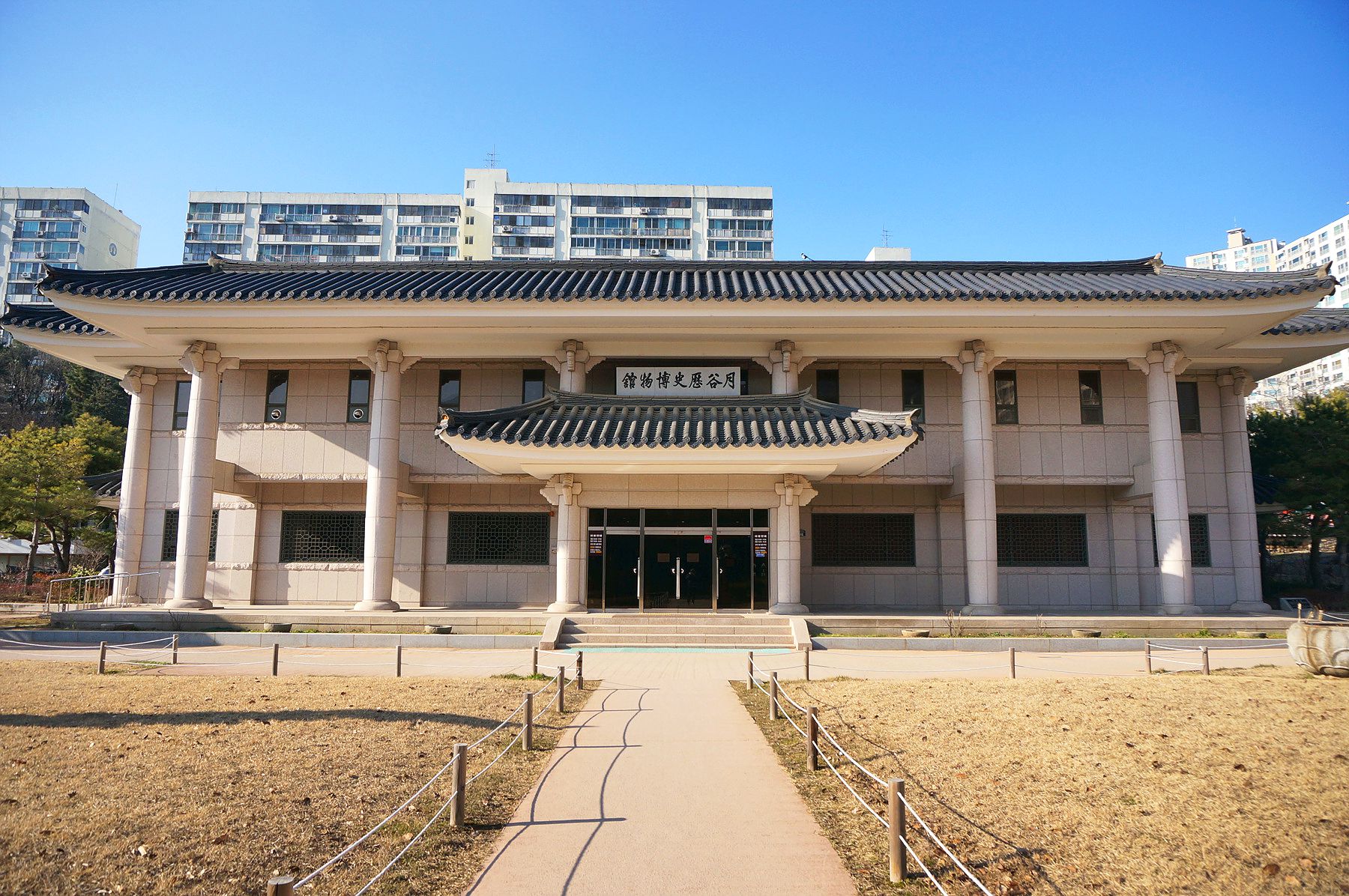
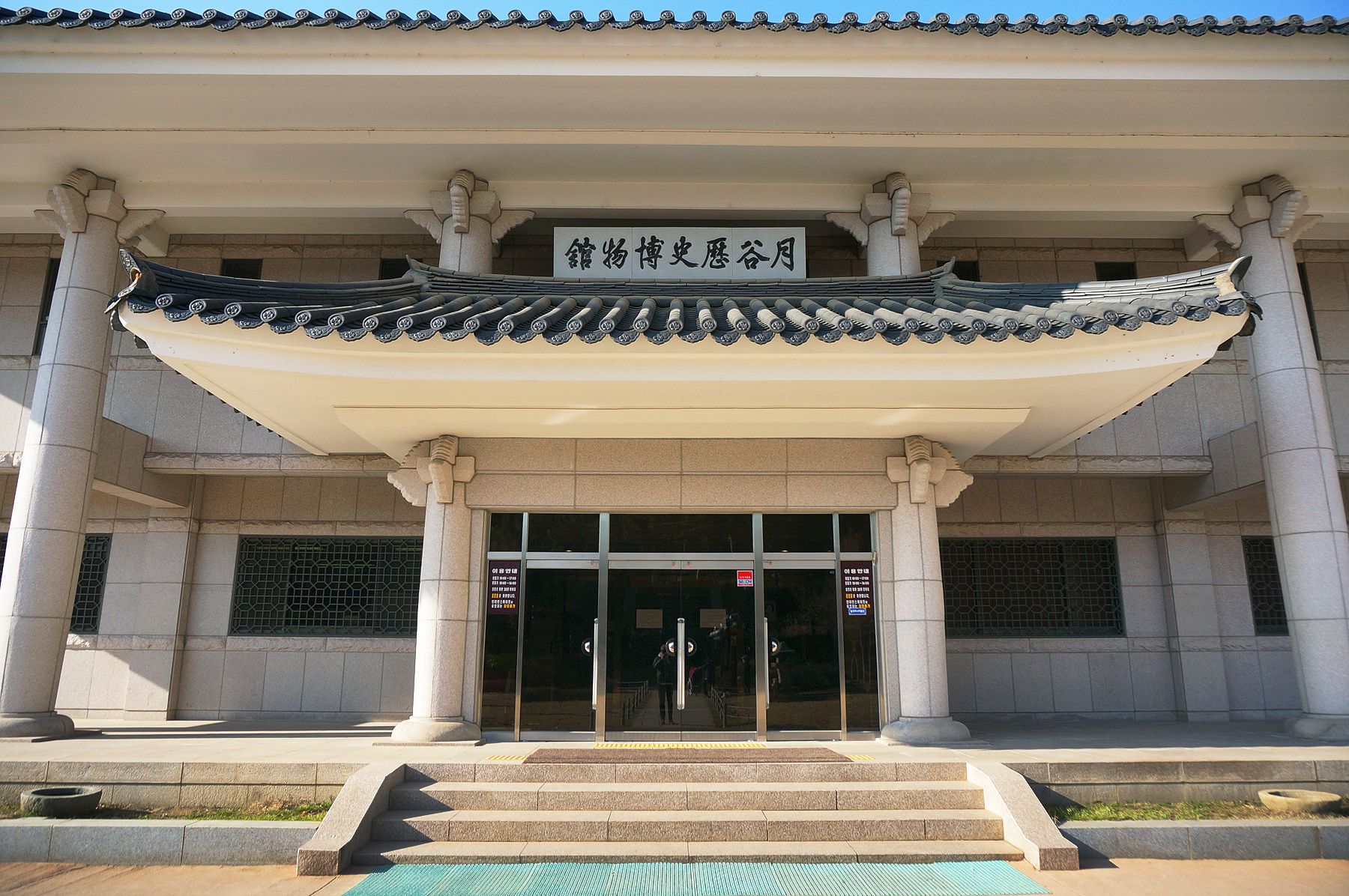
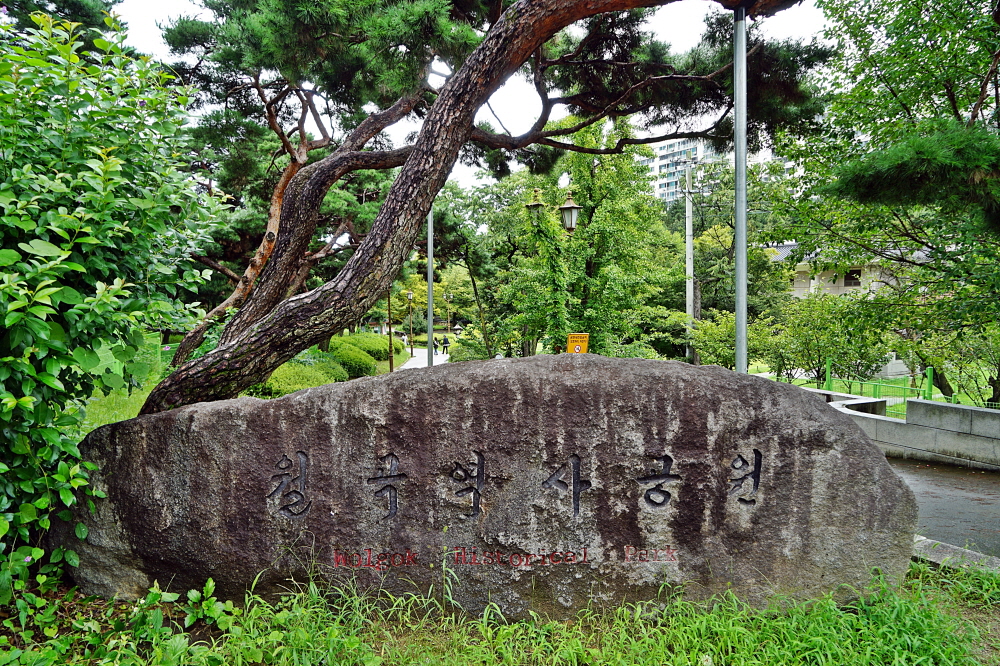
Wolgok History Museum is located within Wolgok History Park at 38, Songhyeon-ro 7-gil, Dalseo-gu, Daegu. The name 'Wolgok,' used for both the museum and the park, comes from the pen name of Woo Bae-seon (1569–1621), a Righteous Army leader during the Imjin War. When the Imjin War broke out in 1592, Woo Bae-seon organized a Righteous Army at the age of 24 and was active in the Hwawon and Daegu areas. In 1604, he was recorded as a first-class Seonmu Wonjong Merit Subject.
It is more accurate to understand this location as a site where the space of the Danyang Woo clan and the park are connected, rather than just viewing an independent exhibition building. Wolgok History Park was opened in 2002 by combining the sites of Nakdongseowon Confucian Academy and a botanical garden once owned by the Danyang Woo clan, and the museum is also introduced as having been established by the clan in the same year.
Clues to Battles Found in Treasure No. 1334, 'Hwawon Woo Bae-seon Uibyeongjin Gungongchaek'
The core material here is Treasure No. 1334, 'Hwawon Woo Bae-seon Uibyeongjin Gungongchaek' (Military Merit Record of Woo Bae-seon's Righteous Army). This document consists of 20 items across 12 types, including military merit records, certificates, petitions, and orders. It is known to record the timing, location, and achievements of battles fought by Woo Bae-seon and 89 subordinates between 1592 and 1593. It is a local historical resource that allows for tracking who participated in which battle, rather than explaining the Imjin War solely as a heroic narrative.
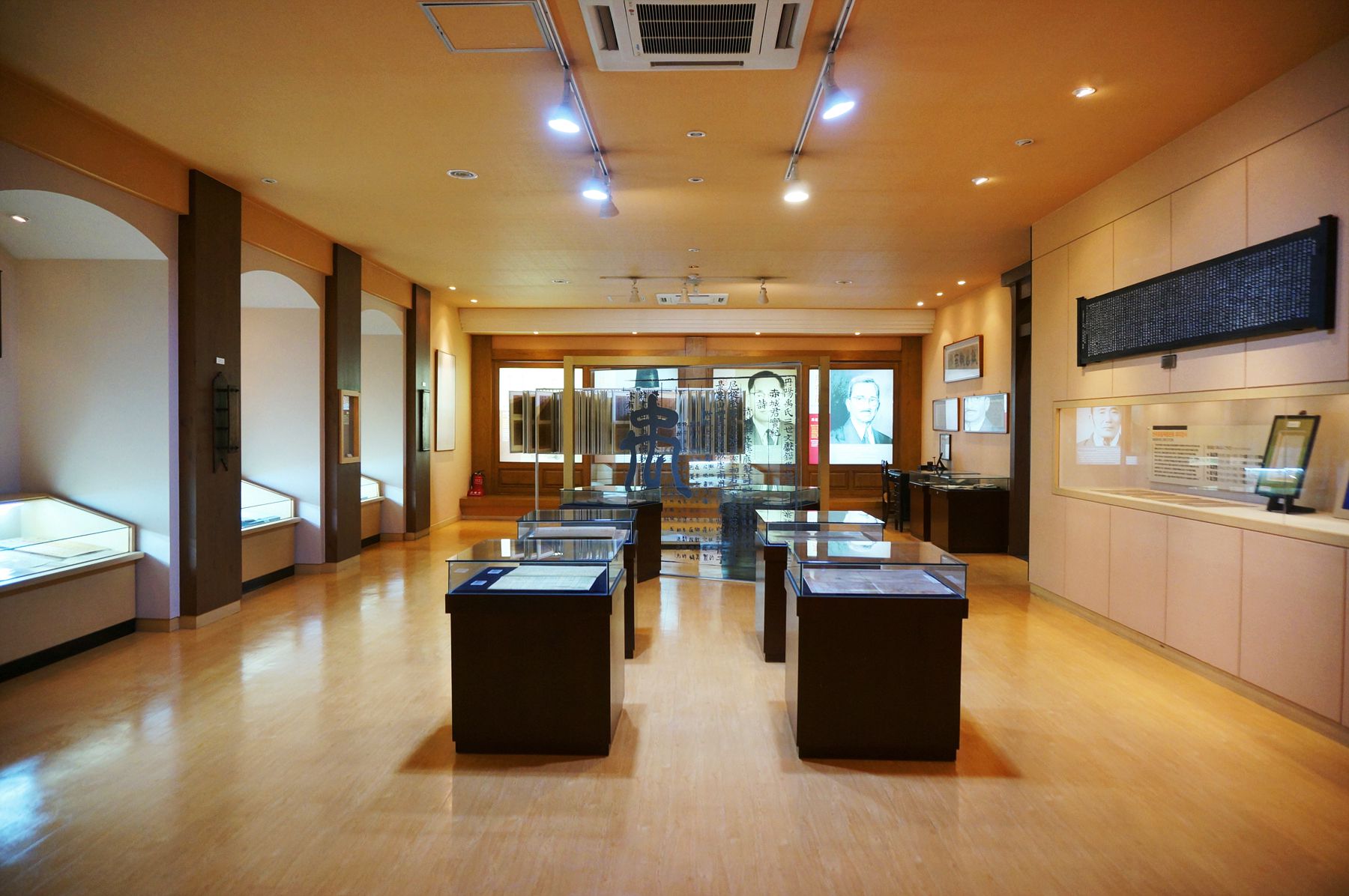
When viewing the exhibition, it is recommended not to just quickly pass by the military merit record but to compare it with other materials related to Woo Bae-seon. The museum's introductory materials mention 'Changuiyurok,' royal edicts (gyoji) from ancestors, and old books, and artifacts showing Righteous Army activities in the Daegu area are also presented for display. Since the actual scope of public disclosure and the condition of the exhibition may vary on the day of your visit, it is safer to receive guidance on-site first.
The Order of Viewing: Dividing the 1st Floor Agricultural Life Hall and the 2nd Floor Wolgokgong Archive
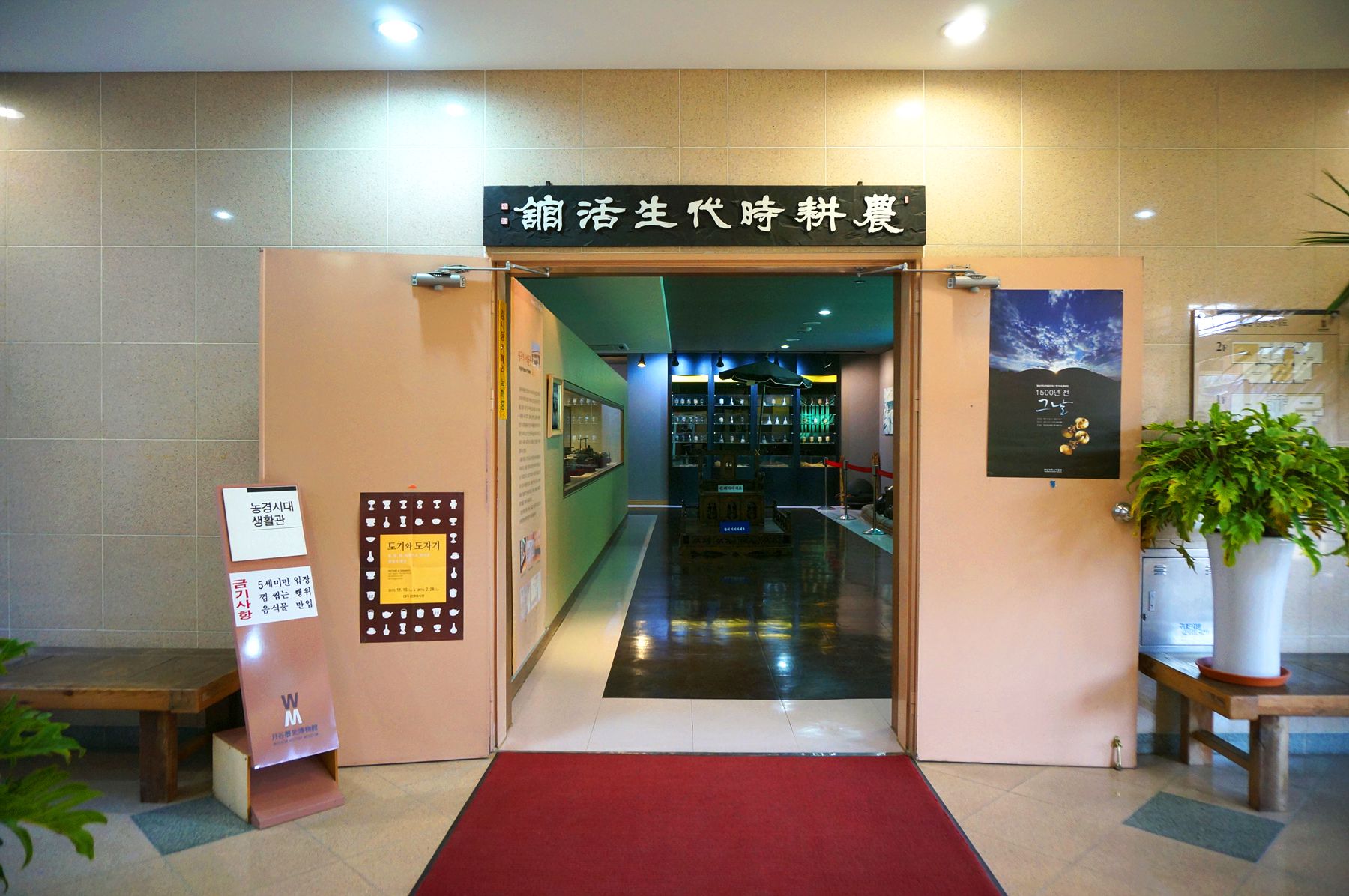
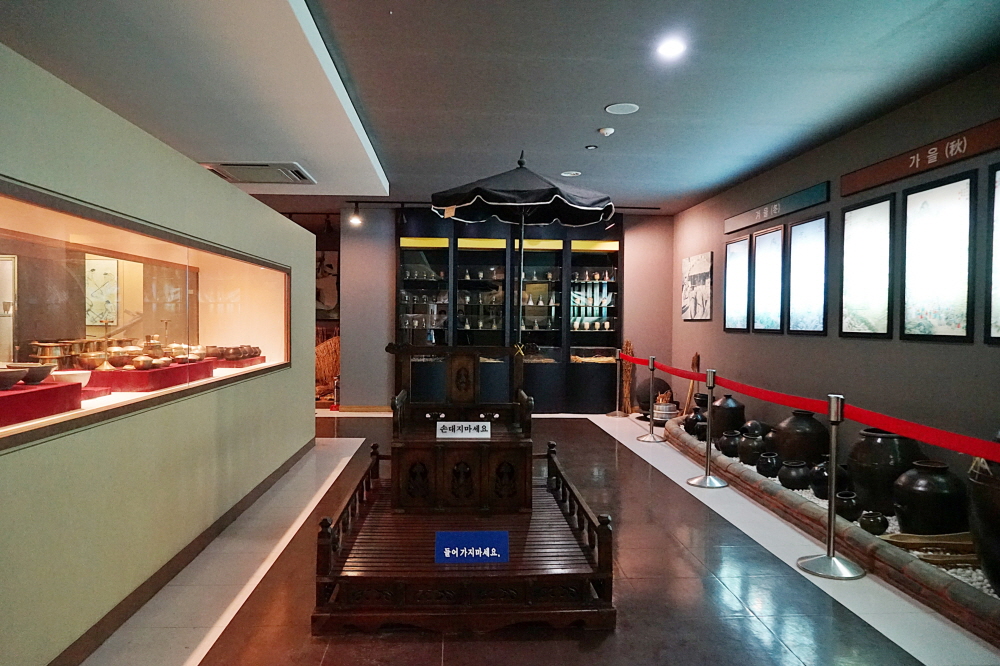
According to introductory materials, the first floor of the museum consists of an Agricultural Life Hall, which is known to exhibit about 500 household items and farming tools collected by the clan. By connecting these with outdoor folk exhibits in the park, such as millstones, mortars, and treadmill pestles, it is easy to understand why materials on clan history and rural life history are placed together inside and outside a single building.
The second floor is introduced as being divided into the Wolgokgong Archive, the Ancestral Archive, the Library, and the Modern Archive. Therefore, the natural order of viewing is to see the life history materials on the first floor first, and then view Woo Bae-seon's Righteous Army activities and clan documents on the second floor. If the goal is only the indoor exhibition, it takes about 30–40 minutes; if you include the park, monuments, and the area around Nakdongseowon, it is better to set aside 60–90 minutes.
Connecting Nakdongseowon, Yeollakdang, and the Righteous Army Monument inside the 2002 Park
On the hill to the right of the museum is Nakdongseowon Confucian Academy. It is introduced that Nakdongseowon was originally Deokdongseowon, but after being abolished by the decree to close Confucian academies, it was rebuilt in 1965 under the name Nakdongseowon. This academy enshrines the spirit tablets of five individuals: Woo Tak, Woo Hyeon, Woo Gil-saeng, Woo Hyeon-bo, and Woo Bae-seon.
The park also contains the Woo Bae-seon Righteous Army Monument erected in 1992, Yeollakdang, and various monuments and statues related to Woo Bae-seon. The Sophora tree around Sangin-dong 905 is a protected tree about 400 years old associated with Woo Bae-seon and is included in Daegu City's urban forest plan. After visiting the museum, a short and easy-to-understand route is to view the monuments around the building, check the direction of the academy on the hill, and then come down to the park's walking path.
Sangin-dong with Daegu's Double Cherry Blossoms and Bamboo Forest: Seasons to Combine with Indoor Viewing
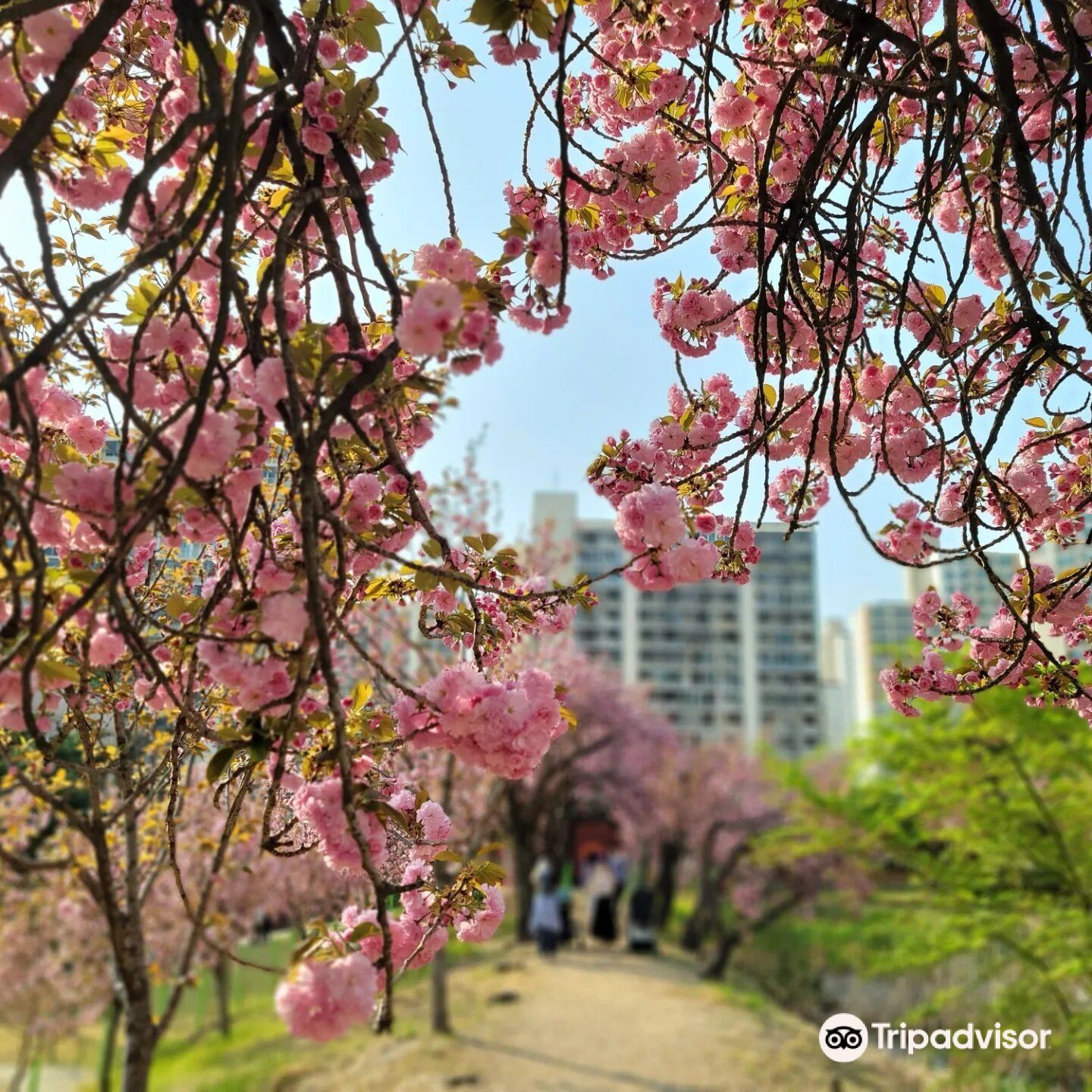
Wolgok History Park is not just a front yard for the museum. Park introductory materials mention a bamboo forest, pine trees, a pond, walking paths, a children's playground, and exercise facilities. Dalseo-gu tourism introductions list the double cherry blossoms in spring, autumn foliage, and the evergreen pine and bamboo forests as features of this park.
If you plan to include flower viewing or an outdoor walk, keep in mind the blooming period of double cherry blossoms in spring and the foliage season in autumn, while considering that these dates vary each year depending on the temperature. Conversely, if you intend to focus on the Righteous Army materials and architecture, it is best to check the availability of the museum's indoor exhibition on a weekday afternoon by phone first. Past records show instances of restricted indoor viewing during the COVID-19 period, so one should not assume that the park's opening and the museum's indoor exhibition operation are the same.
Preparing for Your Visit: Calling 053-667-2798 First to Inquire About Indoor Exhibition Opening
The information number for Wolgok History Park is 053-667-2798. Based on park guidelines, admission is free and it is open year-round. However, since this information applies to the park, it is necessary to separately confirm the opening hours, closing days, and the availability of guided tours for the Wolgok History Museum's indoor exhibition hall before departing. An independent official website or regular operating hours for the museum could not be confirmed.
The address is 38, Songhyeon-ro 7-gil, Dalseo-gu, Daegu. Information regarding parking operation and fees, wheelchair and stroller routes, and the availability of foreign language guidance has not been confirmed in reliable recent updates, so a phone inquiry is necessary. While there are records of the first-floor lobby of the building being used as a public facility, it is difficult to see this as a basis for always-available barrier-free viewing facilities.
- Park Admission: Free
- Park Holidays: Open year-round
- Inquiry Phone: 053-667-2798
- Recommended Stay: 30–40 minutes for the museum, 60–90 minutes including the park
- Check before visiting: Museum indoor exhibition opening hours, commentary, parking, and accessibility
The Significance of the 2007 Hwawon Area Tourism Route Extending to Daegu Arboretum
The Hwawon area tourism route presented in Daegu City's 2007 official bulletin included Wolgok History Museum, Daegu Arboretum, Hwawon Hill, and the Nampyeong Moon Clan Bon-ri Settlement in sequence. In other words, the museum in Sangin-dong can be seen as a starting point to view the history of the Imjin War Righteous Army and clan relics near the city center before moving on to the life history and landscapes of Dalseo-gu and Dalseong-gun.
If you combine Daegu Arboretum or Hwawon Hill on the same day, you must separately check the individual operating hours and transportation for each location. Wolgok History Museum is more suitable for travelers who want to connect treasure-designated documents, Righteous Army history, Confucian academies, and clan relics in one place, rather than those expecting constant programs and convenience facilities like a large national or public museum.
Before You Go
- Address
- 38, Songhyeon-ro 7-gil, Dalseo-gu, Daegu
- Closed
- Open year-round based on Wolgok History Park (separate confirmation required for museum indoor exhibitions)
- Admission
- Free (Based on Wolgok History Park information)
- Phone
- 053-667-2798
- Time needed
- 30–40 minutes for the museum, 60–90 minutes including Wolgok History Park and the Nakdongseowon area
The above information is current as of the time of writing. Please check official announcements again before visiting.

More Travel Guides in This Area
 Travel Guide
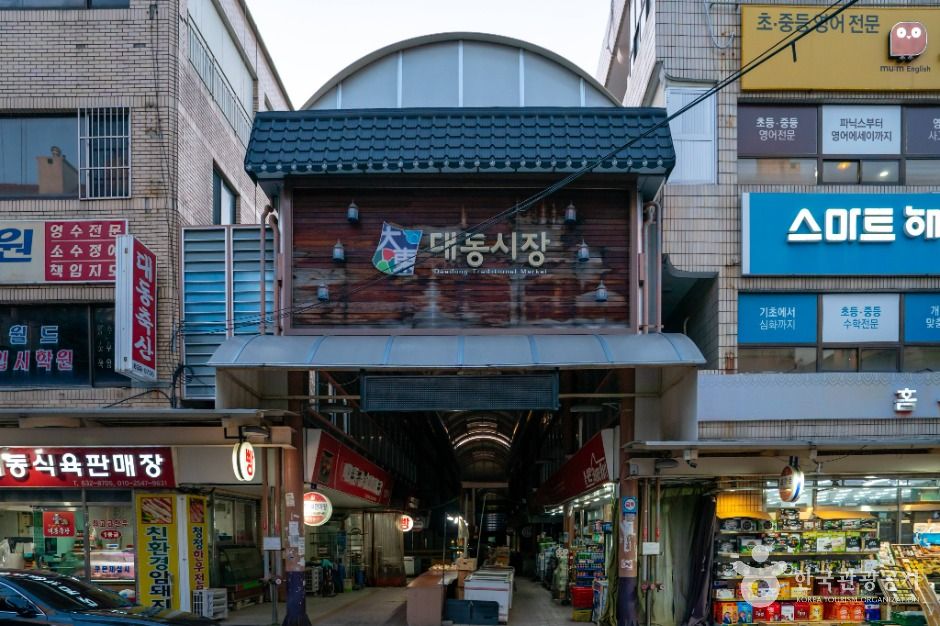
Daedong General Market, which began in Sangin-dong in 1987, a neighborhood market between Wolbae Station and Sangin Station
 Travel Guide
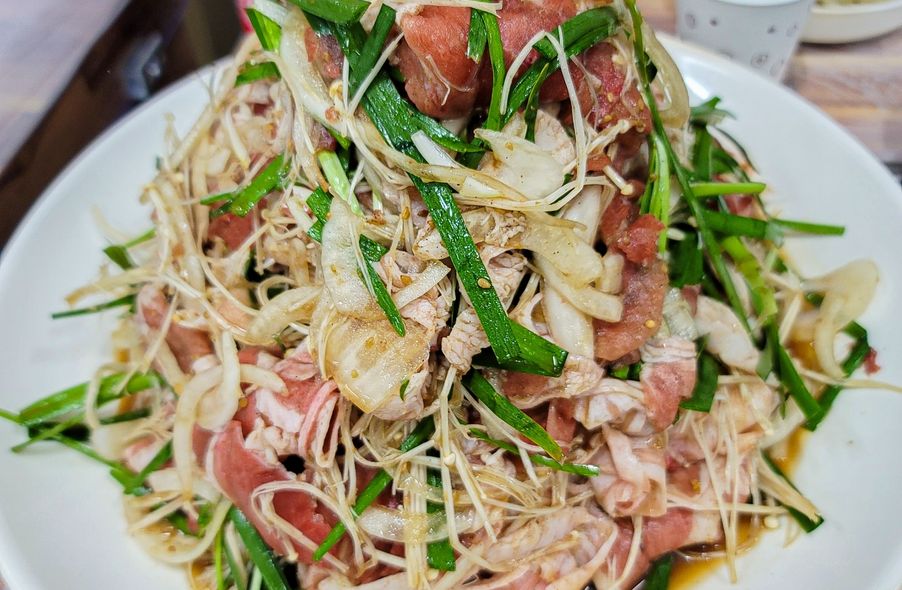
How to Finish a Plate of Duck Bulgogi at the Foot of Apsan: Cheonyeonae
 Travel Guide
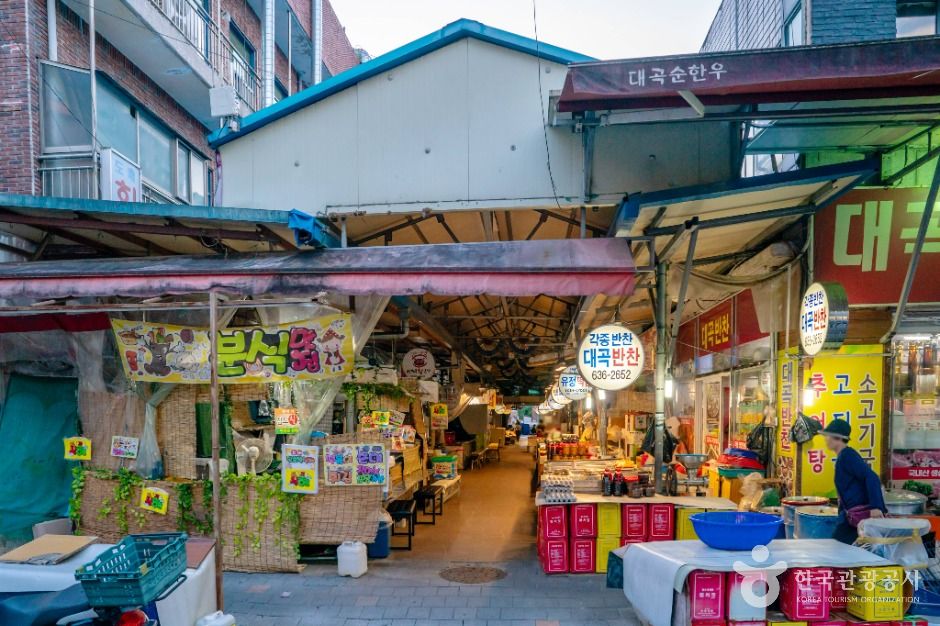
Daegok Market, Opened in 1997, in the Do-won-dong Apartment Living Area
 Travel Guide
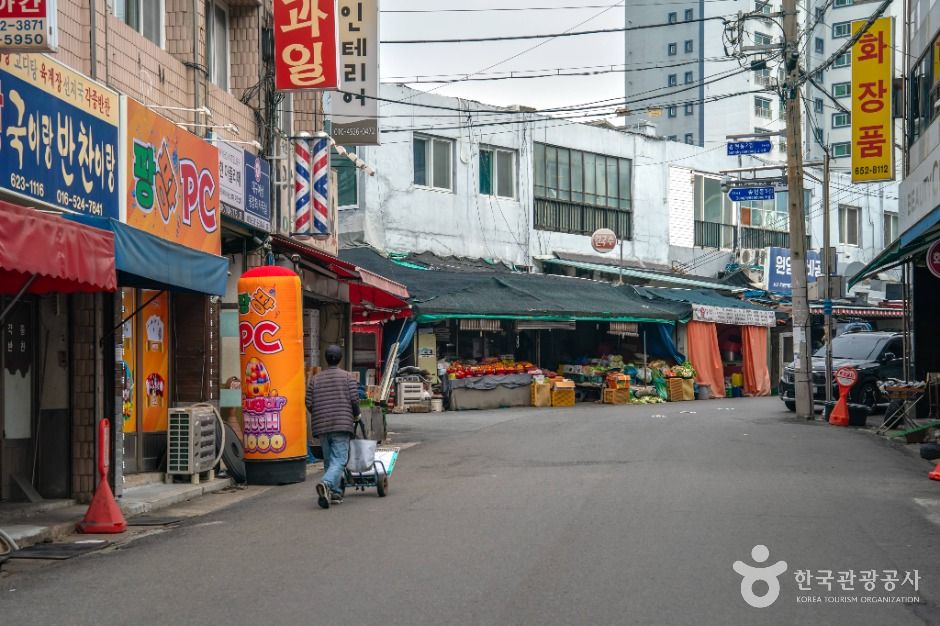
1 minute from Songhyeon Station, 8 everyday market stalls remaining since 1982
Korea News
 News
News
‘NewJeans Expulsion’ Danielle Releases Her First YouTube Video… “We Don’t Know What Will Happen Next”
![aespa’s North American Tour Has Remaining Seats Despite ‘$49’ Bargain Prices… A Stark Popularity Gap with KATSEYE [TEN Starfield]](https://kotourlive-images.s3.ap-northeast-1.amazonaws.com/news/1788485037424_a59b1932_naver_rank_thumb_0000774618_1788485037424.jpg) News
News
aespa’s North American Tour Has Remaining Seats Despite ‘$49’ Bargain Prices… A Stark Popularity Gap with KATSEYE [TEN Starfield]
![[Photo] TWICE’s Dahyun attends a film festival red carpet as an actress](https://kotourlive-images.s3.ap-northeast-1.amazonaws.com/news/1788485316508_edd43ecd_news_870a60a6-6f11-4d73-aa7c-48d91318a0f7.jpg) News
News
[Photo] TWICE’s Dahyun attends a film festival red carpet as an actress
![[On-Site Video] “We’re Departing Separately Together”… BIGBANG Begins ‘COSMOS’ World Tour](https://kotourlive-images.s3.ap-northeast-1.amazonaws.com/news/1788485226518_c5719641_news_fdd4764a-0f4e-4968-8e4e-e98a02872f88.jpg) News
News