Discovering Daegu’s Modern Life in a 1932 Bank Building
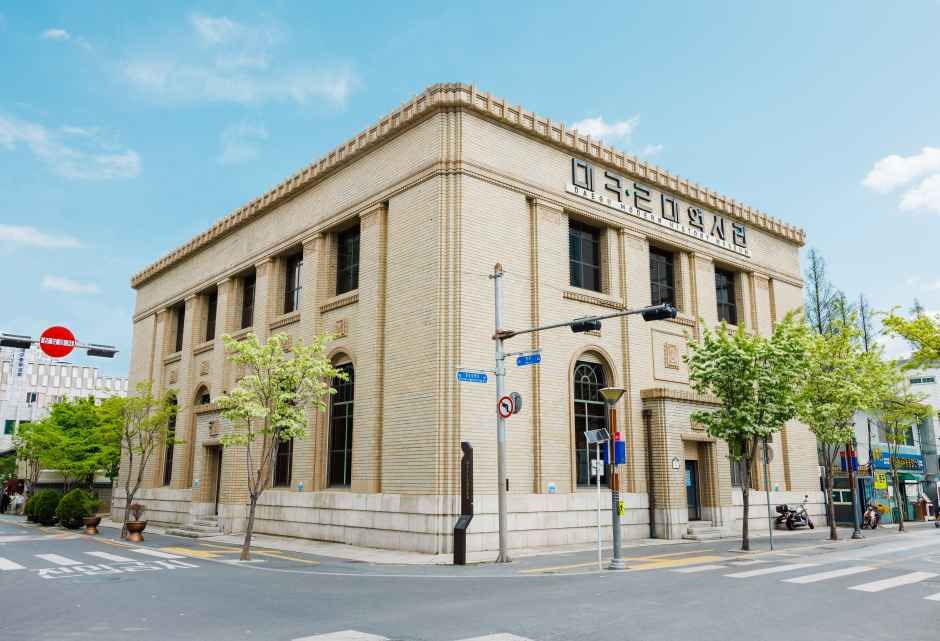
Daegu Modern History Museum is a free museum housed in a Renaissance-style building constructed in 1932 as the Daegu branch of the Chosun Industrial Bank. Accessible from Exit 4 of Jungangno Station, it is a great place to spend 1–2 hours exploring Daegu’s urban transformation and everyday objects from the era.

I’ve been here?
Your check-in helps the next traveler.
18 people viewed this week Be the first
One tap — no writing needed
From Exit 4 of Jungangno Station to 67 Gyeongsanggamyeong-gil
You can access the Daegu Modern History Museum via Exit 4 of Jungangno Station on Daegu Metro Line 1. The address is 67 Gyeongsanggamyeong-gil, Jung-gu, Daegu (Pojeong-dong), and the postal code is 41918. The museum is right next to Gyeongsanggamyeong Park.
Daegu City guidance introduces a route that goes straight from the entrance of Gyeongsanggamyeong Park toward Jongno Elementary School, then continues about 100 m farther in the direction of Daegu Jungbu Police Station to reach the Daegu Modern History Museum. Bus routes and stop names were not identified in the publicly available information, and official guidance states that there are no parking facilities, so access by metro is more practical than by car.
09:00–18:00: Why you must enter before 17:30
Visiting hours are 09:00–18:00, and the last admission is at 17:30. Admission is free, so you do not need to purchase a separate ticket; however, if you arrive late in the afternoon, you cannot enter during the final 30 minutes. Based on visitor information, the recommended visiting time is 1–2 hours.
The regular closing day is every Monday; if Monday is a public holiday, the museum closes the following day. It is also closed on January 1 and on the day of Seollal and Chuseok. The main inquiry number is 053-430-7910, and docent reservations are handled at 053-606-6430.
From the 1932 Joseon Industrial Bank to the 2011 history museum
The present building was constructed in 1932 as the Daegu branch of the Joseon Industrial Bank. Built in the Renaissance style and well preserved in its original form, the building itself reveals that this was once a modern financial space in Daegu before you view the exhibitions.
From 1954, it was used as the Daegu branch of the Korea Development Bank, and in 2003 it was designated a Daegu municipal tangible cultural heritage. The Daegu Modern History Museum opened on January 24, 2011, and occupies a space of 1,971 m² across two above-ground floors and one basement floor.
How to explore Daegu by period and theme across two floors above ground
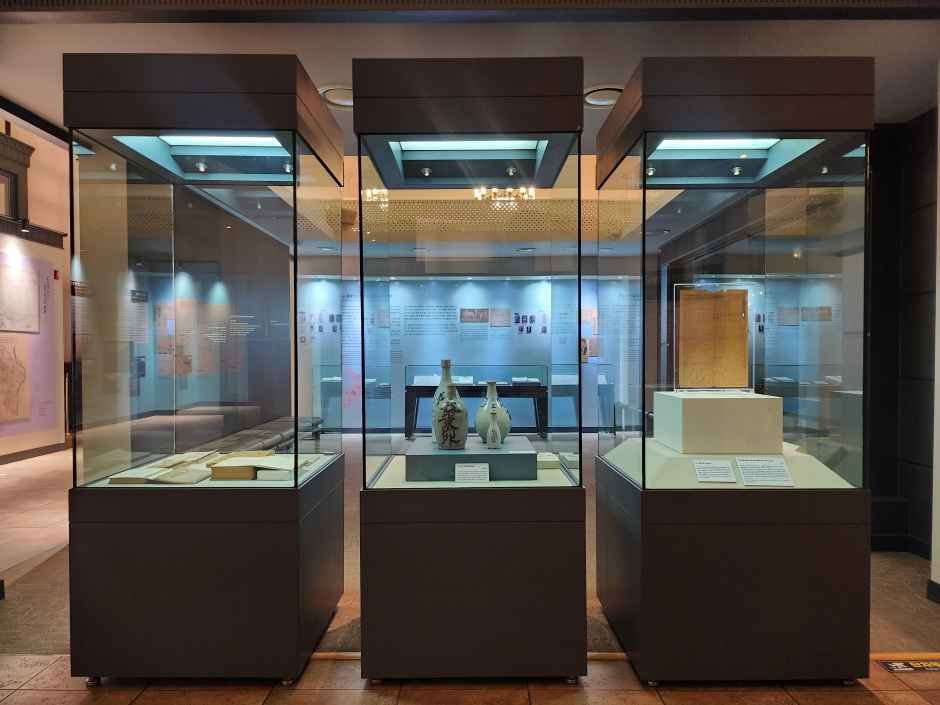
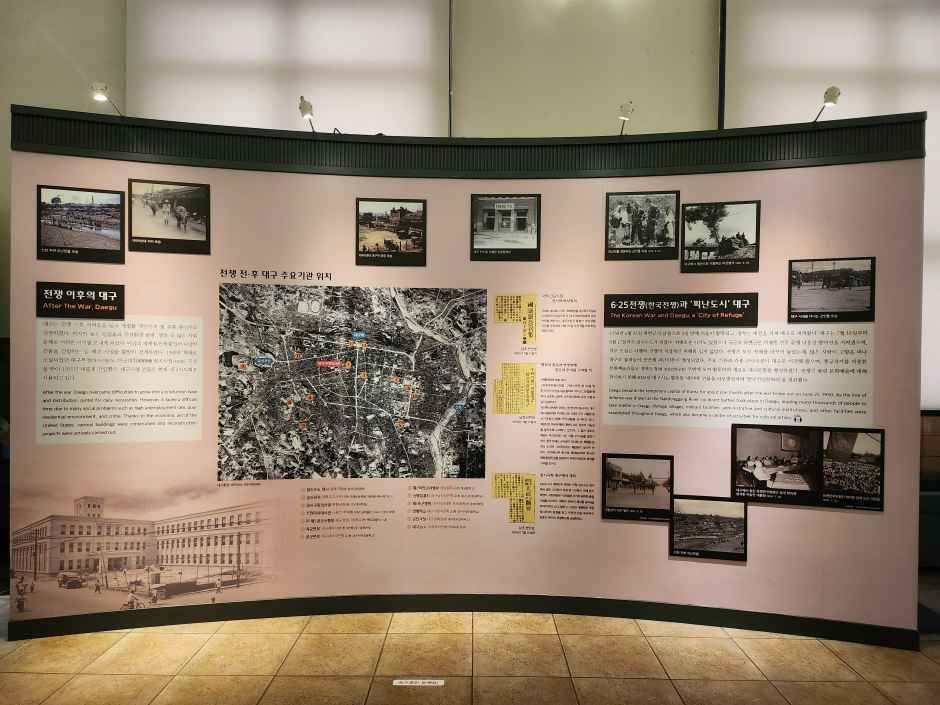
The permanent exhibition covers modern Daegu and the daily lives of people at the time, presenting Daegu’s modern history by period and theme. The exhibition space includes a Joseon Industrial Bank room, and the vault of the former Joseon Industrial Bank is also presented as an exhibition feature.
In the “Scent of Life” section, you can explore daily life in Daegu as it transformed into a modern city through a rickshaw, radio, and telephone. The collection introduced on the official website includes a bird’s-eye view of the Daegu area, a map of Daegu’s streets, a map of Daegu, a telephone directory, records, and graduation photographs, allowing visitors to view urban maps alongside materials from individual lives.
An easily missed exhibition in the 1929 Buyoung Bus video experience room
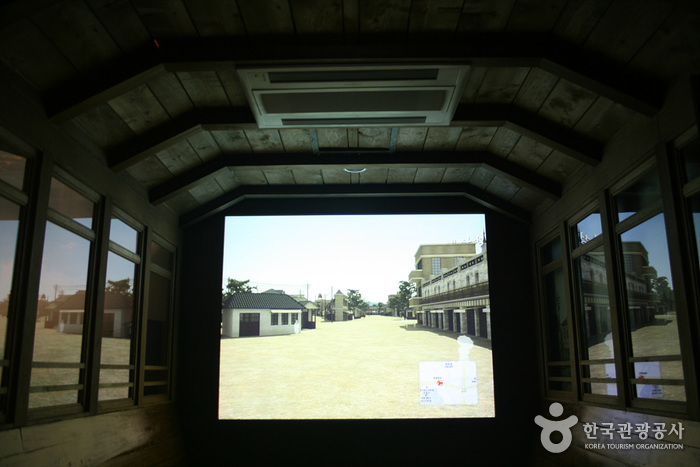
The museum has a space where visitors can experience Buyoung Bus, Korea’s first city bus. Introduced in 1929, Buyoung Bus operated on Daegu’s streets, and the facility includes a Buyoung Bus video experience room. Rather than simply presenting transportation materials, the exhibition shows how urban mobility in Daegu changed.
In addition to the exhibitions, there is an experience room and a cultural lecture room. The collection introduced on the official website also includes an oil lamp, a grain winnower, a charcoal iron, flint, a spinning wheel, an abacus textbook, a village credit union passbook, and the Daehan Maeil Sinbo newspaper. Therefore, instead of leaving after viewing only the building’s history, it is easier to understand the exhibition as a whole by continuing through the household goods and the educational, financial, and newspaper materials.
Points to check for the 2026 permanent exhibition and small radio exhibition
The official website of the Daegu Modern History Museum provides information about the permanent exhibition “Modern Daegu, 大邱 近代.” It also states that the 2026 special exhibition is being prepared, so the composition of the permanent and special exhibitions may vary depending on the time of your visit.
The official website also introduces the first small exhibition of donated artifacts in 2026, “Radios That Came to the Museum (1930s–1980s).” If you are interested in materials such as radios, telephones, and records, you can include this exhibition announcement in your itinerary. The latest exhibition information is available on the official website at https://www.dmhm.or.kr/.
English, Chinese, and Japanese guidance and things to check before visiting
Foreign-language guide devices in English, Chinese, and Japanese are available to borrow free of charge. Foreign visitors can use this service in the exhibition rooms, but the publicly available information does not confirm whether wheelchairs and strollers can enter or what related facilities are available.
The publicly available materials also do not confirm whether photography is permitted, whether there are access restrictions by exhibition area, whether payment is cash-only, or at what times queues form. Based only on confirmed information, the key points are free admission, opening hours of 09:00–18:00, last admission at 17:30, closure on Mondays and major holidays, no parking facilities, and a planned visit of 1–2 hours.
Before You Go
- Address
- 67 Gyeongsanggamyeong-gil, Jung-gu, Daegu (Pojeong-dong)
- Hours
- 09:00–18:00; admission permitted until 30 minutes before closing (last admission 17:30)
- Closed
- Every Monday (if Monday is a public holiday, the following day), January 1, and the day of Seollal and Chuseok
- Admission
- Free
- Phone
- 053-430-7910
- Official site
- https://www.dmhm.or.kr/
- Transport
- Use Exit 4 of Jungangno Station on Daegu Metro Line 1; walk straight about 100 m from Gyeongsanggamyeong Park
- Parking
- No parking facilities
- Time needed
- Recommended visiting time based on visitor information: 1–2 hours
The information above is current as of the time of writing. Check the official guidance again before visiting.

Places
Nearby Attractions 2
-
 1
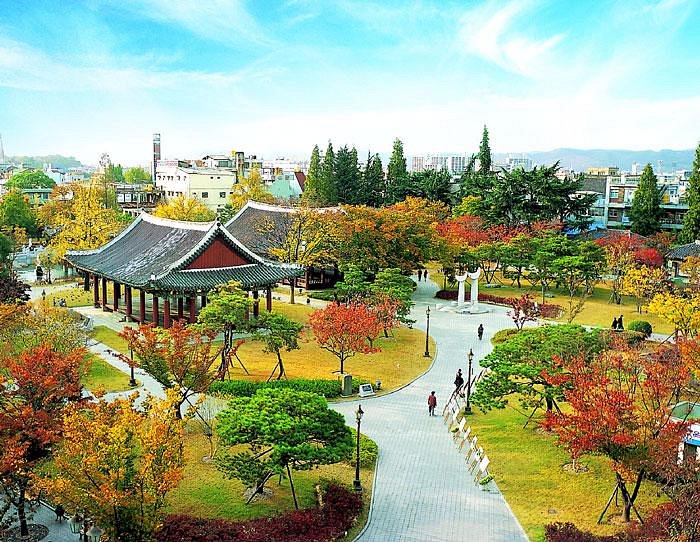
Gyeongsang-gamyeong ParkAn urban park where you can explore Seonhwadang and Jingcheonggak and take a stroll.
1
Gyeongsang-gamyeong ParkAn urban park where you can explore Seonhwadang and Jingcheonggak and take a stroll. -
 2
2
Food & Dining 3
-
 3
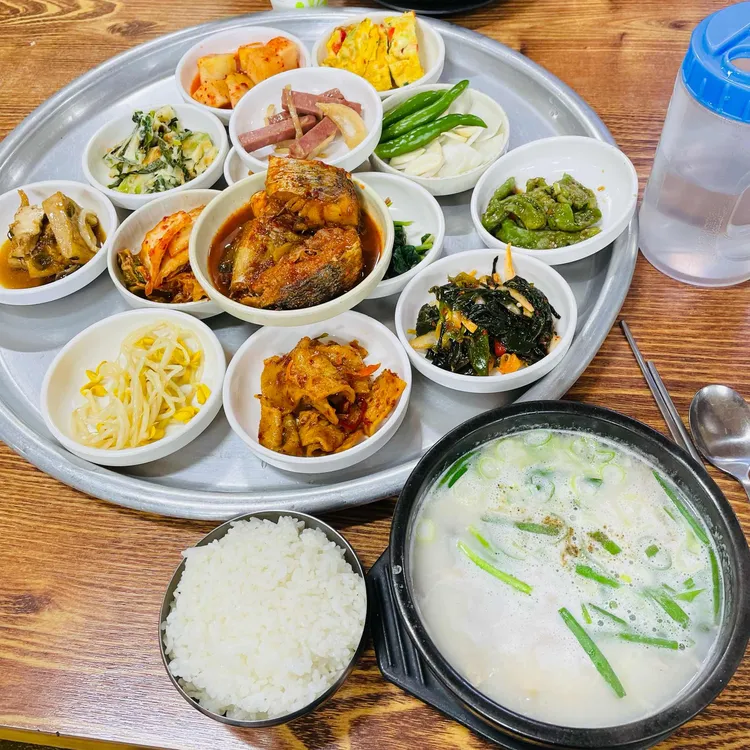
Halmae BoribapA Korean restaurant specializing in barley rice and assorted seasoned vegetables.
3
Halmae BoribapA Korean restaurant specializing in barley rice and assorted seasoned vegetables. -
 4
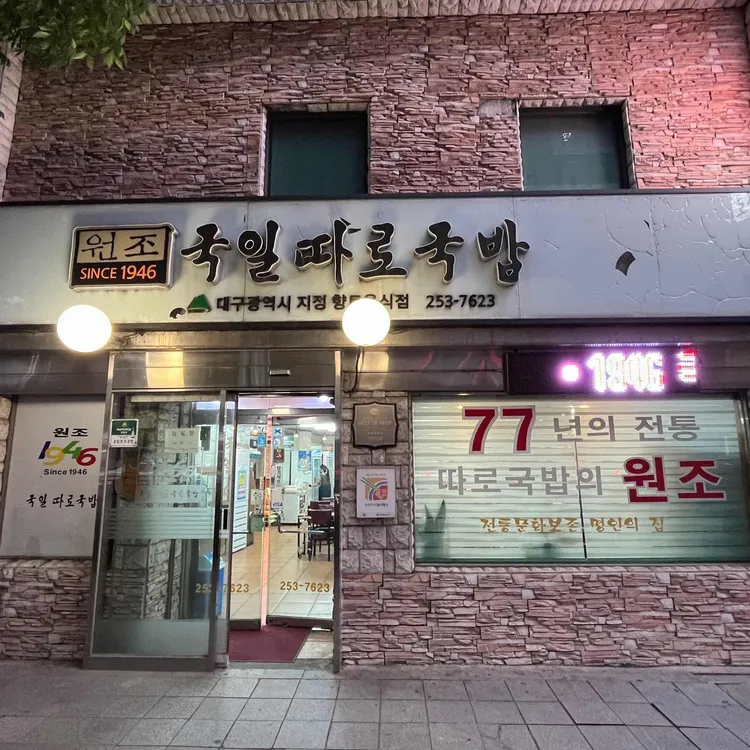
Gugil TtarogukbapA Daegu-style ttarogukbap specialty restaurant serving soup and rice separately
4
Gugil TtarogukbapA Daegu-style ttarogukbap specialty restaurant serving soup and rice separately -
 5
5
More Travel Guides in This Area
 Travel Guide
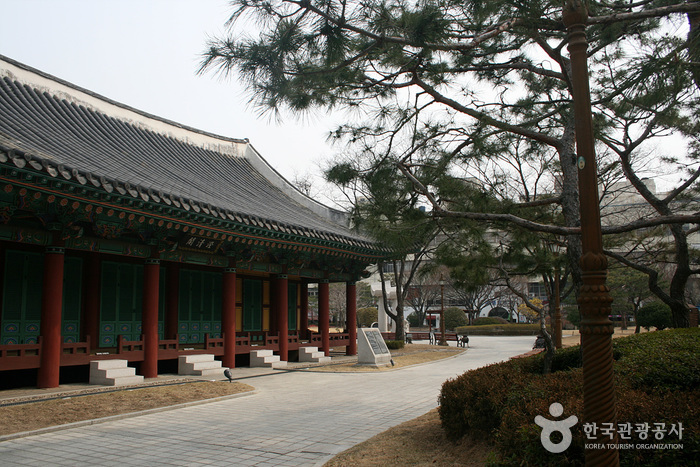
Daegu Downtown Park Walking in the Footsteps of the Gyeongsang Gamyeong of 1601
 Travel Guide
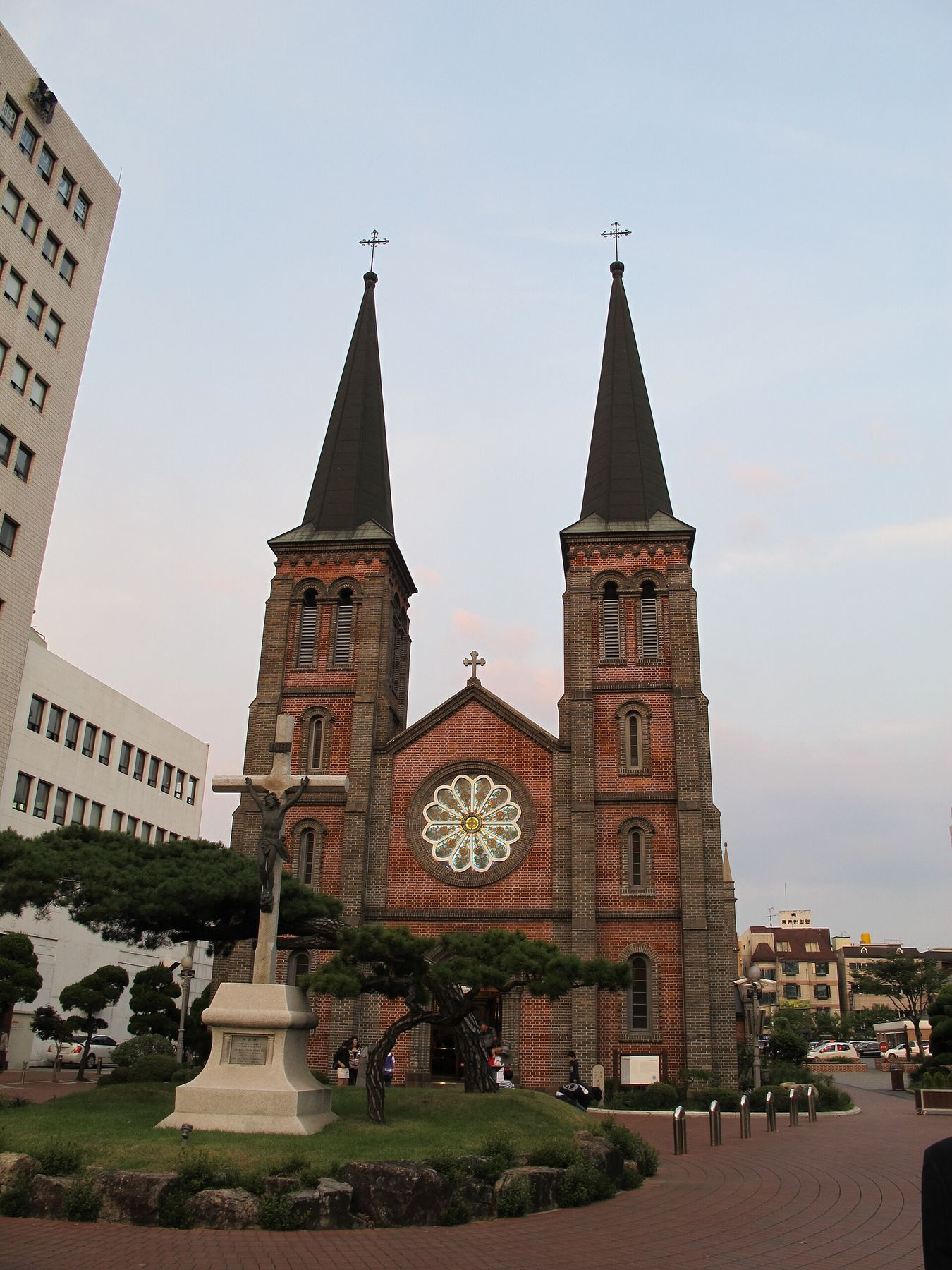
1.64 km along Daegu’s Modern Culture Alley, starting at 7-1 Namseong-ro
 Travel Guide
Daegu Gyodong Market: From Flat Dumplings to the Goblin Night Market Alley
 Travel Guide
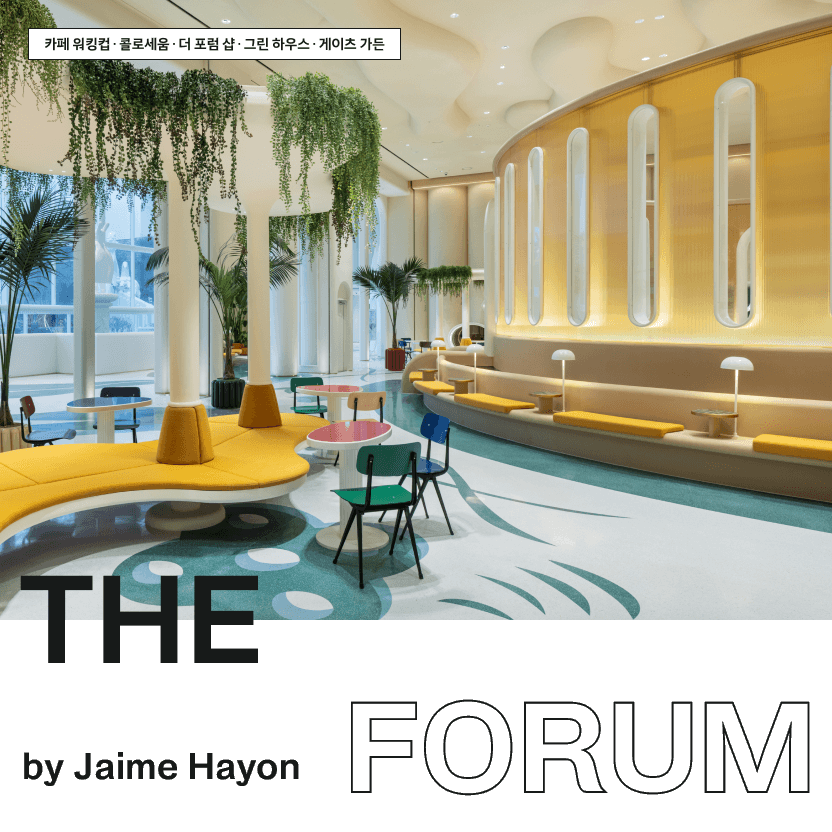
The Hyundai Daegu 9th-Floor The Forum and Route from Banwoldang Station Exit 18
Korea News
![BLACKPINK’s Lisa Dominates the VMA Red Carpet in a Sheer Corset Dress and Red Fur [Star Issue]](https://kotourlive-images.s3.ap-northeast-1.amazonaws.com/news/1790557894714_010e956a_news_94409db1-fab6-40bf-bc7b-4b985b1fbac7.jpg) News
News
BLACKPINK’s Lisa Dominates the VMA Red Carpet in a Sheer Corset Dress and Red Fur [Star Issue]
![BLACKPINK’s Jisoo Spotted by Surprise with BIGBANG in London… Their Special Loyalty as Labelmates [IS High Cut]](https://kotourlive-images.s3.ap-northeast-1.amazonaws.com/news/1790557854683_6ea979f5_news_caab62e5-8462-43c8-8622-da794f3df9de.png) News
News
BLACKPINK’s Jisoo Spotted by Surprise with BIGBANG in London… Their Special Loyalty as Labelmates [IS High Cut]
 News
News
Tattoos All Over Her Body… AOA’s Jimin Draws Shocked Attention After Kwon Mina’s ‘Bullying’ Allegations
![You’ll Have to Look Twice… Choi Min-a-soo Perfectly Pulls Off Everything from a Daring Illusion Dress at the Awards Ceremony to Long Braided Hair [RE:STAR]](https://kotourlive-images.s3.ap-northeast-1.amazonaws.com/news/1790492384850_1f293dad_news_d834c50e-0685-43ef-9aa5-6995cd6d8848.jpg) News
News