A breather on the Gatbawi trail of Palgongsan before facing the 1,365 steps at Guanamsa
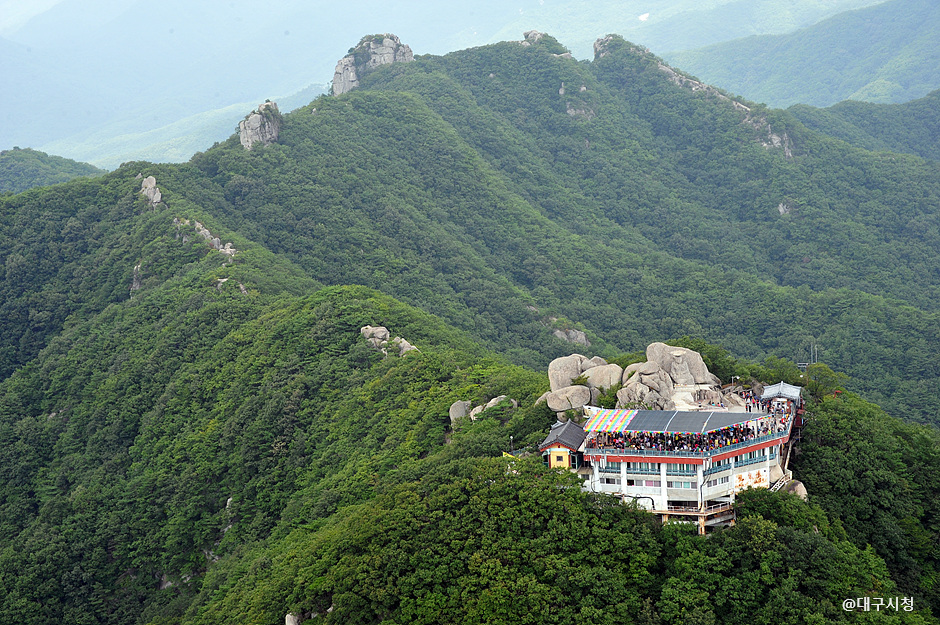
Guanamsa is a temple of the Korean Taego Order of Buddhism, located midway up the climb to Gatbawi in Palgongsan, Daegu, along the path leading to Gwanbong. If you plan to quietly explore the temple itself and then continue on to Gatbawi, it is realistic to allow more than 2 to 3 hours round trip, taking the stone steps and steep incline into account.

I’ve been here?
Your check-in helps the next traveler.
16 people viewed this week Be the first
One tap — no writing needed
Gwanamsa Temple, Rebuilt by Grand Master Baegam in 1962
Gwanamsa is a temple of the Taego Order of Korean Buddhism located halfway up the trail to Gatbawi on Gwanbong Peak of Palgongsan Mountain, at 350, Gatbawi-ro, Dong-gu, Daegu. Records from Daegu City explain that this temple was founded during the Silla Dynasty, closed due to the anti-Buddhist policy of the Joseon Dynasty, and rebuilt after Monk Baegam discovered a Buddhist statue at the site where only ruins remained.
According to a report by Gyeongbuk Maeil, today's Gwanamsa was founded in 1962 by Grand Master Baegam, and in 2010, the second head monk, Venerable Hyegong, completed the construction of Daeungjeon Hall and other buildings. According to articles at the time, there were records of 12 buildings, including Daeungjeon, Gwaneumjeon, and Jijangjeon, making it an independent temple space rather than a mere transit point to Gatbawi.
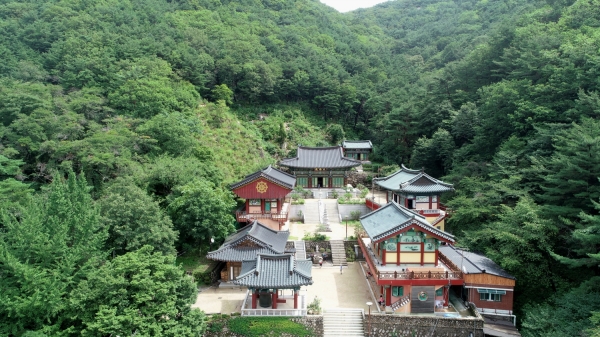
From 350 Gatbawi-ro to Gwanbong Peak, the Difference Between 800m and 1,365 Steps
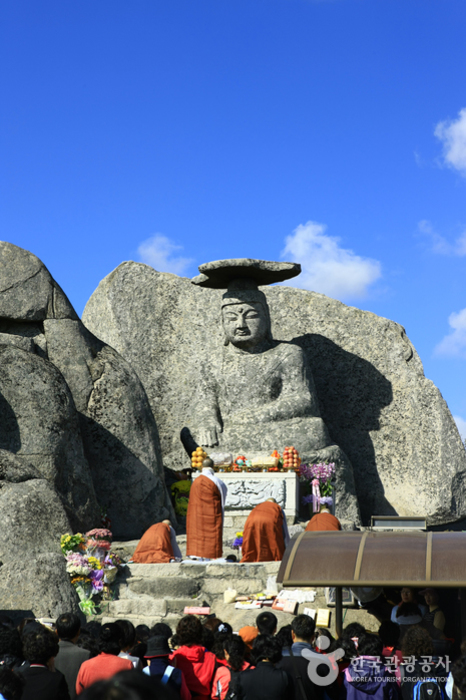
Behind Gwanamsa is the Gwanbong Stone Seated Bhaisajyaguru Buddha, also known as Gatbawi. In Daegu City's Palgongsan Natural Park plan, the section from Gwanamsa to the entrance of Yongjuam Hermitage to Gwanbong Peak is listed as a trail 1–2m wide and 800m long, while a separate trail leading from Boeunsa Temple to Gwanamsa to Gwanbong is listed as 900m.
Gatbawi tourist information materials introduce the route from the Gatbawi Integrated Facility Area to Gwanamsa to the entrance of Yongjuam Hermitage to Gatbawi as 1.9km, and guide that 1,365 stone steps continue from the back of Gwanamsa to below Gwanbong Peak. Therefore, an itinerary for viewing only the temple grounds and an itinerary for climbing to Gatbawi should be planned separately, as the stairs section is not suitable for wheelchairs or strollers.
- Temple tour focus: About 30–40 minutes
- Itinerary including a round trip to Gatbawi: 2–3 hours or more recommended, including rest
- Supplies: Non-slip sneakers, water, summer hat, waterproof outerwear for rain
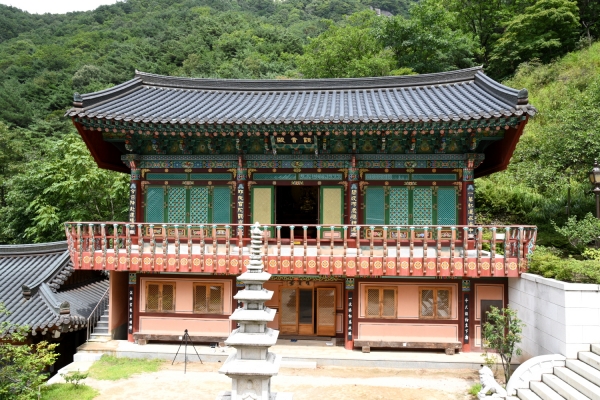
Reaching the Last Stretch via Bus 401 Toward Gatbawi
For public transportation, the Dong-gu Office tourism page guides that Bus No. 401 runs toward Gatbawi from in front of Dongdaegu Station Bowling Town. Bus No. 401 is also suggested as a route toward Gatbawi from in front of Daegu International Airport. However, since Gwanamsa is located across mountain roads and trails, it is necessary to recheck the stop and the last bus time on the Daegu Bus Information website on the day of departure.
For private cars, it is common to set the Gatbawi Integrated Facility Area or the Gatbawi Public Parking Lot as the starting point. In the Daegu City Bulletin, the access road connecting the Gatbawi area and Gwanamsa is designated as 5m wide and 450m long, so pedestrians and vehicles may crowd together during peak season. Whether parking is possible is mentioned in the guide, but since the number of parking spaces and fees at Gwanamsa itself have not been confirmed in the latest authoritative guides, on-site signs and management instructions should take priority.
Inquiries regarding Palgongsan Natural Park can be made at the management agency's main number, 053-803-7090, as guided by the Dong-gu Office. For Gwanamsa, 053-982-0505 is provided as the contact number, and it is safer to check Buddhist services, prayer schedules, or internal temple inquiries through this number first.
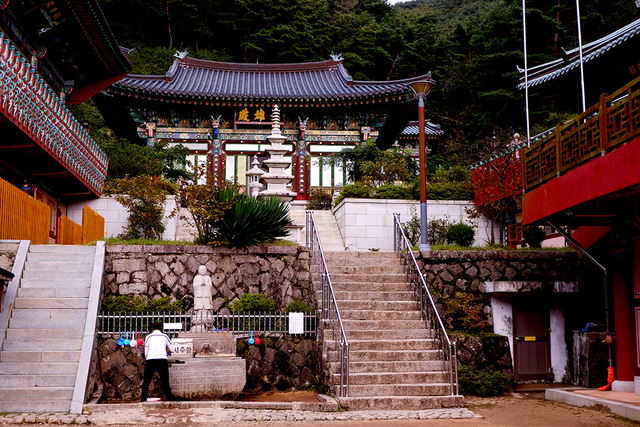
Known to be Open Always and Year-round, but Temple Etiquette Comes Before Time
Gwanamsa is registered in travel information services as being open at all times and throughout the year, and there is no confirmed data on admission fees. Even if visits to the temple and passage through the grounds are allowed, quiet observation is necessary during religious ceremonies such as Buddhist services, prayers, or Buddhist works. Avoid confusing admission fees with costs related to offerings or prayers, and inquiries regarding individual religious ceremony costs, such as prayer fees, should be made to the temple.
As of August 2026, an official independent website could not be confirmed. Instead, Daegu Metropolitan City introduces Gwanamsa as a temple in the Gatbawi-ro section, and Dong-gu Office provides Palgongsan tourism information and Bus No. 401 toward Gatbawi. Before departing, you can reduce variables in your schedule by calling 053-982-0505 to check for daily access, parking, restrooms, and meal availability.
- Operating Hours: Guided as open at all times
- Holidays: Guided as open year-round
- Admission Fee: No confirmed separate admission fee
- Official Website: Independent official URL not available
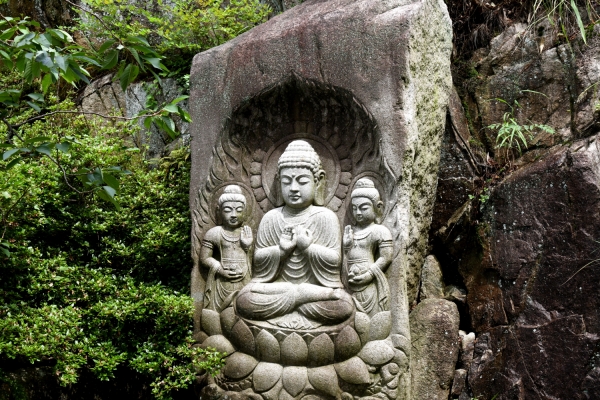
Using Gwanamsa as a Quiet Rest Point Before and After the CSAT and the New Year
Daegu City explains that there is a story that if you make one wish in your lifetime to the Gatbawi Buddha, it will come true, so prayer-seekers from all over the country gather around the day of the CSAT (Suneung). Gwanbong Peak, where Gatbawi is located, is about 850m above sea level, and Treasure No. 431, the Gwanbong Stone Seated Bhaisajyaguru Buddha, was designated as a treasure on September 1, 1965. During this period, pedestrian traffic can be concentrated on the stairs leading from Gwanamsa to Gatbawi.
If you want a route with fewer people, it is better to avoid the weekends before and after the CSAT, New Year's Day, and the morning of alternative holidays. Hiking reviews mention an uphill climb of about 2km from the Gatbawi parking lot and state that the 1,365-step section begins in earnest after passing Gwanamsa. If completing the stairs is not your goal, you can choose to look around the temple grounds at Gwanamsa and then return.
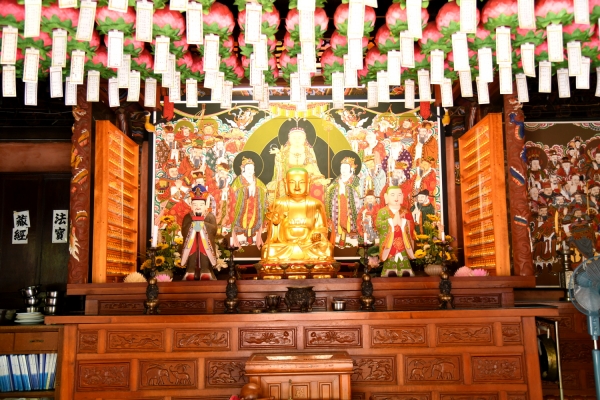
The Order of Including Gwanamsa Within the Buddhist Cultural Topography of Palgongsan
Gwanamsa is located within the Bhaisajyaguru (Medicine Buddha) belief zone of Palgongsan Mountain. Dong-gu Office introduces that there are about 50 hermitages and various stone Buddhist structures, including the Stone Seated Bhaisajyaguru Buddha of Gwanbong, distributed throughout Palgongsan, and states that the altitude of Birobong, the highest peak of Palgongsan, is 1,192m. Gwanamsa is the point where the flow of worshippers and hikers meets on the southern access road to Gatbawi.
The simplest day route is to start from the Gatbawi Integrated Facility Area and make a round trip to Gwanamsa and Gwanbong Peak. If you have enough physical strength, it is better to view the Palgongsan ridge from Gwanbong and come down the same way, or if time is short or the stairs are burdensome, visit only up to Gwanamsa. Since Donghwasa, Pagyesa, and Buinsa are in other areas of Palgongsan, it is safer to secure separate vehicle travel time and hiking time rather than trying to visit them all on the same day.
- Gwanamsa Address: 350, Gatbawi-ro, Dong-gu, Daegu
- Temple Inquiry: 053-982-0505
- Palgongsan Natural Park Management Agency Information: 053-803-7090
- Public Transportation toward Gatbawi: Information for Bus 401 from Dongdaegu Station
Before You Go
- Address
- 350, Gatbawi-ro, Dong-gu, Daegu
- Hours
- Guided as open at all times
- Closed
- Guided as open year-round
- Admission
- No confirmed separate admission fee
- Phone
- 053-982-0505
- Transport
- Bus No. 401 from in front of Dongdaegu Station Bowling Town is guided toward Gatbawi. Final stop and walking time near Gwanamsa need to be confirmed on the day of departure.
- Parking
- Guided as parking available, but Gwanamsa's own parking spaces and fees are not confirmed in the latest authoritative data. On-site guidance should be checked before using the Gatbawi Integrated Facility Area or public parking lot.
- Time needed
- About 30–40 minutes for temple viewing, 2–3 hours or more including a round trip to Gatbawi and rest
- Accessibility
- The direction toward Gwanbong behind Gwanamsa consists of a 1–2m wide trail and 1,365 stone steps, making it unsuitable for wheelchairs or strollers. Foreign language guidance has not been confirmed.
The information above is as of the time of writing. Please recheck official guides before visiting.

Places
Nearby Attractions 3
-
 1
1
-
 2
2
-
 3
3
Food & Dining 5
-
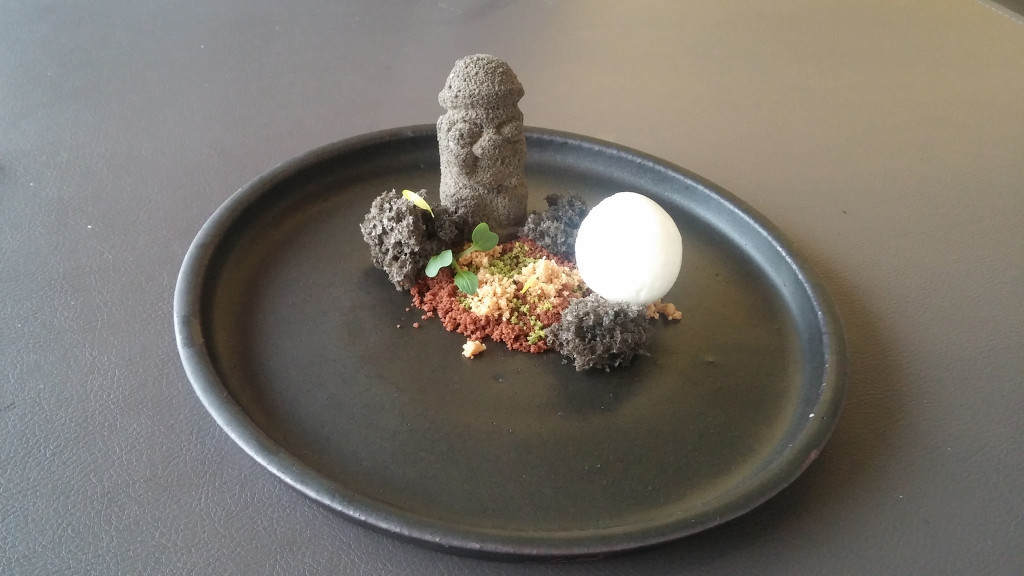 4
Jeongsikdang
4
Jeongsikdang -
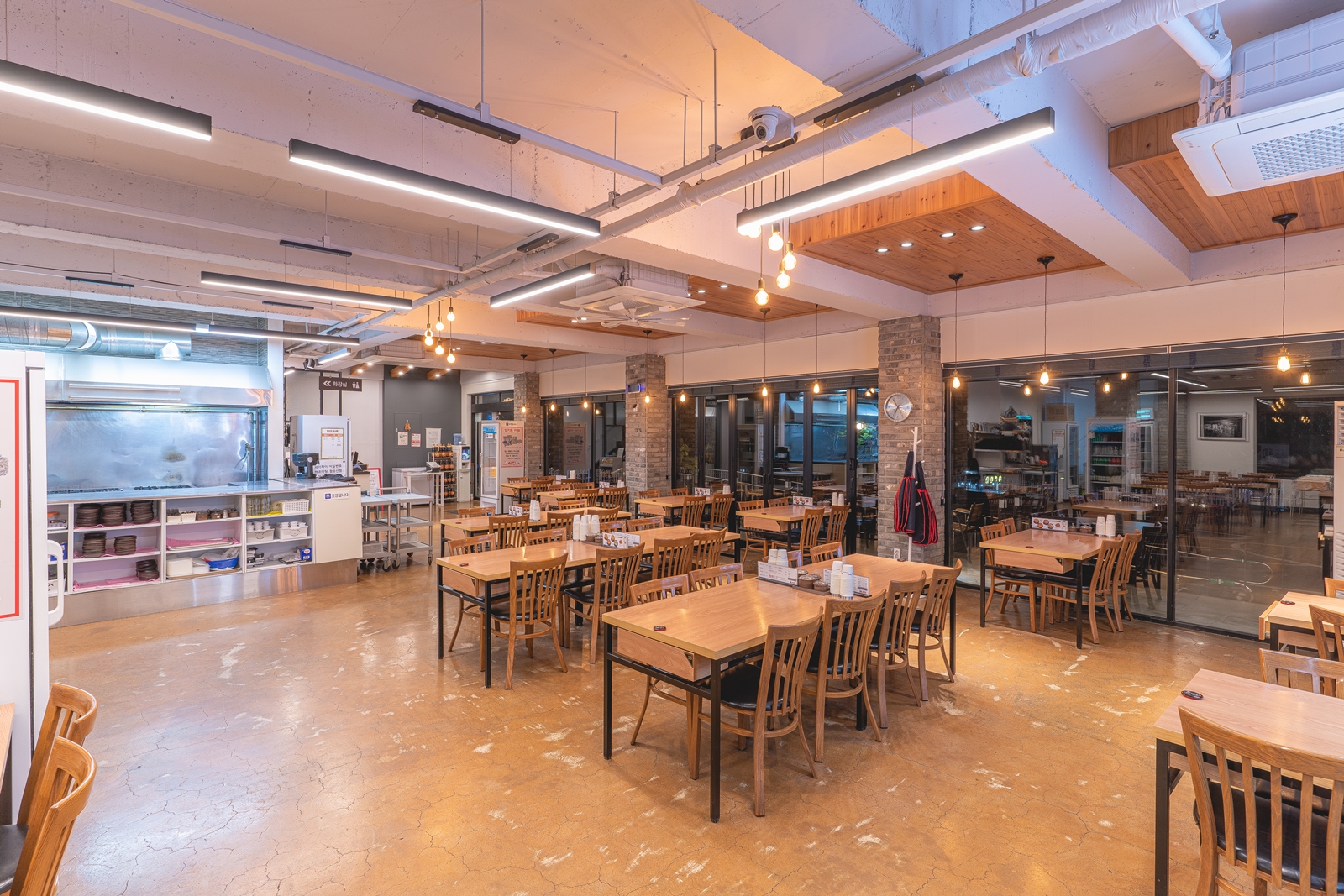 5
Original Eotang Palgongsan Branch
5
Original Eotang Palgongsan Branch -
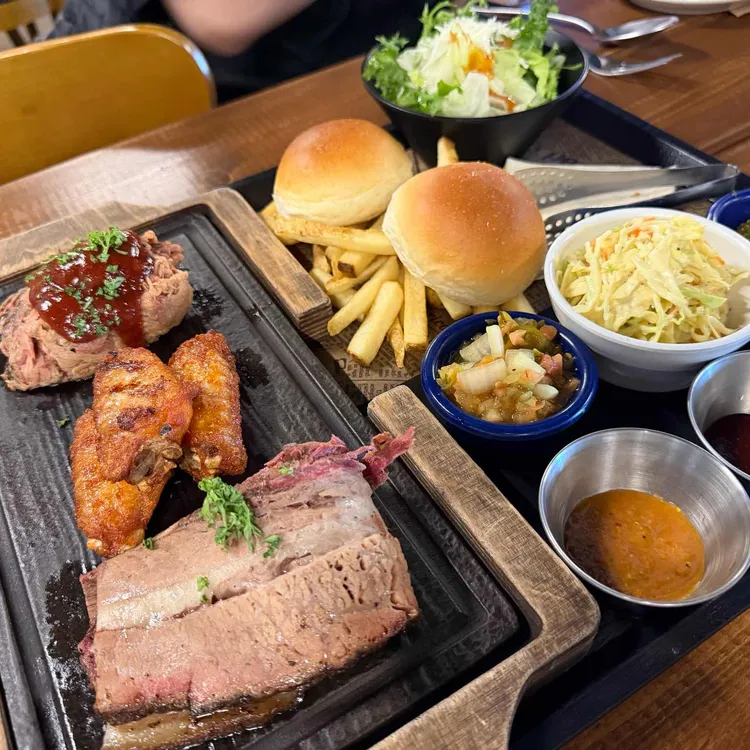 6
6
-
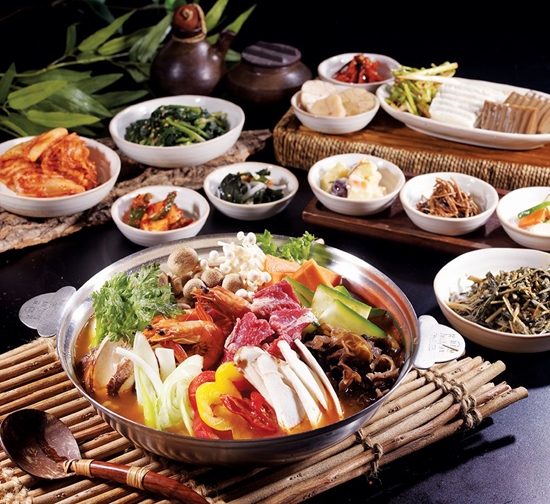 7
Sanchae Sikdang Palgongsan Main Branch
7
Sanchae Sikdang Palgongsan Main Branch -
 8
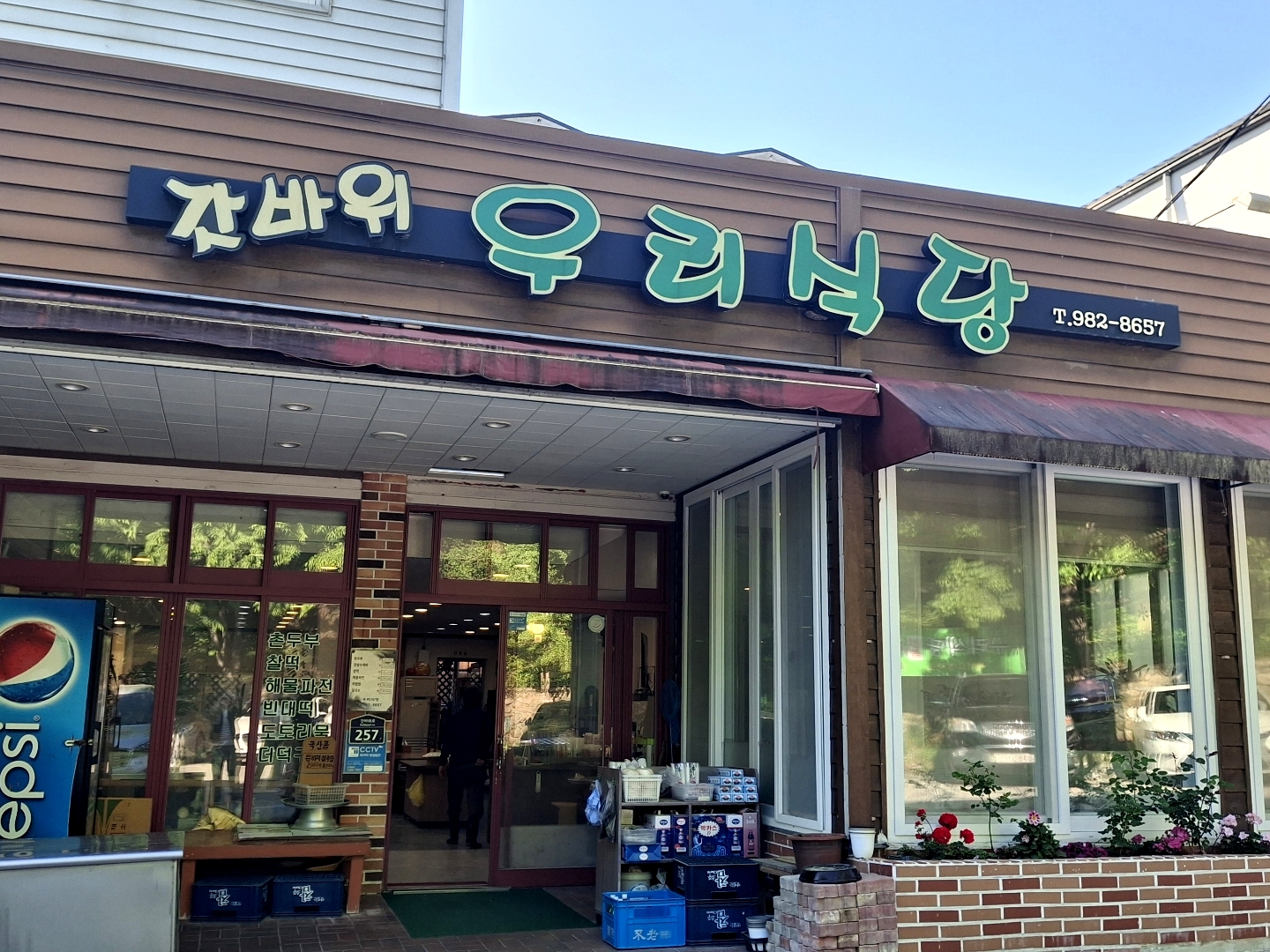
Gatbawi Uri Sikdang
8
Gatbawi Uri Sikdang
More Travel Guides in This Area
 Travel Guide
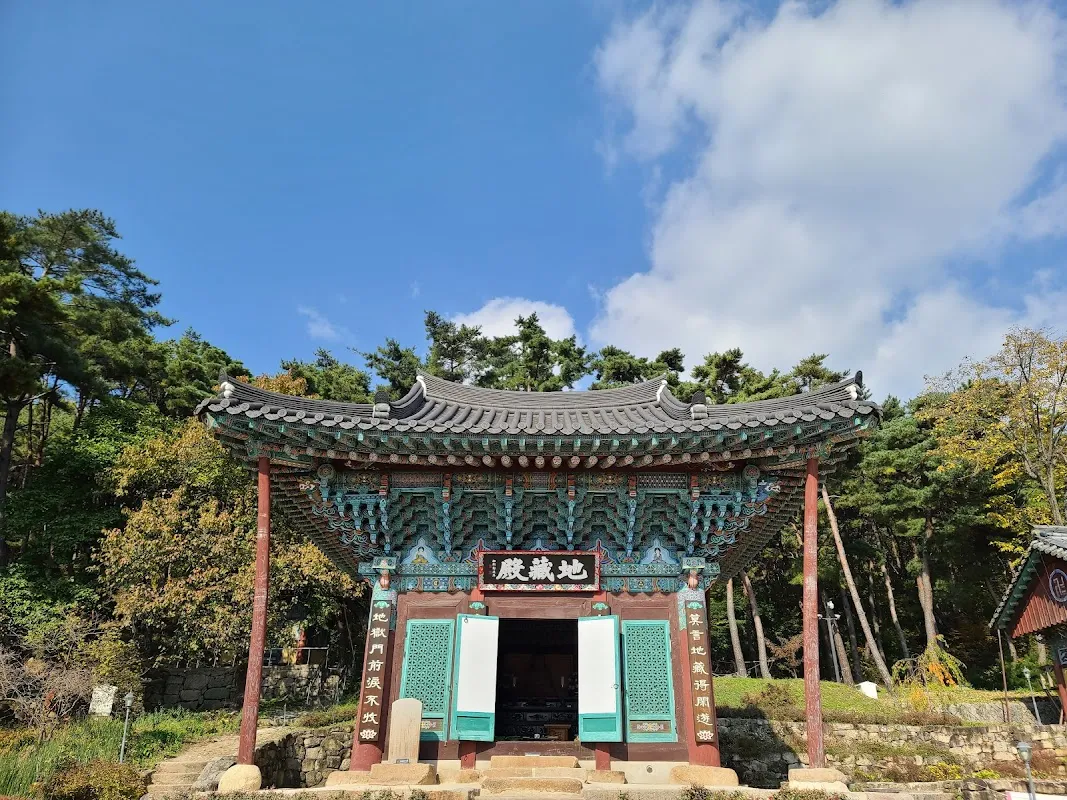
Bukjijangsa, at the End of the Pine Forest of Palgongsan, Where You Can See the Treasure Jijangjeon and the Twin Pagodas
 Travel Guide
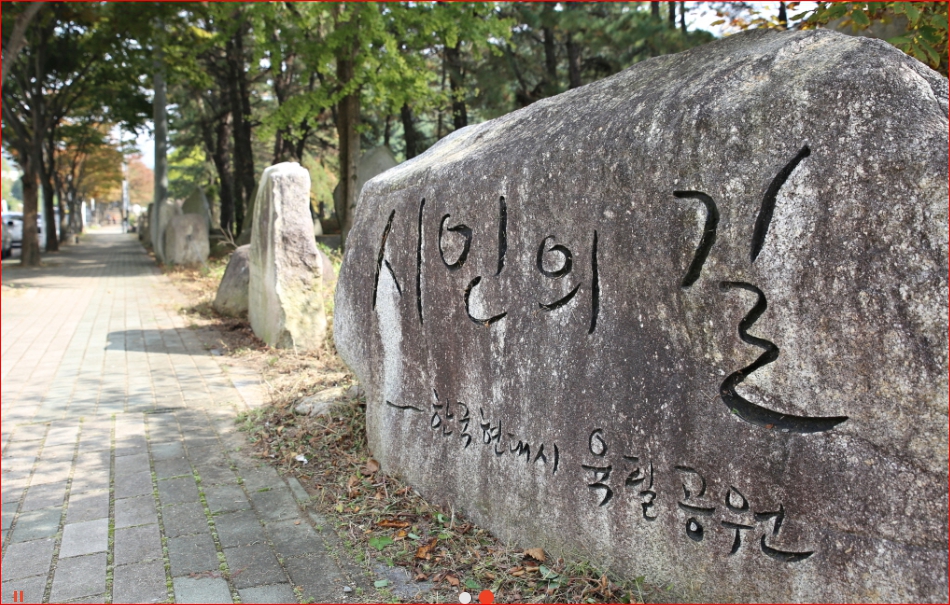
Bokjijangsa at the End of a 5 km Pine Forest, Palgongsan Olle Course 1
 Travel Guide
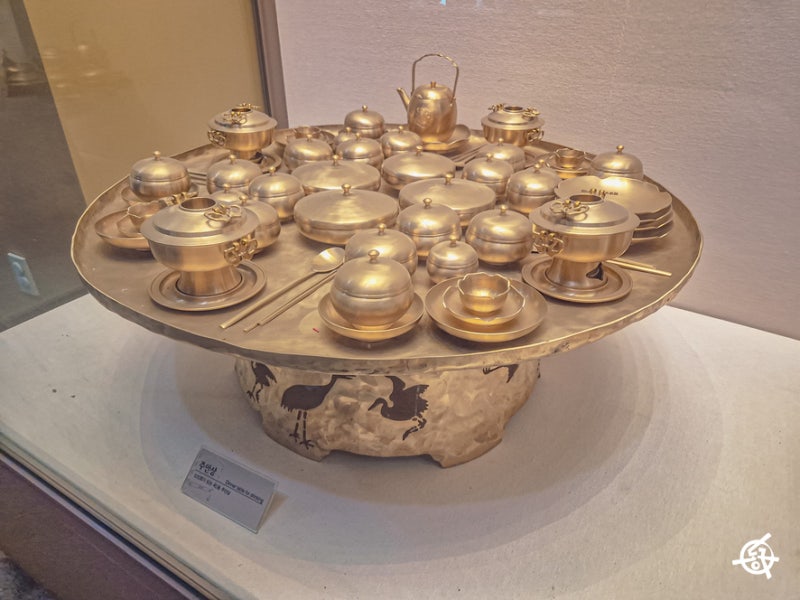
Bangeojjagi Brassware: 1,489 Pieces Donated by Lee Bong-ju at the Foot of Palgongsan
 Travel Guide
Palgongsan — From Silla’s Central Mountain to Korea’s 23rd National Park
Korea News
 News
News
‘NewJeans Expulsion’ Danielle Releases Her First YouTube Video… “We Don’t Know What Will Happen Next”
![aespa’s North American Tour Has Remaining Seats Despite ‘$49’ Bargain Prices… A Stark Popularity Gap with KATSEYE [TEN Starfield]](https://kotourlive-images.s3.ap-northeast-1.amazonaws.com/news/1788485037424_a59b1932_naver_rank_thumb_0000774618_1788485037424.jpg) News
News
aespa’s North American Tour Has Remaining Seats Despite ‘$49’ Bargain Prices… A Stark Popularity Gap with KATSEYE [TEN Starfield]
![[Photo] TWICE’s Dahyun attends a film festival red carpet as an actress](https://kotourlive-images.s3.ap-northeast-1.amazonaws.com/news/1788485316508_edd43ecd_news_870a60a6-6f11-4d73-aa7c-48d91318a0f7.jpg) News
News
[Photo] TWICE’s Dahyun attends a film festival red carpet as an actress
![[On-Site Video] “We’re Departing Separately Together”… BIGBANG Begins ‘COSMOS’ World Tour](https://kotourlive-images.s3.ap-northeast-1.amazonaws.com/news/1788485226518_c5719641_news_fdd4764a-0f4e-4968-8e4e-e98a02872f88.jpg) News
News