How to Walk Taean Sinduri Coastal Dune, a 3.4 km Sand Dune Shaped by the Wind
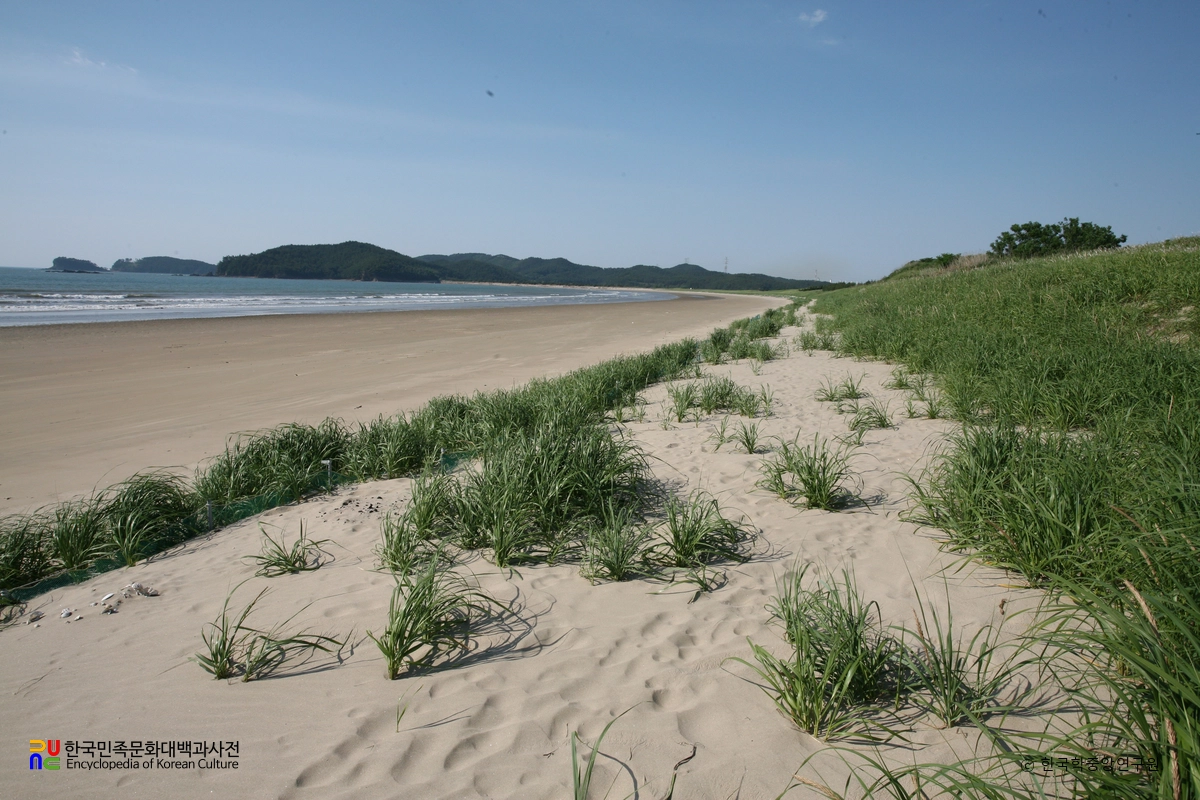
Taean Sinduri Coastal Dune is a coastal dune approximately 3.4 km long, formed by the combination of winter northwesterly winds and sand supplied by the Yellow Sea. Starting at the Dune Center, visitors can observe sand dunes, dune vegetation, and wetlands along 1.2 km, 2 km, and 4 km trails from the boardwalks.
I’ve been here?
Your check-in helps the next traveler.
No one has checked in yet Be the first
One tap — no writing needed
A 3.4 km western coastal dune designated Natural Monument No. 431 in 2001
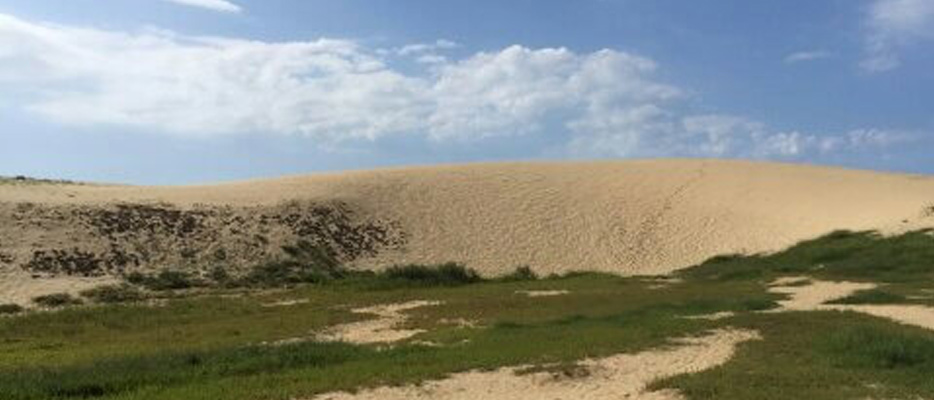
Taean Sinduri Coastal Dune is a sand dune situated behind the embayment on the coast of Sinduri, Wonbuk-myeon, Taean-gun, Chungcheongnam-do. It is approximately 3.4 km long and 500 m to 1.3 km wide, with a designated area of 1,702,165㎡. It was designated Natural Monument No. 431 on November 30, 2001.
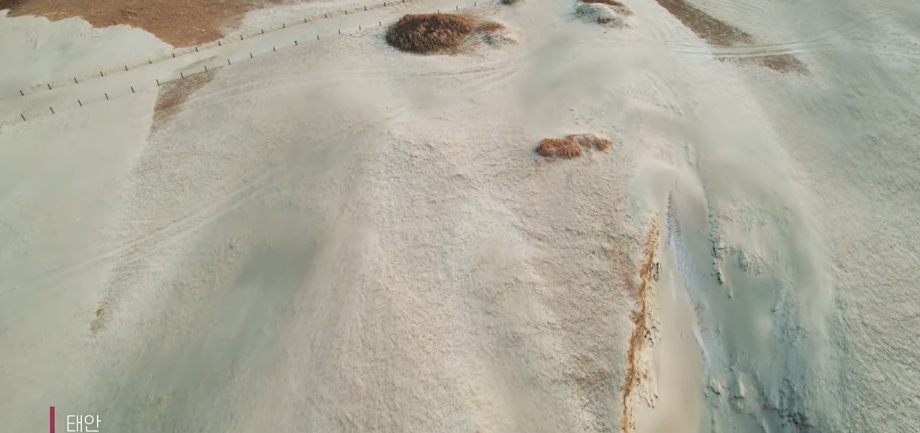
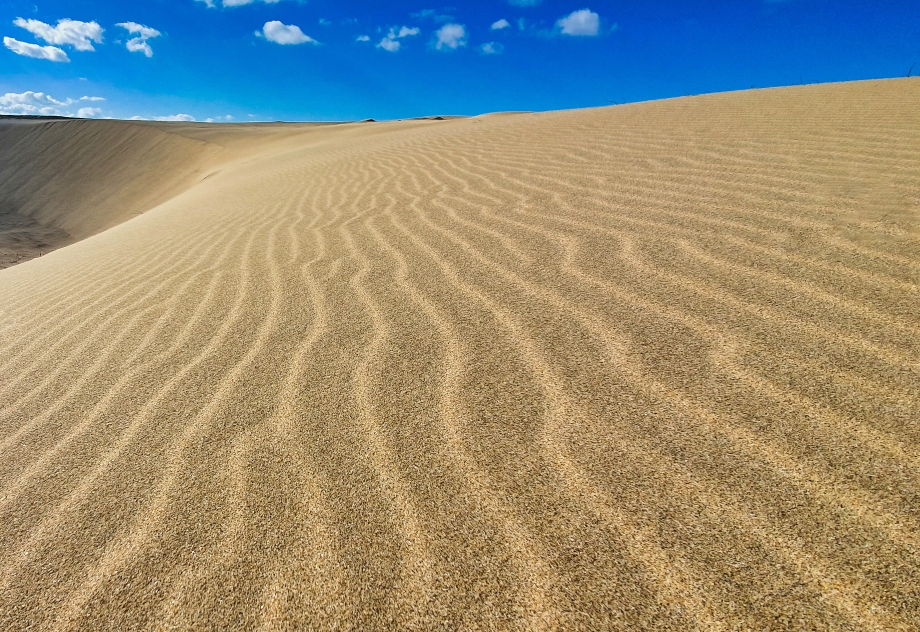
This site has the geographical conditions created by broad sandy tidal flats exposed at low tide, sand carried by waves, and strong northwesterly winds in winter. Coastal sand moves inland on the wind and accumulates, forming the dune. The dune also buffers the coast and farmland against wind and storm surges.
Three A, B, and C courses starting at Sinduri Dune Center, 201-54
Set your navigation destination to Sinduri Dune Center at 201-54, Sinduhaebyeon-gil, Wonbuk-myeon, Taean-gun, Chungcheongnam-do. The information telephone number is 041-672-0499, and Chungnam Tourism lists a parking lot, restrooms, walking trails, and observation decks near the dune.
If this is your first visit, Course A is the shortest at 1.2 km and approximately 30 minutes. It connects the dune entrance 0.4 km from the dune center, the Chojongyong colony 0.3 km farther on, and Sunbigihill 0.5 km beyond that. Course B takes about 60 minutes over 2 km and adds Gorani Hill and the Yeomrangge-Dalrangge point.
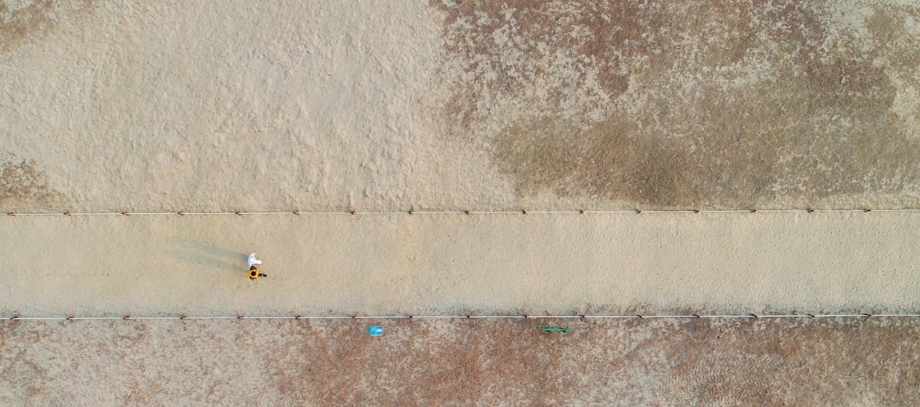
If you have enough time, you can choose Course C, which takes approximately 120 minutes over 4 km. It passes through the Black Pine Ecological Forest, Jageunbyeolttongjae, Eoksaegol, and Haedanghwa Hill before continuing to Sunbigihill. To protect the sandy terrain, observe from the designated decks and trails, and avoid entering the dune interior on your own.
Why you should distinguish the 09:00 opening time from the dune center’s Monday closure
The coastal dune is open from 09:00 to 18:00 from March 1 to October 31, and from 09:00 to 17:00 from November 1 to the end of February. Admission is free. To avoid confusing the opening hours of the outdoor area where visitors walk directly on the sea and dune with the operation of the dune center, it is safest to check before setting out.
The dune center is closed every Monday, January 1, and the day of Lunar New Year and Chuseok. However, Chungnam Tourism describes the dune itself as open year-round and at all times, so visitors who want to use the exhibition and information services should avoid center closure days. It is also advisable to reconfirm weather-related closures or construction by calling 041-672-0499.
In spring, visitors can observe Chojongyong’s purple flowers and the blooming of Haedanghwa Hill in May, while Eoksaegol on Course C displays seasonal vegetation in autumn. Winter makes it easier to feel the northwesterly winds important to dune formation, so a windproof jacket, sand-resistant shoes, and protective glasses or a hat are practical.
Ecological interpretation at 10:00, 14:00, and 16:00 for groups of 15
Dune interpretation is offered three times daily at 10:00, 14:00, and 16:00, and the fee is free. Reservations can be made online or by calling 041-670-5936. Inquiries about interpretation and trail guidance are also handled by Sinduri Dune Center at 041-672-0499.
Each group is limited to 15 people, and the official guidance states that reservations may be canceled when the group has fewer than 15 people. Arriving more than 20 minutes after the reserved time may also result in cancellation, so groups should allow plenty of time to reach the dune center. Reservations may be unavailable when demand is high, and interpretation times may be adjusted according to conditions on site.
The interpretation program helps visitors understand that the dune is more than a simple stretch of sand. Along the course, visitors can see how landward dunes, dune wetlands, blowouts, and dune plants such as beach wheatgrass, sand sedge, beach pea, rugosa rose, and beach vitex are interconnected.
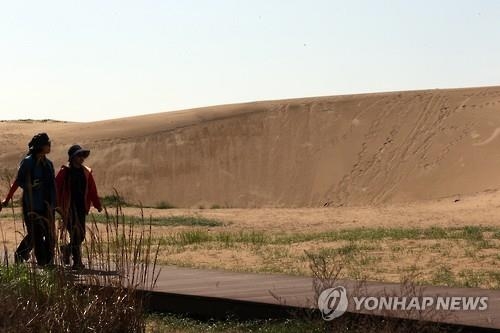
How Chojongyong, beach vitex, and black pine hold the sand in place
The Chojongyong colony encountered on Courses A and B is a point where visitors can observe plants growing in sunny, dry sand. Chojongyong is parasitic on the roots of Korean wormwood, and according to the official trail guide, it produces purplish flowers with a bluish tinge in May.
Beach vitex on Sunbigihill forms colonies in sandy beach soil and among gravel, and its roots and stems help reduce sand erosion. The Black Pine Ecological Forest on Course C also helps prevent dune movement. Black pine, also called coastal pine or Japanese black pine, is an evergreen conifer with stiffer needles than regular pine.
Dune vegetation is both an object of observation and the foundation that maintains the landform. Taean-gun introduces rugosa rose, sand sedge, beach silvertop, beach pea, beach morning glory, and beach angelica among the plants found here, and lists leopard geckos, skylarks, narrow-mouthed frogs, and golden frogs among the species inhabiting the area.
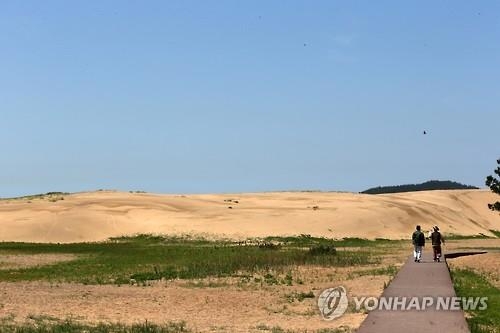
Traces found on the sand at Gorani Hill and the Yeomrangge-Dalrangge point
Gorani Hill on Courses B and C is presented as a good place to look for footprints in the sand. Water deer tend to be active at dawn and dusk, but rather than leaving the trail to look for animals, visitors should observe traces from the deck.
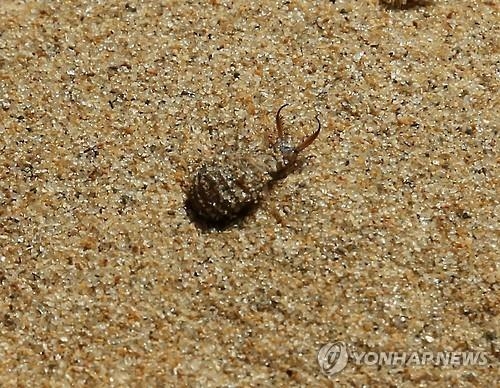
Small sand pellets can be seen at the Yeomrangge-Dalrangge point. These are traces left after yeomrangge and dalrangge filter food from the sand. The official guide explains that the pellets may dry, be carried by sea winds, and contribute to dune formation. Do not catch the animals or scatter the sand pellets.
Eoksaegol on Course C is identified by Taean-gun as the filming location for the opening scene of the film <Mother>. Rather than focusing only on the filming site, consider that this is a long course combining a silver grass colony and sand dunes; including the round trip and photography, it is best to allow more time than the official 120 minutes.
A practical journey into Sindu 3-ri via Taean Bus Terminal
By public transportation, first travel to Taean Intercity Bus Terminal and then continue by local transport. Taean-gun states that buses from Seoul to Taean run approximately every 20 minutes, while buses from Daejeon to Taean run approximately every 2 to 30 minutes. Since schedules and the last bus may change, check at the terminal on the day of departure.
Rail passengers can get off at Hongseong Station on the Janghang Line and transfer to an intercity bus from Hongseong to Taean, or take an intercity bus to Taean from Cheonan Station on the Gyeongbu or Honam lines, according to Taean-gun’s official guidance. Local bus connections may be inconvenient, so groups or visitors with limited time may also consider taking a taxi from Taean Bus Terminal.
By car, the recommended route is from Seosan IC on the West Coast Expressway via National Route 32, Local Route 603, and Local Route 634 toward Wonbuk and Sindu 3-ri. Parking facilities are available, but 2025 visitor reviews repeatedly mention strong wind and blowing sand near the parking lot. Take care that belongings do not blow away when opening the doors, and remember that sand may enter the vehicle.
A half-day itinerary combining Sinduri Beach and Duung Wetland in one direction
Sinduri Beach and Duung Wetland are located near the dune. Taean-gun tourism information gives the address of Sinduri Beach as 135, Sinduhaebyeon-gil, Wonbuk-myeon, Taean-gun, Chungcheongnam-do, and the location of Duung Wetland as 291-30, Sinduhaebyeon-gil, Wonbuk-myeon. After beginning your visit at the dune center, continuing by car in the same coastal direction makes practical sense.
The coastal dune is not a tourist facility separated from the beach, but a landform in which sandy tidal flats, the shore, wind, and vegetation are connected. Therefore, even on a 30-minute Course A itinerary, viewing the dune center departure point, observation deck, and Sinduri Beach shoreline together makes it easier to understand how moving sand creates dunes.
The official materials do not specify whether wheelchair or stroller use is possible or whether interpretation is available in foreign languages. Observation decks are provided, but accessibility in terms of slopes, trail width, and restroom access throughout the course cannot be guaranteed. If mobility assistance is needed, contact Sinduri Dune Center at 041-672-0499 before visiting to ask about deck sections and parking locations.
Before You Go
- Address
- 201-54, Sinduhaebyeon-gil, Wonbuk-myeon, Taean-gun, Chungcheongnam-do
- Hours
- 09:00–18:00, March 1–October 31; 09:00–17:00, November 1–the end of February
- Closed
- Dune center: every Monday, New Year’s Day, and the day of Lunar New Year and Chuseok
- Admission
- Free
- Phone
- Sinduri Dune Center 041-672-0499
- Official site
- https://www.taean.go.kr/tour/sub03_06_01.do
- Transport
- Travel from Seoul, Daejeon, and other cities to Taean Intercity Bus Terminal, then use local transportation. By rail, transfer to a Taean-bound intercity bus at Hongseong or Cheonan Station. By car, take Seosan IC → Local Route 603 → Local Route 634 → toward Sindu 3-ri.
- Parking
- Parking facilities available
- Time needed
- Course A: 1.2 km, approximately 30 minutes; Course B: 2 km, approximately 60 minutes; Course C: 4 km, approximately 120 minutes
- Accessibility
- Observation decks available. Advance inquiries are recommended regarding sections accessible by wheelchair or stroller and foreign-language information.
The information above is current as of the time of writing. Check the official guidance again before visiting.

Places
Nearby Attractions 5
-
 1
1
-
2Sinduri Sand Dune Center
-
 3
3
-
 4
4
-
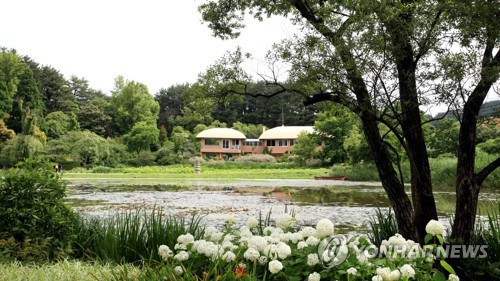 5
5
Food & Dining 5
-
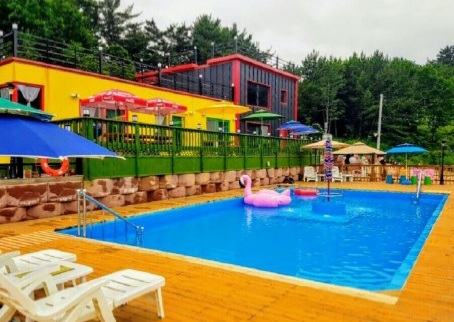 6
Taean Station
6
Taean Station -
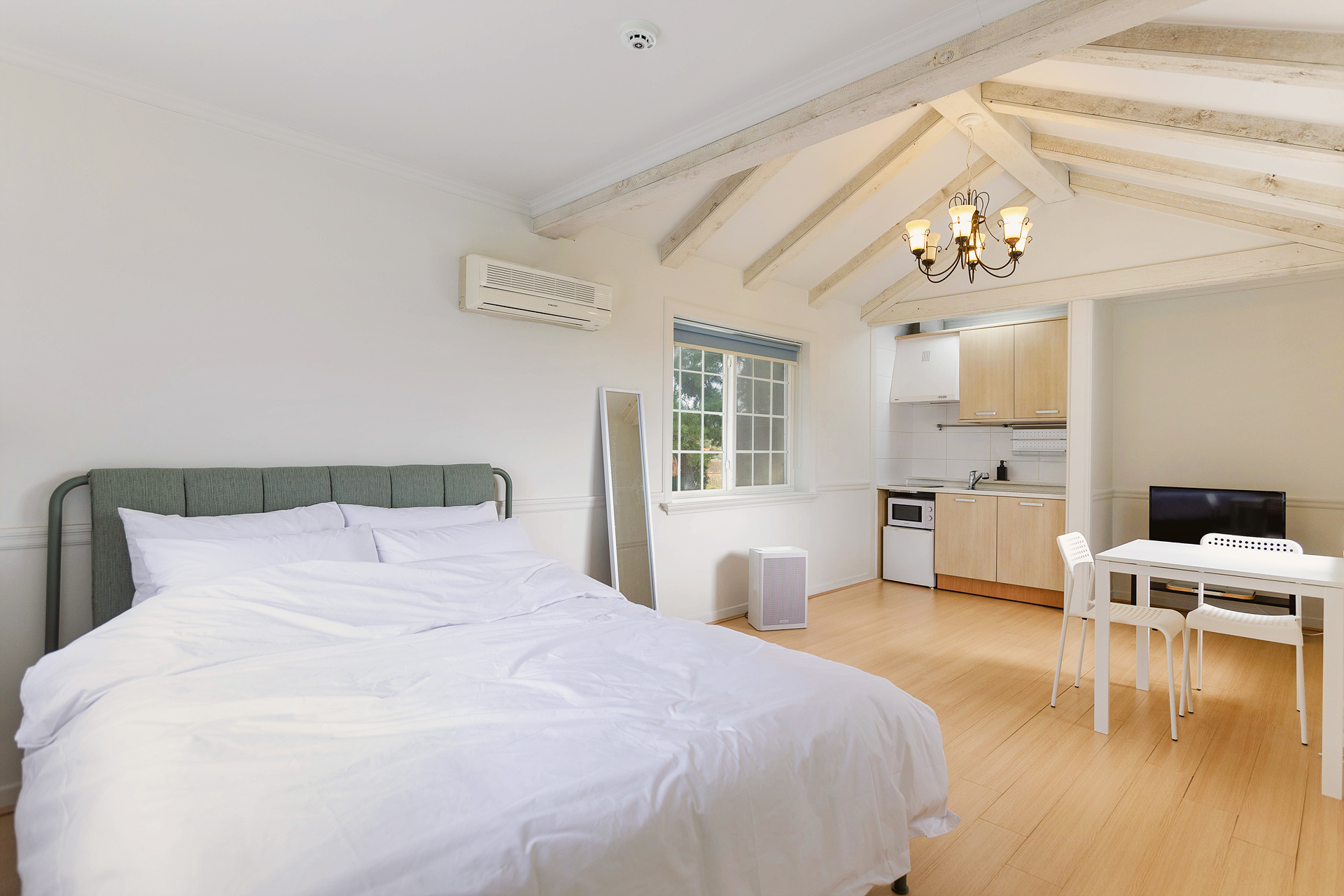 7
Baomarusutei
7
Baomarusutei -
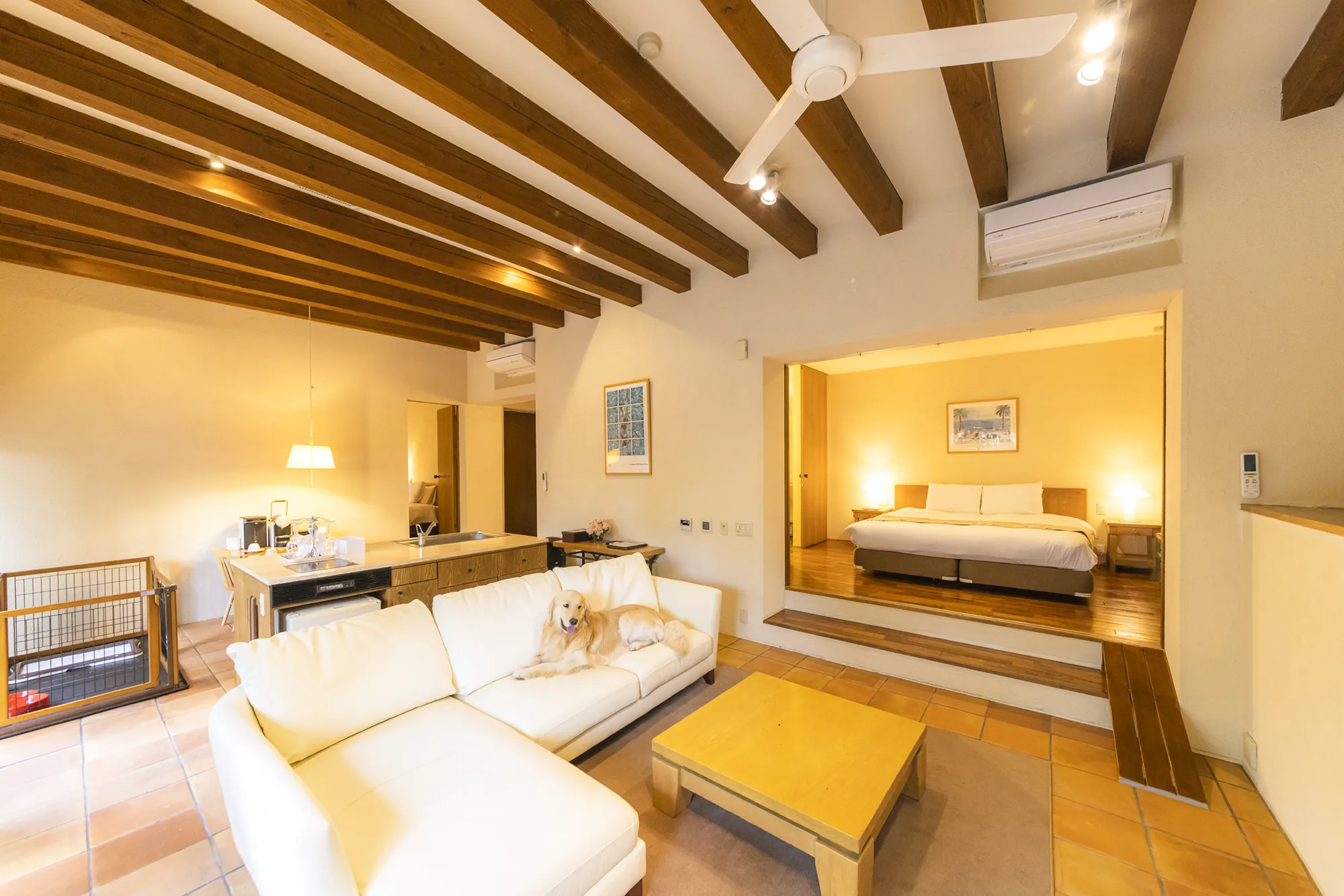 8
Forest Village
8
Forest Village -
 9
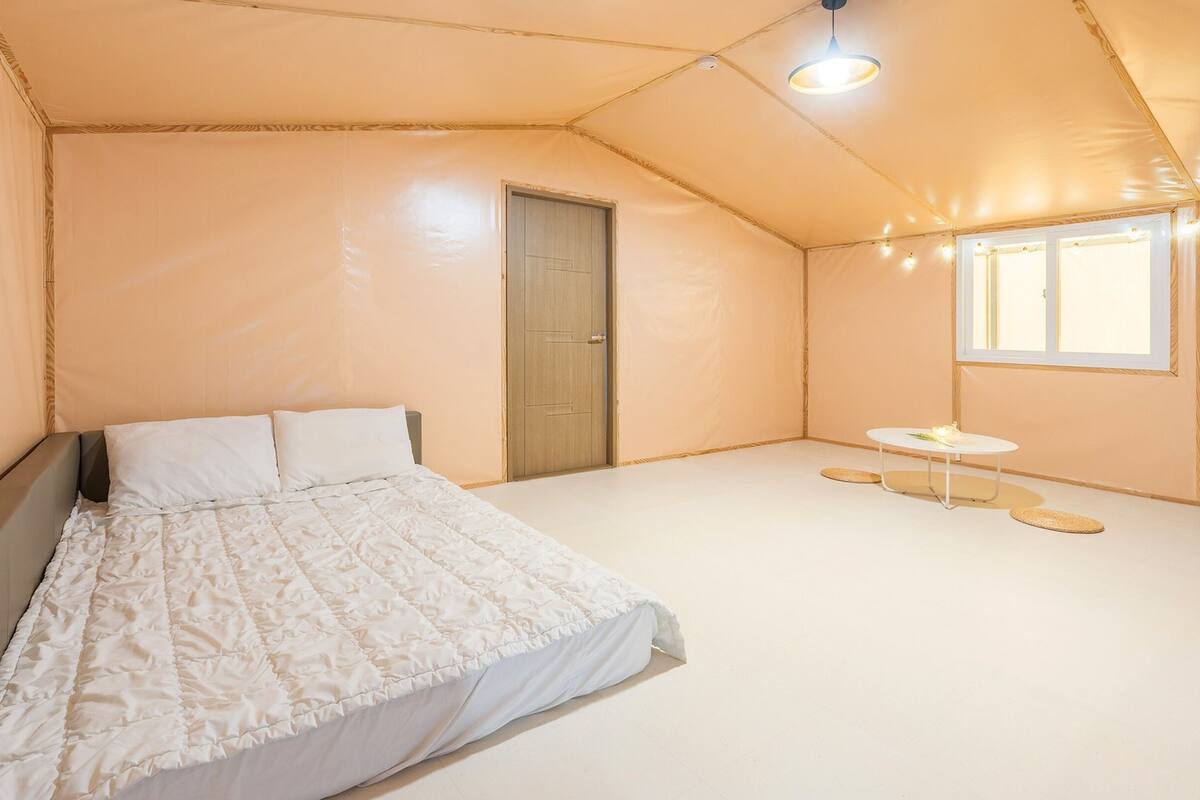
Taean Garden Glamping & Pension
9
Taean Garden Glamping & Pension -
 10
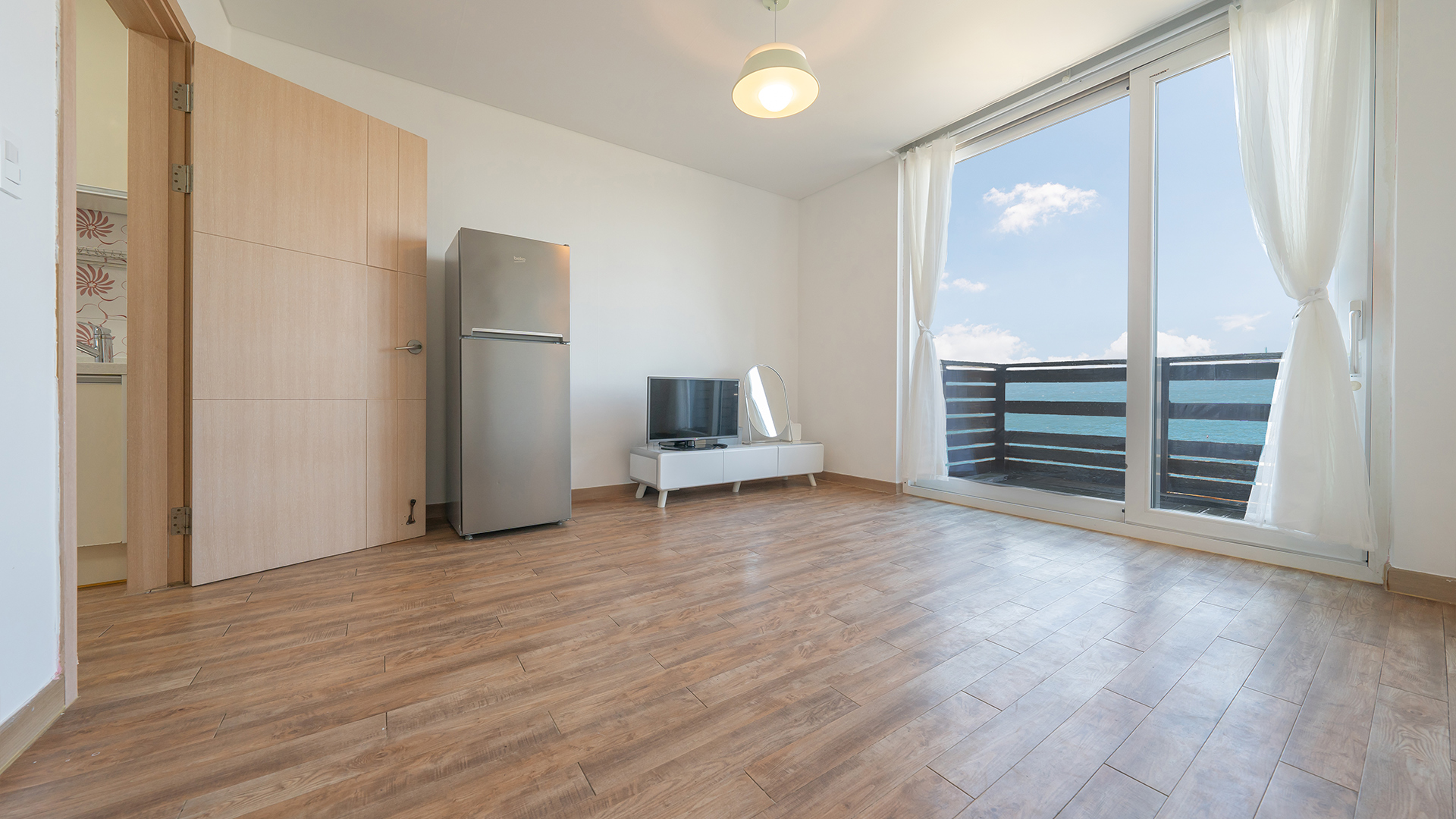
Awesome Can Pension
10
Awesome Can Pension
More Travel Guides in This Area
 Travel Guide
Taean Cheollipo Arboretum — A Coastal Garden of 926 Magnolia Taxa Created by Min Byeong-gal
 Travel Guide
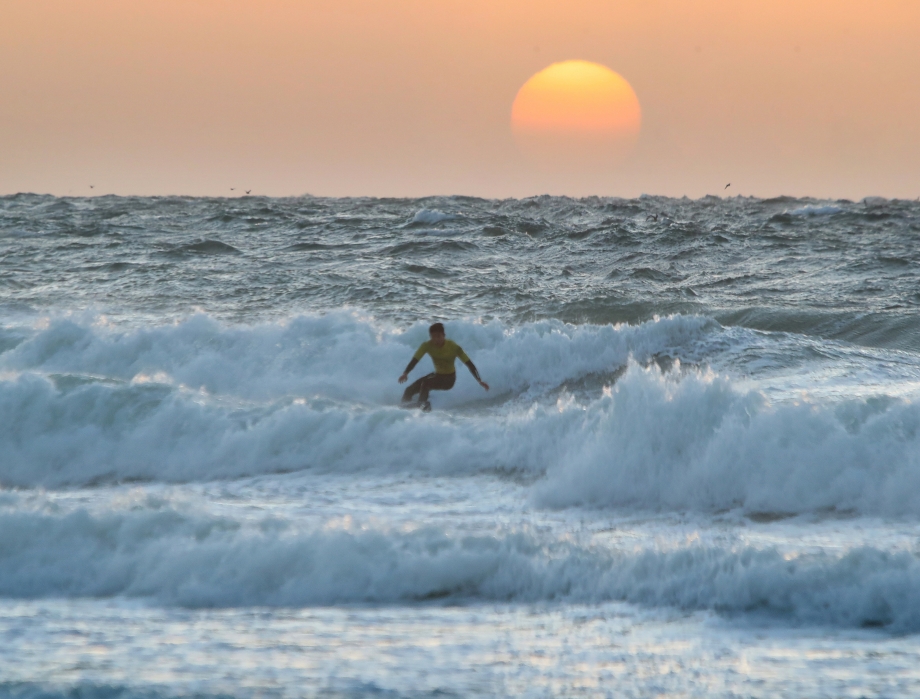
Taean Mallipo Beach: Walk the Muldakbyeoseom Island Deck Trail and 2.5 km of White Sand
 Travel Guide
Windmill with a View of Mongsanpo Sea and 13 Gardens, Taean Farm Kamille
 Travel Guide
Cheongsan Arboretum in Nam-myeon, Taean, Growing Lotus Flowers Since 1990
Korea News
 News
News
TWS heightens comeback excitement with kitschy charm… Anticipation for “plot twist” rises
 News
News
BTS, Six Months After Its Release… ‘Arirang’ Climbs the U.S. Billboard 200
 News
News
'The Nation's Girl Group' RESCENE, Five Girls Transformed into Guardians… Additional Concept Photos for Their 4th Mini Album Revealed
 News
News