An Old Village of Munui Relocated to Daecheong Lake
Munui Cultural Heritage Complex is a space where the cultural heritage of the Munui area, which was at risk of being submerged following the construction of Daecheong Dam in 1980, was relocated and restored. Visitors can explore Munsangwan Hall, traditional houses, dolmens, and an exhibition hall alongside views of Daecheong Lake, but should check the uphill entrance and seasonal closing times in advance.
I’ve been here?
Your check-in helps the next traveler.
18 people viewed this week Be the first
One tap — no writing needed
The History Before 1980, When Daecheong Dam Was Built
Munui Cultural Heritage Complex was created in 1980 to preserve local cultural heritage threatened with submersion by the construction of Daecheong Dam and to provide residents with a place for relaxation. Its current location overlooking Daecheong Lake provides a setting where buildings and historic sites from the old Munui area, which would be submerged, can be viewed in one place.
Prehistoric sites, including the Munui Gahori dolmen, Munsan-gwan, the guesthouse of the former Hyeon of Munui, and traditional houses from Gwanjeong-ri, Nohyeon-ri, and Bugang-ri were relocated and restored. There is also a Monument Street displaying old stele from the Munui area. It is best to enter with the understanding that this is not simply a newly created traditional village, but a place that gathers heritage preserved from submersion.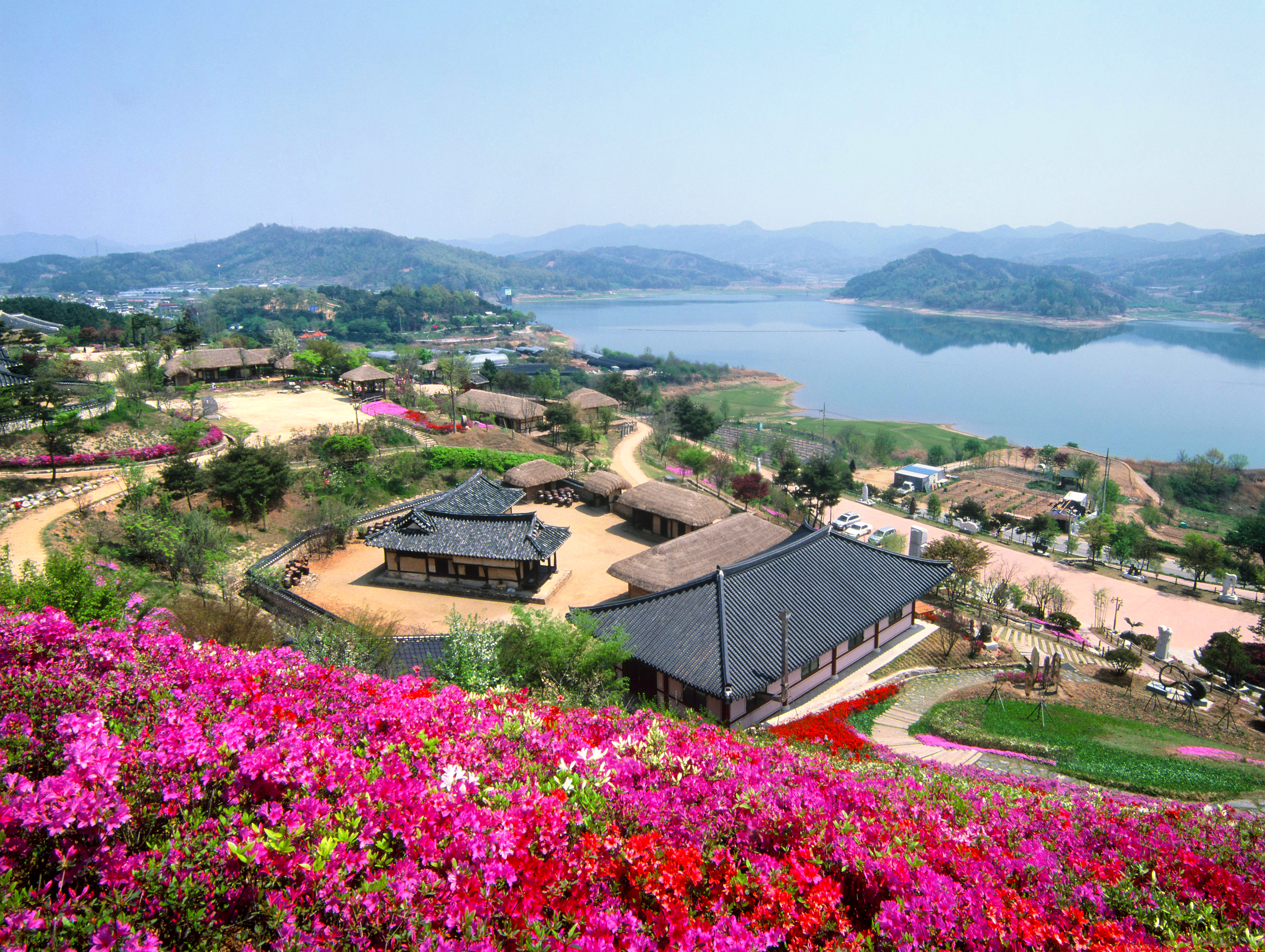
Yangseongmun Gate, Named After 378-Meter Yangseongsan Mountain
The main gate, Yangseongmun, is introduced as being named after Yangseongsan Mountain behind it, which is listed as 378 meters high. Short fortress walls extend to both sides of Yangseongmun, recreating the atmosphere of the old walled town of Munui.
The construction dates of Yangseongmun and the side walls, as well as the completion date of the complex, are difficult to determine solely from the latest official information. However, official information confirms that the site opened in 1997, and some descriptions state that it was created between 1997 and 1999. Therefore, it is more accurate to view the entrance gate and walls as facilities recreating the approach to an old town rather than as the original relocated buildings themselves.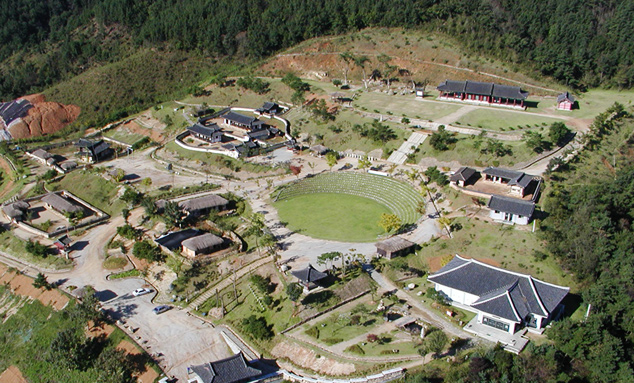
Munsan-gwan and Traditional Houses Relocated from Four Areas
The complex’s central building, Munsan-gwan, is the guesthouse of the former Hyeon of Munui. Gwanjeong-ri House, Nohyeon-ri House, Bugang-ri House, and Munsan-ri Stone Bridge, along with other local cultural properties, are arranged together. This makes a walking route comparing the public architecture and private homes of old Munui more suitable than simply viewing one building.
Gwanjeong-ri House is introduced as Chungcheongbuk-do Local Cultural Heritage Material No. 38. The complex also recreates an aristocratic house, a tavern, an earthen-wall house, a blacksmith’s shop, and fortress walls. Since the extent to which visitors can actually enter the traditional houses may vary depending on each building’s opening status, it is safest to prepare to view them mainly from the outside and through their courtyards.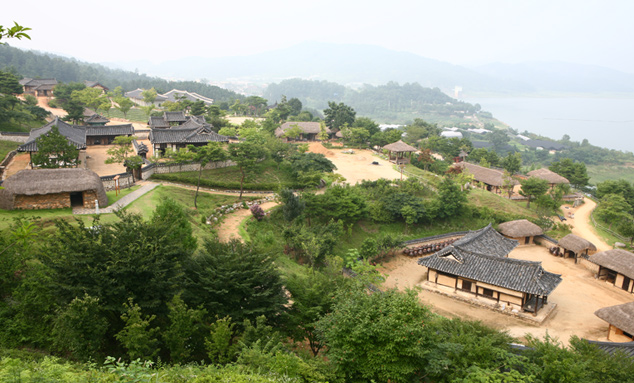
From Dolmens to the Royal Placenta Burial Record of King Yeongjo, Indoors
The Cultural Relics Exhibition Hall displays the history and artifacts of Cheongju from prehistoric times and the Three Kingdoms period through Goryeo and Joseon. The Royal Placenta Burial Record of King Yeongjo, which documents the construction of King Yeongjo’s placenta chamber, is Local Tangible Cultural Heritage No. 70. In the courtyard in front of the exhibition hall, Munsan Stone Bridge, believed to have been built during the Goryeo period, has also been restored.
The Roof Tile Exhibition Hall presents roof tiles from Baekje through the modern era, classified by period. According to official information, the hall displays more than 200 roof tiles by period and type, 90 folk materials, 150 books and other publications, and 60 other artifacts. Since materials that are easy to miss when touring only the outdoor buildings are gathered indoors, it is more efficient to include the exhibition hall midway through the visit rather than leave it until the end.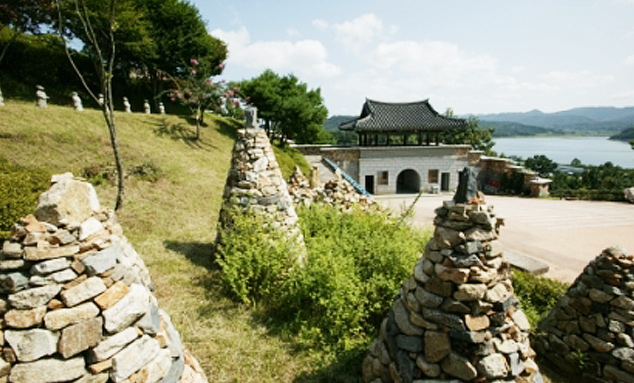
Opening at 09:00, Seasonal Last Admission, and Monday Closure
From March through October, visiting hours are 09:00–18:00, while from November through February they are 09:00–17:00. Last admission is one hour before closing, so tickets must be purchased by 17:00 in summer and by 16:00 in winter.
Closing days are every Monday, New Year’s Day, Lunar New Year, and Chuseok. If Monday is a public holiday, the complex opens and closes the following day. General admission is 1,000 won (800 won for groups), admission for youths and military personnel is 800 won (600 won for groups), and admission for children is 500 won. A group consists of 20 or more people. Children under seven and adults aged 65 or older enter free. Citizens of Cheongju, sister cities, and the three southern counties receive a 50% discount after showing identification.
Five Minutes from Munui IC: Practical Access After Getting Off the Bus
By car, it takes about five minutes from Munui IC. The address is 721 Daecheonghoban-ro, Munui-myeon, Sangdang-gu, Cheongju-si, Chungcheongbuk-do, and parking is available. However, parking fees and the number of spaces are not provided.
By public transportation, take bus 311 or 313 and get off at the Munui Cultural Heritage Complex stop. According to other reviews, it takes 10–15 minutes on foot from Micheon-ri, the terminal stop in Munui, to the complex. There is also an uphill section from the parking lot to the entrance, described in reviews as taking about two minutes or three to four minutes. Visitors using wheelchairs or strollers should therefore consider the physical burden of the route. Information on wheelchair and stroller accessibility and current service intervals is not provided.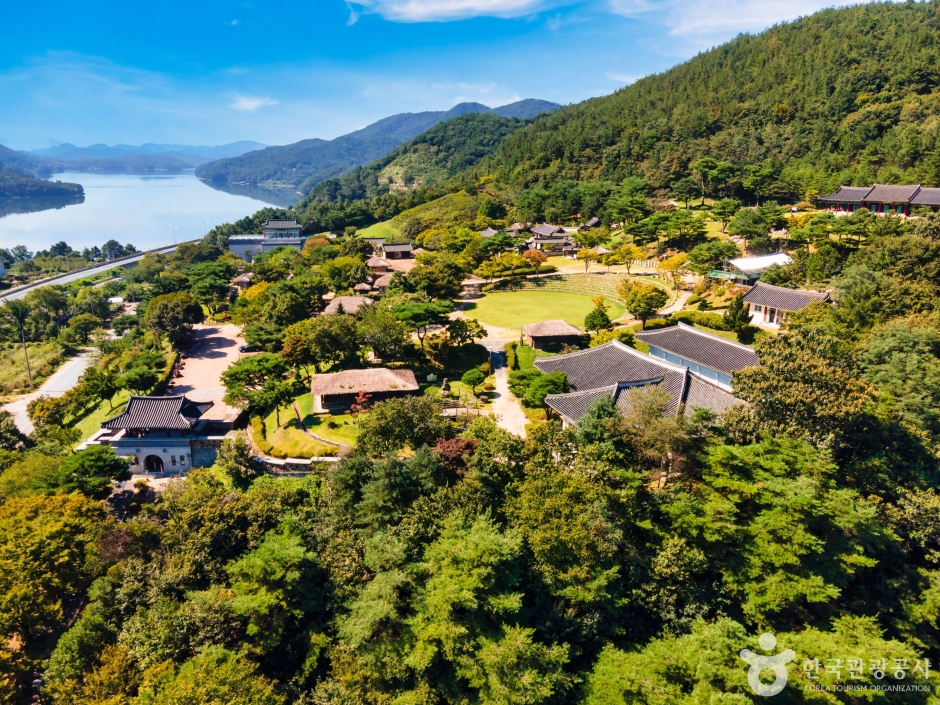
How to Combine a Free Tour with the Daecheongho Art Museum
Cultural tourism guides from Cheongju operate at Munui Cultural Heritage Complex and can be used free of charge with advance reservations. Operating hours are 10:00–17:00, and guides work in pairs, although this may vary depending on operating conditions. Foreign visitors should also ask when making a reservation whether an English-language tour is available.
Visitors to the complex can enter Cheongju Municipal Daecheongho Art Museum free of charge. The museum opened in 2004 as the Cheongwon County Daecheongho Art Museum. It now has three exhibition rooms and an outdoor sculpture park, and holds about three exhibitions annually. An environmental art festival has been held around April in the past, but the current event schedule is not provided. Nearby attractions include the Yangseongsan hiking trail, the Small Yonggul Fountain, Cheongnamdae, the presidential villa, and a youth training center.
The Difference Between a 20-Minute Visit and an 80-Minute Visit
A review page introduces the site as a place where visitors usually spend 20 minutes, while other information says that viewing the cultural heritage complex and exhibition hall together takes about one hour to one hour and 20 minutes. The difference depends on whether you quickly see only Yangseongmun and the walls or also visit Munsan-gwan, the old houses, the dolmen, the exhibition hall, and the art museum.
Some reviews also mention a pavilion offering views of the lawn and Daecheong Dam. If you want to include both indoor exhibitions and outdoor scenery, it is better to arrive well before the winter closing time of 17:00. Information on whether photography is prohibited, whether payment is cash-only, and whether English information and audio guides are currently available is not provided. Travelers who require this information can contact the management office at 043-201-0915 or the Cheongju City Cultural Heritage Division at 043-201-2024.
Before You Go
- Address
- 721 Daecheonghoban-ro, Munui-myeon, Sangdang-gu, Cheongju-si, Chungcheongbuk-do
- Hours
- Summer season (March–October) 09:00–18:00 / Winter season (November–February) 09:00–17:00 / Last admission: one hour before closing
- Closed
- Every Monday, New Year’s Day, Lunar New Year, and Chuseok. If Monday is a public holiday, the complex opens and closes the following day
- Admission
- Children 500 won / Youths and military personnel 800 won (groups 600 won) / Adults 1,000 won (groups 800 won) / Groups of 20 or more / Free for children under 7 and adults aged 65 or older / 50% discount for citizens of Cheongju, sister cities, and the three southern counties
- Phone
- 043-201-0915 (management office), 043-201-2024 (Cheongju City Cultural Heritage Division)
- Official site
- https://www.cheongju.go.kr/ktour/selectClturCntnts2019View.do?clturCntntsNo=2078&clturCode=11&key=20327&pageIndex=2&pageUnit=8&searchCnd=all
- Transport
- Car: 5 minutes by car from Munui IC / Bus: take bus 311 or 313 and get off at the Munui Cultural Heritage Complex stop / According to reviews, a 10–15-minute walk from the terminal stop in Munui
- Parking
- Parking available. Parking fees and the number of spaces could not be confirmed
- Time needed
- About one hour to one hour and 20 minutes according to reviews, when visiting the cultural heritage complex and exhibition hall together.
- Accessibility
- Reviews mention an uphill path from the parking lot to the entrance, taking about 2–4 minutes depending on the review. Wheelchair and stroller accessibility could not be confirmed
The information above is accurate as of the time of writing. Check the official information again before visiting.

Places
Nearby Attractions 3
-
 1
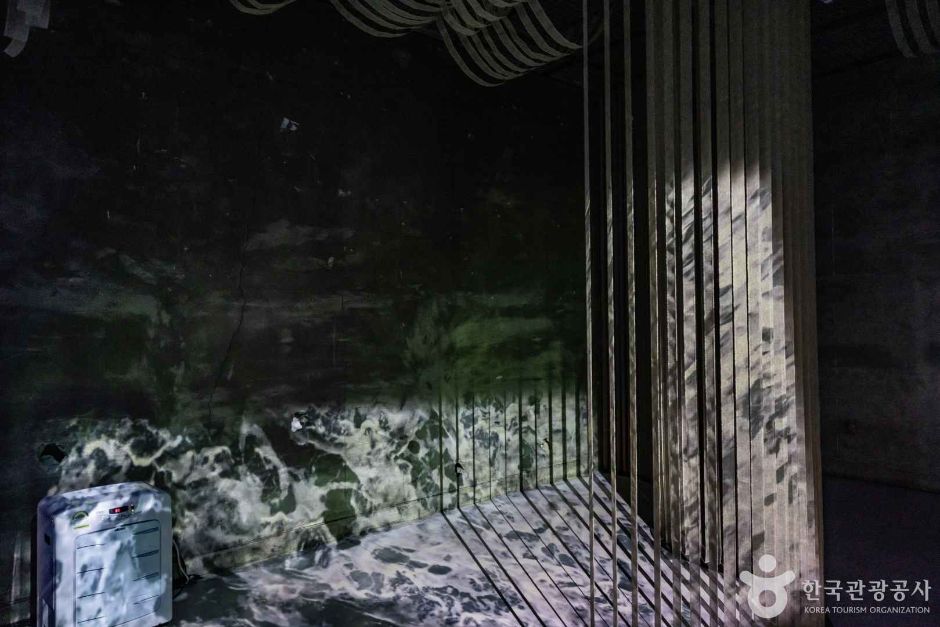
Cheongju Municipal Daecheongho Museum of ArtA museum where you can enjoy contemporary art exhibitions and an outdoor sculpture park amid the scenery of Daecheongho Lake.
1
Cheongju Municipal Daecheongho Museum of ArtA museum where you can enjoy contemporary art exhibitions and an outdoor sculpture park amid the scenery of Daecheongho Lake. -
 2
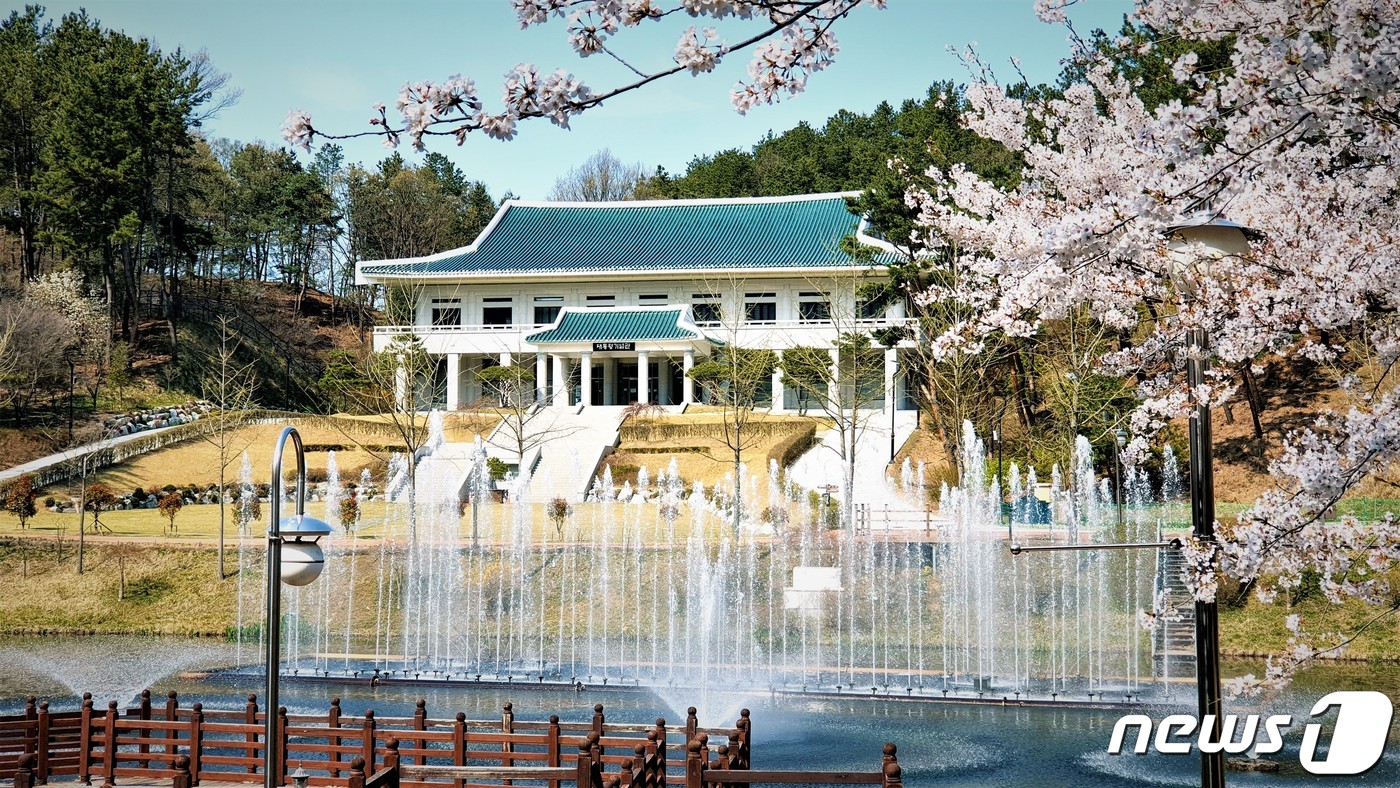
CheongnamdaeA historic tourist attraction where visitors can explore a former presidential villa and its gardens along Daecheong Lake.
2
CheongnamdaeA historic tourist attraction where visitors can explore a former presidential villa and its gardens along Daecheong Lake. -
 3
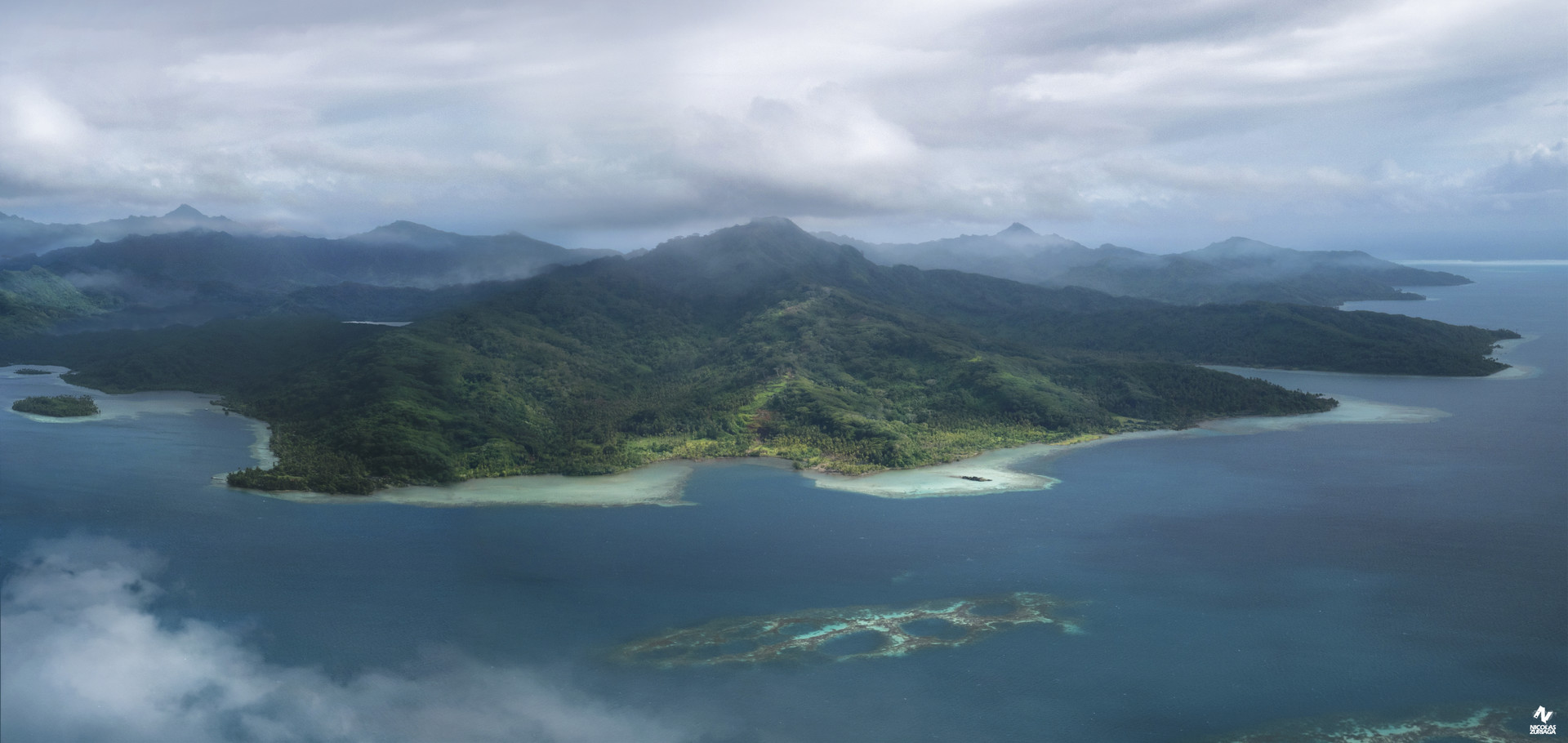
Yangseongsan MountainA renowned hiking destination in Munui-myeon, offering enjoyable hikes and scenic views overlooking Daecheong Lake.
3
Yangseongsan MountainA renowned hiking destination in Munui-myeon, offering enjoyable hikes and scenic views overlooking Daecheong Lake.
Food & Dining 2
-
 4
TodamgolA restaurant serving traditional Korean set meals with cauldron-cooked rice, including gondre rice and gochujang bulgogi.
4
TodamgolA restaurant serving traditional Korean set meals with cauldron-cooked rice, including gondre rice and gochujang bulgogi. -
 5
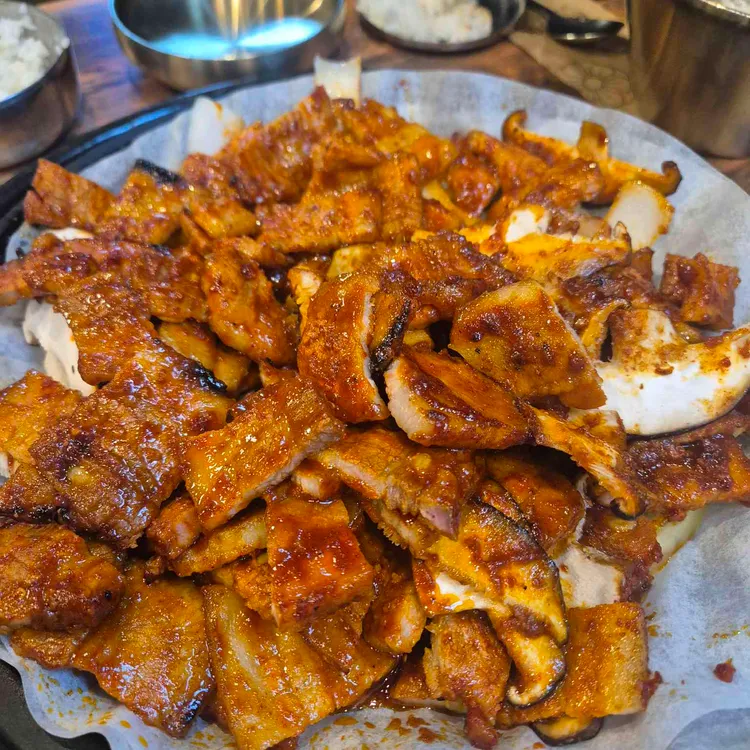
Bubu NongjangA restaurant in Munui-myeon serving gochujang-marinated pork belly and nutritious sweet pumpkin rice.
5
Bubu NongjangA restaurant in Munui-myeon serving gochujang-marinated pork belly and nutritious sweet pumpkin rice.
Events in This Area
Festivals in This Area
More Travel Guides in This Area
 Travel Guide
Presidential History Across 1.84 Million m² of Daecheong Lake: Cheongnamdae in Cheongju
 Travel Guide
How to Walk Through Cheongju Yukgeori General Market’s 890 Shops
 Travel Guide
The 1939 Governor’s Residence Turned into a Literary and Exhibition Space: Chungbuk Cultural Center
 Travel Guide
How to Follow the Path of Jikji and Metal Movable Type at the Cheongju Early Printing Museum
Korea News
 News
News
‘NewJeans Expulsion’ Danielle Releases Her First YouTube Video… “We Don’t Know What Will Happen Next”
![aespa’s North American Tour Has Remaining Seats Despite ‘$49’ Bargain Prices… A Stark Popularity Gap with KATSEYE [TEN Starfield]](https://kotourlive-images.s3.ap-northeast-1.amazonaws.com/news/1788485037424_a59b1932_naver_rank_thumb_0000774618_1788485037424.jpg) News
News
aespa’s North American Tour Has Remaining Seats Despite ‘$49’ Bargain Prices… A Stark Popularity Gap with KATSEYE [TEN Starfield]
![[Photo] TWICE’s Dahyun attends a film festival red carpet as an actress](https://kotourlive-images.s3.ap-northeast-1.amazonaws.com/news/1788485316508_edd43ecd_news_870a60a6-6f11-4d73-aa7c-48d91318a0f7.jpg) News
News
[Photo] TWICE’s Dahyun attends a film festival red carpet as an actress
![[On-Site Video] “We’re Departing Separately Together”… BIGBANG Begins ‘COSMOS’ World Tour](https://kotourlive-images.s3.ap-northeast-1.amazonaws.com/news/1788485226518_c5719641_news_fdd4764a-0f4e-4968-8e4e-e98a02872f88.jpg) News
News