National Museum of Jeonju, 40,000 Jeonbuk Heritage Items at 249 Ssukgogae-ro
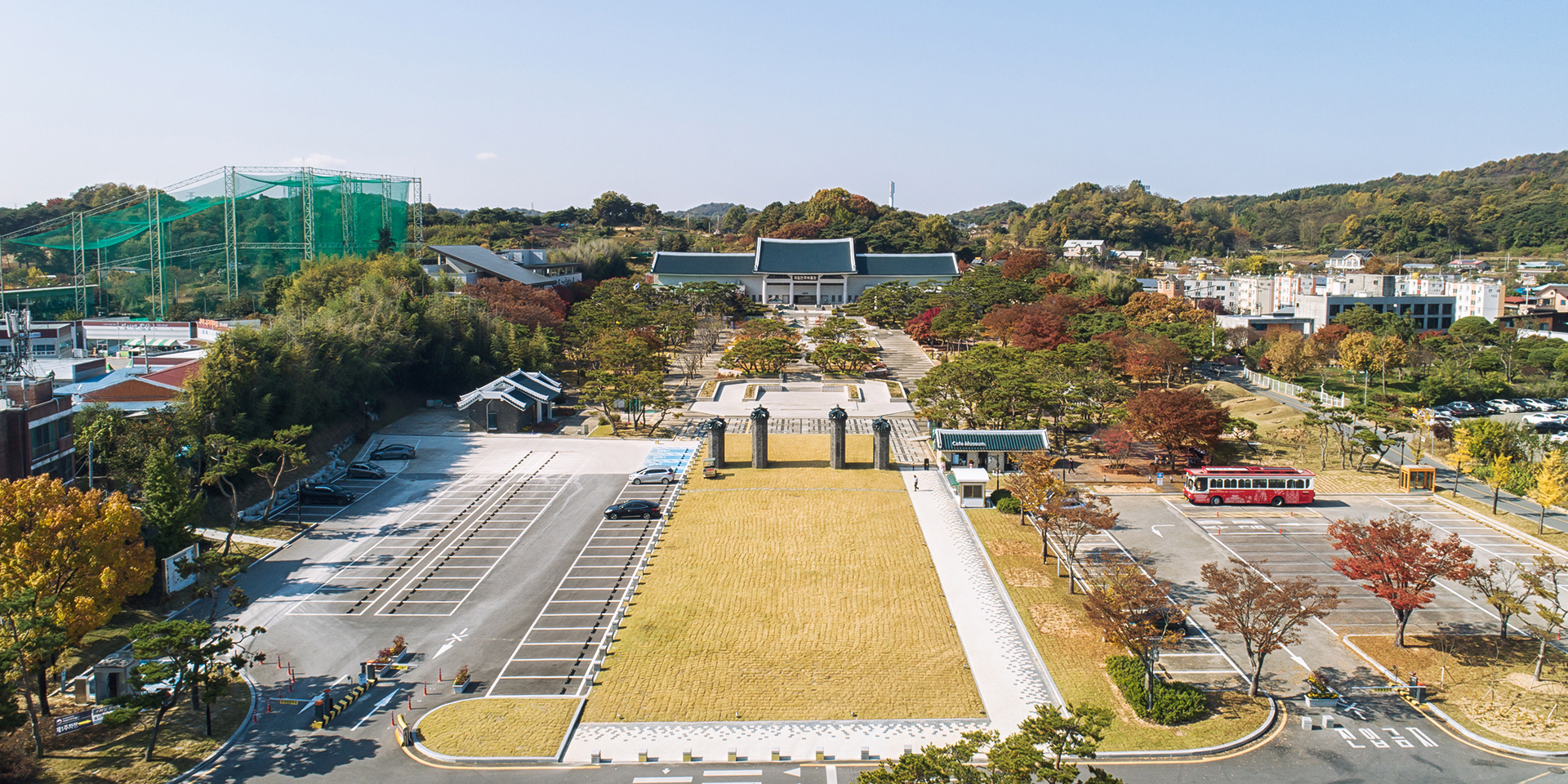
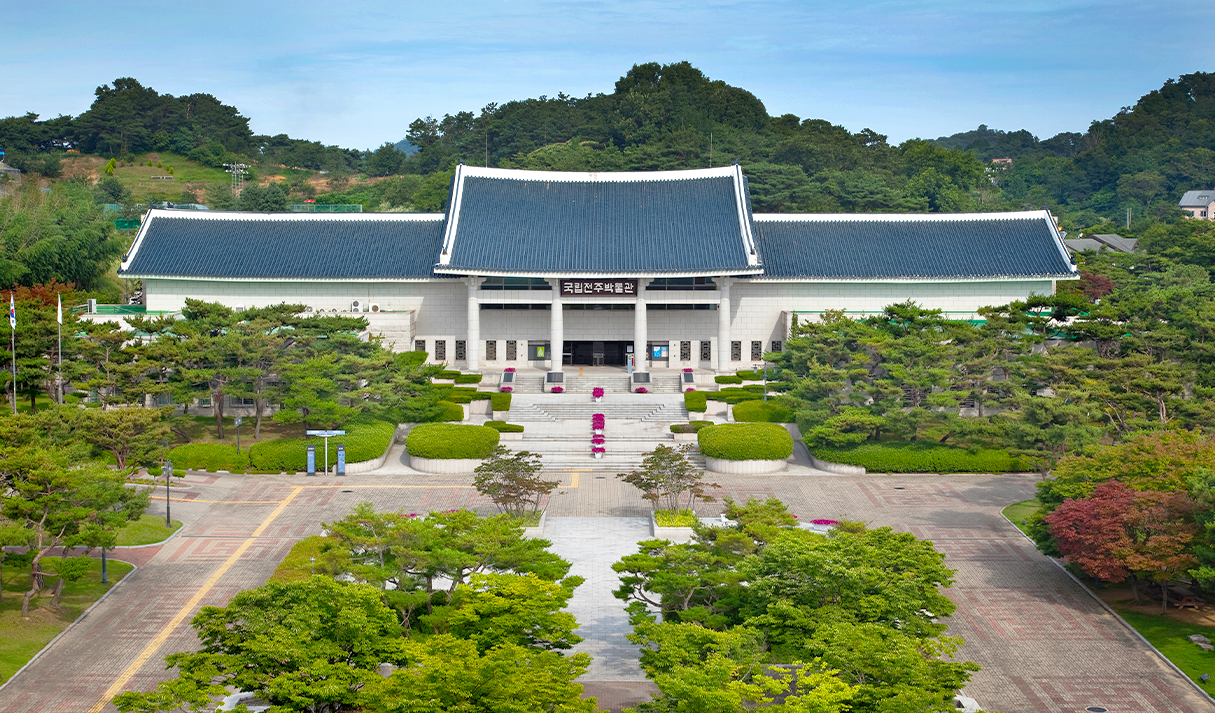
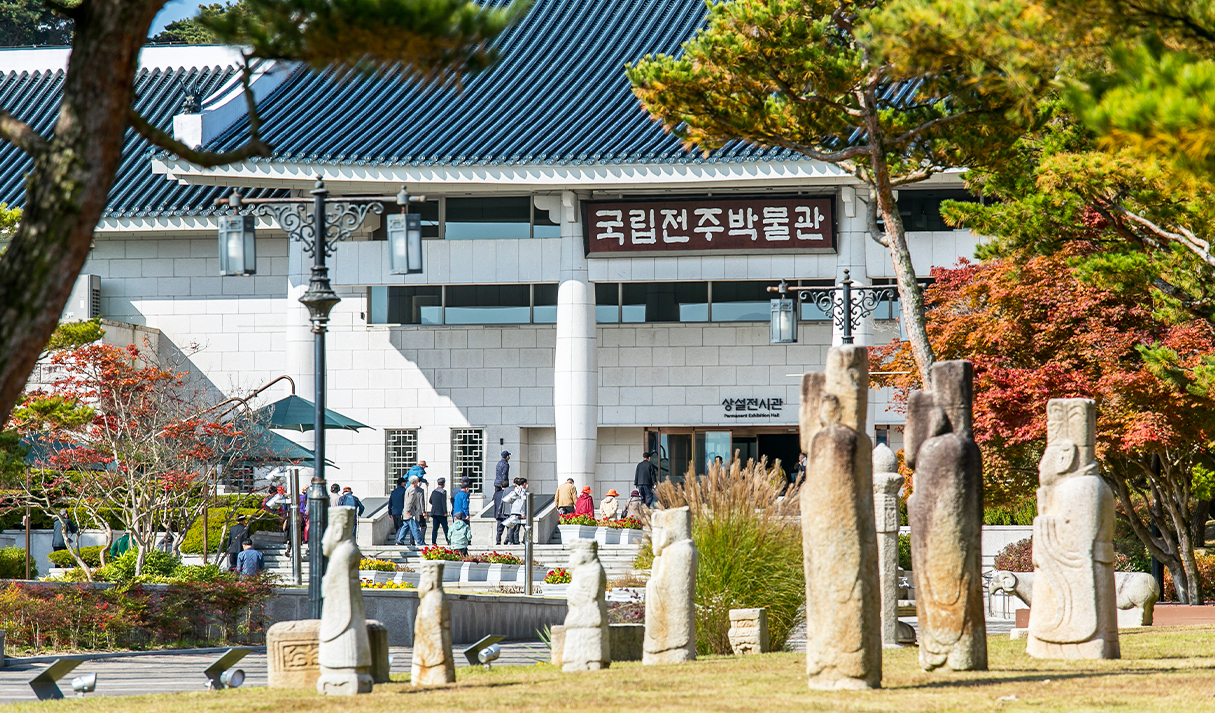
Opened on October 26, 1990, the National Museum of Jeonju was Korea’s ninth national museum. Housed in a building modeled on the architectural style of Joseon-era government offices, it holds approximately 40,000 artifacts excavated in Jeonbuk. Around 2022, the permanent exhibition hall was completely revamped, adding an immersive-content video space and a spacious lobby. Admission to both the permanent and special exhibitions is free.

I’ve been here?
Your check-in helps the next traveler.
No one has checked in yet Be the first
One tap — no writing needed
The City of the Jeolla Provincial Government Office in 1392, and Home to the Ninth National Museum in 1990
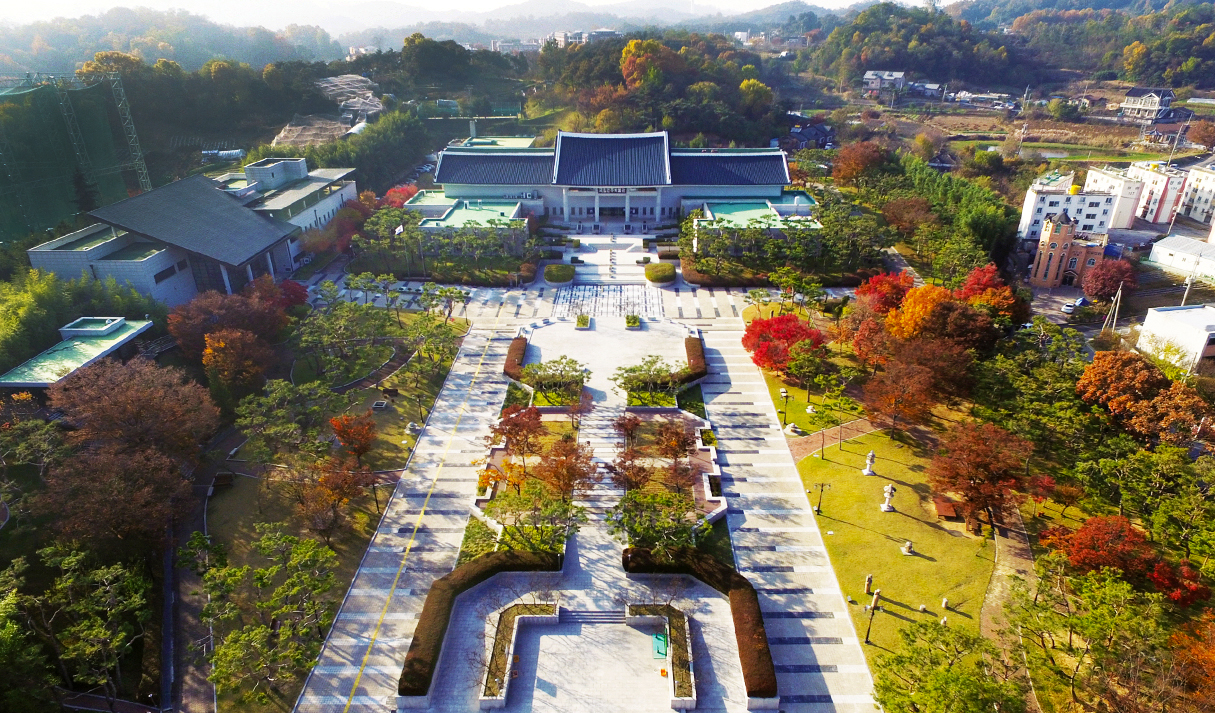
Jeonju was a town where the Jeolla Provincial Government Office, the administrative office where the governor of Jeolla-do worked, was established from 1392, the year Joseon was founded (the first year of King Taejo's reign). The office was established in Jeonju at the same time as the founding of the Joseon Dynasty in 1392 (the first year of King Taejo's reign), and remained in existence for approximately 500 years until the 23-bu administrative system was implemented in 1895 (the 32nd year of King Gojong's reign). Reflecting the history of this region, the National Jeonju Museum was built in the form of a government office. It features a traditional architectural style modeled after a Joseon-era government office, with one basement level and two above-ground floors, a total floor area of 8,030 square meters, and a site measuring 65,289 square meters.
Since opening on October 26, 1990, the National Jeonju Museum has served as a central institution for collecting, preserving, researching, exhibiting, and educating the public about the cultural heritage of the Jeollabuk-do region. It was the ninth national museum to be established. In the Honam region, it was the second national museum built after the National Gwangju Museum. Its organization continued to change after opening: a Social Education Center opened in November 2002, was renamed the Cultural Experience Center in 2006, and was changed again to the Children's Museum in November 2014.
The Place Where the National Treasure Departed — Artifacts Now Protected by the National Jeonju Museum
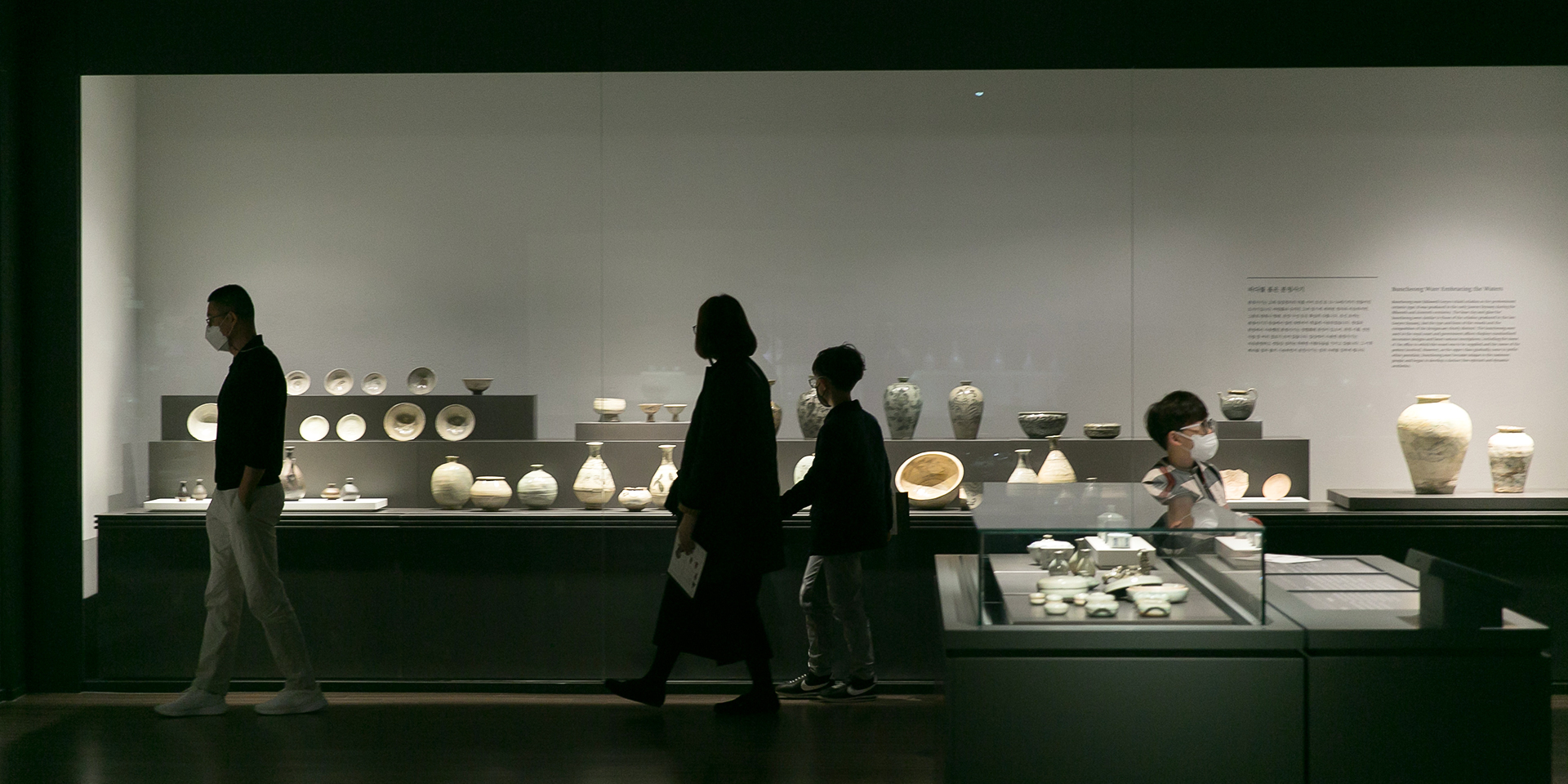
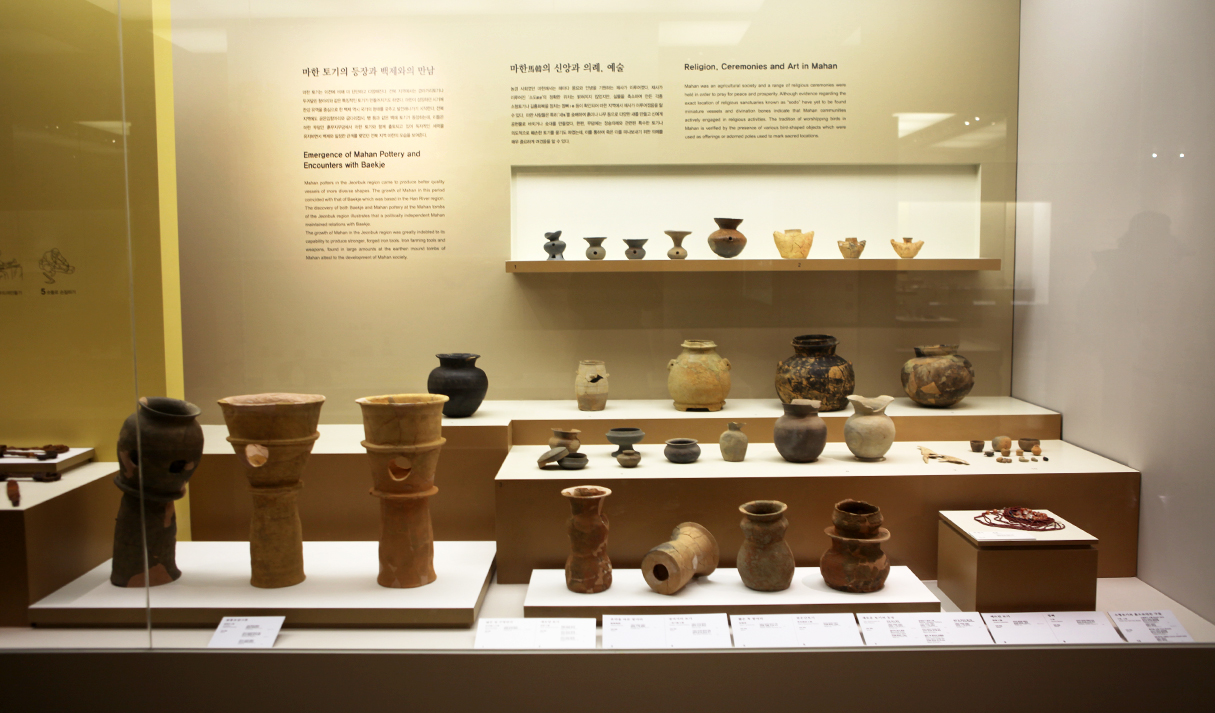
The museum's collection numbers more than 40,000 items, including archaeological artifacts excavated in Jeollabuk-do, Buddhist artworks, ceramics, metal crafts, paintings and calligraphy, historical books, and folk materials. Of these, more than 2,000 items are on permanent display in the permanent exhibition galleries and outdoor exhibition area, while the remainder are stored in the collection storage rooms and revealed during special exhibitions.
The Encyclopedia of Korean Culture states that the collection comprises more than 30,000 items, including the Reliquaries from the Five-story Stone Pagoda at Wanggung-ri, Iksan (National Treasure, designated in 1966), the Transcription of the Lotus Sutra (Treasure, designated in 1963), the Portrait of Yi Sang-gil (Treasure, designated in 1984), and the Seokssi Wollyu of Seonunsa Temple. However, according to the latest information on the National Heritage Portal, the reliquaries from Wanggung-ri are now located at the National Iksan Museum, at 362 Mireuksaji-ro, Iksan-si, Jeonbuk Special Self-Governing Province. This also corresponds with the explanation that some items from the National Jeonju Museum's collection were transferred to the National Iksan Museum when it opened in 2020. In contrast, the Seokssi Wollyu of Seonunsa Temple has remained in Jeonju since it was designated a Tangible Cultural Heritage of Jeollabuk-do in 1971.
2022: The Permanent Exhibition Gallery Reborn After More Than 30 Years
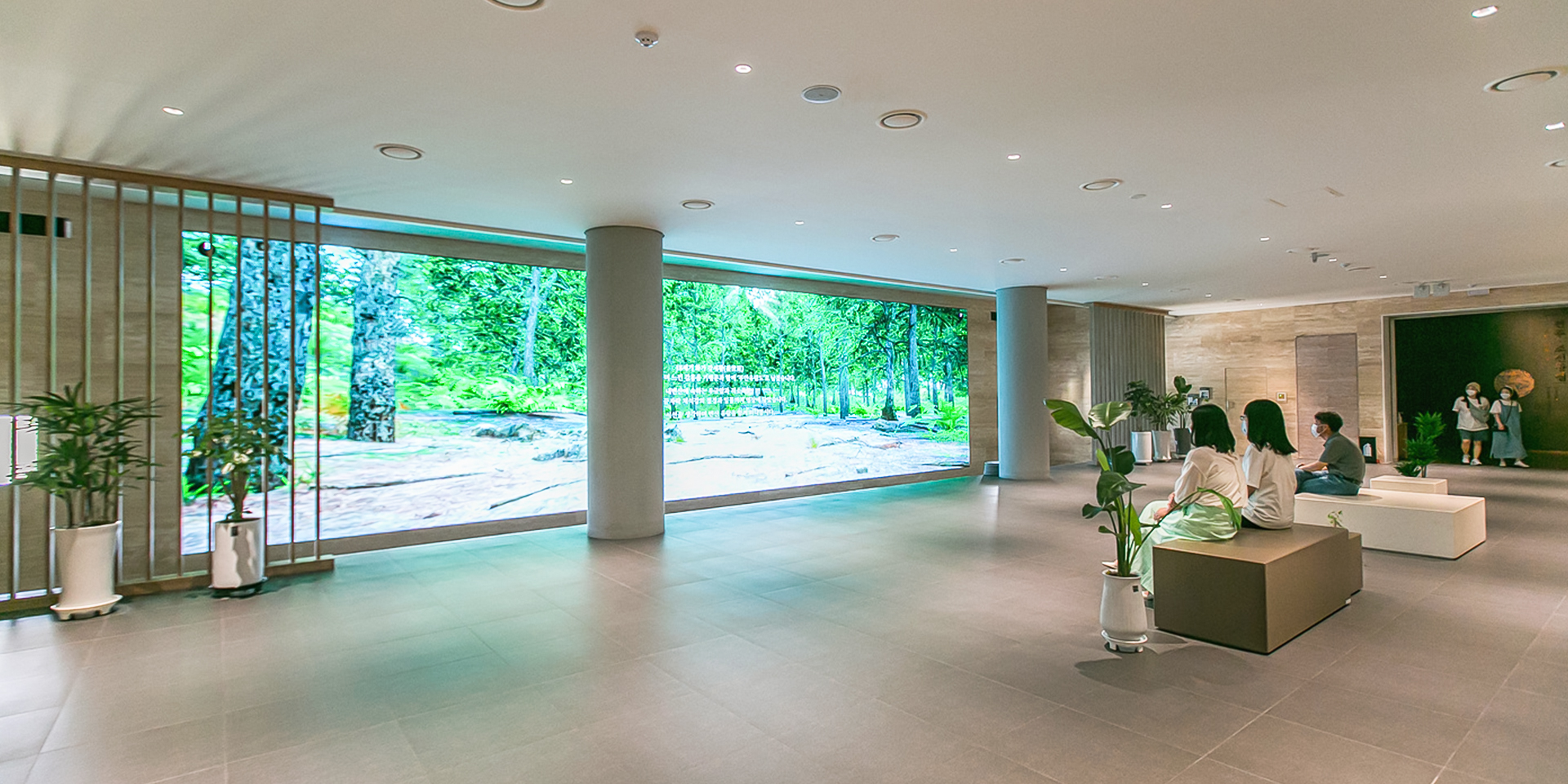
A visitor's account written in autumn 2022 states that the National Jeonju Museum completely renovated its permanent exhibition gallery for the first time in more than 30 years. Although there had been several partial renovations since its opening in 1990, this was reportedly the first full-scale refurbishment. Jeonju City's official tourism website also introduces the lobby as having been extensively redesigned so that it would serve not only as a place to view exhibitions but also as a comfortable resting area for visitors.
The centerpiece of the renovation is the second floor. A new immersive-content video space showcasing the nature and culture of Jeonbuk was created there. The affiliated museums exhibition guide on the National Museum of Korea website states that the second floor of the National Jeonju Museum's permanent exhibition gallery includes the Jeonju and Joseon Royal Family Gallery, and that the special exhibition Writing the Great Korean: Ahn Jung-geun was held in the special exhibition gallery from December 2, 2025, through March 8, 2026. The outdoor area was also renovated, allowing visitors to stroll through a garden reflecting traditional Korean landscaping, with seasonal flowers and a tree-lined path. As of August 2026, the official website announces that the special exhibition Treasure House of Records is in progress.
Children's Museum: Without a Reservation, You May Have to Turn Away at the Door
The Children's Museum at the National Jeonju Museum operates separately from the permanent exhibition gallery. It runs four sessions per day: Session 1 from 10:00 to 11:30, Session 2 from 13:00 to 14:00, Session 3 from 14:30 to 15:30, and Session 4 from 16:00 to 17:00. It also has separate closure dates and is closed on January 1, the day of Lunar New Year's Day and Chuseok, and the third Monday of every month. Admission is free and the museum is intended for infants, preschoolers, and elementary school students.
According to the travel information service Triple, reservations are mandatory and visitors must arrive at least 20 minutes before their viewing time. Exhibition Room 1 is for elementary school students, while Exhibition Room 2 is for children aged seven and under. Since the museum operates on a reservation system with a set capacity for each session, checking the reservation page on the website before setting out is a good way to avoid a wasted trip, especially on weekends or during school holidays.
249 Sukgogae-ro, Beside the Jeonju History Museum
The street address is 249 Sukgogae-ro, Wansan-gu, Jeonju-si, Jeonbuk Special Self-Governing Province; the lot-based address is 900 Hyoja-dong 2-ga, Wansan-gu. Next door is the Jeonju History Museum, a municipal museum operated by Jeonju City. The two museums are so close together that the Jeonju History Museum is often described as being beside the National Jeonju Museum, making it convenient to visit both in one trip.
The only public transportation option is the bus. The official website's directions state that buses 112, 131, 149, 19, 554, 559, 62, 644, 684, 999, and 3002 stop at the Jeonju Museum·Jeonju History Museum bus stop, and that the journey from Jeonju Station takes approximately 30 minutes. Bus 3002 is particularly useful when traveling from the museum toward the New Town area, as it passes the National Jeonju Museum and continues toward the Jeonbuk Special Self-Governing Province Police Agency. Visitors arriving from the Jeonju Intercity Bus Terminal can transfer to bus 644 (departing from Wonpyeong), 684 (departing from Geumgu), or 999 (departing from the National Jeonju Museum), but because service intervals are relatively long, it is better to check arrival information in advance.
Visitors arriving by car share a parking lot between the museum and the Jeonju History Museum. A visitor's account written in 2022 mentioned that the two museums are adjacent, so the parking area itself is spacious and pleasant, but parking on the Jeonju History Museum side was free while parking on the National Jeonju Museum side was paid. Since the fee system may change over time, check before visiting.
Viewing Hours: 10:00–18:00; Only Three Closure Days a Year
The official Instagram account states that viewing hours are 10:00–18:00 on weekdays, Saturdays, Sundays, and public holidays alike. Regular closure days are January 1, Lunar New Year's Day, and Chuseok Day, and entry is permitted until 17:30. The same account notes that Saturday evening openings had been offered but are currently temporarily suspended, so visitors planning an evening visit should check the latest announcement again. Both the permanent and special exhibitions are free to visit.
For inquiries, contact the Planning and Operations Division at 063-223-5651 or the Curatorial Research Office at 063-223-5652. The museum shop on the left side of the first-floor exhibition gallery can be reached at 063-221-2770. It is open daily from 10:00 to 18:00 but closed on January 1 and Lunar New Year's Day and Chuseok Day. The official website is jeonju.museum.go.kr. A notice posted on the website states that, from April 1, 2025, wheeled vehicles such as electric kickboards, drones, tents, ball games, and entry with pets are prohibited, except for mobility-impaired visitors.
Who Will Enjoy It, and Who Might Find It Disappointing?
It offers many advantages for families traveling with children. With a free Children's Museum and an immersive-content video space on the second floor, visitors can first experience Jeonbuk's nature and culture through video before moving on to the permanent exhibition galleries. It is also a good destination for those who have already explored urban attractions such as Jeonju Hanok Village and want to quietly examine historical artifacts.
However, visitors expecting representative artifacts from the Mireuksaji site or Wanggung-ri ruins in Iksan may be somewhat disappointed. As noted above, the reliquaries from the Five-story Stone Pagoda at Wanggung-ri, designated a National Treasure, are currently housed at the National Iksan Museum. To see them in person, visitors must travel to Iksan rather than Jeonju. Travelers relying on public transportation without a private car should also plan with the long intervals between buses serving outlying areas in mind.
A Half-Day Walking Course Combining the Jeonju History Museum and Hanok Village
The National Jeonju Museum and the Jeonju History Museum are close enough to reach on foot. Visiting the Jeonju History Museum next door as well allows visitors to compare Jeonbuk artifacts collected by a national institution and a local government. Visitors traveling from Jeonju Hanok Village or the express and intercity bus terminals can likewise reach the museums by bus, although the exact travel time varies depending on the route and bus-stop location.
The museum has convenient facilities including a museum shop, cultural lounge, baby room, auditorium, seminar room, and café, making it easy to take a short break before or after viewing the exhibitions. Visitors can adjust their itinerary according to the time available: see only the permanent exhibition galleries for a brief visit, or continue through the outdoor garden and Children's Museum if they have more time.
Before You Go
- Address
- 249 Sukgogae-ro, Wansan-gu, Jeonju-si, Jeonbuk Special Self-Governing Province (lot-based address: 900 Hyoja-dong 2-ga, Wansan-gu)
- Hours
- 10:00–18:00 (same on weekdays, weekends, and public holidays; last admission 17:30). Saturday evening opening is currently temporarily suspended
- Closed
- January 1, Lunar New Year's Day, and Chuseok Day (the Children's Museum is also closed on the third Monday of every month)
- Admission
- Free (the permanent exhibitions, special exhibitions, and Children's Museum are all free)
- Phone
- 063-223-5651 (Planning and Operations Division), 063-223-5652 (Curatorial Research Office), 063-221-2770 (museum shop)
- Official site
- https://jeonju.museum.go.kr
- Transport
- Buses 112, 131, 149, 19, 554, 559, 62, 644, 684, 999, and 3002 stop at the 'Jeonju Museum·Jeonju History Museum' bus stop. Approximately 30 minutes from Jeonju Station; accessible by bus from the express and intercity bus terminals and Hanok Village. Jeonju has no urban railway, so buses and private cars are the main means of transportation
- Parking
- Shared parking lot available for the museum and Jeonju History Museum. Some visitor accounts mention that parking on the Jeonju History Museum side is free while parking on the National Jeonju Museum side is paid; checking before visiting is recommended
- Time needed
- 1–1.5 hours for the permanent exhibition galleries only; 2–3 hours including the Children's Museum and outdoor garden
The information above is based on the time of writing. Check the official guidance again before visiting.

Places
Nearby Attractions 5
-
 1
Jeonju History MuseumA museum exploring the history of Jeonju from prehistoric times to the modern and contemporary period.
1
Jeonju History MuseumA museum exploring the history of Jeonju from prehistoric times to the modern and contemporary period. -
 2
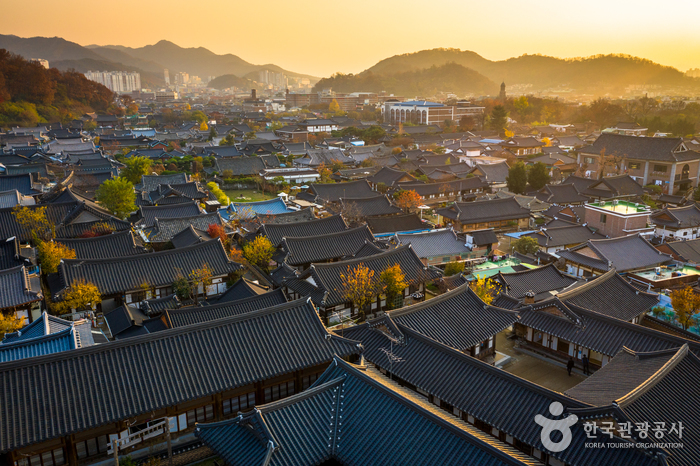
Jeonju Hanok VillageA tourist destination where you can stroll through hanok alleyways and explore traditional culture and hands-on experience spaces.
2
Jeonju Hanok VillageA tourist destination where you can stroll through hanok alleyways and explore traditional culture and hands-on experience spaces. -
 3
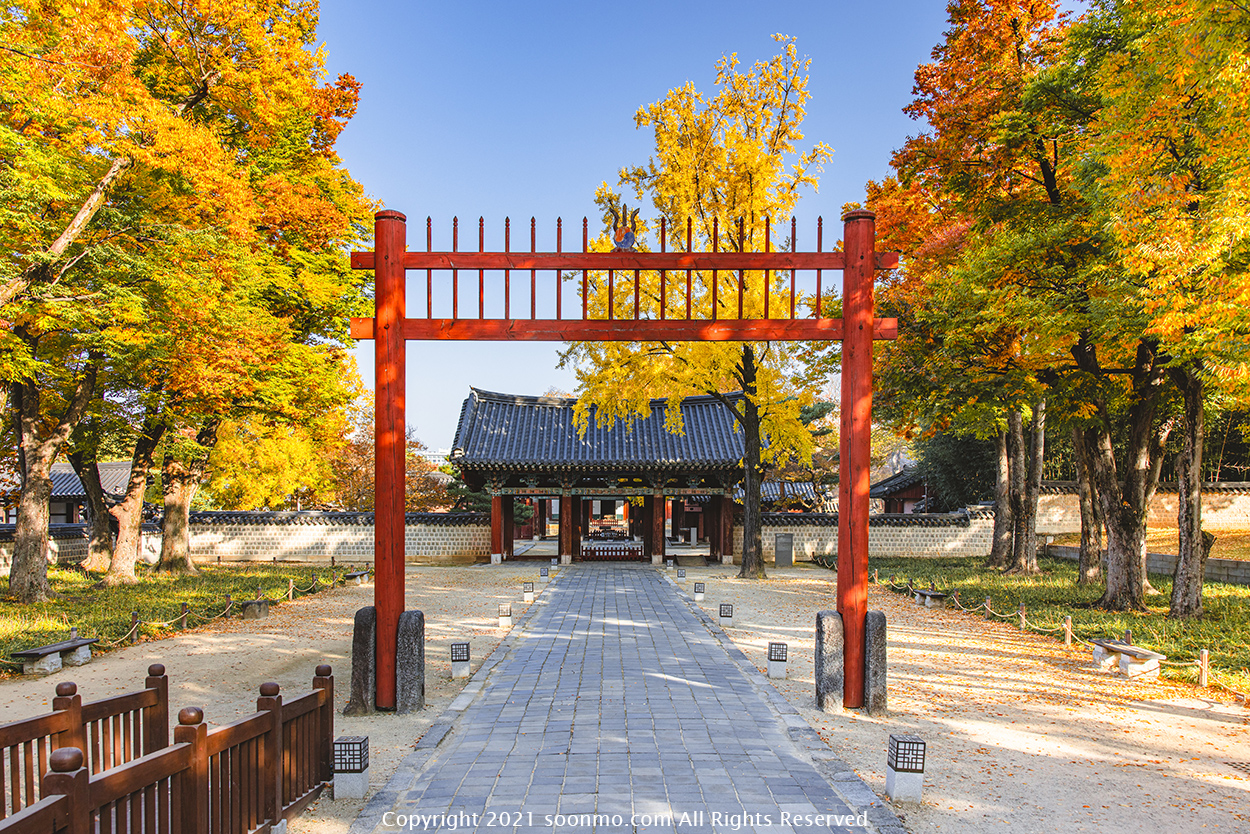
Gyeonggijeon ShrineA historic site where visitors can view the portrait of Taejo, the founder of the Joseon Dynasty.
3
Gyeonggijeon ShrineA historic site where visitors can view the portrait of Taejo, the founder of the Joseon Dynasty. -
 4
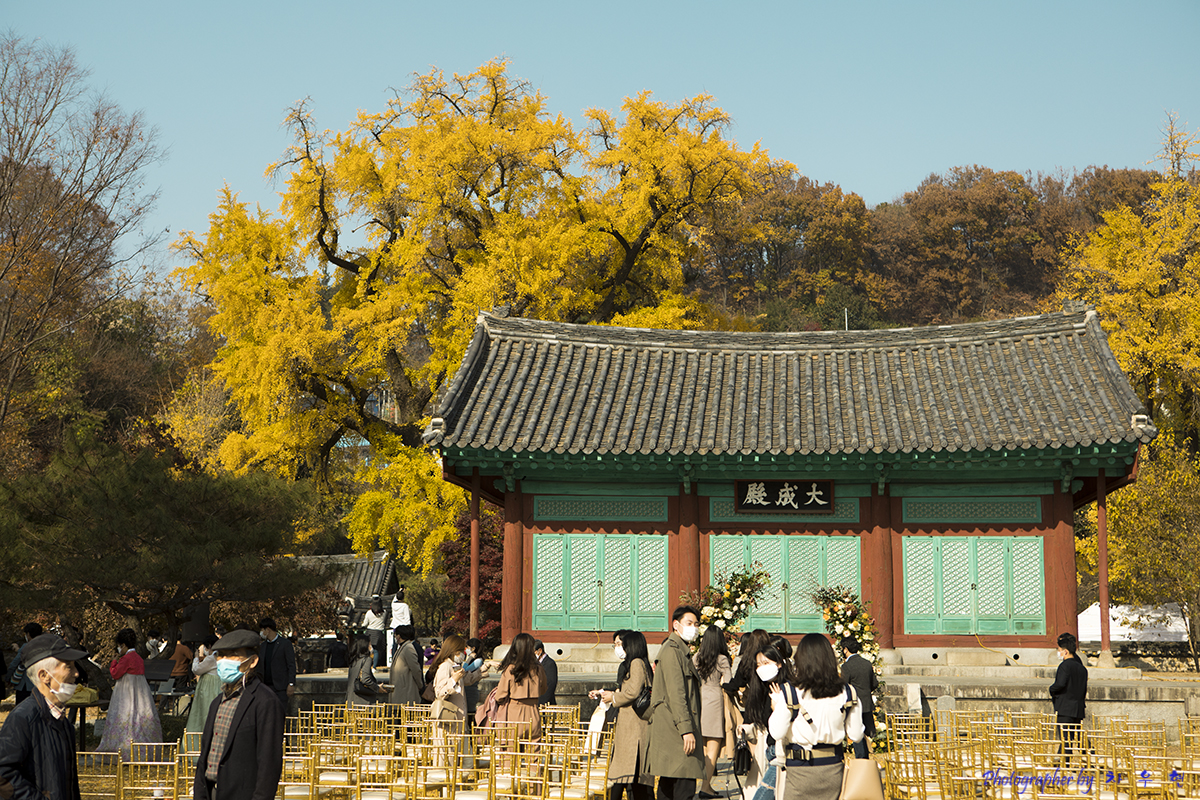
Jeonju HyanggyoA historic site where you can explore Joseon-era educational architecture and ancient trees.
4
Jeonju HyanggyoA historic site where you can explore Joseon-era educational architecture and ancient trees. -
 5
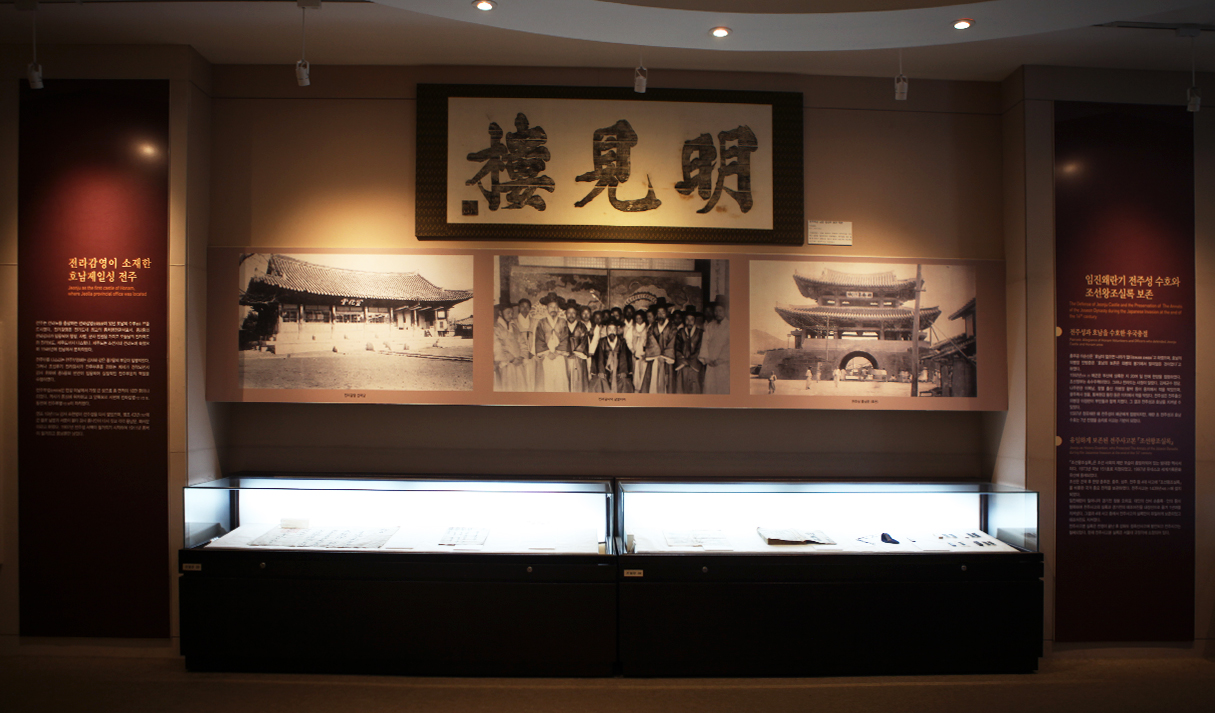
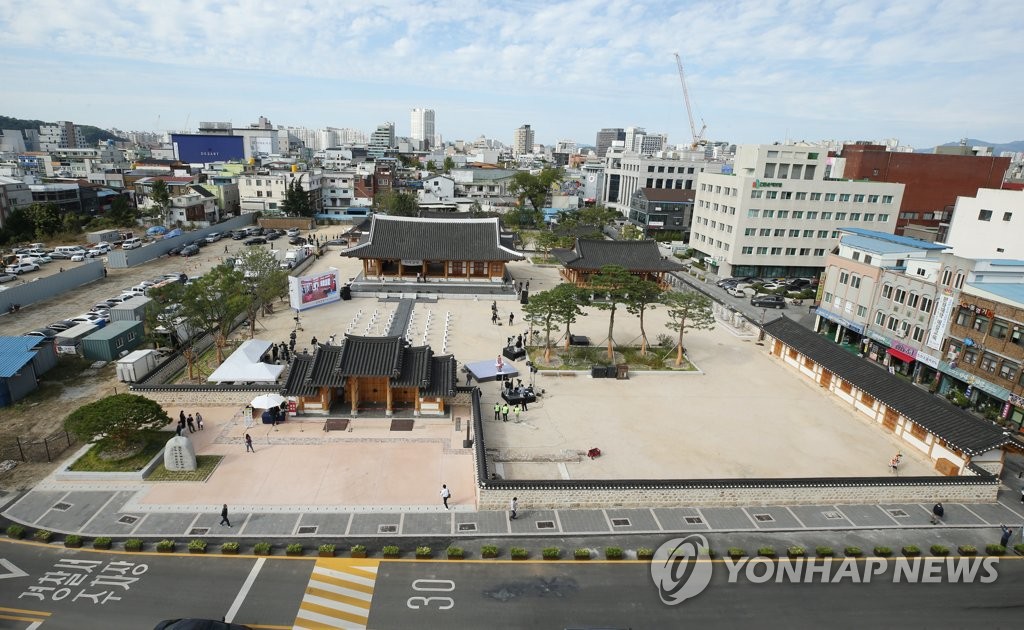
Jeolla GamyeongA restored site that served as the administrative center of Jeolla Province during the Joseon Dynasty.
5
Jeolla GamyeongA restored site that served as the administrative center of Jeolla Province during the Joseon Dynasty.
Food & Dining 1
-
 6
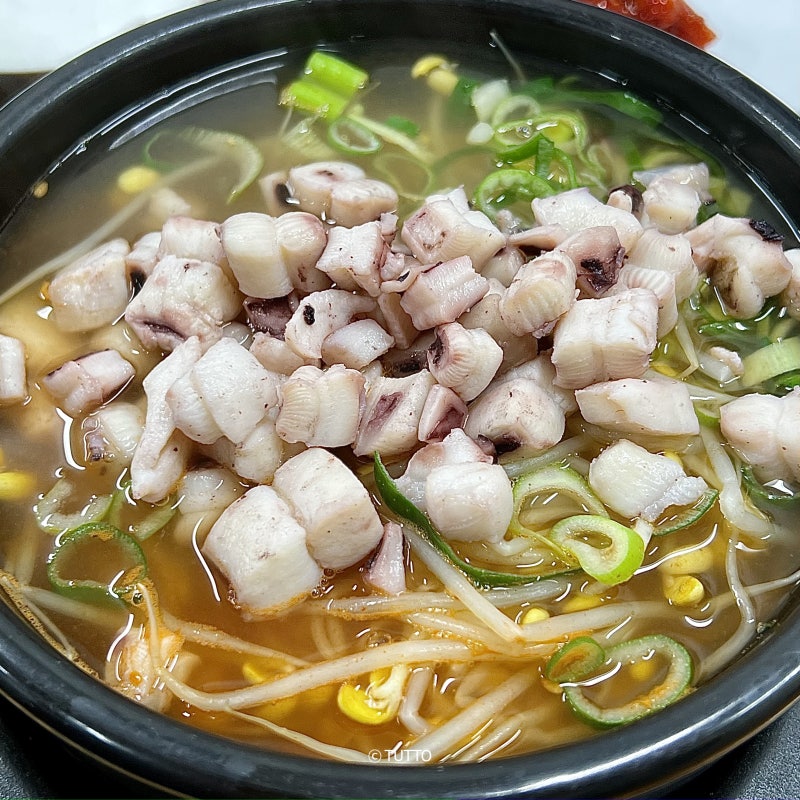
Jeonju Waengi Kongnamul GukbapA restaurant where you can enjoy Jeonju’s signature dish, bean sprout soup with rice.
6
Jeonju Waengi Kongnamul GukbapA restaurant where you can enjoy Jeonju’s signature dish, bean sprout soup with rice.
More Travel Guides in This Area
 Travel Guide
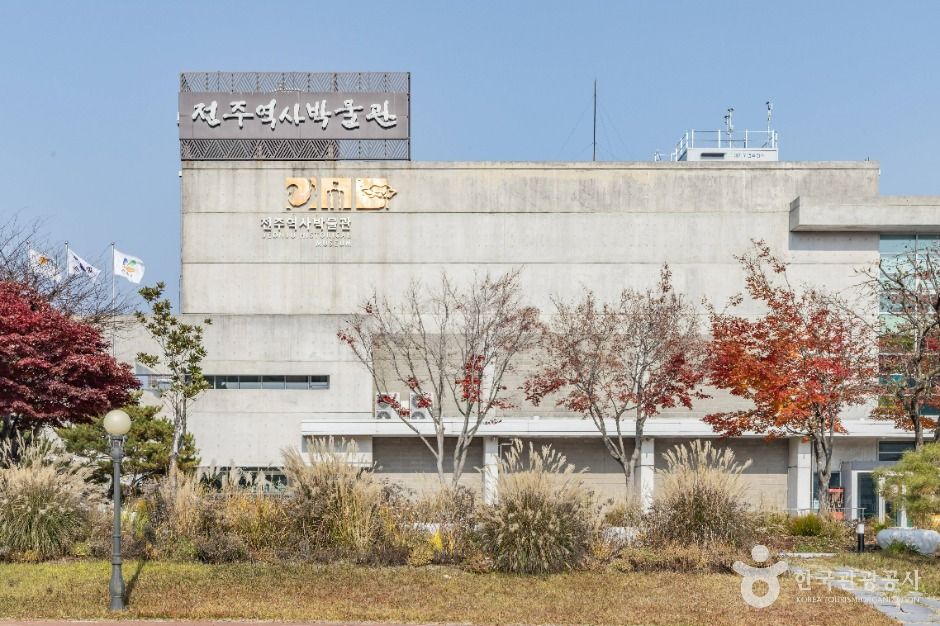
Jeonju History Museum
 Travel Guide
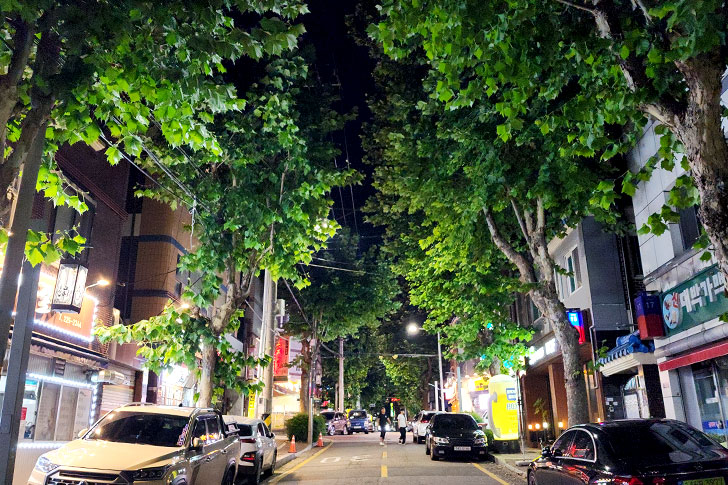
A Kettle-Centered Spread in Jeonju’s Samcheon-dong, Continuing Since the 1990s
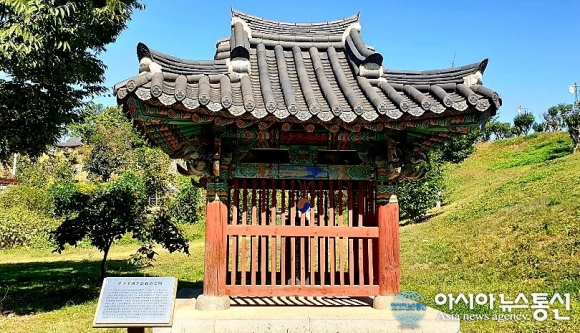 Travel Guide
How to See Hwanggang Seowon and Munhakdae in Jeonju When the Gate Is Closed
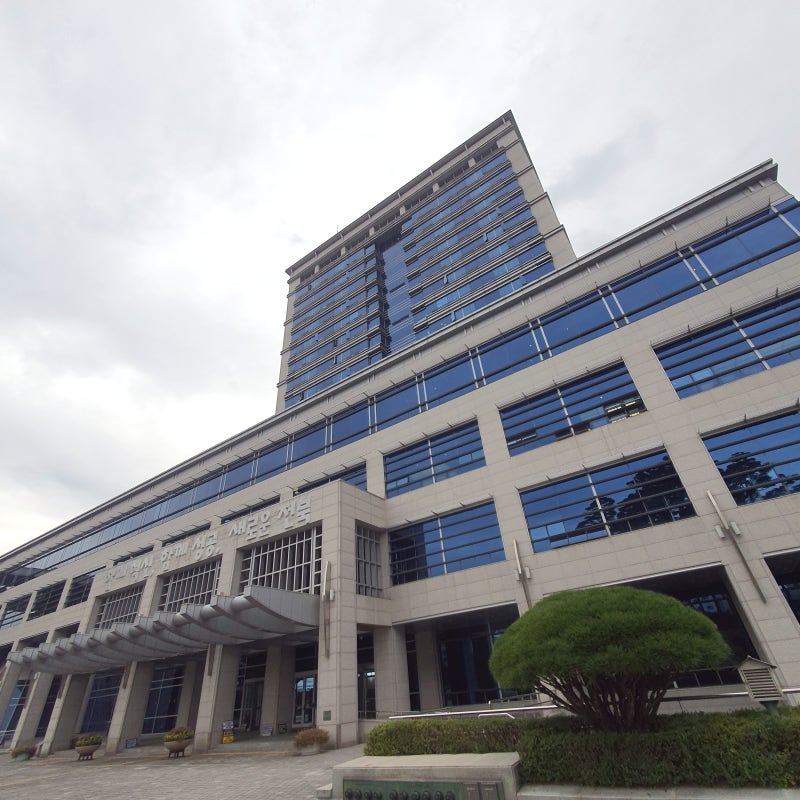 Travel Guide
Jeonbuk Provincial Government Library’s Role as the Representative Library at 225 Hyoja-ro
Korea News
![Did Jang Won-young ‘break up’? From the airport to social media, she was decked out in Brand D [MD Issue]](https://kotourlive-images.s3.ap-northeast-1.amazonaws.com/news/1790644492843_025fcab4_news_06d49363-285b-4cd5-93e3-ace2c4344710.jpg) News
News
Did Jang Won-young ‘break up’? From the airport to social media, she was decked out in Brand D [MD Issue]
 News
News
Oh, What a Surprise… BLACKPINK’s Rosé—Did She Get a Bob Cut?
![[On-Site Photos] “Equipped with a Third Eye”… RM’s Intense Eye Contact](https://kotourlive-images.s3.ap-northeast-1.amazonaws.com/news/1790644823332_c0c6ec29_news_001c0a59-4eb7-40e6-af6a-4f26183f5e8c.jpg) News
News
[On-Site Photos] “Equipped with a Third Eye”… RM’s Intense Eye Contact
 News
News