Sokcho Municipal Museum: Exploring Sokcho’s Sea and the Memory of Displacement in One Visit
Sokcho Municipal Museum offers a look at the region’s nature and history, fishing-village culture, and the lives of people displaced from their hometowns after the Korean War—all in one place. With a cultural village for displaced residents, the Balhae History Hall, and hands-on facilities for children, it is well suited to an itinerary of about one hour for adults.
I’ve been here?
Your check-in helps the next traveler.
No one has checked in yet Be the first
One tap — no writing needed
Local history of Sokcho beginning at 16 Sinheung 2-gil
Sokcho Municipal Museum is located at 16 Sinheung 2-gil, Sokcho-si, Gangwon Special Self-Governing Province. The official information phone number is 033-639-2974, while the Sokcho tourism information page also lists 033-639-2977 as a contact number. The official website is https://www.sokcho.go.kr/ct/museum.
This museum focuses on the history and everyday culture of Sokcho. It is not simply a place to visit the exhibition halls alone, but a combined viewing space that also includes the Sokcho Displaced Persons Cultural Village and the Balhae History Museum. It also features an exhibition recreating the prehistoric site of Joyang-dong and a pottery restoration experience.
09:00–18:00 from March to October; closed on Mondays
From March to October, visiting hours are 09:00–18:00, and from November to February they are 09:00–17:00. The regular closing day is every Monday, and the museum is also closed on January 1. Since the official information does not specify the admission cutoff time, it is safer to visit early during opening hours rather than arrive late.
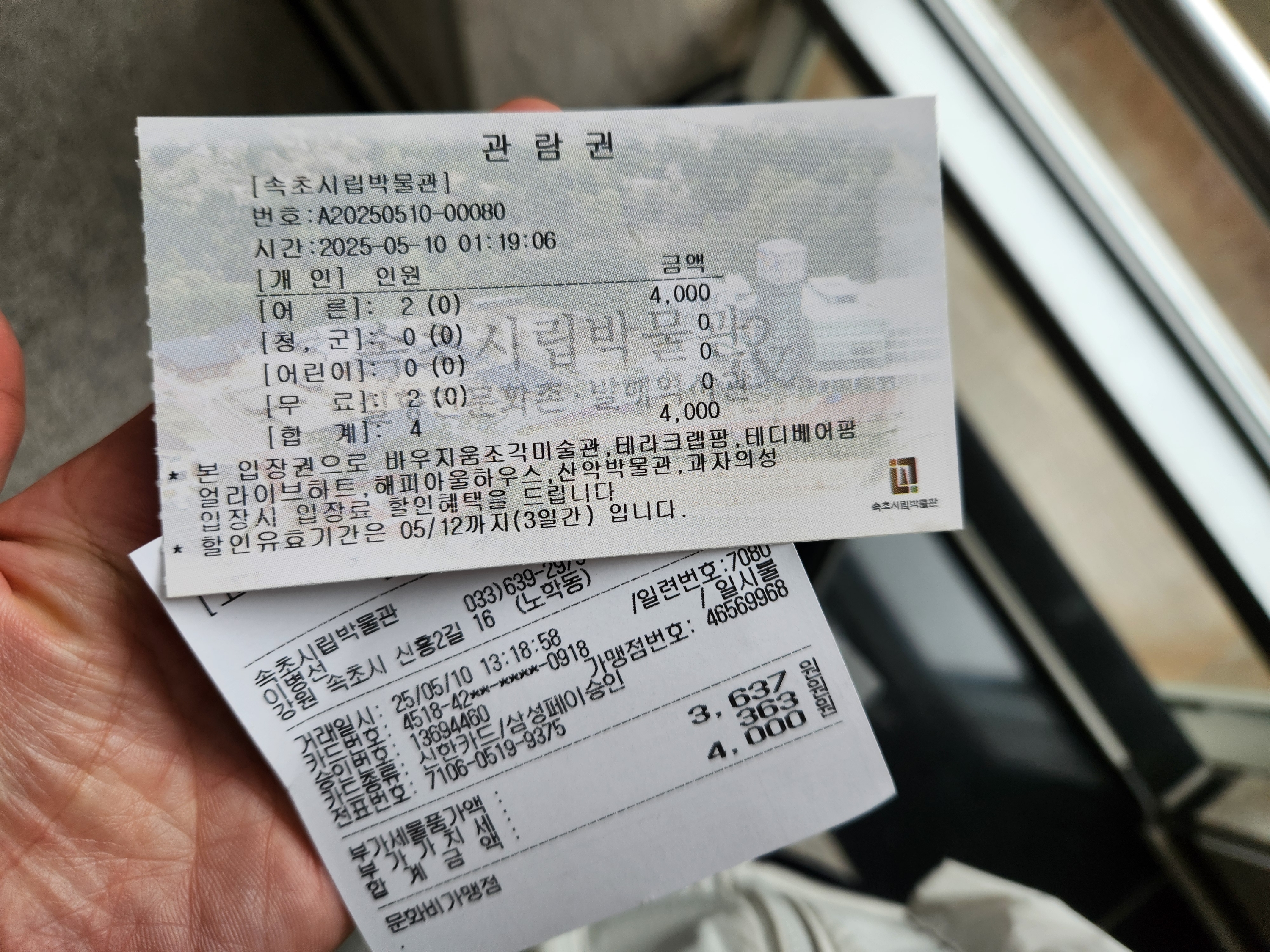
As of 2026, admission is 2,000 won for individual adults and 1,500 won for adults in groups. Individual teenagers and military personnel pay 1,500 won, while teenagers and military personnel in groups pay 1,000 won. Individual children pay 700 won, and children in groups pay 500 won. Sokcho residents can enter free of charge by presenting identification, and preschool children, people aged 65 or older, basic livelihood security recipients, people with disabilities, and others are also listed as eligible for free admission.
Separate information states that visitors wearing hanbok during the Lunar New Year and Chuseok holidays receive free admission. If departing from Sokcho Intercity Bus Terminal, the Sokcho No. 9 bus route toward Buyeong Apartment Entrance is provided. For the return trip, the Sokcho No. 3-1 route toward Sokcho Intercity Bus Terminal is listed from Hanok Village near the Municipal Museum.
First explore Sokcho’s nature and urban development in Exhibition Hall 1
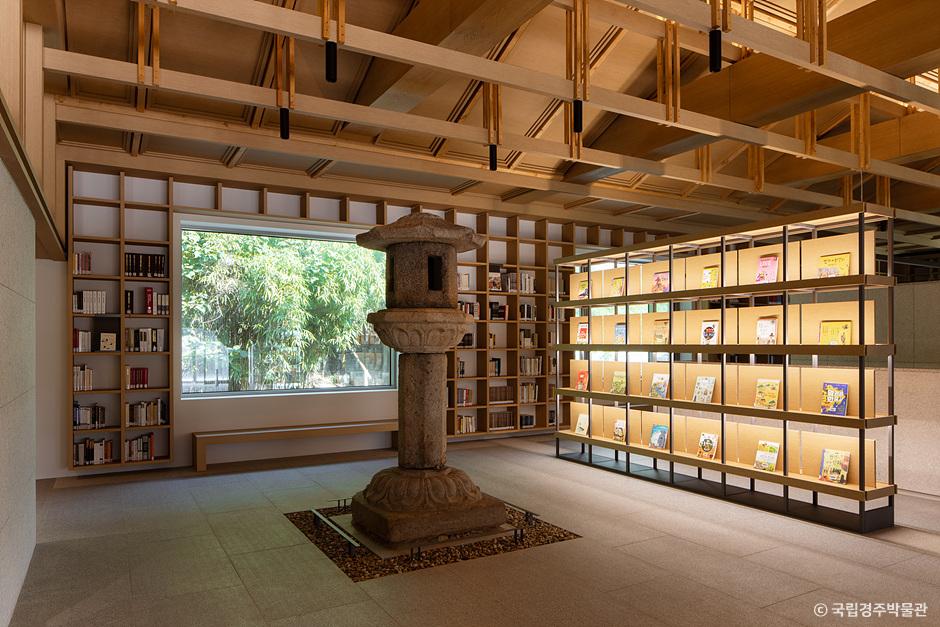
Exhibition Hall 1 covers the humanities, natural environment, history, and cultural characteristics of Sokcho. Various models and videos are displayed together, making it easier to understand regional changes and living environments visually rather than simply reading text.
The hall also includes an activity corner designed for children and graphic panels. For foreign visitors encountering Sokcho for the first time, it is easy to follow the context by first learning the basics of the region here and then moving on to the fishing village culture and displaced persons culture exhibitions.
The Folk Culture Room introduces Sokcho’s mountain villages, Buddhist culture, traditional cultural arts, and the eight scenic views of Sokcho’s nature. The exhibition goes beyond seaside scenery to include mountain-village life, religion, and traditional culture, helping visitors understand Sokcho in a more multidimensional way.
Connect the East Sea fishing village and displaced persons’ lives in Exhibition Hall 2
Exhibition Hall 2 covers Sokcho’s fishing village culture and displaced persons culture. The fishing village culture section recreates the daily lives of fishermen who made the East Sea their livelihood and displays fishing tools. It offers a look at the working life behind Sokcho’s tourism image.
The displaced persons exhibition introduces how people who came down from the northern part of Korea during the Korean War settled in Sokcho and lived there. Through artifacts and videos, it presents both the settlement of displaced persons and the development of Sokcho based on the fishing and tourism industries, making it essential for understanding the background behind the city’s present form.
After viewing the exhibition, continuing to the Displaced Persons Cultural Village allows visitors to compare the indoor explanations with the recreated living spaces. However, the official information does not confirm whether there are access restrictions by viewing area at the Displaced Persons Cultural Village and Balhae History Museum, what areas allow photography, or whether English information and audio guides are available.
Walk through the Displaced Persons Cultural Village from Gaeseong House to Cheongho-dong Alley
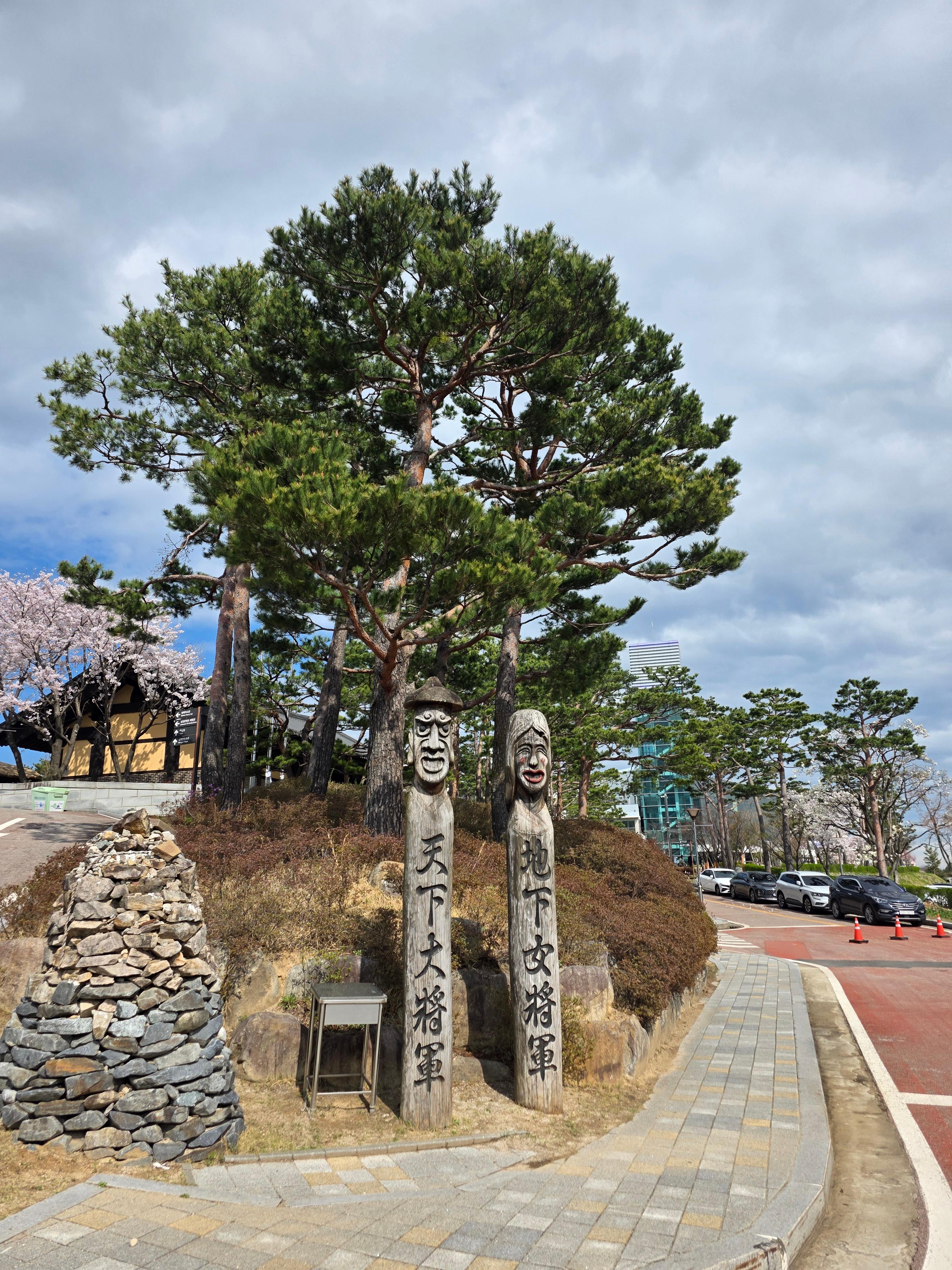
The Displaced Persons Cultural Village consists of Gaeseong House, Pyeongyang House, a twin house from Pyeongan Province, a Hwanghae Province House, and a Hamgyeong Province House. Cheongho-dong Alley, Eunseo’s House, Sokcho History, and an experiential learning room are also included, allowing visitors to explore displaced-person settlement and local living spaces through buildings and alleys.
Children’s folk experience rooms and play activities are also available. Programs include Sokcho Bukcheong Lion Play, Deundaejil Play, various folk games, and workshop activities such as mask making. The official information provided does not specify the activity schedule or whether advance reservations are required.
Reviews say that the visitor route is not complicated and the guidance is clear, so even first-time visitors can explore without difficulty. Other reviews mention that the parking area is relatively spacious and the surroundings are quiet, while some visitors consider about one hour an appropriate amount of time for the entire visit.
See 229 years of history and Princess Jeonghyo’s tomb at the Balhae History Museum
The first above-ground floor of the Balhae History Museum consists of the Balhae, “Kingdom of Prosperity in the East,” exhibition room and a video room. It presents the overall 229-year history and territory of Balhae, as well as photographs and videos of historical sites and Balhae artifacts. This space expands the viewing scope beyond local Sokcho history to the medieval history of Northeast Asia.
The first basement level focuses on the tomb of Princess Jeonghyo, the fourth daughter of King Mun, the third ruler of Balhae. Visitors can also see a full-scale recreation of Princess Jeonghyo’s tomb, making it possible to understand the tomb’s structure spatially rather than only through artifact descriptions.
The Balhae History Museum is located within the same museum complex as the Sokcho Displaced Persons Cultural Village, so both can be visited together without a separate travel plan. However, the exact controlled-access areas and viewing order may vary according to on-site operations, and the official information does not provide specific details about restrictions.
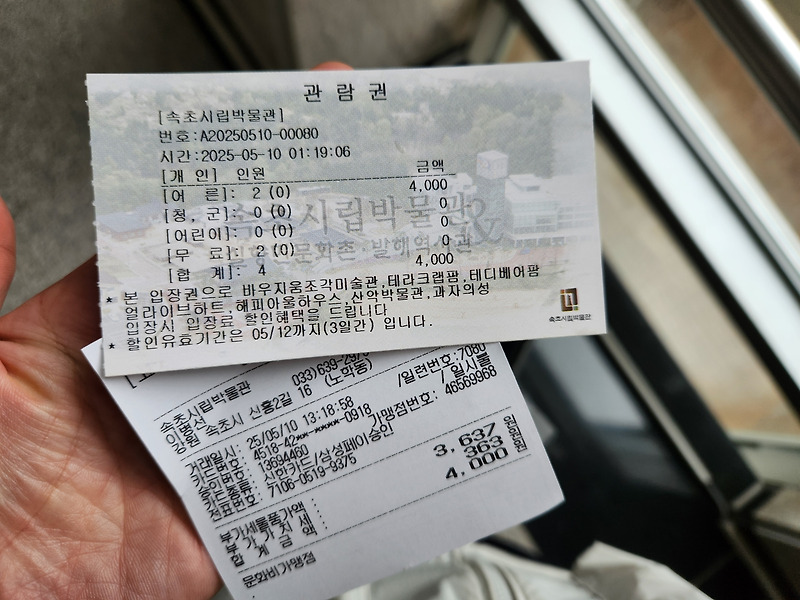
Experience the prehistoric site of Joyang-dong and the lives of our ancestors
Sokcho Municipal Museum has an exhibition recreating the prehistoric site of Joyang-dong. After viewing the exhibition related to the site, visitors can also try restoring pottery themselves, so the experience goes beyond simply looking at prehistoric materials.
The theme of Exhibition Hall 3 is “The Lives and Tools of Our Ancestors.” Artifacts are introduced around special events in traditional life, such as birth, marriage, funerals, and ancestral rites. The hall is designed to help children understand traditional culture through hands-on experiences.
Because the museum includes activity facilities, visitors with children may find it suitable to combine the activity corner in Exhibition Hall 1, Exhibition Hall 3, and the Joyang-dong pottery restoration experience in one route. The official information does not specify the operating hours or reservation requirements for the activity facilities.
Practical conditions to know before using wheelchairs, parking, or buses
The museum has a parking lot, including designated spaces for people with disabilities. However, the number of available spaces and parking fees have not been confirmed. Visitors departing from Sokcho Intercity Bus Terminal are provided with the Sokcho No. 9 bus route toward Buyeong Apartment Entrance, but the bus interval and walking distance from the stop to the museum have not been confirmed.
Accessibility information includes ease of walking, wheelchair rental, ticket counters and activity facilities accessible to people with disabilities, indoor and outdoor elevators, and accessible restrooms. Visitors requiring mobility assistance can use these facilities, but the official information does not state the actual procedures or the number of wheelchairs available for rental.
Based on visitor reviews, the recommended viewing time is about one hour. If you plan to take your time through all the exhibition halls, the Displaced Persons Cultural Village, and the Balhae History Museum, or participate in activities, it is best to allow extra time. Whether photography is prohibited, whether payment is cash-only, and whether English information and audio guides are available have not been confirmed, so this article does not make definitive claims.
When adding a performance by the Sokcho Municipal Folk Arts Troupe to your itinerary
The Sokcho Municipal Folk Arts Troupe was founded on November 4, 2005, and operates together with Sokcho Municipal Museum. The troupe consists of 10 full-time members, including one music director, along with several part-time members.
The troupe participates in performances and instructional activities both at the museum and in the Sokcho area, as well as in outside events. If you plan to combine a museum visit with a performance, you should check the performance date and time separately, as the information provided does not list a regular performance schedule.
Even an exhibition-only visit allows you to take in Sokcho’s nature, fishing villages, displaced persons, and Balhae history in about one hour. On performance days, visitors can also understand that the museum is not merely a place displaying local culture, but a venue connected with folk arts activities.
Before You Go
- Address
- 16 Sinheung 2-gil, Sokcho-si, Gangwon Special Self-Governing Province
- Hours
- March–October 09:00–18:00 / November–February 09:00–17:00
- Closed
- Every Monday and January 1
- Admission
- Individual adult 2,000 won / group adult 1,500 won / individual teenager or military personnel 1,500 won / group teenager or military personnel 1,000 won / individual child 700 won / group child 500 won. Free admission is listed for Sokcho residents who present identification, preschool children, people aged 65 or older, basic livelihood security recipients, people with disabilities, and others.
- Phone
- 033-639-2974; tourism information page contact: 033-639-2977
- Official site
- https://www.sokcho.go.kr/ct/museum
- Transport
- The Sokcho No. 9 bus route toward Buyeong Apartment Entrance is listed from Sokcho Intercity Bus Terminal. For the return route, the Sokcho No. 3-1 bus toward Sokcho Intercity Bus Terminal is listed from Hanok Village near the Municipal Museum.
- Parking
- A parking lot and designated spaces for people with disabilities are listed, but the number of spaces and fees have not been confirmed.
- Time needed
- About 1 hour based on visitor reviews
- Accessibility
- Easy walking access, wheelchair rental, ticket counters and activity facilities accessible to people with disabilities, indoor and outdoor elevators, and accessible restrooms are listed.
The information above is accurate as of the time of writing. Check the official information again before visiting.

Places
Nearby Attractions 3
-
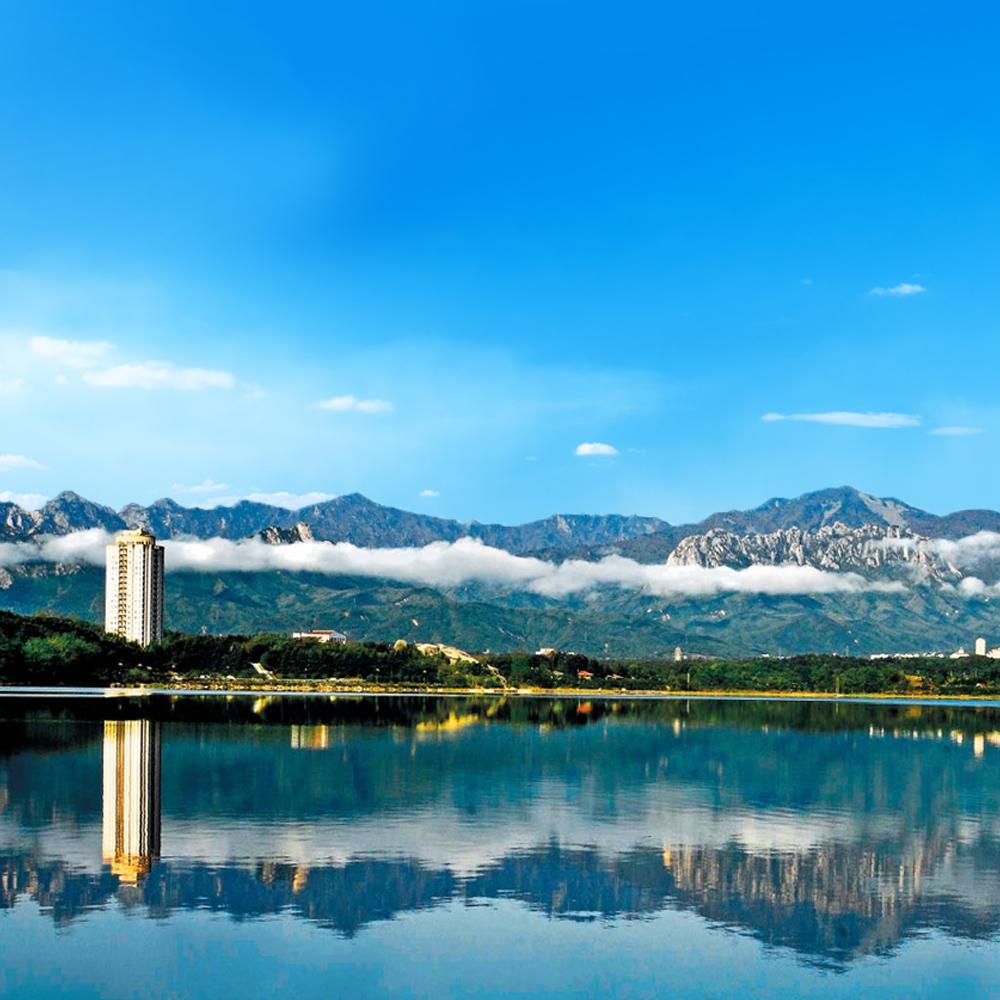 1
Yeongnangho LakeA lagoon where you can walk along the lakeshore and enjoy views of Seoraksan and Ulsanbawi Rock
1
Yeongnangho LakeA lagoon where you can walk along the lakeshore and enjoy views of Seoraksan and Ulsanbawi Rock -
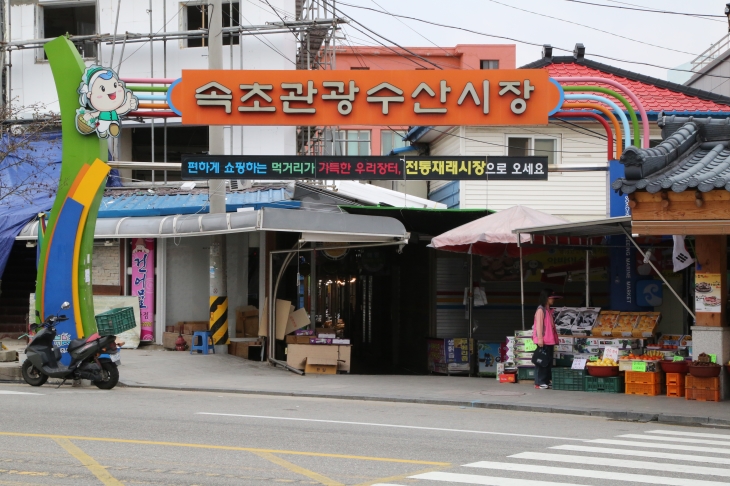 2
Sokcho Tourist & Fishery MarketA place to explore seafood and local foods in the alleys of a traditional market
2
Sokcho Tourist & Fishery MarketA place to explore seafood and local foods in the alleys of a traditional market -
 3
3
Food & Dining 2
-
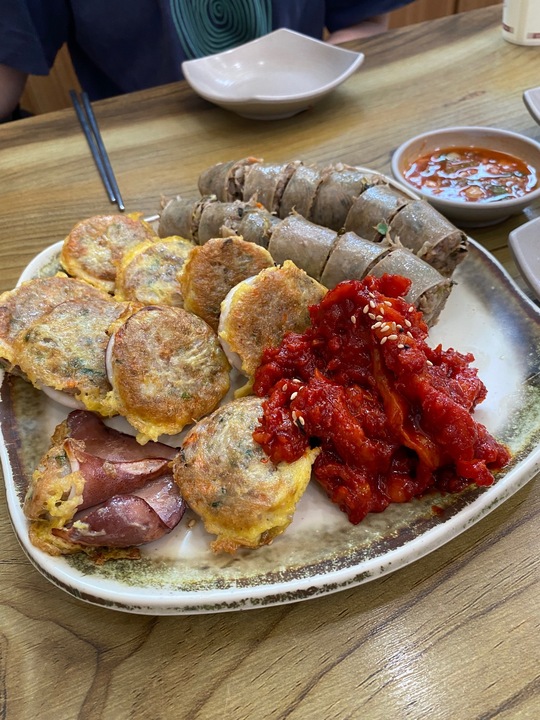 4
4
-
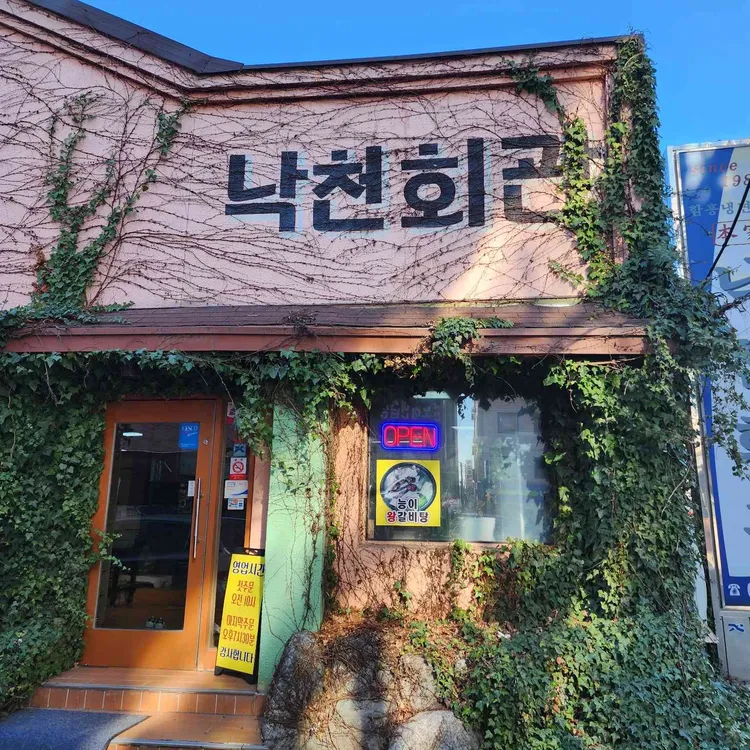 5
Nakcheon HoegwanA Hamheung naengmyeon specialty restaurant serving pollock sashimi naengmyeon and red snow crab naengmyeon.
5
Nakcheon HoegwanA Hamheung naengmyeon specialty restaurant serving pollock sashimi naengmyeon and red snow crab naengmyeon.
Events in This Area

Festivals in This Area

More Travel Guides in This Area
 Travel Guide
The Route and Hiking Hours to the Summit of Ulsanbawi Rock in Seoraksan
 Travel Guide
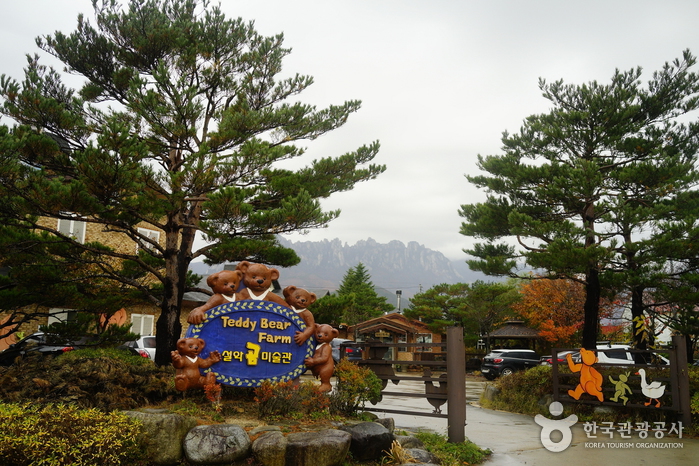
Exhibition and Visit Information for Sokcho Teddy Bear Farm Before Its Fire-Related Closure
 Travel Guide
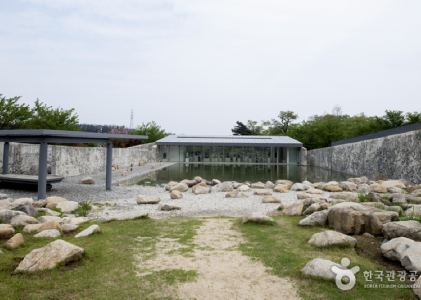
Meeting Ulsanbawi Rock on a Canvas of Water at Bauzium Sculpture Museum
 Travel Guide
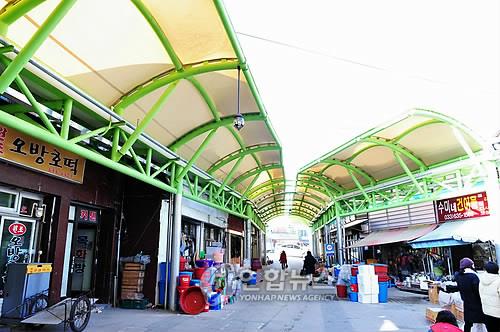
From a Refugee Market in 1953 to a Car-Free Street in 2026: How to Read Sokcho Tourist & Fishery Market
Korea News
![BLACKPINK’s Lisa Dominates the VMA Red Carpet in a Sheer Corset Dress and Red Fur [Star Issue]](https://kotourlive-images.s3.ap-northeast-1.amazonaws.com/news/1790557894714_010e956a_news_94409db1-fab6-40bf-bc7b-4b985b1fbac7.jpg) News
News
BLACKPINK’s Lisa Dominates the VMA Red Carpet in a Sheer Corset Dress and Red Fur [Star Issue]
![BLACKPINK’s Jisoo Spotted by Surprise with BIGBANG in London… Their Special Loyalty as Labelmates [IS High Cut]](https://kotourlive-images.s3.ap-northeast-1.amazonaws.com/news/1790557854683_6ea979f5_news_caab62e5-8462-43c8-8622-da794f3df9de.png) News
News
BLACKPINK’s Jisoo Spotted by Surprise with BIGBANG in London… Their Special Loyalty as Labelmates [IS High Cut]
 News
News
Tattoos All Over Her Body… AOA’s Jimin Draws Shocked Attention After Kwon Mina’s ‘Bullying’ Allegations
![You’ll Have to Look Twice… Choi Min-a-soo Perfectly Pulls Off Everything from a Daring Illusion Dress at the Awards Ceremony to Long Braided Hair [RE:STAR]](https://kotourlive-images.s3.ap-northeast-1.amazonaws.com/news/1790492384850_1f293dad_news_d834c50e-0685-43ef-9aa5-6995cd6d8848.jpg) News
News