At the end of Deoksugung Stone Wall Road, questioning "love in the machine age" inside the former Supreme Court building
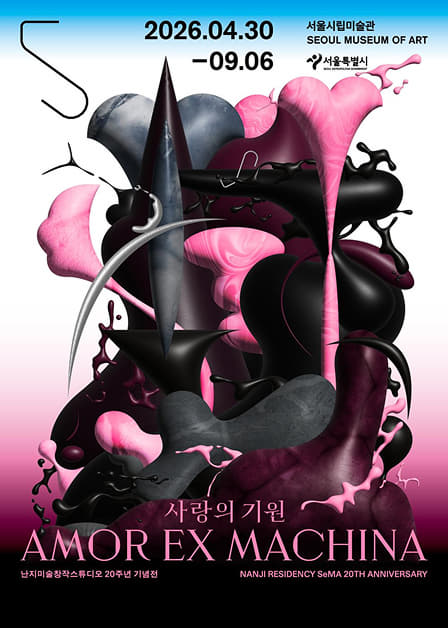
Days begin with a smartphone alarm, continue along routes suggested by map apps, and end while watching news selected by algorithms. Right in the center of Seoul, there is now an exhibition that feels as if it has placed that familiar daily routine right at the entrance. AMOR EX MACHINA is a special exhibition commemorating the 20th anniversary of the opening of the Seoul Museum of Art's Nanji Art Creation Studio. It runs from April 30 to September 6, 2026, in the exhibition halls on the 2nd and 3rd floors of the Seoul Museum of Art Seosomun Main Building and at the Crystal Gallery. More than 60 works of photography, installation, video, and sculpture by 17 artists and teams who passed through Nanji Art Creation Studio have been gathered here.
The title, "Amor Ex Machina," means "love from the machine." By twisting the classical dramatic device "Deus Ex Machina"—"god from the machine"—it speaks to us by saying that in place of some transcendent being suddenly descending to solve everything, what ultimately saves this technology-saturated present is the primal force of love. It sounds grand, but inside the exhibition it is not difficult at all. In an era when satellites, data, and algorithms are changing our senses, the show slowly follows the question of "what, then, keeps people beside one another?"

A foreign traveler's day: from City Hall Station to free admission
First, the good news. Admission to this exhibition is free, and no advance reservation is needed. You do not need to buy tickets ahead of time or worry about sold-out slots—just open the door and walk in. That said, Seoul Museum of Art itself is extremely popular, so it can get quite crowded on weekend afternoons. Since this exhibition features many video works, if you want to focus quietly on the screens, I recommend a weekday morning or early afternoon.
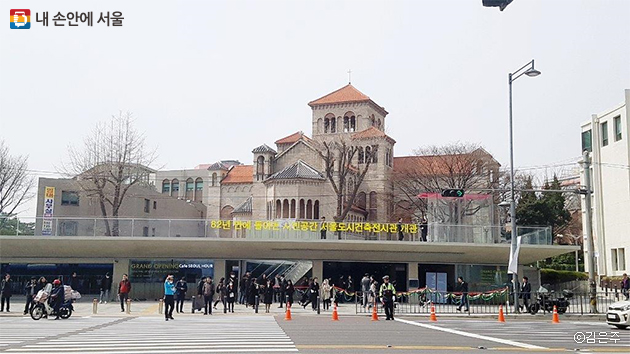
I started from City Hall Station on Subway Lines 1 and 2. Take Exit 10 and walk along Deoksugung Stone Wall Road for about 10 minutes, and you will see a Renaissance-style building on the hill that preserves the former Supreme Court facade as it was. If you take Line 5, you can also walk from Seodaemun Station Exit 5 or Gwanghwamun Station Exit 6 (about 13 minutes). The stone wall road itself is a lovely walking course, so the trip to the museum already feels like part of the journey. Payment worries are almost nonexistent. Since admission is free, there is no ticket to buy, and the first-floor cafe and art shop accept cards and mobile payments without issue.
In terms of language, the work captions and section guides are provided in both Korean and English, so you can follow the main story even if you only read English. If you want a deeper experience, you can use the Seoul Museum of Art docent app for audio guidance, so bring earphones. Inside the building there are lockers where you can leave heavy bags or suitcases and explore lightly, and wheelchairs, strollers, and elevators are available. Many visitors also borrowed the folding museum chairs and sat in front of video works all the way through.

Walking through the exhibition as if crossing four rivers
The exhibition unfolds through four narratives. The first, "Stolen Flame," deals with the moment when technology and the body merge and the senses expand. DUKIM's new work Succulent Gospels and Jeong Heemin's Arcadian Dusk appear in this section. The second, "River of Forgetting," traces the questions of memory and data, life and preservation; works such as Kang Woohyuk's video piece and Kim Hyunseok's LUCY 1.0 cross the boundaries between technology, humans, and memory. The third, "Strange Return," calls forth beings the system failed to capture, lives outside the norm. New works by Kim Yesul and Shin Jeonggyun are unveiled, and Ibeta Kang Sunyoung's installation work has been reconstructed to fit the space, meeting audiences through several performances during the exhibition period.
The final section, "Toward the Origin," was the most impressive for me. The structure makes the viewer's own contemplation and movement into the exhibition's conclusion, so the very steps you take as you leave feel like part of the work. Because there are so many video pieces, a proper full circuit easily takes two hours. The wooden stairs connecting the 2nd and 3rd floors, the glass-lined interior, and the spaces flooded with natural light are beautiful in themselves, so there is extra pleasure in looking at the building between works.

Things to know before you go so you don't make a wasted trip
Operating hours differ by day, so this is the part to check. Tuesday through Thursday, it is open from 10:00 a.m. to 8:00 p.m.; on Fridays, it stays open until 9:00 p.m. for "Seoul Culture Night" extended hours. On Saturdays, Sundays, and public holidays, it is open until 7:00 p.m. in the summer season (March to October) and until 6:00 p.m. in the winter season (November to February). Admission is only allowed until one hour before closing, so if you go late in the afternoon, you may not be able to enter. And since it is closed every Monday (if Monday is a public holiday, it opens as usual), it is safest to avoid planning a Monday visit.
- Free and no reservation required — enter directly without buying a ticket, but weekend afternoons are crowded
- Many video works — allow 1.5 to 2 hours if you want to see everything; earphones and comfortable shoes are recommended
- Use the docent app for audio guidance; captions are provided in Korean and English
- Lockers, wheelchairs, strollers, elevators, cafe, and art shop are available; card payment accepted
The stone wall road is uphill, so sneakers are more comfortable, and in summer you may work up a bit of sweat walking to the museum, so it is a good idea to bring a bottle of water. After the visit, you can continue on to nearby Jeongdong-gil and make a half-day course that also includes Jeongdong Theater and Deoksugung Palace.
Recommended for these visitors
If you like exhibitions that give you something to think about rather than flashy photo spots, or if you are interested in how human relationships are changing in the age of AI and data, this will be a surprisingly rich experience for a free exhibition. If you want to enjoy an old court building, contemporary art, and a walk along a stone wall road all at once in the heart of Seoul, do not hesitate to stop by.
| Item | Score | Basis |
|---|---|---|
| Language accessibility | 3.5 | Captions are bilingual in Korean and English, and audio guidance is available through the docent app, but foreign-language on-site guidance is limited |
| Transportation accessibility | 4.5 | About a 10-minute walk from City Hall Station Exit 10, also accessible from Seodaemun and Gwanghwamun stations |
| Convenience for foreign visitors | 4.0 | Lockers, wheelchair and stroller rental, elevators, and folding museum chairs are available |
| Local cultural experience | 4.5 | A downtown walking course connecting the former Supreme Court building with Deoksugung Stone Wall Road and Jeongdong-gil |
| Value for money | 5.0 | Free admission, with a special exhibition of more than 60 works by 17 teams viewable without reservation |
| Cleanliness/Safety | 4.0 | Well managed as a municipal museum, though weekend afternoons can be crowded |
| Food/Facilities | 3.0 | Cafe and art shop inside; for a proper meal, you need to head out to the Jeongdong area |
This article was compiled by our editorial team from official announcements and coverage of previous editions; it is not a first-hand visit report. Please confirm the final schedule and fees on the official website.
Festival Details
-
Festival Period4/30/2026 ~ 9/6/2026
-
Festival VenueSeoul Museum of Art Seosomun Branch Building, 2nd and 3rd Floor Exhibition Rooms, Crystal Gallery
-
Operating HoursTue-Thu 10:00-20:00 / Fri 10:00-21:00 / Sat, Sun, and public holidays (Summer season: Mar-Oct) 10:00-19:00; Winter season (Nov-Feb) 10:00-18:00 (Admission until 1 hour before closing) Jan 1, every Monday (If Monday is a public holiday, it is open as usual)
-
Admission FeeFree admission
-
TagsSeoul Museum of Art Nanji Art Studio 20th Anniversary The Origin of Love AMOR EX MACHINA Technology and Human Relationships Smartphone·Algorithm
More Festivals


Popular Concerts
![[Play&Stay]ILLIT LIVE ‘PRESS START♥’ ENCORE in KOREA + Hotels](https://kotourlive-images.s3.ap-northeast-1.amazonaws.com/concerts/1790560840067_340ff0d2_thumbnail.gif)


More Travel Guides in This Area
 Travel Guide
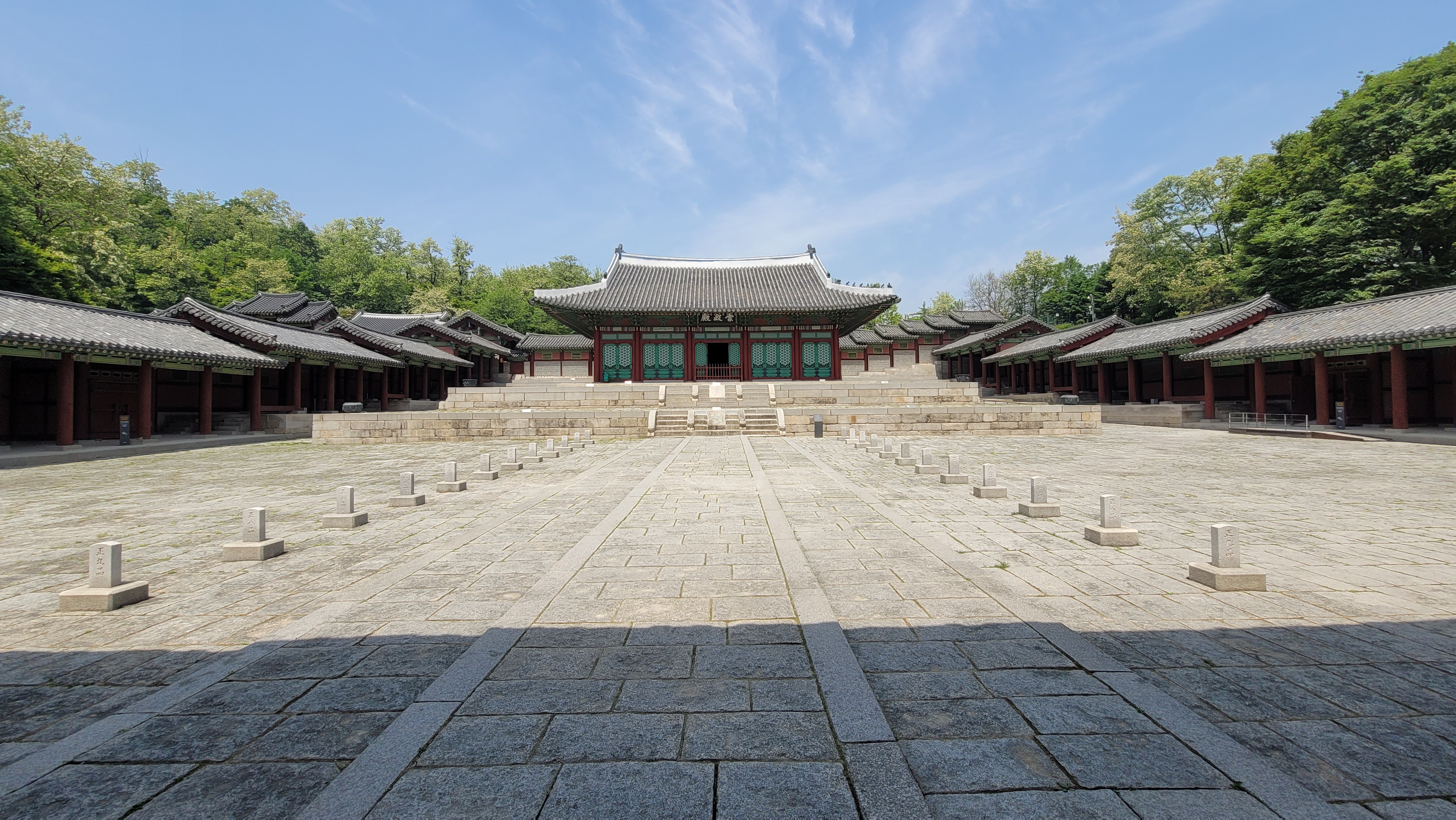
Gyeonghuigung Palace: A 60-Minute Walk Along the Axis of the Vanished Western Palace
 Travel Guide
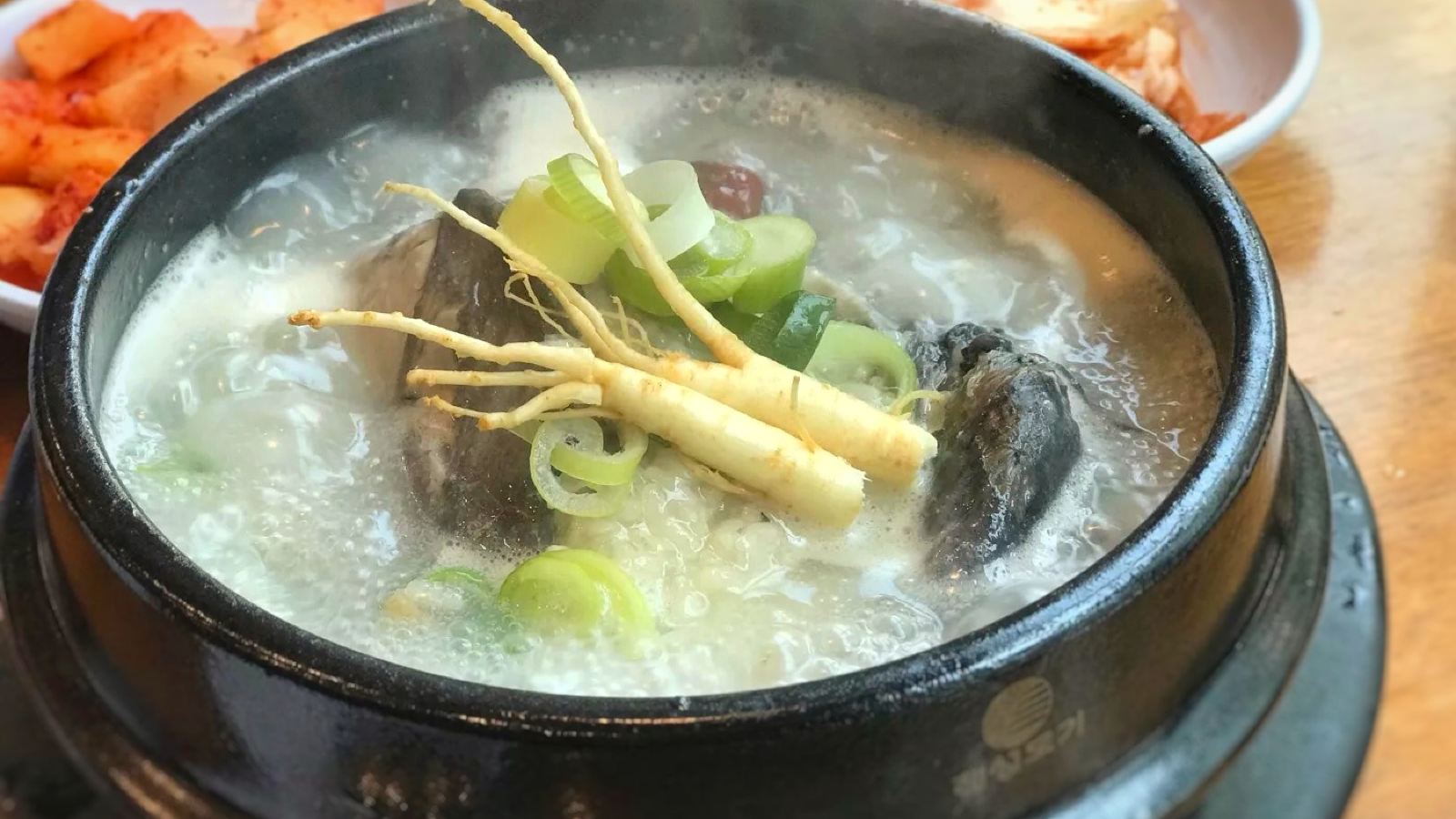
A Bowl at Goryeo Samgyetang Main Branch in an Alley near City Hall Station
 Travel Guide
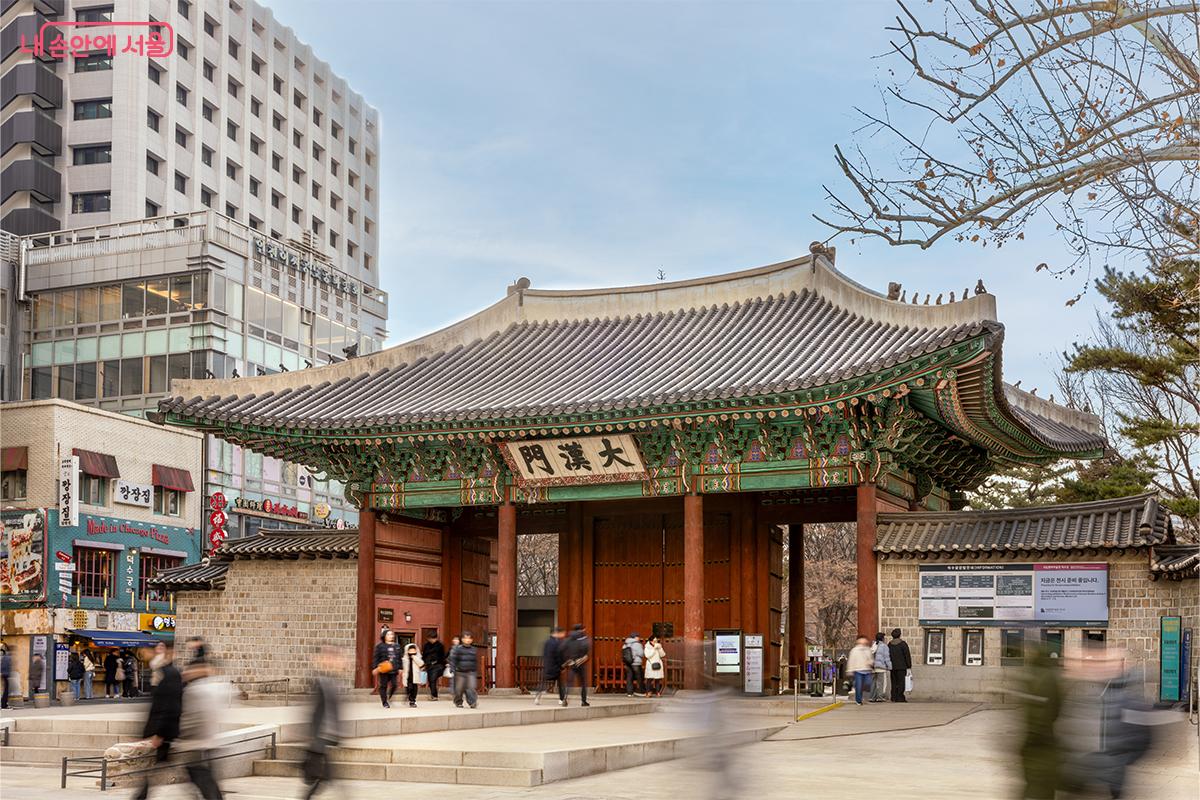
From Daehanmun Gate to Seokjojeon: A 90-Minute Journey Through the Last Imperial Palace of the Korean Empire
 Travel Guide