Island Travel Route Linking Haegeumgang and Mongdol Beach on Geoje Island
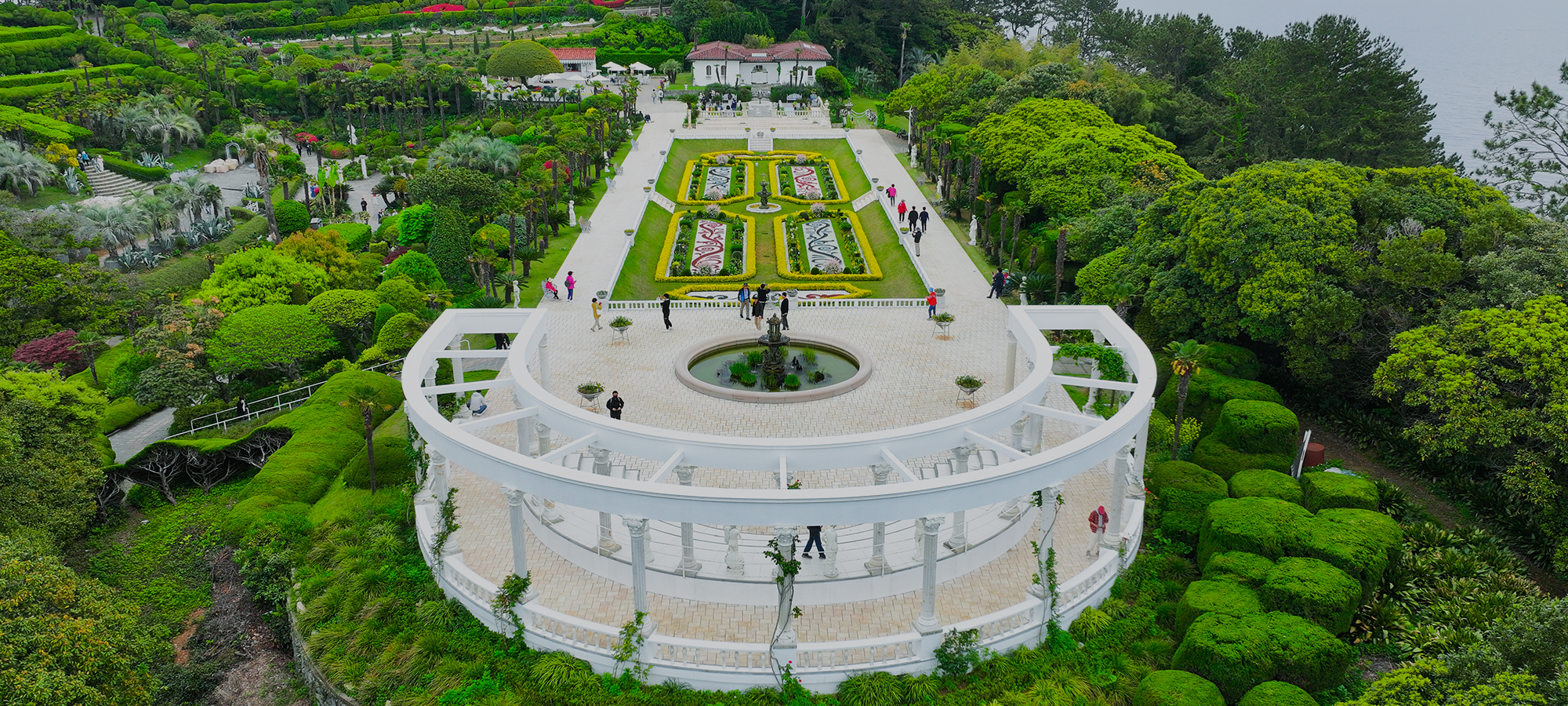
Geoje Island is Korea’s second-largest island after Jeju Island, offering Haegeumgang, Oedo Botania, Windy Hill, and Mongdol Beach all within one area. This guide covers access via the Geoje Bridge and Geoga Bridge, cruise fares, and the time restrictions that are easy to overlook when visiting Oedo.
I’ve been here?
Your check-in helps the next traveler.
No one has checked in yet Be the first
One tap — no writing needed
Geoje Island, the largest island after Jeju, and how it became today’s tourist destination
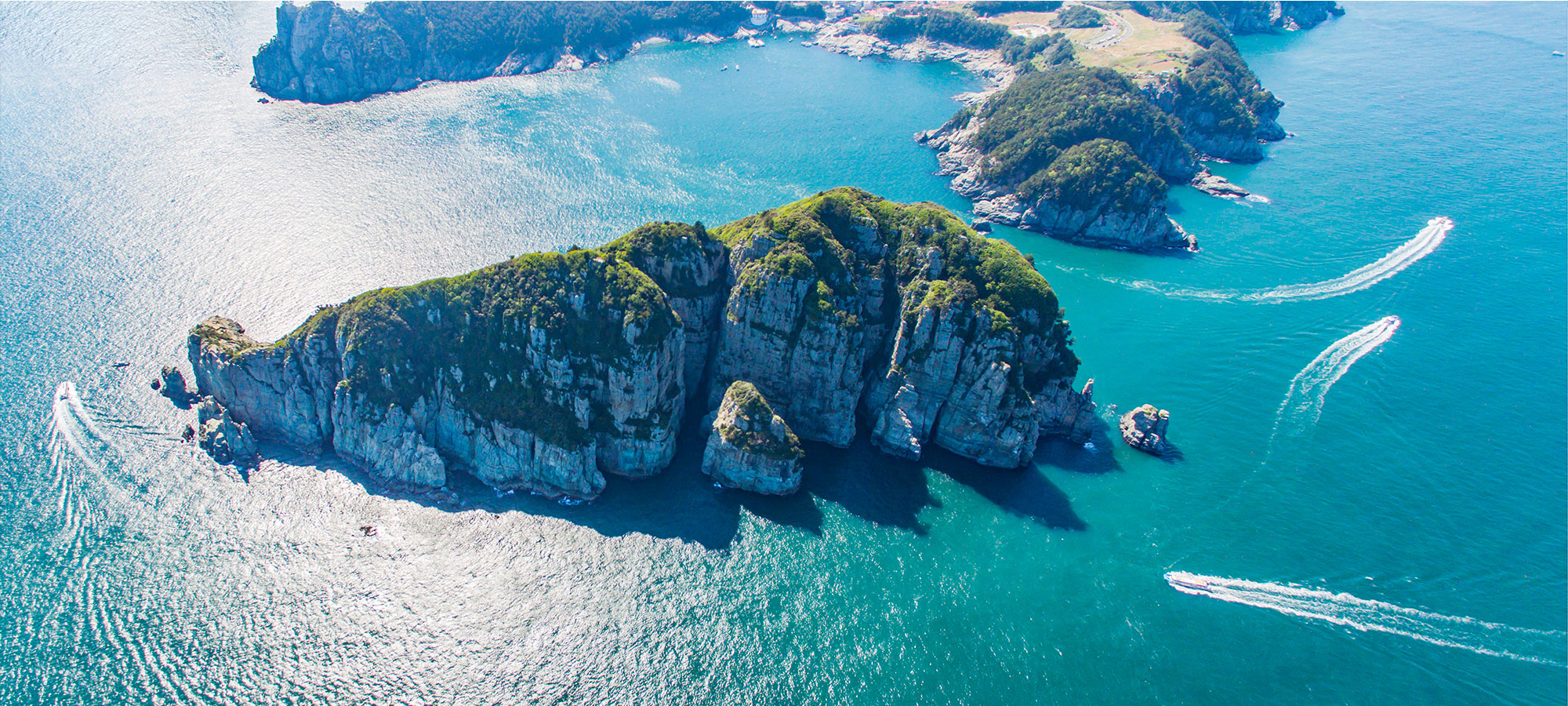
Geoje Island is located in Geoje City, Gyeongsangnam-do, and is the second-largest island in South Korea after Jeju Island. The main island covers 382.2㎢, with a coastline stretching 443.8㎞, so it is not a destination where you can see the entire island on one short walk.
Geoje Island was organized as Geoje County in 757, the 16th year of Silla King Gyeongdeok’s reign, and belonged to Geoje Prefecture in Gyeongsangnam-do in 1896. It was incorporated into Tongyeong County during the 1914 administrative reorganization, became Geoje County again in 1953, was elevated to Jangseungpo City in 1989, and became today’s Geoje City when Jangseungpo City and Geoje County were merged in 1995.
Transportation networks also changed the island’s present-day appearance. The 740-meter Geoje Bridge connecting the Tongyeong Peninsula and Geoje Island opened in 1971. In 2010, the Geoga Bridge connecting the island with Gadeokdo Island in Busan opened, reducing travel distance and time between Geoje and Busan.
Northeastern sea cliffs and the southern national park: an itinerary suited to the terrain
The northern and eastern coasts of Geoje Island are generally rugged sea cliffs, while the southern and western coasts are relatively low. Garasan Mountain at the southern tip is the island’s highest peak at 585 meters, while Oknyeobong Mountain in the east reaches 554.7 meters.
Some southern areas belong to Hallyeohaesang National Park, and sandy beaches are distributed throughout the coastline. If you want to prioritize rocky coastal scenery, plan for the Haegeumgang and Oedo areas. If you want to spend more time at the beach, treat Hakdong, Yeocha, Mangchi, and Nongso Mongdol Beaches as separate destinations.
Geoje Island has an average temperature of 2.9℃ in January and 25.8℃ in August, with annual precipitation of 2,100㎜. Subtropical plants such as sago palms, palm trees, suk-ran orchids, wind orchids, aralia trees, and camellias grow here, allowing visitors to see vegetation characteristic of Korea’s southern coast even in winter. However, cruise schedules are affected by the weather.
How to enter from Busan and Tongyeong via Geoje Bridge and Geoga Bridge
Geoje Island is connected to Tongyeong by Geoje Bridge and to Busan by Geoga Bridge. For travelers visiting Korea for the first time, rather than searching first for a specific bus number on the island, it is more practical to choose Busan or Tongyeong as the departure point and select the origin on the “Getting Here” page of Geoje City’s official Tourism and Culture website.
Geoje City’s official tourism page provides routes to Geoje from Seoul, Incheon, Chuncheon, Daejeon, Daegu, Gwangju, and Busan. However, the material does not specify particular train-station exit numbers, bus route numbers, or walking times from each stop, so this article does not add unverified figures.
Tourist attractions on the island are spread apart, and for Haegeumgang and Oedo you must separately check the pier and whether cruises are operating. The address provided is Hamyeonok, 1st Floor, 320 Yeonhaean-ro, Yeoncho-myeon, Geoje-si, Gyeongsangnam-do, but it has not been confirmed whether this is the representative address for Geoje Island’s tourist attractions or the address of a specific restaurant, nor whether it matches an official tourist-site address.
Free entry to the island, but paid Oedo and Haegeumgang tours
Geoje Island itself is listed as open 24 hours a day, year-round, with free admission. However, this information applies to the island as a whole; individual attractions such as Oedo Botania and cruise boats have separate operating hours and fees.
According to Geoje City’s tourism page, last updated on April 15, 2022, individual admission to Oedo Botania costs 11,000 won for adults, 8,000 won for military and police personnel and students, and 5,000 won for children. Under these criteria, adults are 19 or older and children are 2 or older; Geoje residents are listed as eligible for free admission.
The same page lists cruise fares as follows: Jangseungpo, 20,000 won on weekdays and 22,000 won on weekends; Jisepo, 20,000 won on weekdays and 22,000 won on weekends; Wahyeon, 18,000 won on weekdays and 19,000 won on weekends; and Gujora, 19,000 won on weekdays and 20,000 won on weekends. Haegeumgang cruises cost 16,000 won for adults on weekdays and 17,000 won on weekends. Since this fare table was last revised in 2022, current prices in 2026 should be reconfirmed on the official page before departure.
The 1 hour 30 minutes you must observe when disembarking at Oedo from Dojangpo
A 2017 review departing from Dojangpo recorded the entire Oedo–Haegeumgang cruise as taking approximately 2 hours and 10 minutes, including about 30 minutes for viewing Haegeumgang from the boat. It also explained that after landing at Oedo, visitors were given 1 hour and 30 minutes before the cruise boat returned.
This time limit is the first thing to remember when taking photos or exploring the gardens at Oedo. If you are late at Oedo, you may need to take a boat to another pier, and the same review states that visitors might have to wait at least an hour for the next boat.
Reviews also note that the Oedo–Haegeumgang cruise route may change depending on weather conditions. Therefore, do not calculate only the Oedo admission fee; combine transportation to the pier, the round-trip cruise, and the designated return time after landing into one itinerary. Dadae cruises are currently marked as not operating on Geoje City’s tourism page.
How to include Haegeumgang, Windy Hill, and Hakdong in one trip
Geoje City’s official Tourism and Culture website introduces Haegeumgang, Windy Hill and Sinseondae, Oedo Botania, and Hakdong Heukjinju Mongdol Beach as major attractions. Plan a boat tour for viewing Haegeumgang from the water, and separate Windy Hill and Sinseondae into land-based viewpoints to reduce the risk of having your entire itinerary depend on whether boats are operating.
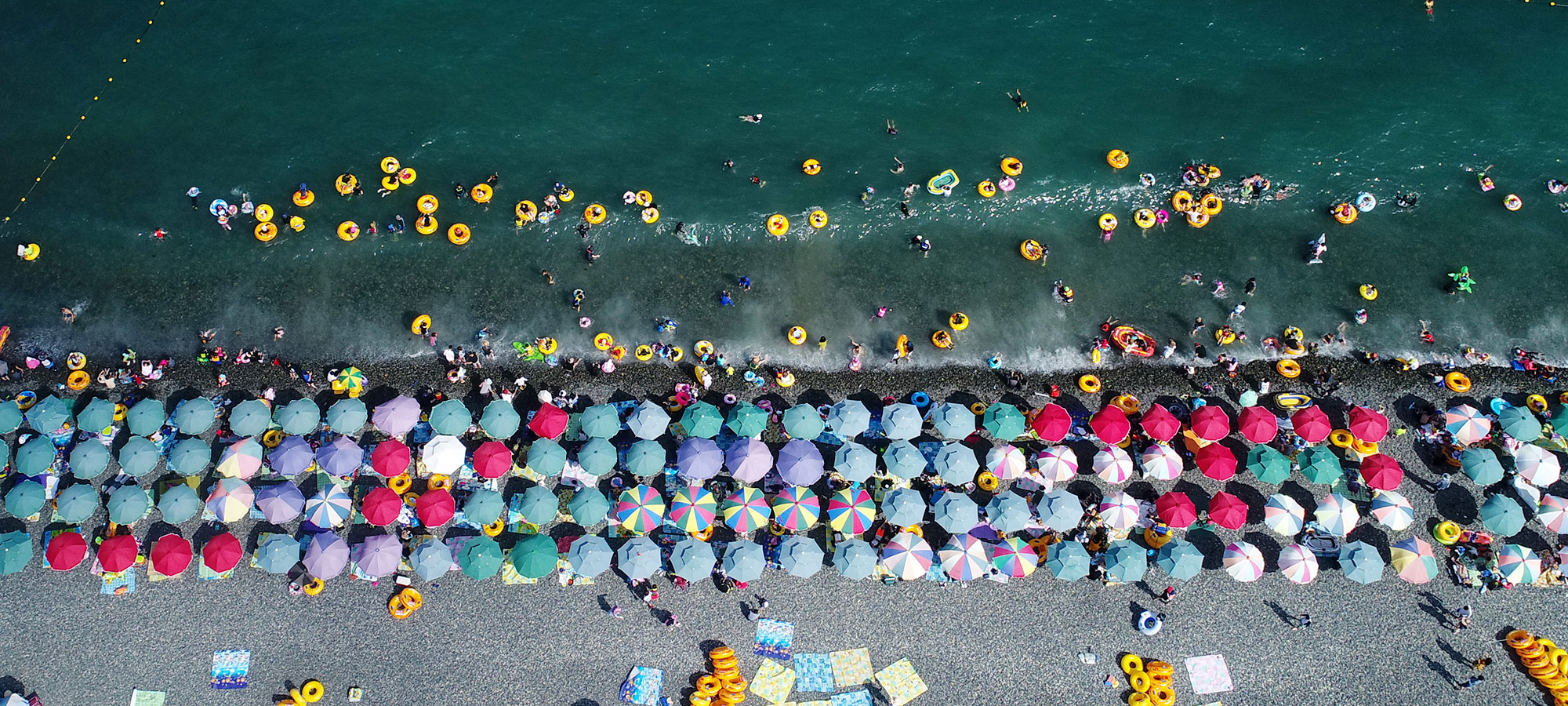
Hakdong, Yeocha, Mangchi, and Nongso are introduced as representative pebble beaches. Travelers expecting sandy beaches may find the shore surface different, so when visiting these four places, it is better to understand that you are going to see a rounded-pebble coastal landscape rather than a sandy swimming beach.
Other destinations that can be combined on the island include Maemiseong Fortress, Geoje POW Camp History Hall, Geoje Botanical Garden, Gonggoji and Naedo, and Jisimdo Camellia Island. However, operating hours, closing days, admission fees, and travel times to piers at each location are separate from the general information that Geoje Island is open 24 hours, so check each destination’s page separately.
Preparing with seafood cuisine and year-round climate in mind
The Korea Tourism Organization introduces seafood bibimbap with sea squirt and sea urchin and seaweed soup as local foods of Geoje Island. When choosing meals during an island trip, keep in mind that local seafood dishes like these are introduced alongside Geoje’s tourism content.
With an average August temperature of 25.8℃ and annual precipitation of 2,100㎜, summer coastal itineraries require consideration of both heat and rain. In contrast, the average January temperature is 2.9℃. Although outdoor coastal scenery can still be enjoyed in winter, clothing should account for wind and the perceived temperature on the water.
This material does not confirm photography restrictions, access controls, open areas, whether cash is required, English information or audio guides, or wheelchair and stroller accessibility across Geoje Island. Parking fees and the number of available spaces at individual attractions and piers have also not been confirmed; overall, the information only indicates that parking is available.
Costs, inquiries, and official information for first-time visitors
Geoje Island itself is free to enter and is listed as open 24 hours a day, year-round, but Oedo Botania admission and cruise fares are separate. Geoje Island tourism inquiries can be made at 055-639-3399, and the official Tourism and Culture website is https://tour.geoje.go.kr/.
Cruise inquiry contacts also vary by departure point. Jangseungpo: 055-681-6565; Jisepo: 055-682-5577; Wahyeon: 055-681-2211; Gujora: 055-681-1188; Haegeumgang: 055-633-1352; and Dojangpo: 055-632-8787.
The officially recommended sightseeing duration for Geoje Island as a whole has not been confirmed. Therefore, for an itinerary including the Oedo–Haegeumgang cruise, use the approximately 2 hours and 10 minutes of boat and landing time mentioned in reviews as the basic unit, then add separate land destinations such as Windy Hill, Mongdol Beaches, and Maemiseong Fortress with sufficient travel time.
Before You Go
- Address
- Geoje Island, Geoje-myeon, Geoje-si, Gyeongsangnam-do. The address provided for coordinate verification is Hamyeonok, 1st Floor, 320 Yeonhaean-ro, Yeoncho-myeon, Geoje-si, Gyeongsangnam-do.
- Hours
- Geoje Island itself is listed as open 24 hours. Individual attractions have separate operating hours.
- Closed
- Geoje Island itself is listed as open year-round. Individual attractions have separate closing days.
- Admission
- Geoje Island itself is free. Oedo Botania admission is listed on Geoje City’s tourism page as 11,000 won for individual adults, 8,000 won for military and police personnel and students, and 5,000 won for children.
- Phone
- Geoje Island tourism inquiries: 055-639-3399
- Official site
- https://tour.geoje.go.kr/
- Transport
- Connected to Tongyeong by Geoje Bridge and to Busan by Geoga Bridge. Geoje City’s official tourism page provides routes from Seoul, Incheon, Chuncheon, Daejeon, Daegu, Gwangju, and Busan.
- Parking
- Parking is listed as available. Parking fees at individual attractions and piers have not been confirmed.
The information above is current as of the time of writing. Check the official information again before visiting.

Places
Nearby Attractions 3
-
 1
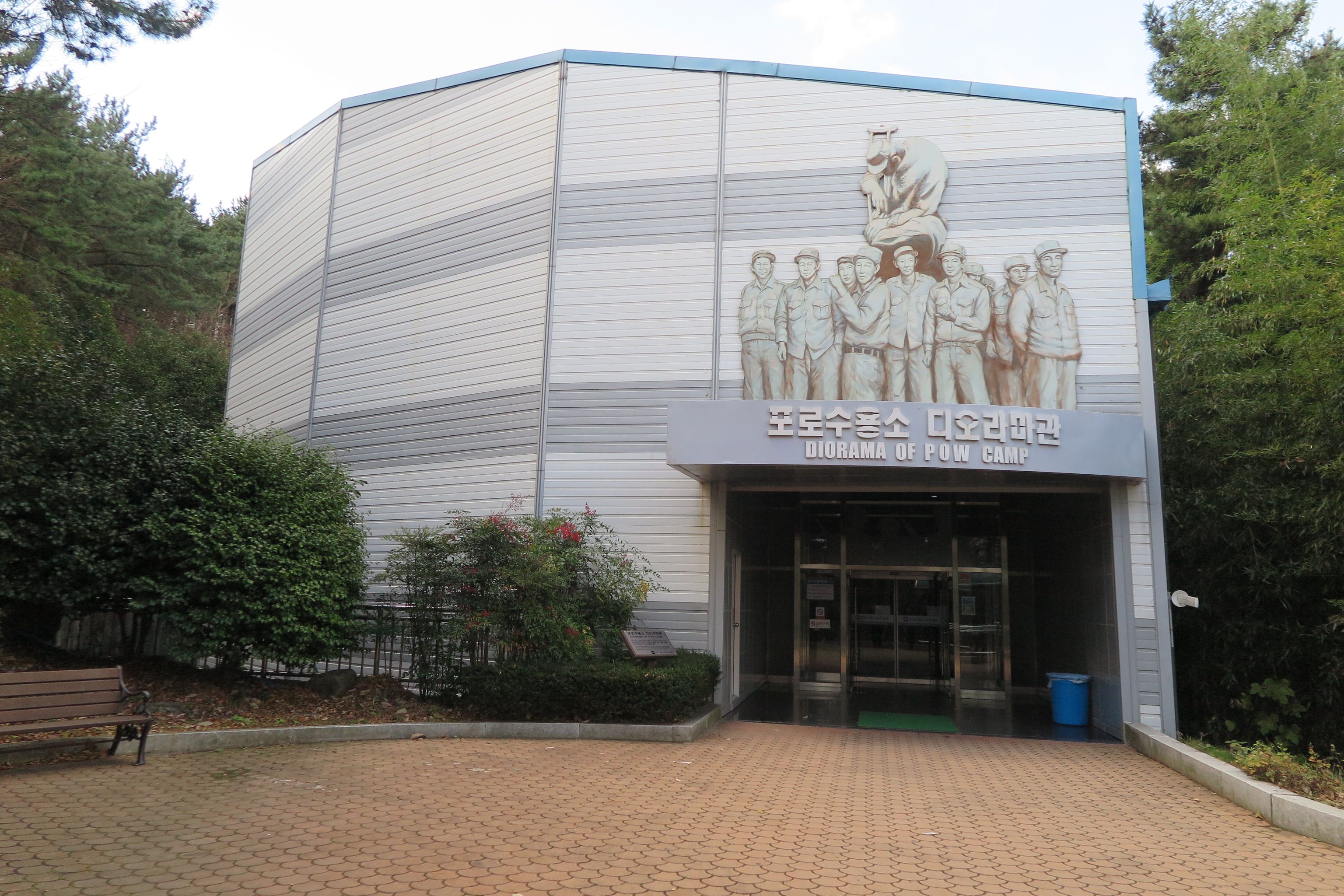
Geoje POW Camp History Hall ParkA park where visitors can explore the history and materials related to the Korean War prisoner-of-war camp.
1
Geoje POW Camp History Hall ParkA park where visitors can explore the history and materials related to the Korean War prisoner-of-war camp. -
 2
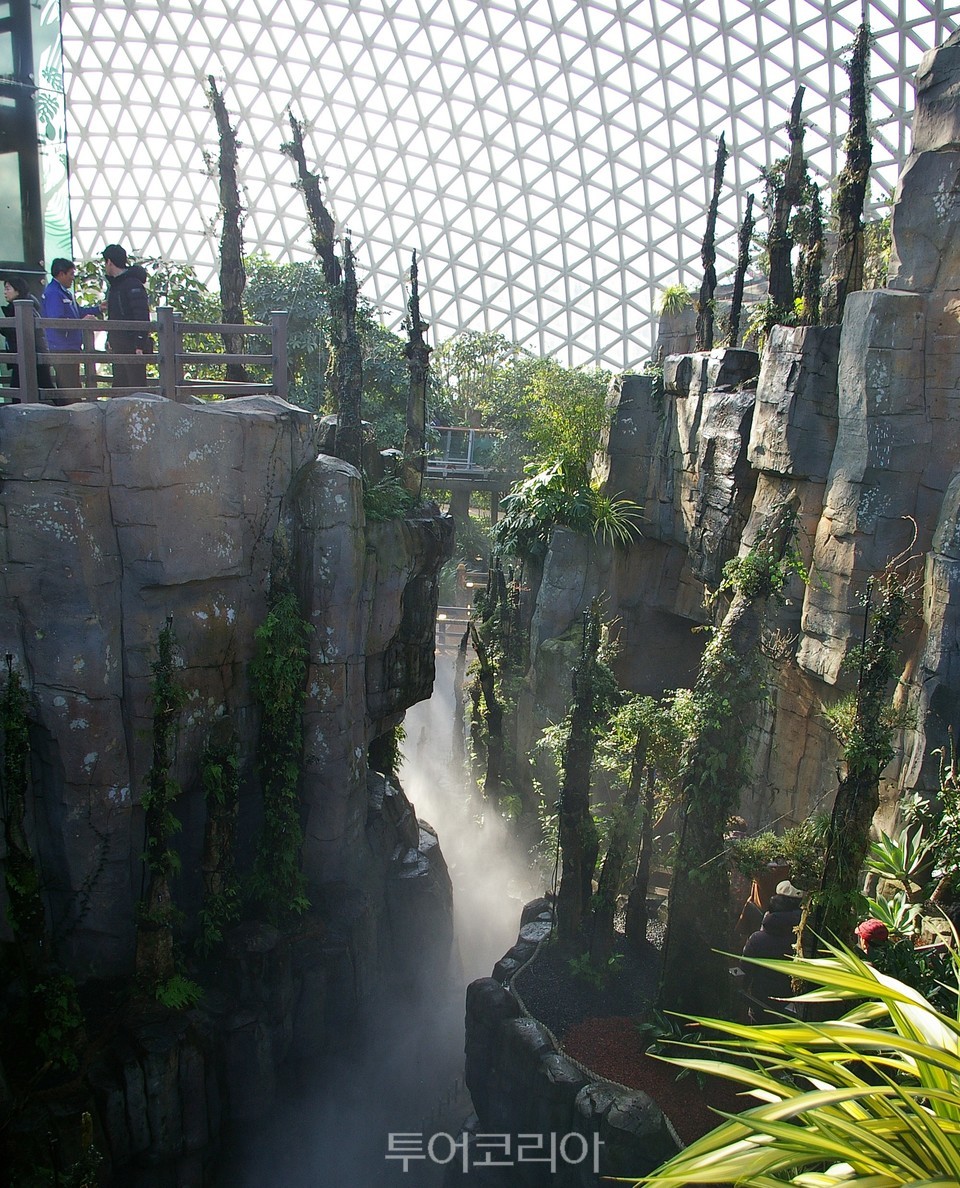
Geoje Botanical Garden (Jungle Dome)A place to enjoy a variety of plants in a tropical greenhouse and outdoor gardens.
2
Geoje Botanical Garden (Jungle Dome)A place to enjoy a variety of plants in a tropical greenhouse and outdoor gardens. -
 3
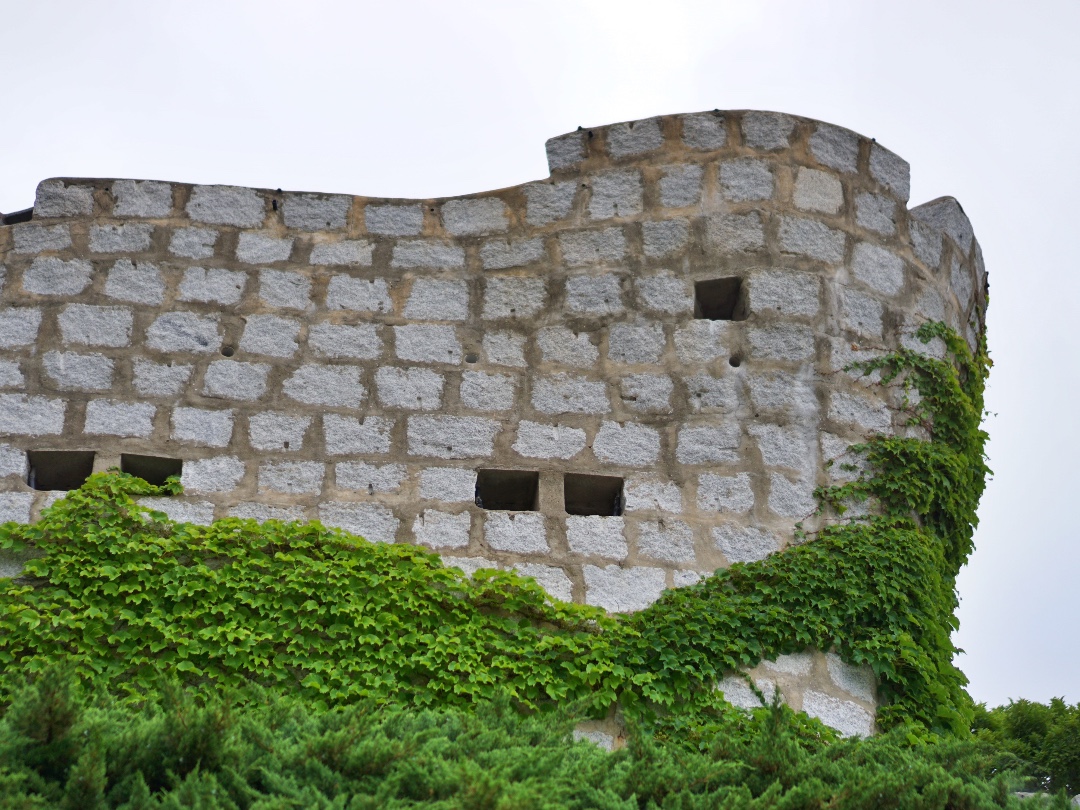
Maemiseong FortressA popular attraction where visitors can explore the fortress walls built along coastal cliffs and enjoy views of the sea.
3
Maemiseong FortressA popular attraction where visitors can explore the fortress walls built along coastal cliffs and enjoy views of the sea.
Food & Dining 2
-
 4
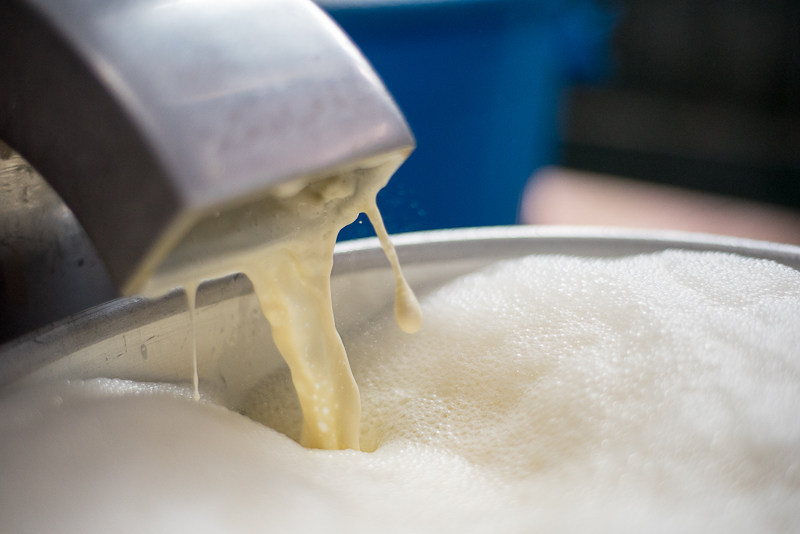
Soobidu Tofu HouseA place serving soft tofu stew and other tofu dishes made with handmade tofu.
4
Soobidu Tofu HouseA place serving soft tofu stew and other tofu dishes made with handmade tofu. -
 5
5
Events in This Area

Festivals in This Area

More Travel Guides in This Area
 Travel Guide
The Memory of an Island Where 173,000 People Stayed: Geoje POW Camp History Hall Park
 Travel Guide
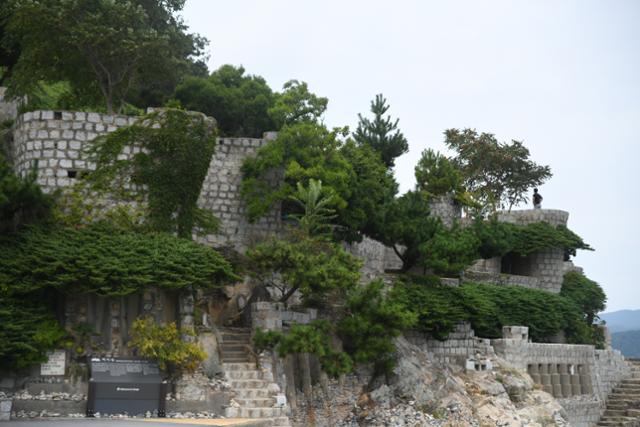
Maemi Castle, the Stone Wall Left by Typhoon Maemi in Bokhang Village, Geoje
 Travel Guide
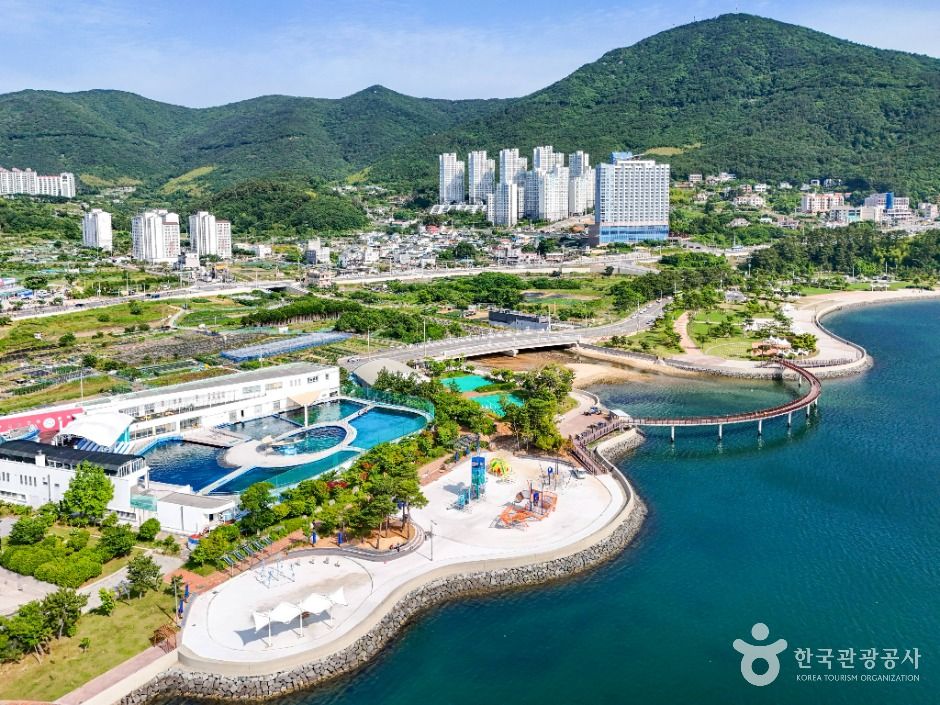
Geoje Sea World — Dolphin and Beluga Experience Park on Jisepohaean-ro
 Travel Guide
Explore a 160,000㎡ Meadow and a 1,017 m Monorail at Geoje Forest Sound Park
Korea News
 News
News
TWS heightens comeback excitement with kitschy charm… Anticipation for “plot twist” rises
 News
News
BTS, Six Months After Its Release… ‘Arirang’ Climbs the U.S. Billboard 200
 News
News
'The Nation's Girl Group' RESCENE, Five Girls Transformed into Guardians… Additional Concept Photos for Their 4th Mini Album Revealed
 News
News