Traces of Joseon’s Administrative City at Munhak Sports Complex Station: Incheon Dohobu Government Office
Incheon Dohobu Government Office recreates a local administrative office from the Joseon period, featuring seven buildings, including the guesthouse, magistrate’s office, and public service quarters. This guide covers free admission, its convenient 15-minute walk from Exit 2 of Munhak Sports Complex Station, and how to visit it together with Incheon Hyanggyo Confucian School.
I’ve been here?
Your check-in helps the next traveler.
No one has checked in yet Be the first
One tap — no writing needed
Why Incheon Became a Dohobu on November 5, 1459
Incheon Dohobugwana was a government office responsible for local administration during the Joseon period. Joseon’s local administrative organization included daedohobu, mok, dohobu, counties, and prefectures. Incheon Dohobu was promoted to a dohobu on November 5, 1459, because it was the hometown of the maternal relatives of Queen Jeonghui, the consort of King Sejo.
A dohobu had six departments—personnel, taxation, rites, military affairs, justice, and public works—under a dohobusa dispatched from the central government. Incheon Dohobu contained 10 myeon townships and several dong, ri, and chon villages. Under the dong and ri units, the five-household system grouped five households into one administrative tong.
Why the Administrative Center Moved After the Port Opened in 1883
According to the 1748 Incheon-bu eupji, the jurisdiction of Incheon Dohobu at that time included Ganghwa, Yeongjong, and Deokjeokdo, with a population of approximately 2,600 households and 8,000 people. This record shows that the dohobu administered a much broader area than today’s Incheon city center.
The exact construction date of the government office is uncertain, but Gang Hui-maeng’s “Record of the Incheon-bu Seungho Pavilion” states that a guesthouse already existed in 1424. After Incheon Port opened in 1883 and a Gamniseo office dedicated to commercial and diplomatic affairs was established in the open port area, the administrative center moved from the dohobu office to the port district.
Seven Government Buildings Reconstructed in October 2001
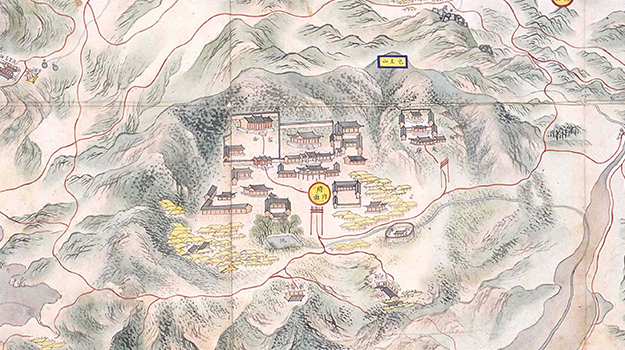
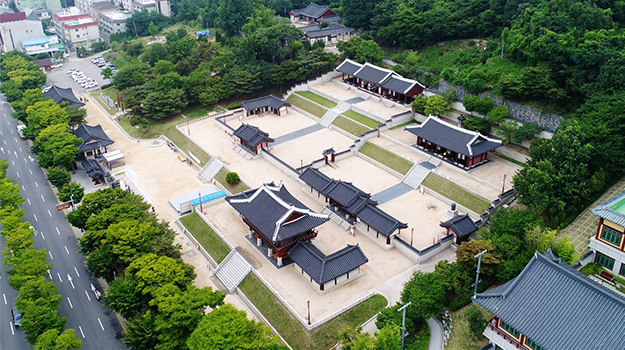
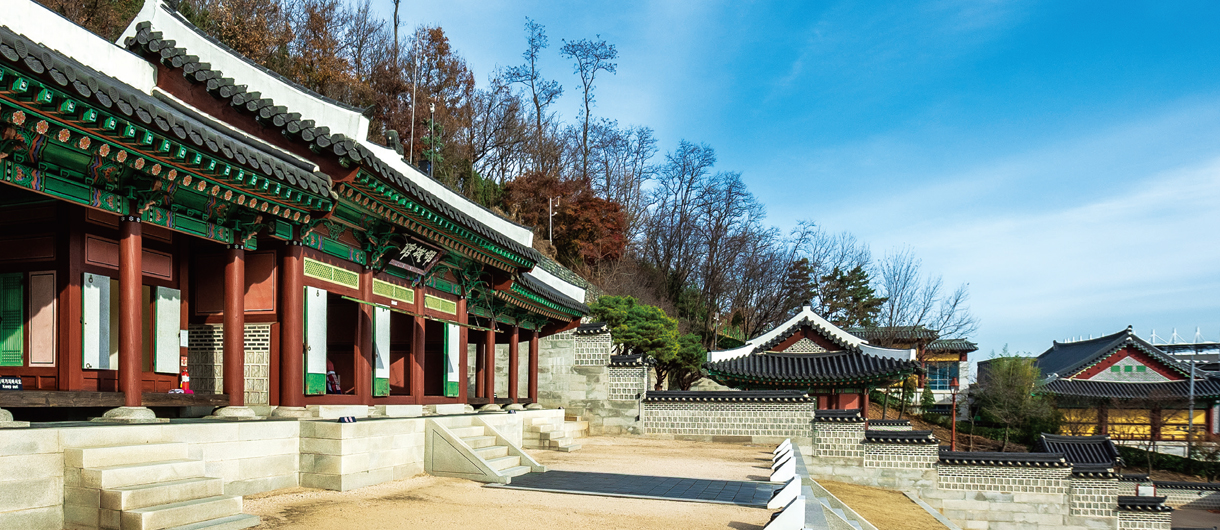
The facilities visitors see today are not the original government buildings preserved intact, but reconstructions of the old offices based on the Hwadojindo map. Seven buildings, including the guesthouse, magistrate’s office, and Gongsu facility, were recreated across a site of approximately 11,000 square meters, with a total built area of about 420 square meters.
The reconstructed Incheon Dohobu government office appeared across from Munhak Stadium on Incheon Citizens’ Day in October 2001. Parts of the guesthouse and magistrate’s office remain preserved on the grounds of Munhak Elementary School, the original site. Knowing the difference between the reconstructed facilities and the original site makes the present-day layout easier to understand.
Understanding Joseon’s Division of Duties Through the Guesthouse, Magistrate’s Office, and Gongsu
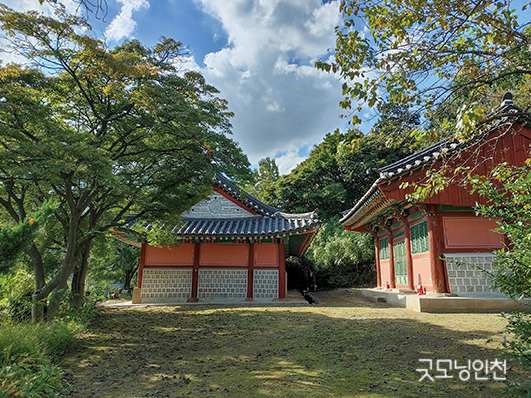
The guesthouse was a building that enshrined the king’s spirit tablet. It ranked higher than the magistrate’s office, where the local governor worked, and was the largest and most elaborate building in the government complex. The central front hall housed the spirit tablet, and the magistrate regularly performed ceremonial rites there. The side wings were used to receive and accommodate envoys sent from the central government.
The magistrate’s office was named dongheon, meaning the magistrate’s office located east of the guesthouse. General local administration and trials took place in its main hall. The middle gate was the entrance to the magistrate’s office and also served as the workplace of staff from the six departments. The Gongsu facility contained a kitchen, storerooms, and ondol rooms, where personnel managing the guesthouse and attendants accompanying central-government envoys stayed and stored supplies.
Understanding the Route Through the Main Gate and Three Gates
The main gate of the government office was built with a two-story pavilion and a hipped-and-gabled roof. At the outer three-gate entrance, divided into three bays, the central gate was mainly used by the magistrate, while ordinary people used the gates on either side. The arrangement of the building’s gates shows how status and movement for official duties were separated in Joseon government offices.
The three gates leading into the guesthouse were the inner three gates installed at the area housing the king’s spirit tablet. The Sajumun gate was used to move between the inner quarters and the magistrate’s office. Examining the main gate, middle gate, three gates, and Sajumun in order makes it easier to understand how official entrances and internal movement were divided.
Plan Around Free Admission Hours and Monday Closure
As confirmed in 2026, visiting hours are 10:00–19:00 from March through October, the summer season, and 10:00–18:00 from November through February, the winter season. The site is closed every Monday, so if your Incheon itinerary falls on a Monday, you cannot make the government office your first destination.
Admission is free. Although the same source states that credit cards cannot be used, this is not a place where you need to prepare ticket money because admission is free. Official information lists restrooms and parking facilities, but parking fees and the number of available spaces could not be confirmed from the published information.
Walking from Munhak Stadium Station Exit 2 to the North Gate
If you use Incheon Subway Line 1, get off at Munhak Stadium Station, leave through Exit 2, and head toward the north gate. The official information for the site describes the walk from the station as 15 minutes, while another public source gives a distance of 1.5 km and 25 minutes from Exit 2. It is therefore best to allow extra time, as the actual walking time depends on your starting point and pace.
City bus routes are 4, 5, 11, 46, and 82; the village bus is 515; and the seat bus is 111-2. The road-name address is 589 Maesohol-ro, Michuhol-gu, Incheon. Incheon Hyanggyo is 100 meters from the government office, or about a two-minute walk. The historical walking course linking the government office, Incheon Hyanggyo, and Munhaksan Mountain is listed as 7.6 km and 3 hours 17 minutes, allowing you to plan separately for a short visit and a longer historical walk.
How to Prepare for Millstone and Tuho Experiences and English Guidance
Inside the government office are traditional household items such as millstones and wooden laundry beaters, as well as traditional instrument experiences featuring drums, gongs, small gongs, and small hand drums. Traditional games such as tightrope walking, hoop rolling, kite flying, jegichagi, and spinning tops are also introduced. A separate tourism guide lists tuho, millstone turning, archery, jegichagi, and yutnori.
The official website accepts group-visit applications and reservations for dohobu office experiences. Korean-language guidance is available by advance reservation, and English guidance requires advance booking with a cultural tourism interpreter who can converse in English. Stroller rental is not available. Entrance ramps and accessible restrooms are listed, but information about slopes, stairs, and surfaces along the entire route could not be confirmed.
The Contrast You See When Visiting Incheon Hyanggyo Together
Incheon Hyanggyo and the Incheon Intangible Cultural Heritage Education Center stand side by side on either side of Incheon Dohobu. Incheon Hyanggyo is 100 meters from the government office, or a two-minute walk, making it easy to connect the local administrative space of the government office with the educational and ritual space of the hyanggyo along one route.
According to the official information, pets are not allowed inside. Whether you make a brief visit to the government office or extend your trip into the 7.6-km historical course including Incheon Hyanggyo and Munhaksan Mountain should be decided based on how much you want to walk and how much time you have. The Gachon Cultural Foundation operates the site under contract from January 1, 2025, through December 31, 2027.
When the Name Changed from “Dohobu Government Office”
Incheon Dohobu was designated an Incheon Metropolitan City Tangible Cultural Heritage property on March 2, 1982. On October 7, 2019, Incheon Metropolitan City changed the name of Tangible Cultural Heritage No. 1, “Incheon Dohobu Government Office,” to “Incheon Dohobu Government Office Complex.”
As a result, both names may appear in travel searches. When visiting the current reconstructed facilities, however, it is safest to use the name Incheon Dohobu Government Office Complex together with the address 589 Maesohol-ro. The contact number is 032-422-3492, and the official website is http://www.dohobu.org.
Before You Go
- Address
- 589 Maesohol-ro, Michuhol-gu, Incheon
- Hours
- Summer season (March–October) 10:00–19:00 / Winter season (November–February) 10:00–18:00
- Closed
- Closed every Monday
- Admission
- Listed as free
- Phone
- 032-422-3492
- Official site
- http://www.dohobu.org
- Transport
- Incheon Subway Line 1, get off at Munhak Stadium Station, then Exit 2 and walk 15 minutes toward the north gate / City buses 4, 5, 11, 46, and 82 / Village bus 515 / Seat bus 111-2
- Parking
- Parking facilities available. Parking fees and the number of available spaces could not be confirmed
- Accessibility
- Entrance ramps and accessible restrooms are listed, but information about slopes, stairs, and surfaces along the entire route could not be confirmed
The information above is accurate as of the time of writing. Check the official information again before visiting.

Places
Nearby Attractions 3
-
 1
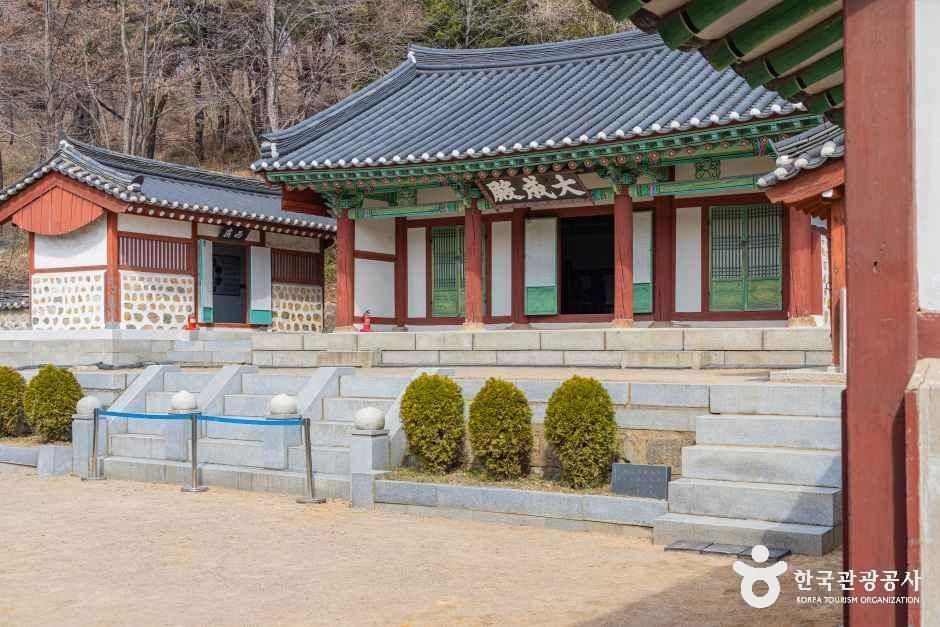
Incheon Hyanggyo Confucian SchoolA Joseon-era educational institution where visitors can explore traditional architecture and ancestral ritual culture.
1
Incheon Hyanggyo Confucian SchoolA Joseon-era educational institution where visitors can explore traditional architecture and ancestral ritual culture. -
 2
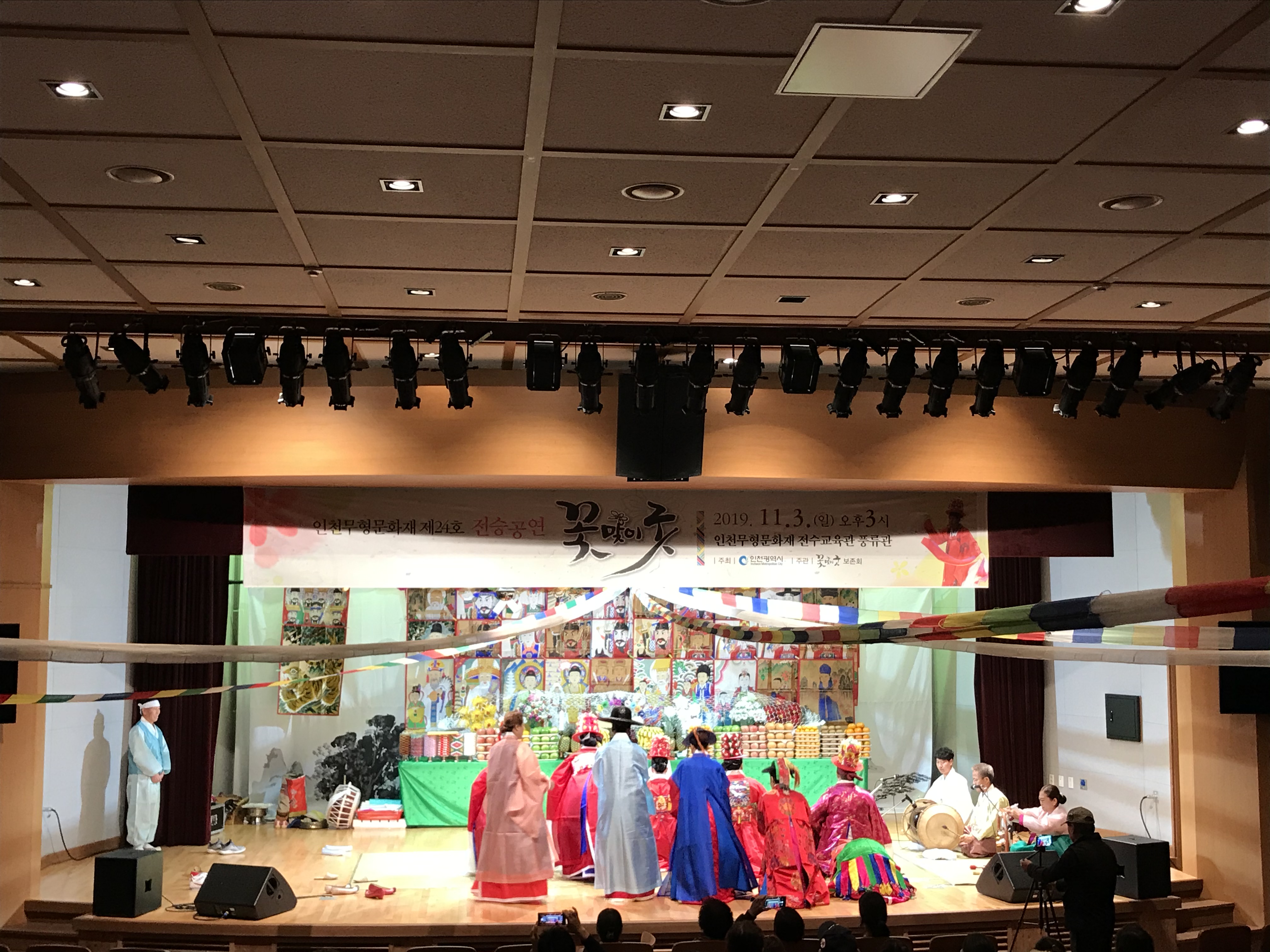
Incheon Intangible Cultural Heritage Transmission Education CenterA cultural space where visitors can experience the transmission activities and traditional performances of Incheon’s intangible cultural heritage
2
Incheon Intangible Cultural Heritage Transmission Education CenterA cultural space where visitors can experience the transmission activities and traditional performances of Incheon’s intangible cultural heritage -
 3
3
Food & Dining 3
-
 4
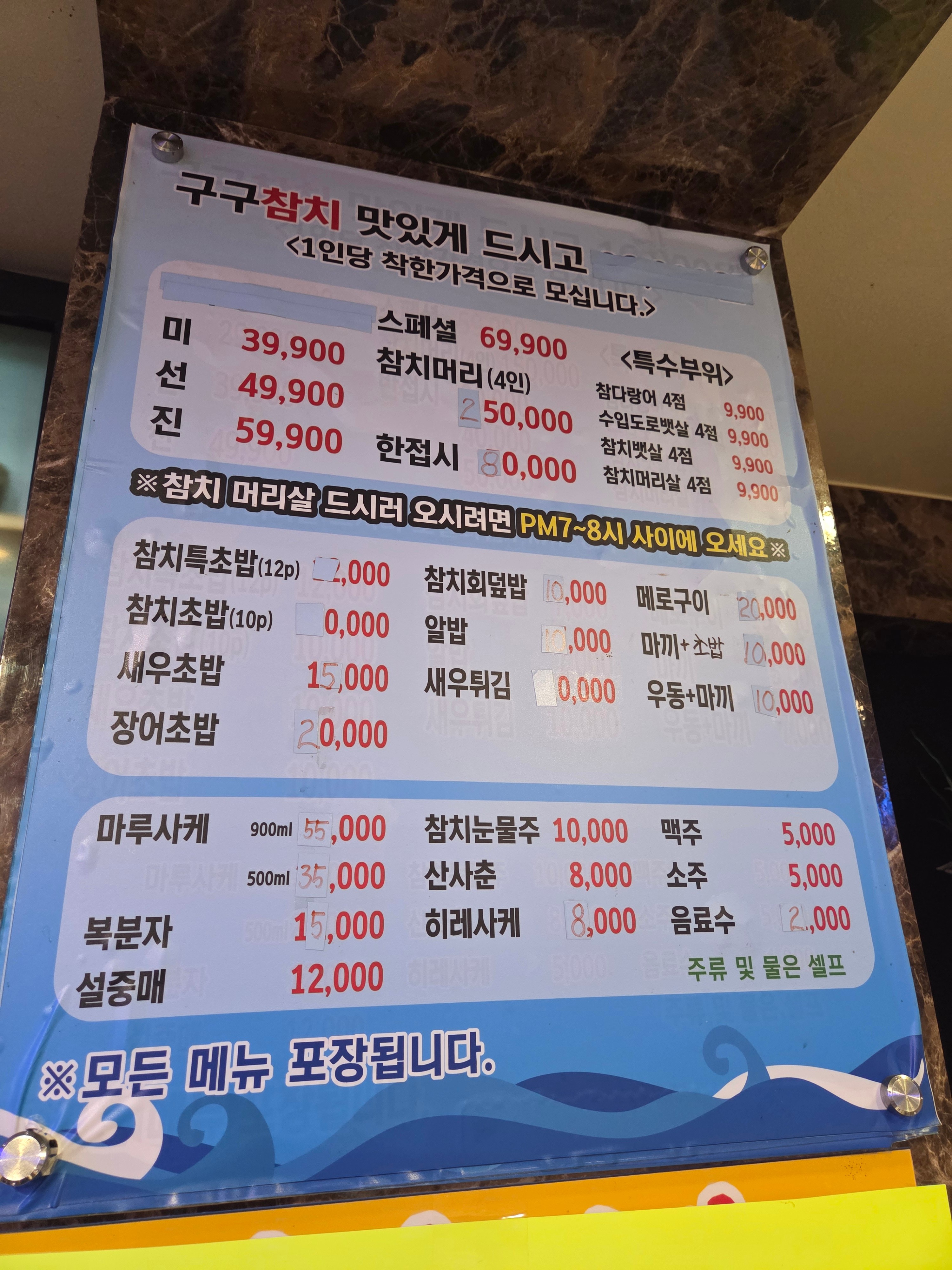
Gugu Tuna Munhak BranchA restaurant serving Japanese cuisine, specializing in tuna sashimi and tuna sushi.
4
Gugu Tuna Munhak BranchA restaurant serving Japanese cuisine, specializing in tuna sashimi and tuna sushi. -
 5
5
-
 6
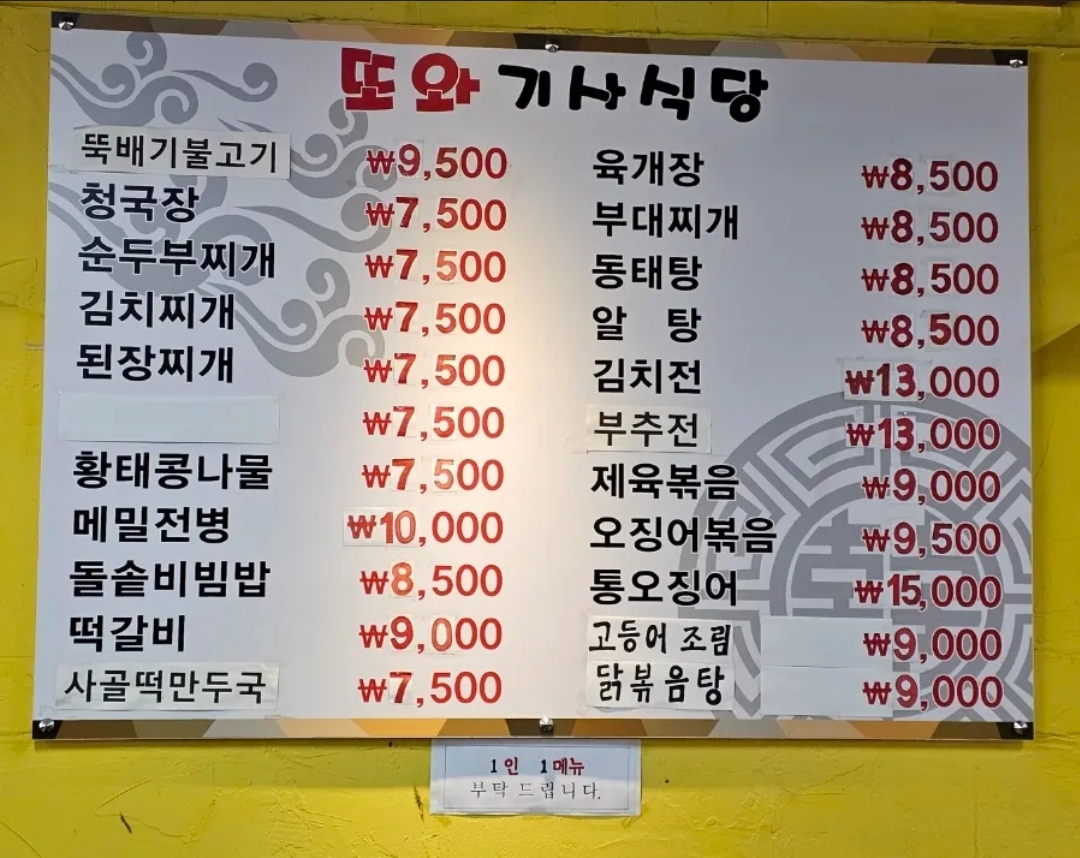
Ttowagi Gisa SikdangA restaurant serving baekban and Korean home-style dishes typically found at drivers’ diners.
6
Ttowagi Gisa SikdangA restaurant serving baekban and Korean home-style dishes typically found at drivers’ diners.
Events in This Area


Festivals in This Area
More Travel Guides in This Area
 Travel Guide
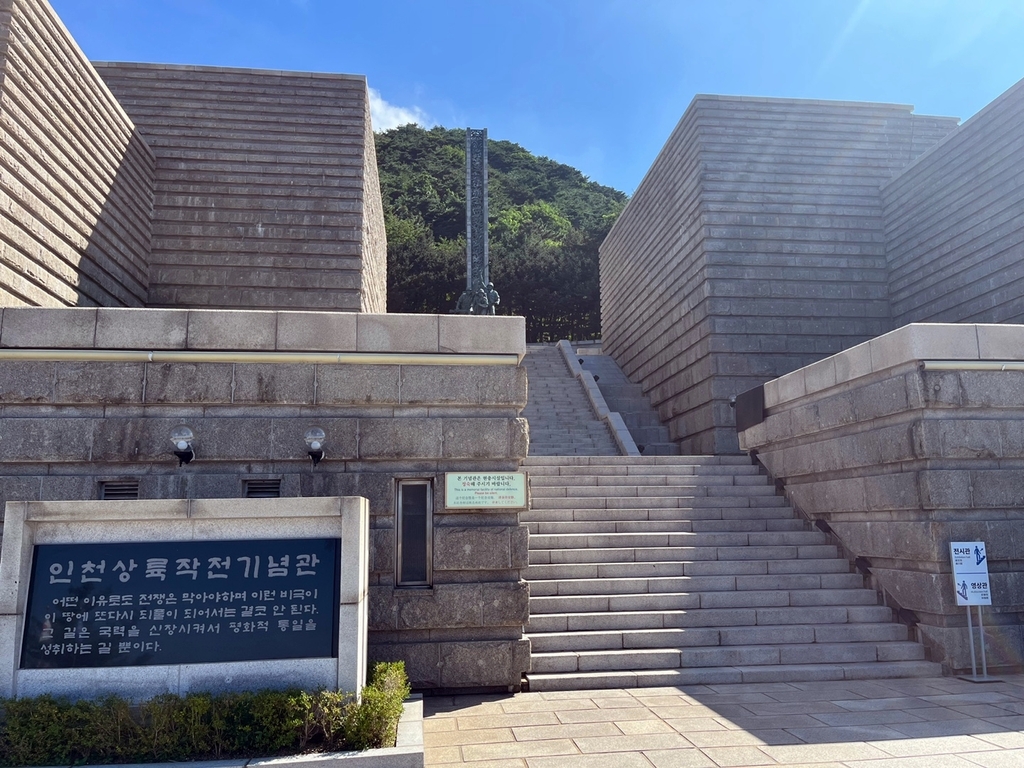
Exploring the Incheon Landing Operation Memorial Hall from the southern slope of Cheongnyangsan Mountain
 Travel Guide
Discover Incheon’s Layers of Time at the Incheon Metropolitan City Museum
 Travel Guide
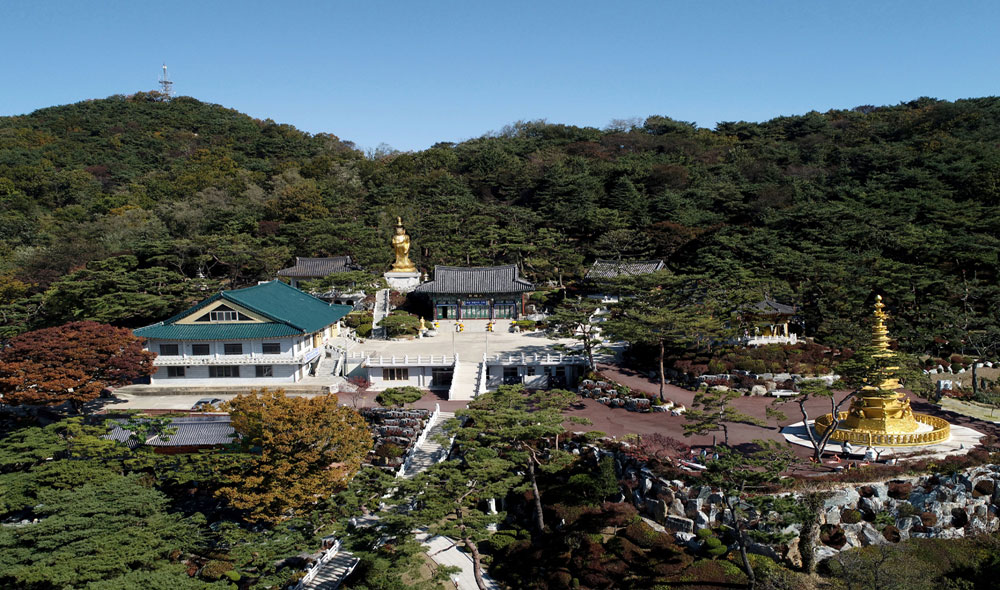
Incheon Heungnyunsa Temple: Sunset Over the West Sea Beyond 108 Steps
 Travel Guide
Neulsol-gil Park Sheep Ranch, Where You Can Meet 24 Sheep in Downtown Incheon
Korea News
 News
News
'Rami Controversy' NewJeans' Hyein Has Grown More Mature, Yet Is Still Adorable… A Cat Draped in Luxury Brands
 News
News
“If you get too close, I’ll bite”… BTS’s V issues a chilling warning to Jungkook
 News
News
“BTS No Longer Needs the Grammys”… Kim Tae-hoon Assesses the ‘Grammys Boycott’
![[Exclusive] Oh My Girl’s YooA, who switched to acting, parts ways with Saram Entertainment after just one year](https://kotourlive-images.s3.ap-northeast-1.amazonaws.com/news/1787658671060_036c47f7_news_8a403746-8bba-4e3c-8827-19d99be6d4fb.jpg) News
News