
Oriental herbal foot bath experience that warms your feet and heart at the same time
During a trip to Korea, many travelers recommend an experience that says, "If you want to feel utterly exhausted, this is something you should try." It is oriental herbal foot baths. Why is it so good to soak only your feet? In traditional Korean medicine, a body state known as 'duhanyoelyeol' (a cool head and warm feet) is considered the healthiest. The idea behind foot baths is that warming the feet improves the circulation of ki and blood and restores balance to the body. The biggest advantage is that even city travelers who cannot find a hot spring can start within 30 minutes.
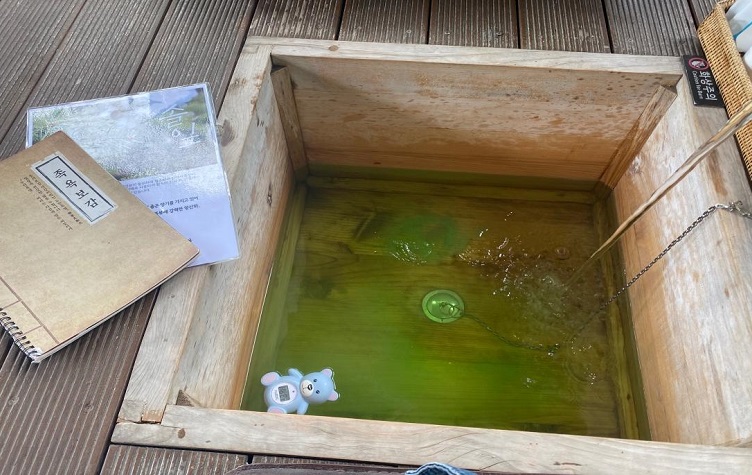
The warm water infused with medicinal herbs
Custom foot baths made with seasonal medicinal herbs
The part that surprises travelers the most is the color of the water in the foot bath. It is not clear, but has a light green or brown tint. This is because it is actually brewed water made by simmering seasonal medicinal herbs such as cypress, mokgwak, Japanese chrysanthemum, and bokbunja in a foot bath made of hinoki wood. In spring they use these herbs, and in summer they use those herbs, so the prescription changes with each season. You can also enjoy the subtle fragrance that comes from the herbs, which alone already helps relax the mind and body.
From blood circulation to fatigue recovery
Scientifically, the effects of foot baths have also been proven. Soaking your feet in warm water dilates blood vessels, allowing blood to circulate more quickly, improving the supply of oxygen and nutrients and helping eliminate metabolic waste. It is especially effective for relieving tired legs and feet from travel and reducing stress. Soaking for about 20 minutes can naturally release tension throughout the body.
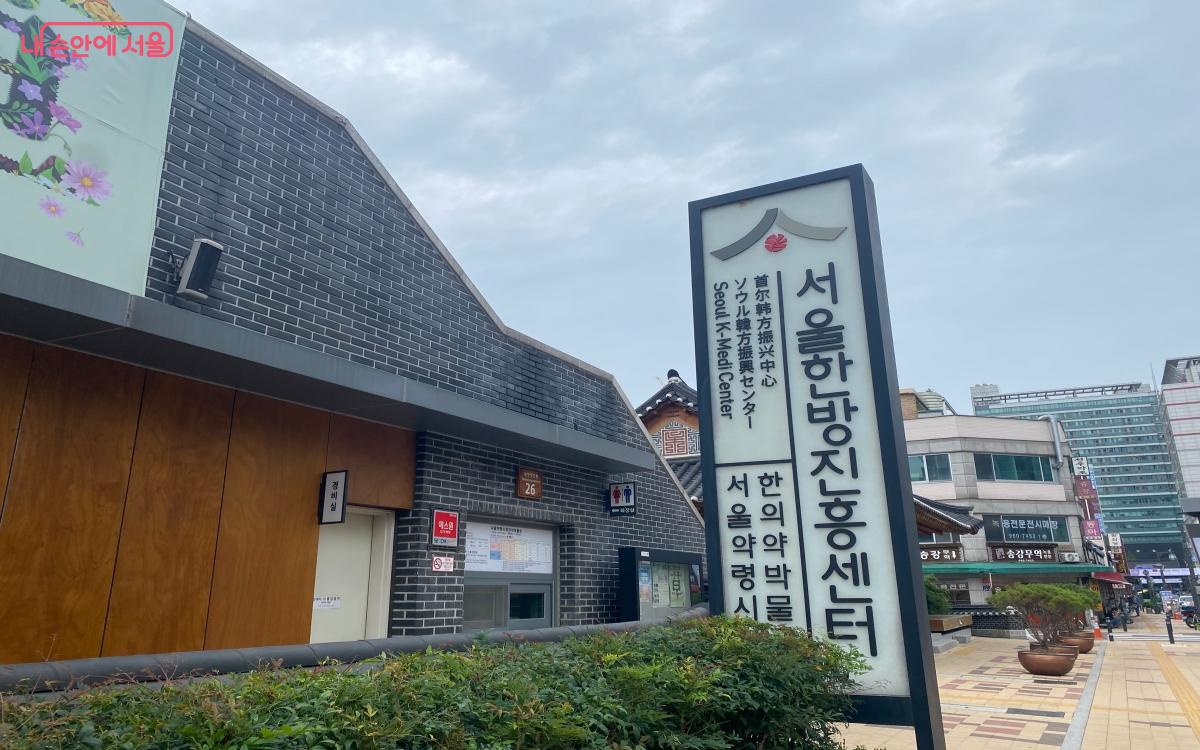
Traveler's guide to visiting a foot bath
Time and reservations — first come, first served matters
Each oriental herbal foot bath facility has its own operating hours. Usually, a 20-minute experience costs around 5,000 to 6,000 won, and two people share one tub. The important thing is that registration is first come, first served. Popular time slots fill up quickly, so it is best to go early in the morning. Many places accept on-site applications rather than online reservations, so arrive with plenty of time to spare.
Check winter operating status in advance
There is one thing to note. When operating an outdoor foot bath area, it may not be available during the winter season (usually November to February). This is to prevent freezing damage. If you plan to visit in winter, it is safer to check by phone in advance whether it is operating or choose a place with an indoor foot bath area.
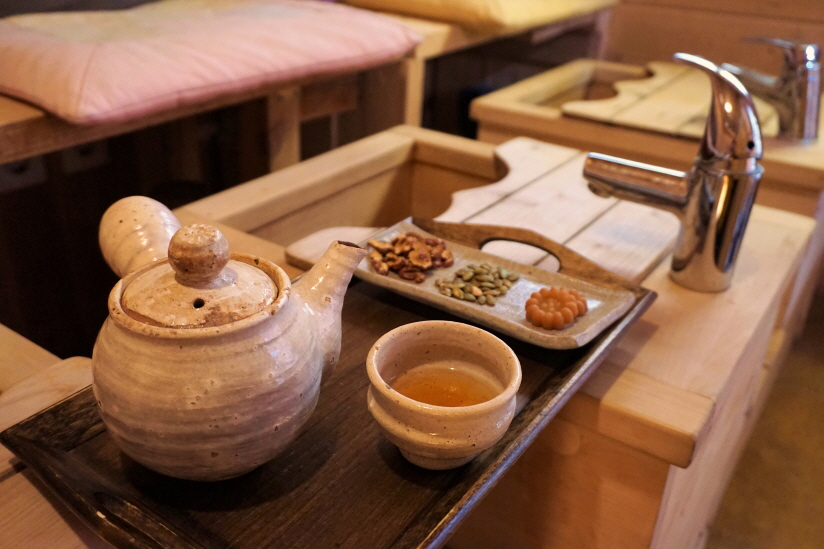
The perfect pairing with herbal tea
A foot bath is good on its own, but if you enjoy it as a set with herbal tea, just like local travelers do, the experience is complete. Most foot bath facilities have a cafe or a specialty herbal tea shop nearby. Medicinal teas such as bowi-cha (helps digestion), cheongan-cha (clears the eyes), and sintong-cha (refreshes the body) are developed directly by Korean medicine doctors or pharmacists. If you sweat during the foot bath and then finish with a warm cup of tea right after, the fatigue from traveling will definitely disappear. Tea usually costs in the 5,000 to 10,000 won range.
Harmony with your travel itinerary
Knowing what to watch out for after a foot bath makes planning your itinerary much easier. Right after the foot bath, you will sweat a lot, so avoid cold wind and cold food. If you planned sauna, jjimjilbang, or cold pool experiences on the same day, it is best to place the foot bath at the very end. Also, since you will sweat a lot, be sure to drink enough water while doing it. English guidance may be limited, so it helps to write down the Korean name and address at your accommodation or save them on your smartphone.
Recommended places
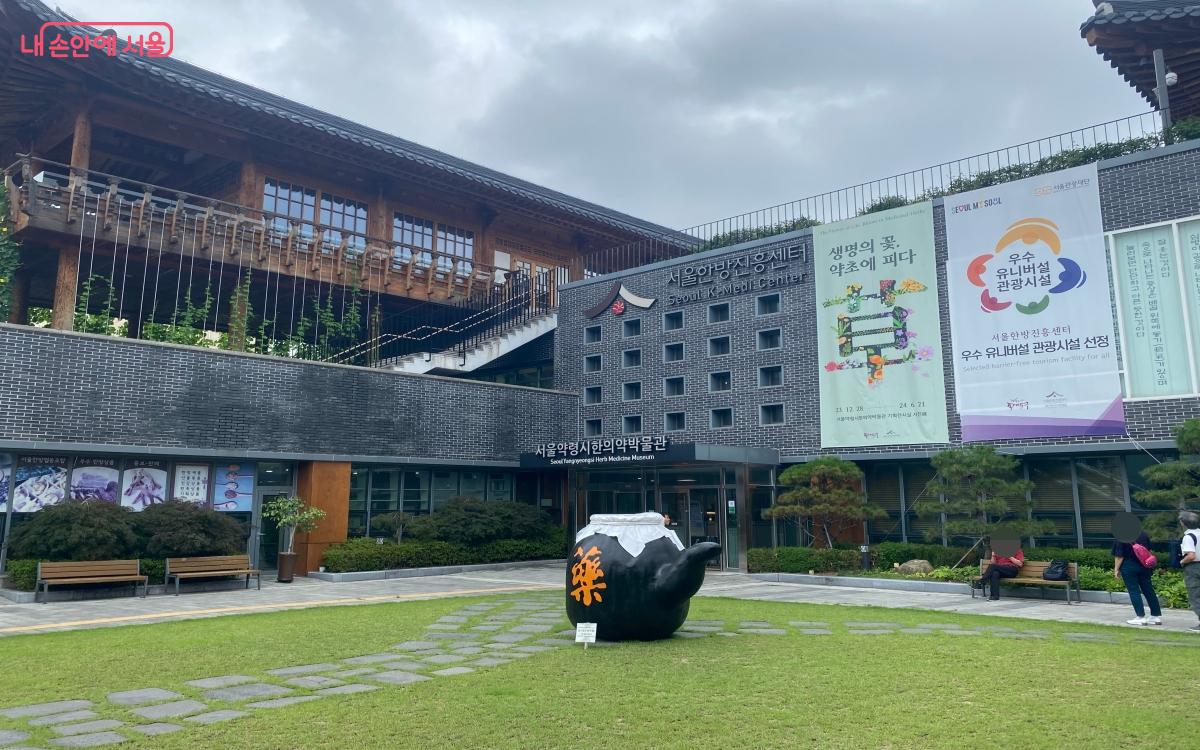
Seoul Oriental Medicine Promotion Center
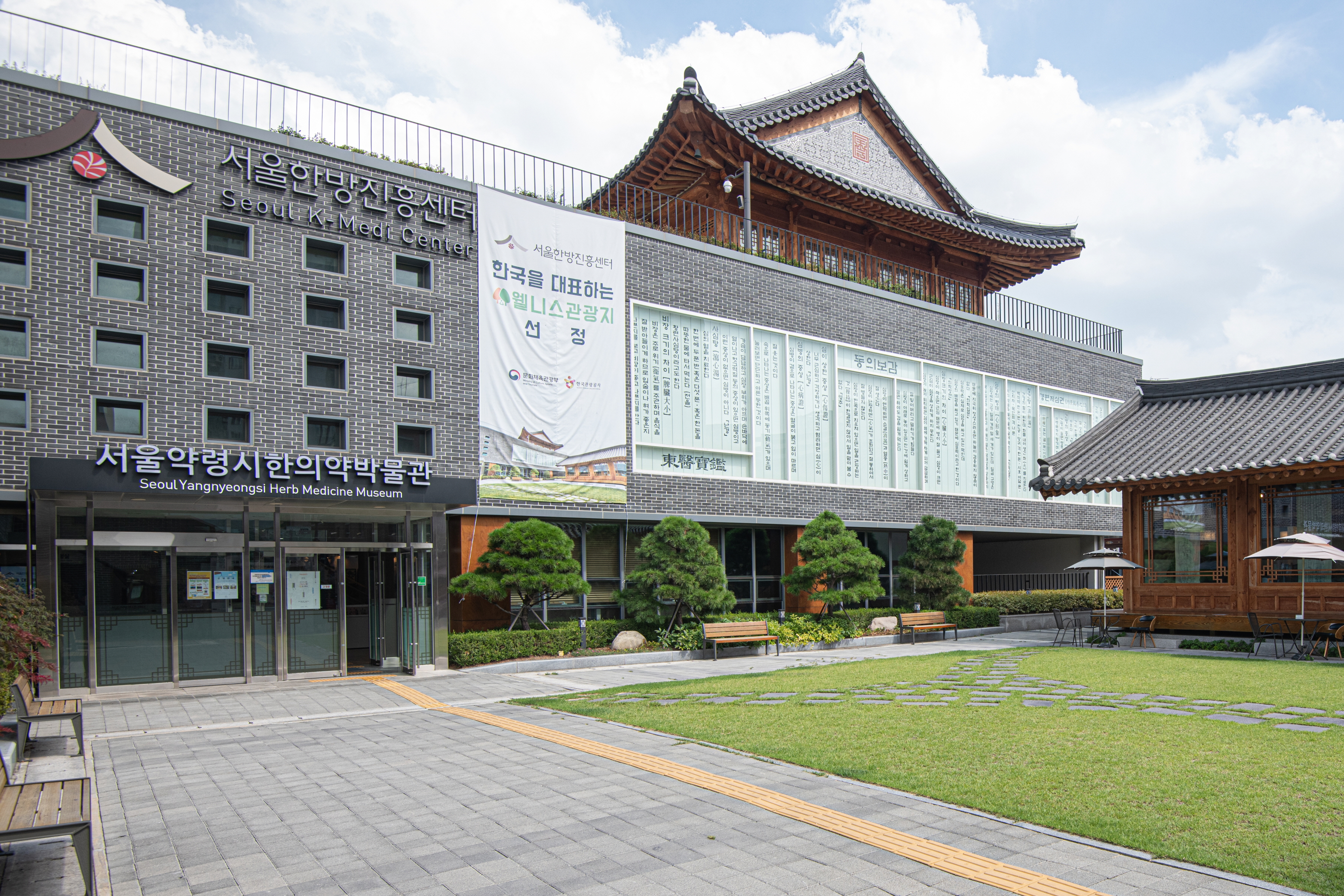
Located in the middle of Dongdaemun Yaknyeongsi in Seoul, this is the most popular place for travelers trying an oriental herbal foot bath for the first time. It is operated together with the Korean Medicine Museum, so after viewing the exhibits you can experience both a foot bath and an oriental massage. Sitting under a traditional hanok pavilion while enjoying a foot bath creates a truly "Korean-style" memory. You can enjoy a high-quality wellness experience with foot baths made from hinoki wood, seasonal medicinal herb prescriptions, and a full-body oriental massage afterward. Prices are around 6,000 won for the foot bath and 5,000 won for the massage, and registration is only available at designated times (10:20, 11:20, 13:20, etc.). Outdoor foot baths are not operated in winter, so check in advance if you plan to visit during the cold season. It is a 10-minute walk from Jegi-dong Station, and there is also public parking, making access convenient.
Bonchossanghwa
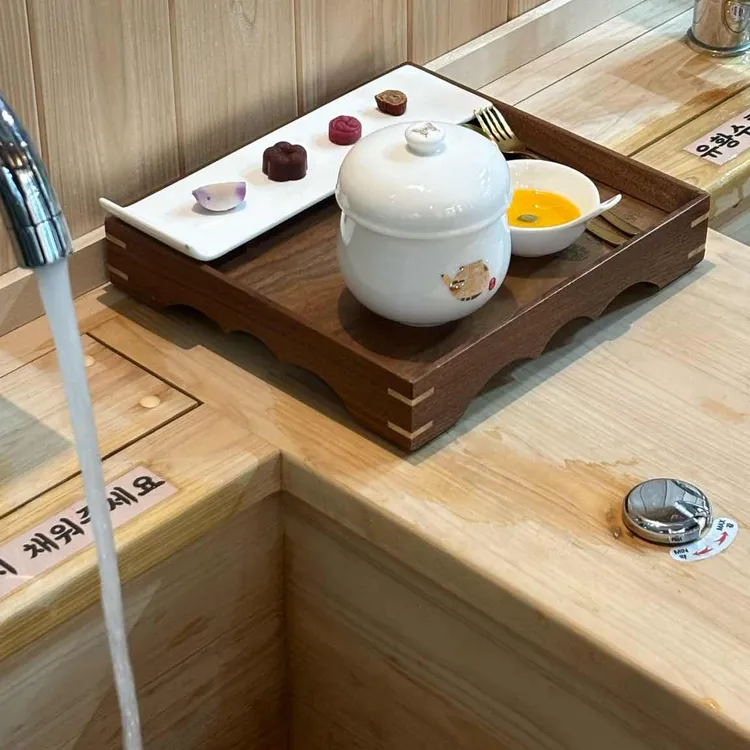
Located near Konkuk University in Gwangjin-gu, Seoul, this place is known as an unusual date spot for foot bath cafes. Its specialty is that you can enjoy ssaenghwatang, a traditional Korean restorative drink, together with the foot bath. You can melt away a body worn out by winter winds with a warm hot-spring-style foot bath, and in the meantime warm your heart with ssanghwa tea brewed from 15 traditional medicinal ingredients. Neck, shoulder, and lower back massages are also available with the foot bath, and you can relax by the window while looking at the outside scenery. Prices range from 3,500 to 10,000 won, and it is located on the second basement level. With many cafes and cultural facilities around Konkuk University nearby, it is a great place to explore after your foot bath.
Achim Goyang Salpi Flower Teahouse_Oriental Herbal Foot Bath Experience
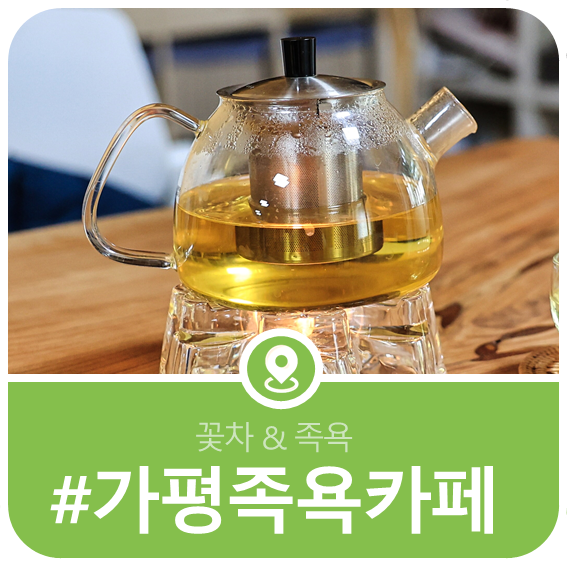
This place, located near the famous garden in Gapyeong, Gyeonggi-do, is popular with travelers who want to enjoy a foot bath in nature. You can experience an oriental herbal foot bath in the beautiful atmosphere of The Garden of Morning Calm, and special programs such as a fire foot bath are also available. It is about an hour and a half by car from Seoul, making it a good choice for a day trip or an overnight trip. Prices are in the 10,000 to 20,000 won range, and it operates daily from 9:00 to 20:00. You can also enjoy tea in a hanok-style teahouse within the garden, making it a choice for travelers seeking a complete healing experience.
C&H Cafe
![Discovery of taste—How is it here?] Stress relief with moxibustion and foot-bathing while looking at the sea! Changwon Cn Hue Cafe < Discovery of taste—How is it here? < LIFE& < Article body - Monthly Gyeongnam](https://kotourlive-images.s3.ap-northeast-1.amazonaws.com/kguide/n8n_place/1782116549141_c3bbaeeb_4346_72ec8010.jpg)
Located near the Marine Tourism Road in Changwon, Gyeongsangnam-do, this is a place where you can enjoy a foot bath while taking in ocean views. It is an unusual cafe in Masan Gusan-myeon specializing in herbal tea and foot baths, attracting travelers who want to experience Korean herbal tea culture. Prices range from 5,000 to 12,000 won, and it is ideally located for a rest stop midway along a coastal driving route. It can be visited in connection with a trip to Namhae or Tongyeong.

