White jade skin was the definition of Korean beauty
As you study Korean beauty culture, you discover a surprising consistency. From the Silla era through the Joseon Dynasty and into today’s K-beauty, the aesthetic of nurturing natural beauty without overdoing it has run consistently through it all. If you look at women in ancient tomb murals, you can see a slender facial contour, white-jade-like skin, and fine, elegant eyebrows standing out; these were the standards of beauty at the time. Bright, clear skin was not simply a standard of beauty. It was a symbol of noble status, showing that one did not labor under the sun, and it also signified the difficult-to-achieve “complete self-care” in the murky realities of ancient life.
In the Goguryeo era, yeonji (red pigment applied to the face) had already become common, and even this was used as a tool to distinguish social status. As Joseon-era Confucian ethics grew stronger, beauty evolved into keeping the skin clean while avoiding excessive color. This is the prototype of Korean beauty as we know it today. Pale yet subtle, but healthy and radiant skin — this philosophy has remained unchanged for nearly 2,000 years.
From natural ingredients to science, but the philosophy did not change
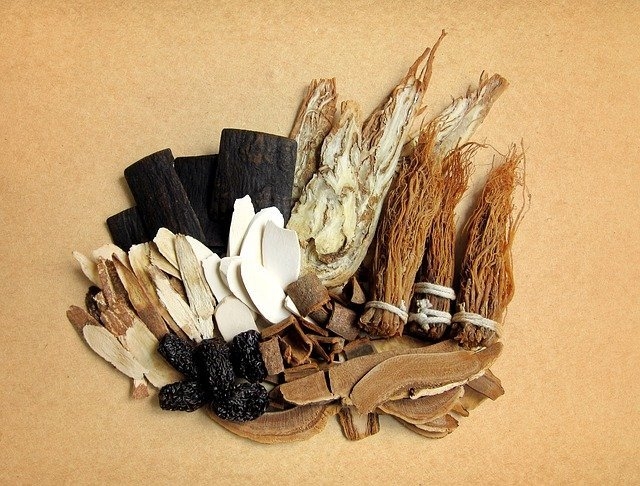
What did ancient Koreans use to care for their skin? If you follow historical records, the answer is surprisingly practical. The Yemaek people in the northern part of the Korean Peninsula applied pig fat in winter to protect their skin, and they used natural ingredients such as mugwort and garlic to brighten the complexion. Women in the Joseon Dynasty cared for their skin by mixing rice wine with eggs; this method was even recorded in Gyuhap Chongseo, a household encyclopedia. These were all ingredients that were easy to obtain nearby. But the spirit was clear: to restore and maintain the skin’s natural health.
Even as time passed and chemistry and technology advanced, the direction pursued by Korean beauty did not change. Modern K-beauty has merely scientifically verified traditional natural ingredients and reinterpreted them in more effective forms. Green tea, turmeric, and plant-derived ingredients are incorporated into various beauty products, allowing the old and new to meet naturally. The Korean-style skincare routine of supplying moisture, nourishment, and soothing in steps is ultimately the same philosophy. If Joseon-era women went through several preparation steps after washing their faces, today we are simply realizing that more precisely with more products.
Bringing tradition into the modern routine — the time of slow aging
At the center of beauty trends in 2025 is “slow aging.” Rather than pursuing fast, dramatic changes, it means caring for yourself consistently every day and accepting the process of aging at a natural pace. This is nothing other than the modern expression of traditional Korean beauty philosophy. It reflects how Koreans in the past cared for their skin throughout their lives. There was nothing urgent about it; there was only consistency.
The perception of beauty as “self-care” and as a means of realizing one’s personal “desired look” is also expanding. More and more people now see beauty routines not as something for others’ approval, but as a daily ritual of caring for themselves and enjoying small changes. This, too, connects with tradition. Just as Joseon-era young women prepared for “tomorrow’s self” each morning through face washing and basic makeup, modern beauty is becoming a ritual for oneself.
How to create results slowly, over time
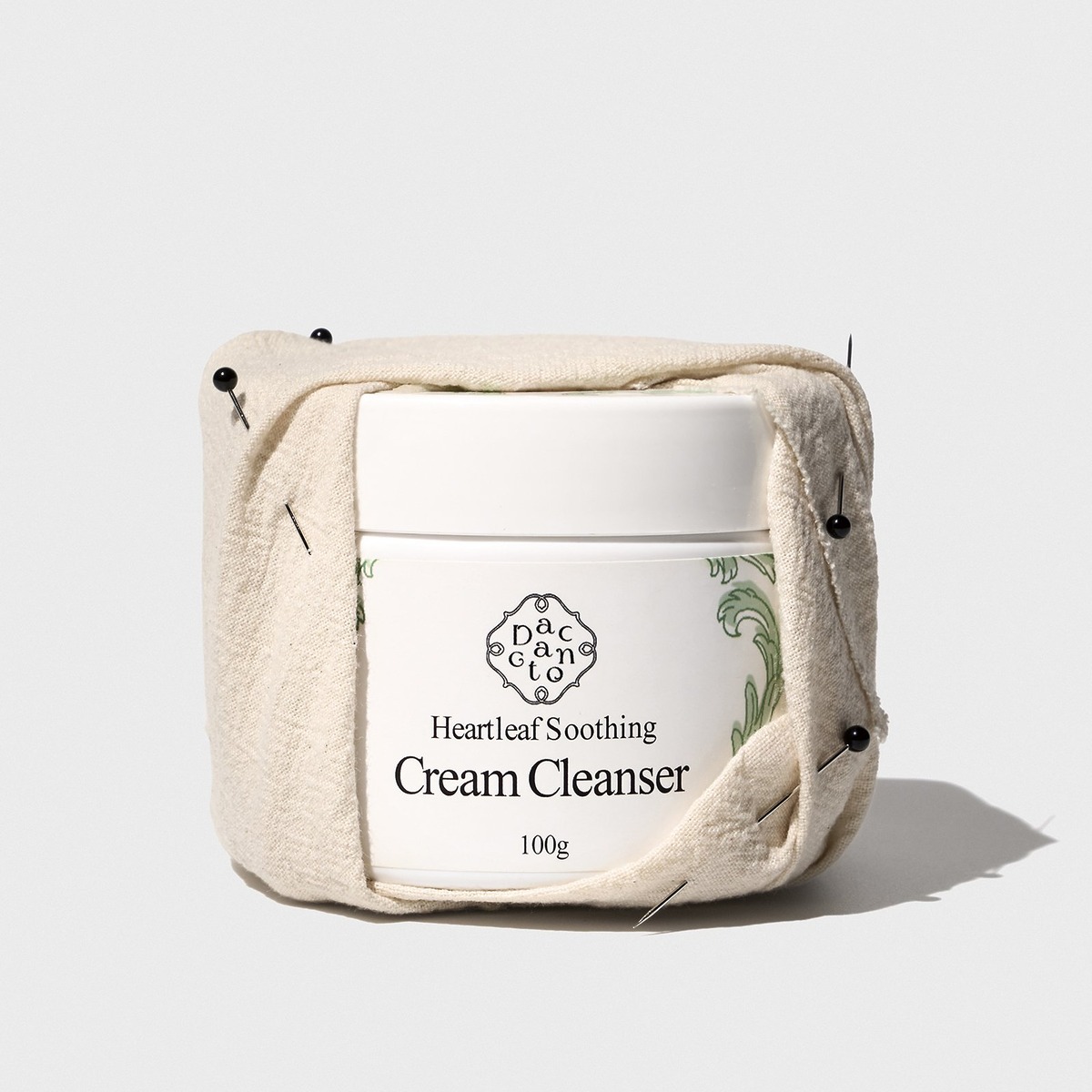
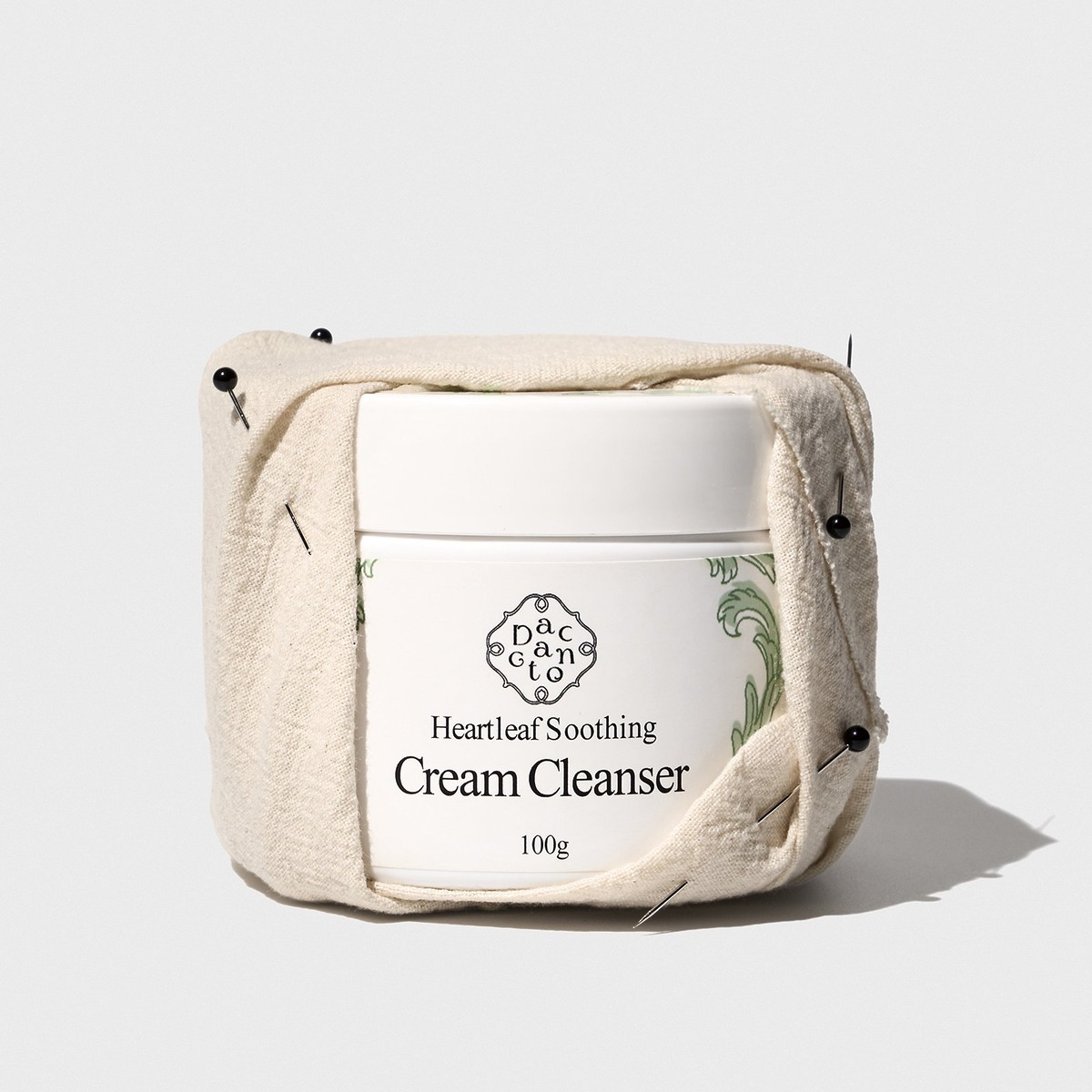
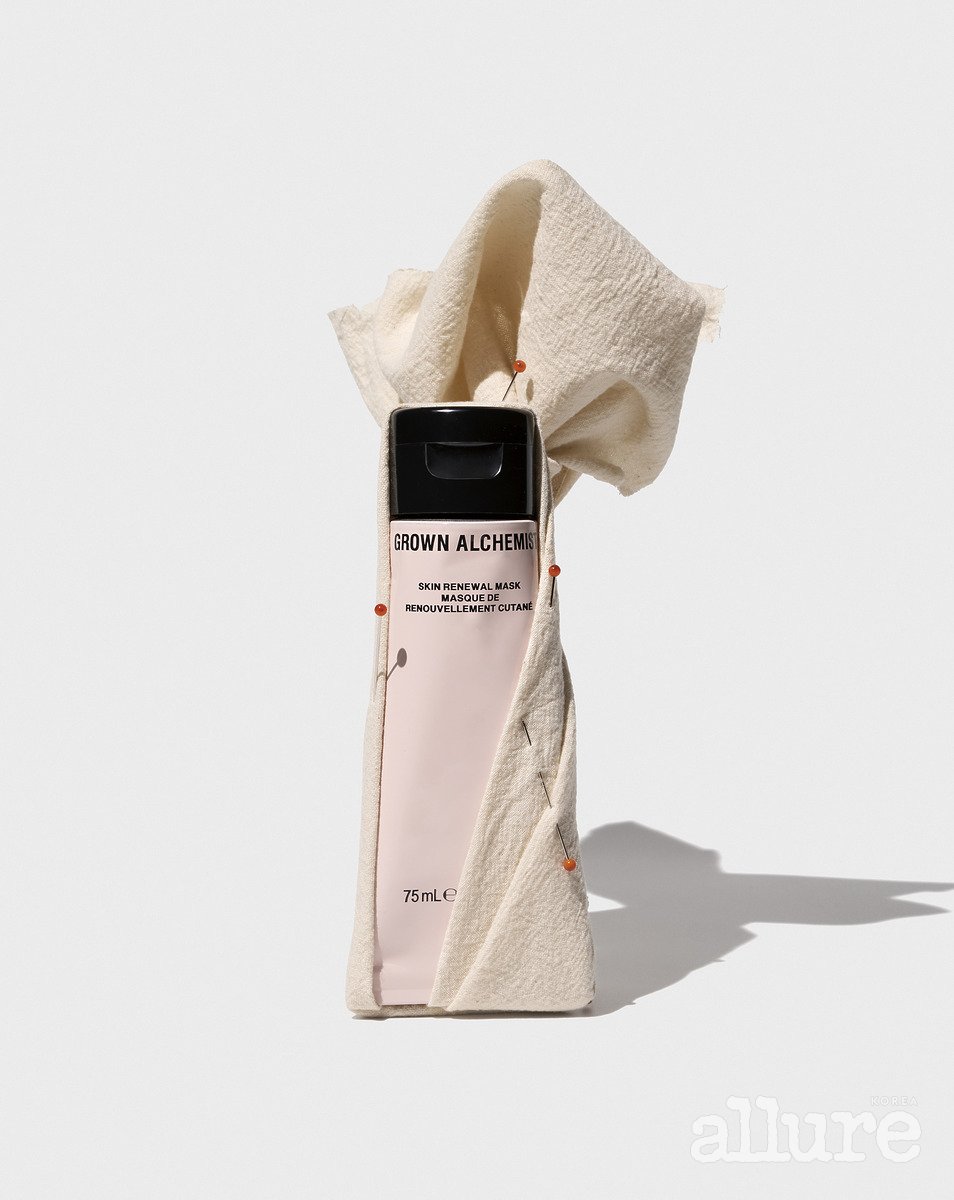
The core of traditional beauty lies in “waiting.” Rather than pursuing dramatic changes through a single procedure, it is a method in which small daily product use accumulates to create noticeable changes after a month, a season, or a year. For this, it is important to know your skin condition accurately. The basics of skincare begin with a thorough cleanse, then adjusting the skin’s pH level, hydrating it, and adding active ingredients. There is a reason this order is set. Each step helps the next product absorb better and maximizes the product’s effectiveness.
If you are traveling, it would be difficult to pack the full routine. In that case, order matters most. Just remember the sequence: first cleanse, face wash, toner (or skin), essence or toning essence, and then lotion or cream. You can understand each product as “building layers.” When buying products at a Korean beauty shop, if you tell them you are a traveler, they will often recommend products with this basic order in mind.
Rediscovering yourself according to age and skin type
What is interesting is that traditional Korean beauty emphasized a kind of “observation.” Even in Joseon-era texts, you can see the practice of examining skin condition in detail and choosing ingredients accordingly. Modern K-beauty is the same. Even within the same “oily skin” type, the products needed can differ by season, menstrual cycle, and stress level. Therefore, the first thing to do is understand what your skin wants.
When you visit a Korean beauty shop, there are many places where you can receive a basic skin analysis for free (measuring moisture, oil, and elasticity with a micro-device). This is an essential step in figuring out which products you should use. Age also matters. If the skin in your 20s and your 40s needs different things, you should build routines accordingly. If traditional beauty was a lifelong journey, modern beauty begins with truly knowing yourself at each stage.
Bringing traditional philosophy into the present
Korea’s traditional beauty rituals carry the message: “Accept aging, but manage the process beautifully.” The key is consistent care rather than rapid change, skin health rather than appearance alone, and knowing your own skin rather than living by someone else’s standards. If you experience beauty on a trip to Korea, it can become more than just buying good products; it can be a chance to experience this philosophy. The process of gradually learning what your skin wants — that is the beginning of “Korean-style self-care.” Below, find beauty shops that match your skin type and interests.